About Fig
Fig is a food discovery app that helps you find foods and recipes that fit your dietary needs. Whether you have food allergies, intolerances, or follow a specific diet, Fig makes it easy to eat with confidence.
Learn more →4 servings
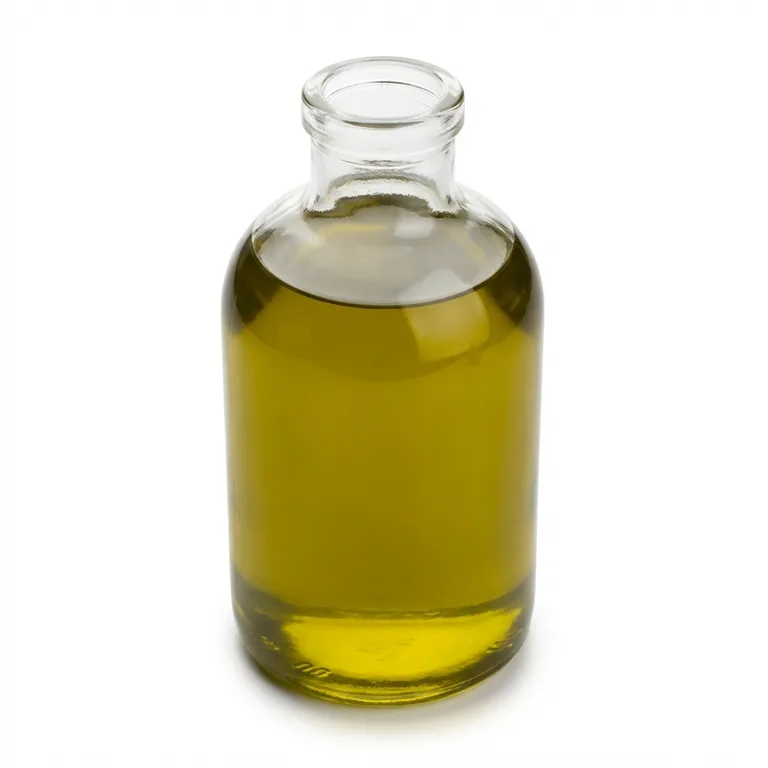
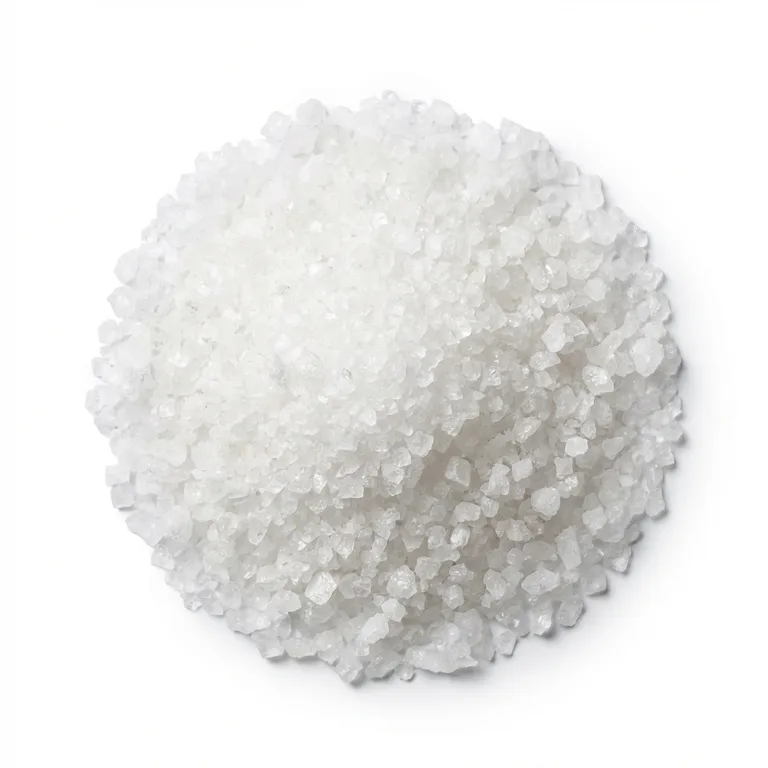
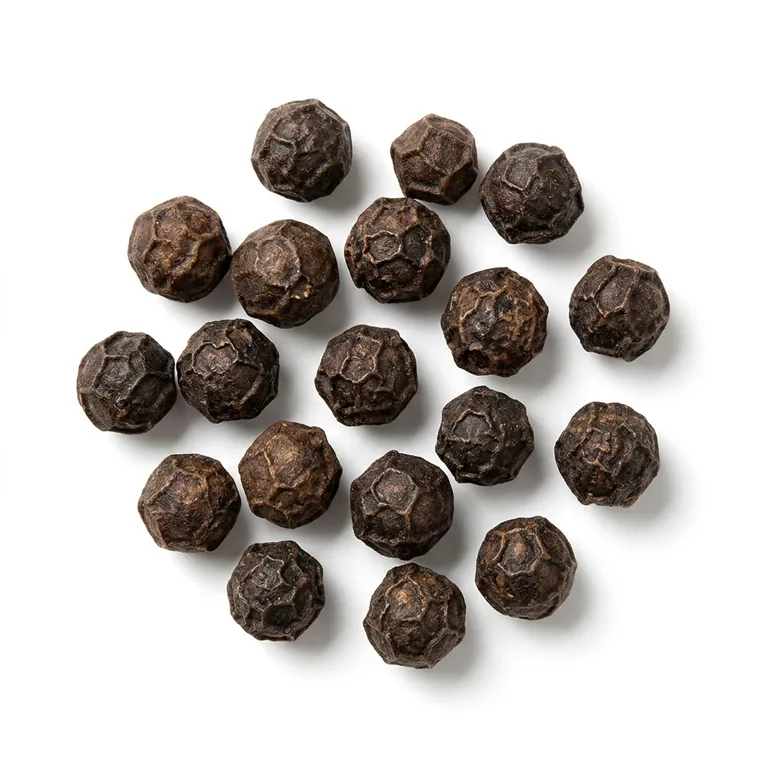
Dried black pepper can sometimes contain mold toxins, but the small amount in this recipe—about 1/8 teaspoon per serving—is likely tolerated by many. When possible, use a recently purchased organic spice and store it tightly closed in a cool, dry place. If you prefer to always avoid black pepper, please tap it and change its rating to Red.
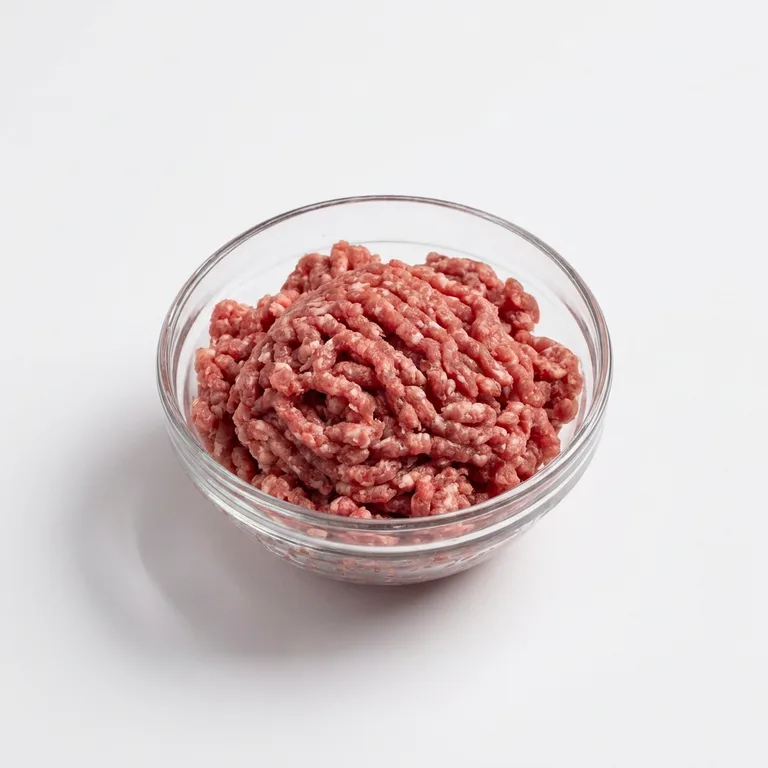
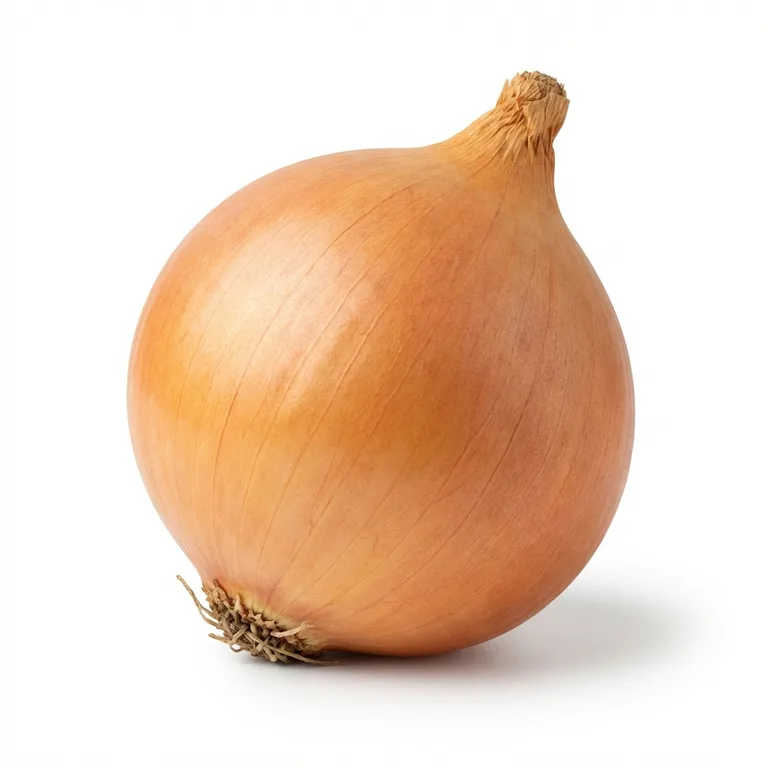
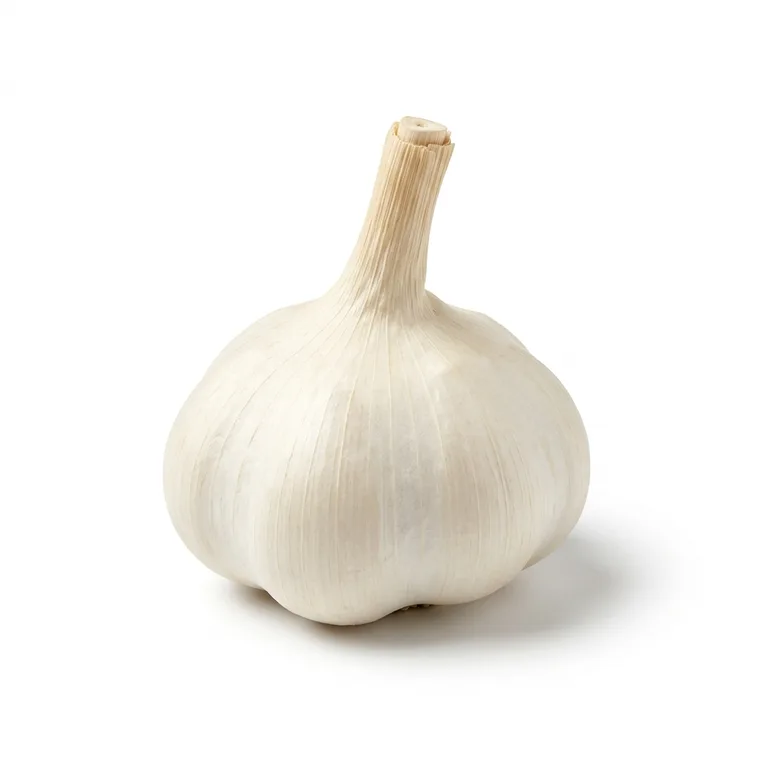
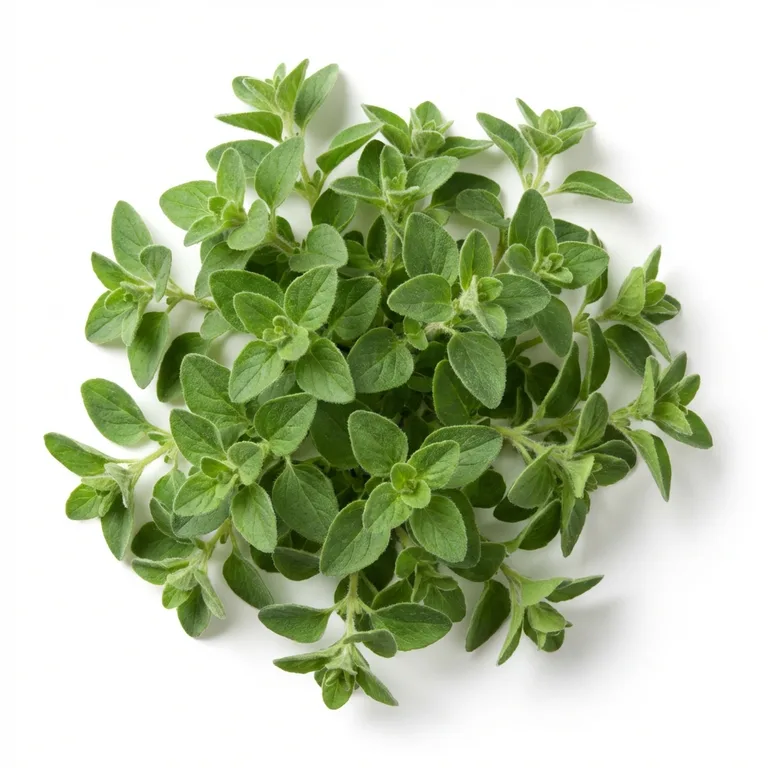
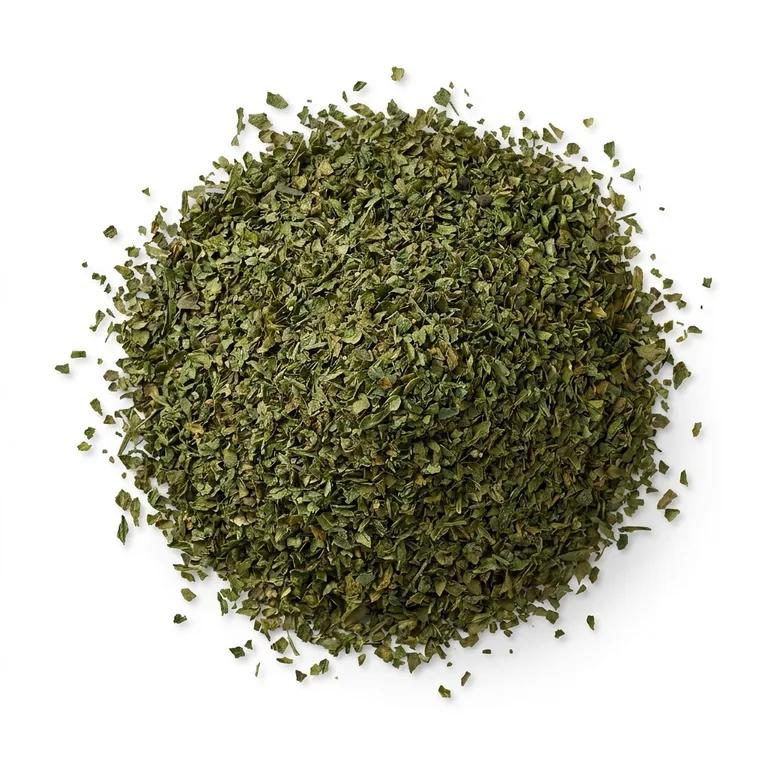
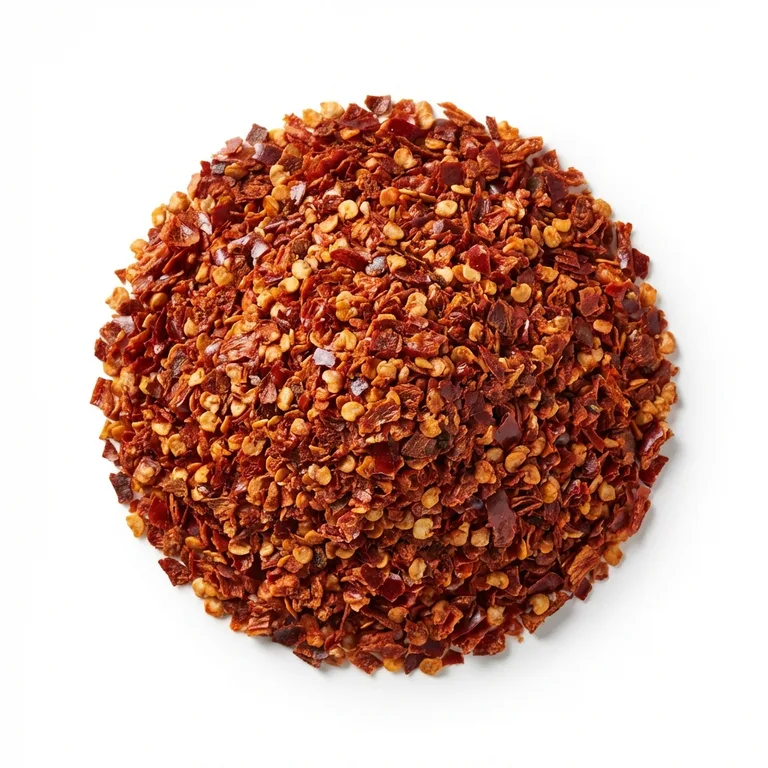
Dried red pepper flakes can sometimes contain mold toxins, but the small amount in this recipe—about 1/8 teaspoon per serving—is likely tolerated by many. When possible, use a recently purchased organic spice and store it tightly closed in a cool, dry place. If you prefer to always avoid red pepper flakes, please tap it and change its rating to Red.
Dried black pepper can sometimes contain mold toxins, but the small amount in this recipe—about 1/8 teaspoon per serving—is likely tolerated by many. When possible, use a recently purchased organic spice and store it tightly closed in a cool, dry place. If you prefer to always avoid black pepper, please tap it and change its rating to Red.
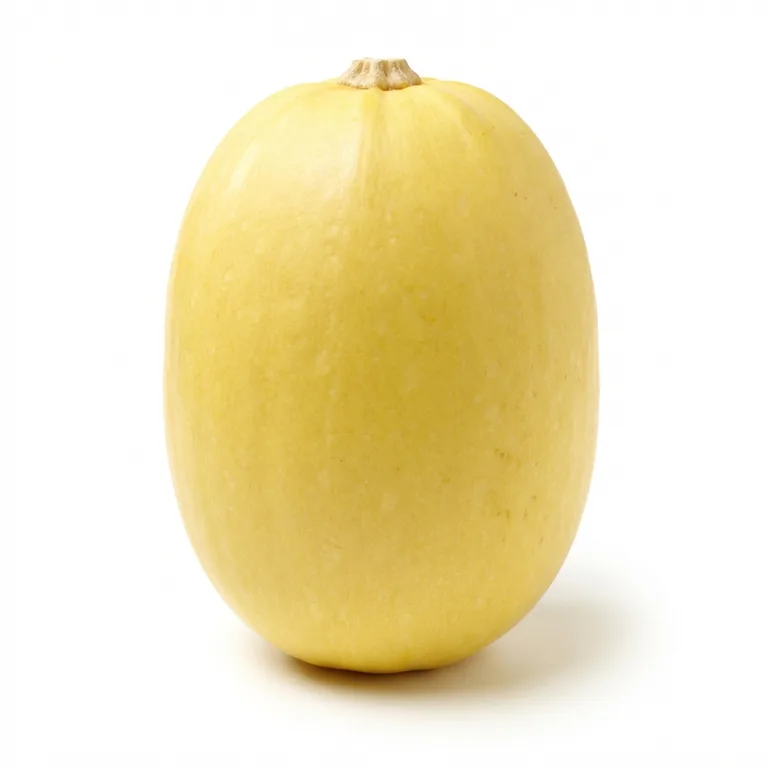
Preheat the oven to 400°F (205°C). Halve each spaghetti squash lengthwise and scoop out the seeds. Brush the cut sides with 1 tbsp of the olive oil and season with 1/2 tsp salt and 1/4 tsp black pepper. Place cut-side down on a large baking sheet.
Roast the squash for 35–40 minutes, until the flesh is tender when pierced with a fork and the strands pull away easily. Remove from the oven and flip the halves cut-side up to cool slightly. Leave the oven on.
Create a Fig account for step-by-step instructions, access to our full recipe library, and more!


 (16k)
(16k)