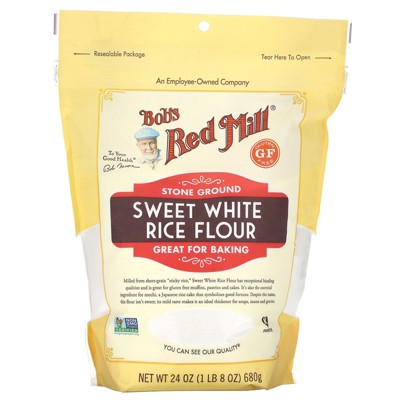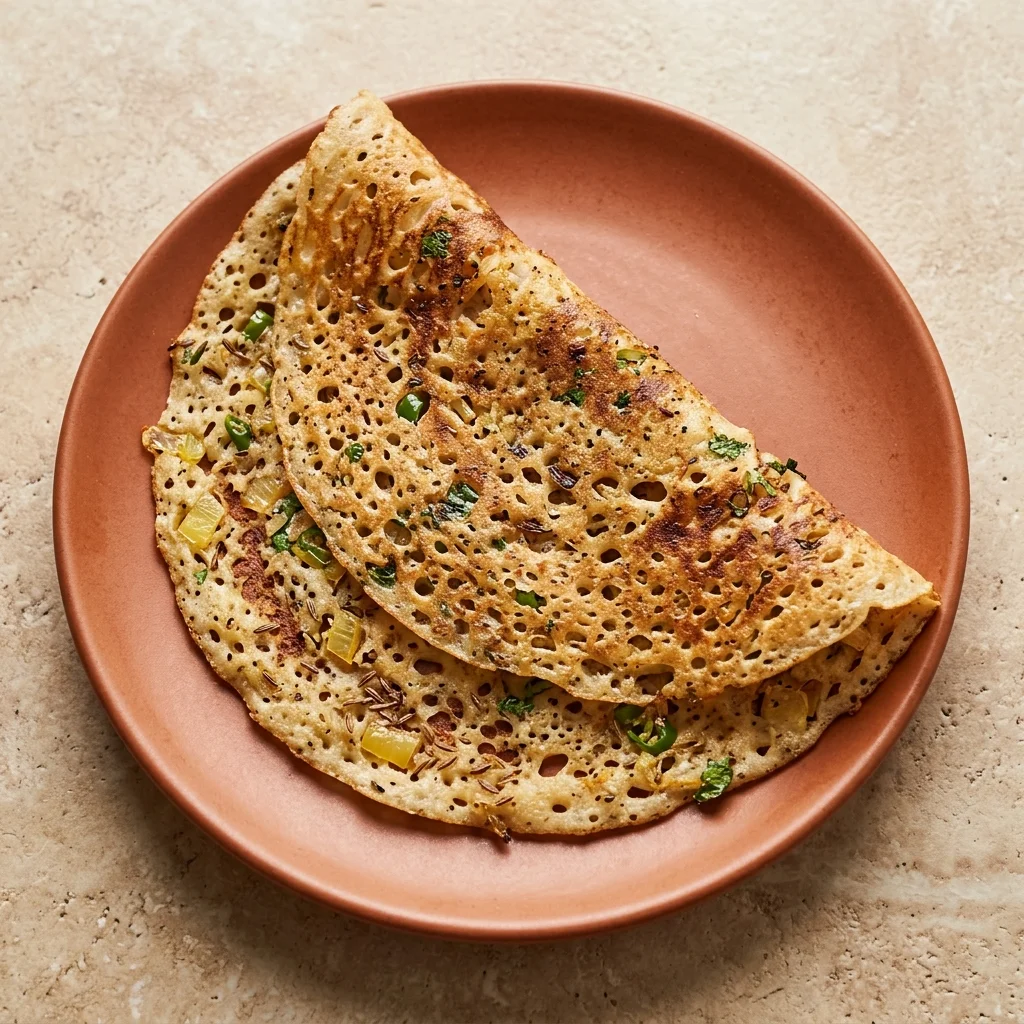
Crispy, lacy, and packed with the warm fragrance of cumin, ginger, and fresh chilies, this South Indian street-food classic is one of those dishes that looks almost too impressive for how straightforward it actually is. The batter comes together from pantry staples — semolina, rice flour, and all-purpose flour — with no tree nuts anywhere in the picture, so you can cook and serve with complete confidence. What makes rava dosa so satisfying is that signature web of crisp, golden holes, and the trick is entirely in the pour: a thin, free-flowing batter swirled around the pan in a wide circle, never spread, lets the lacy texture form naturally. Finely chopped onion, green chilies, and fresh cilantro stirred into the batter give every bite a savory, slightly spicy kick that pairs beautifully with cool coconut chutney or a bowl of sambar on the side. The whole process is naturally plant-based, relying on nothing more than vegetables, simple flours, and a neutral cooking oil like canola or sunflower. It's the kind of recipe that rewards a little patience — letting the semolina hydrate, keeping the batter properly thin, and resisting the urge to fiddle with the dosa while it crisps — but the payoff is a showstopper of a meal that tastes like it came straight from a roadside tiffin stall.
 About Fig
Fig is a food discovery app that helps you find foods and recipes that fit your dietary needs. Whether you have food allergies, intolerances, or follow a specific diet, Fig makes it easy to eat with confidence.
Learn more →4 servings
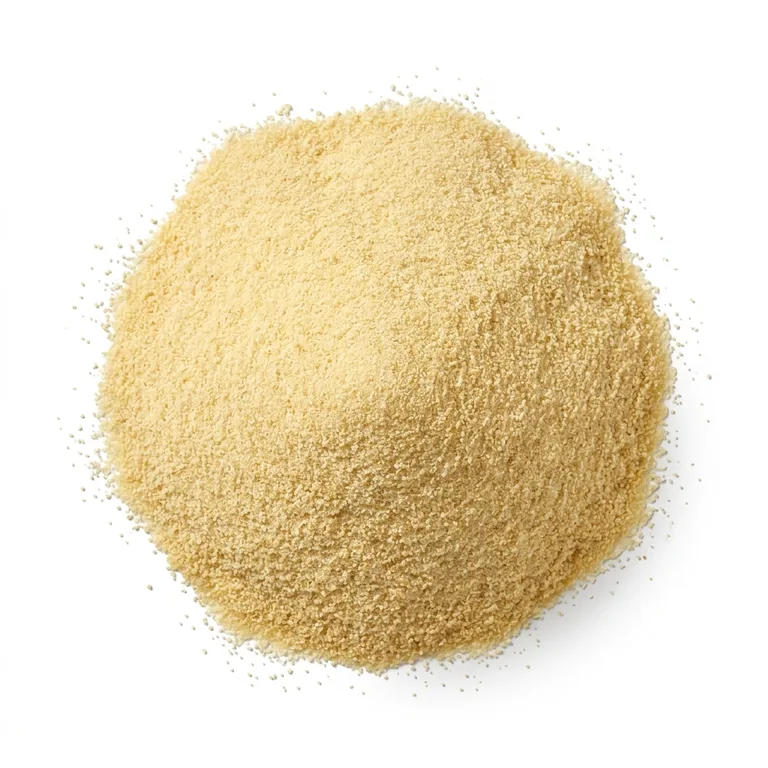
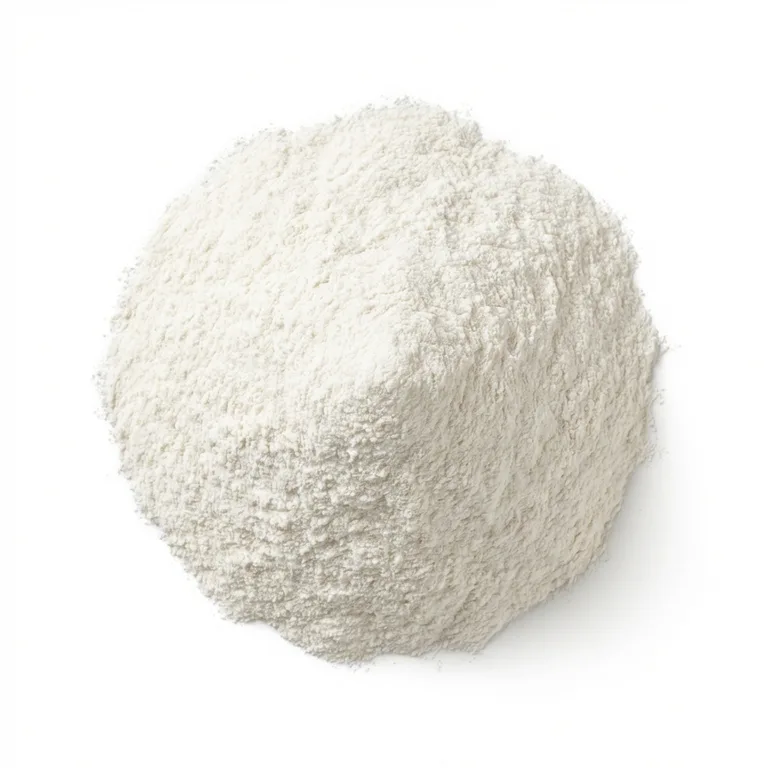
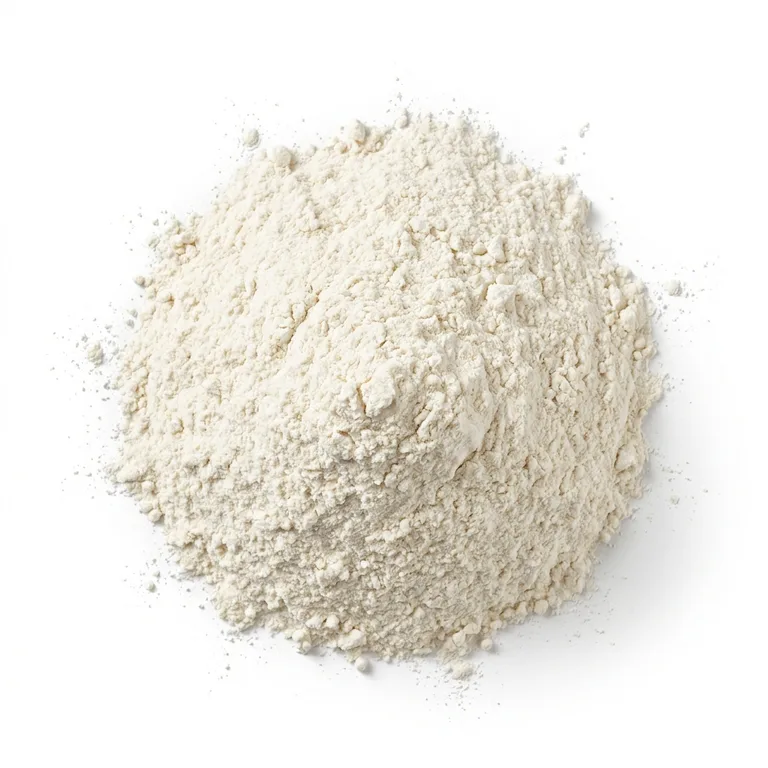

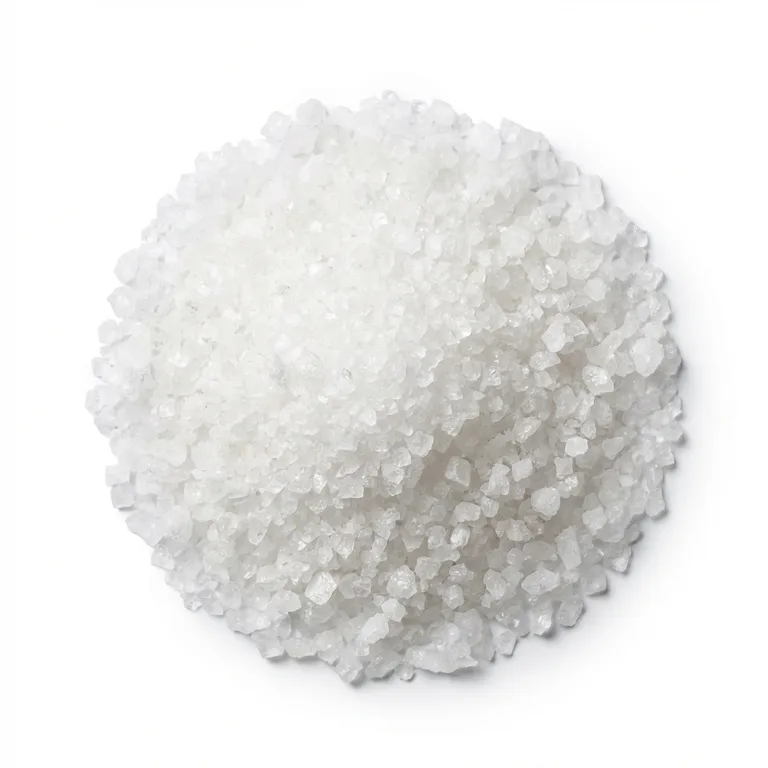
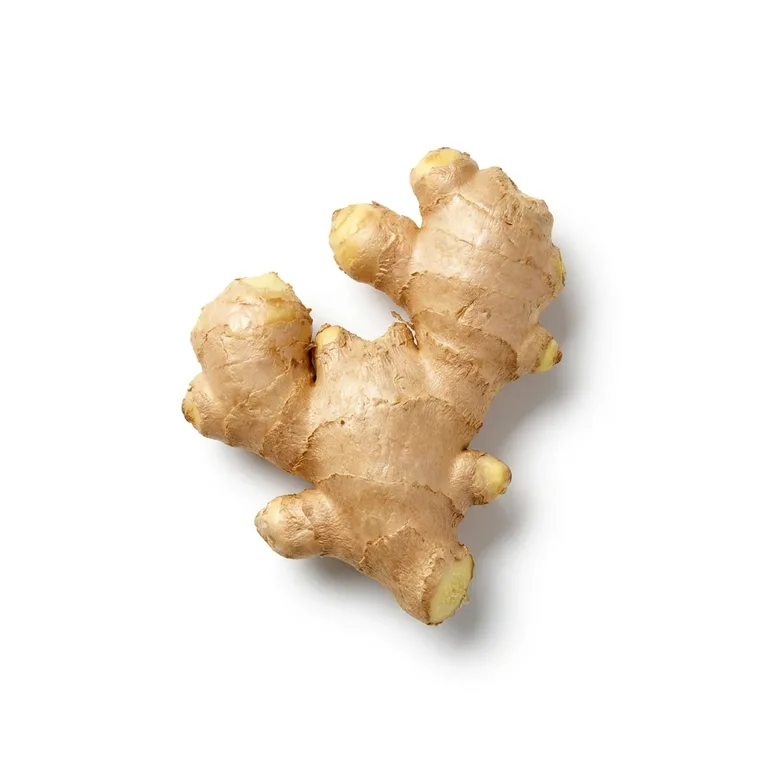
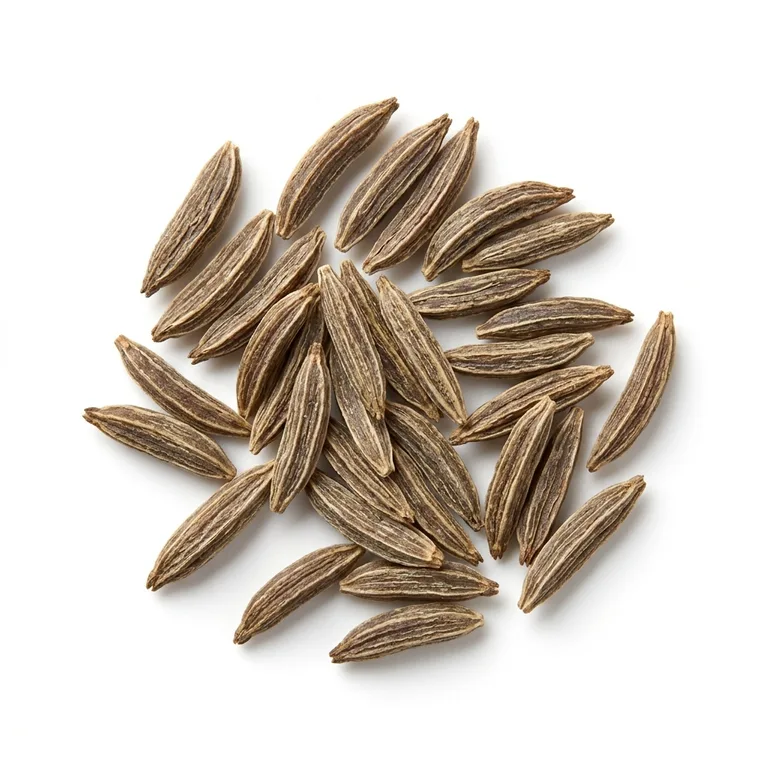
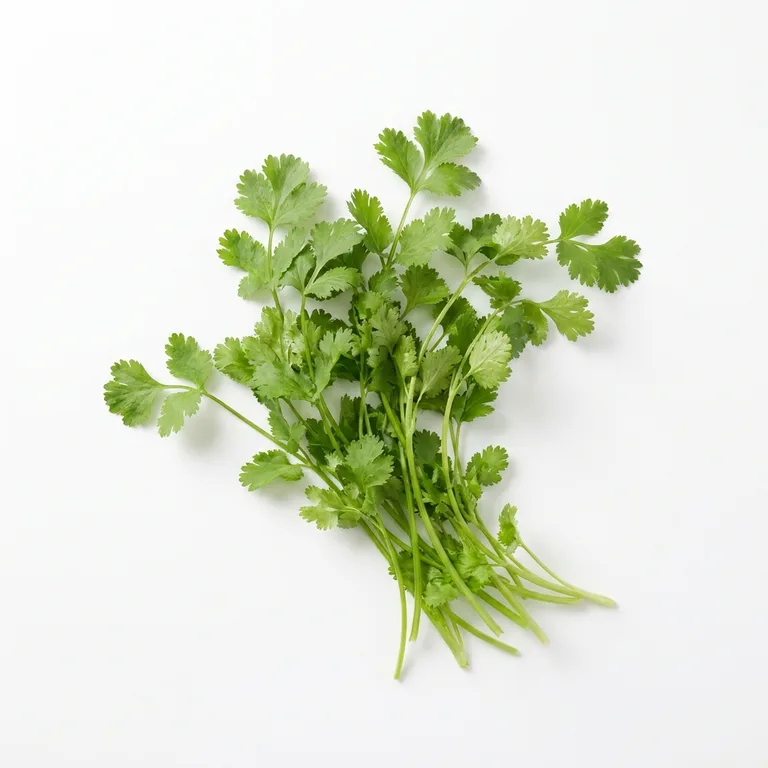
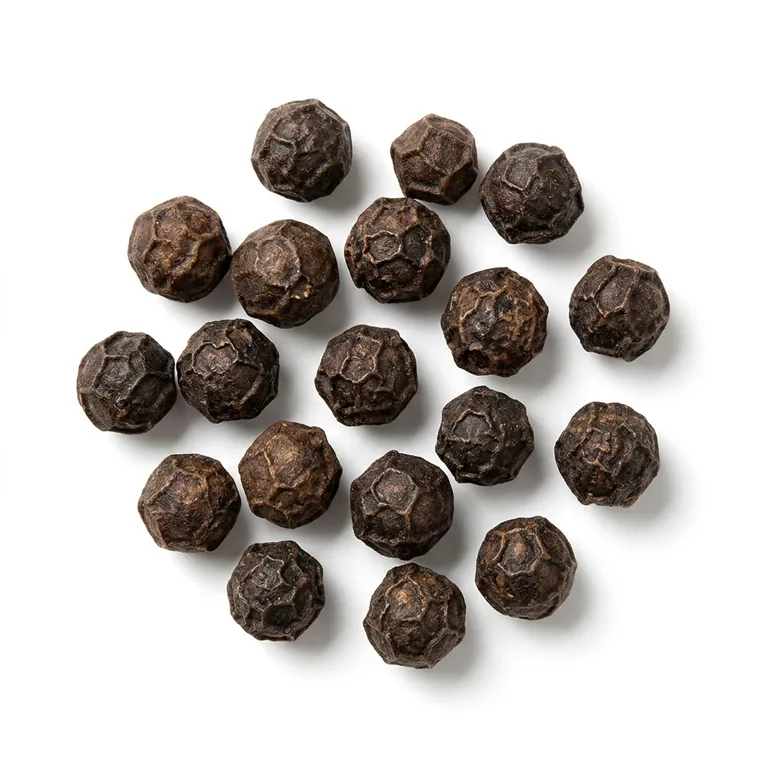
In a large mixing bowl, whisk together the semolina, rice flour, all-purpose flour, salt, and 2 1/2 cups water until smooth and lump-free. The batter should be very thin and pourable — thinner than pancake batter, closer to the consistency of heavy cream. Let the batter rest for 15 minutes so the semolina hydrates fully.
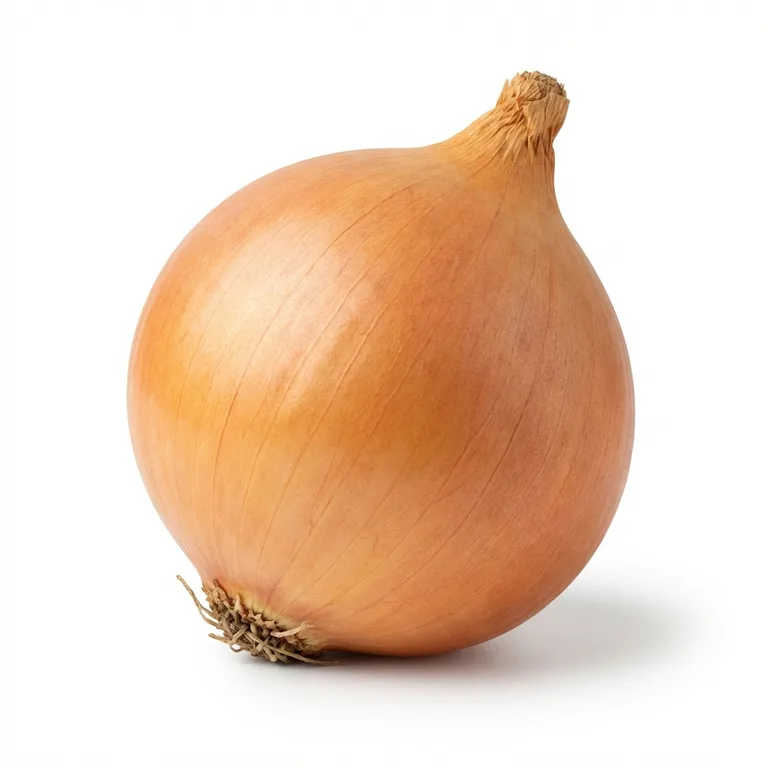
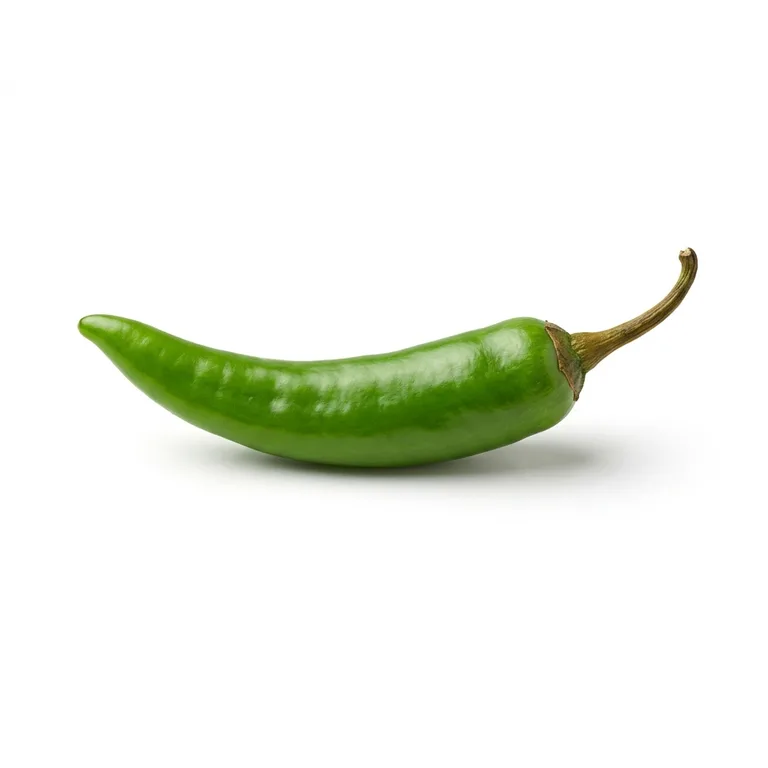
After resting, stir in the chopped onion, green chilies, ginger, cumin seeds, cilantro, and black pepper. If the batter has thickened as the semolina absorbs water, whisk in additional water, a few tablespoons at a time, until it returns to a thin, pourable consistency. The batter should flow freely off the ladle.
Create a Fig account for step-by-step instructions, access to our full recipe library, and more!


 (16k)
(16k)