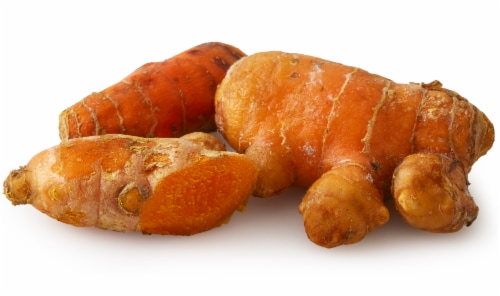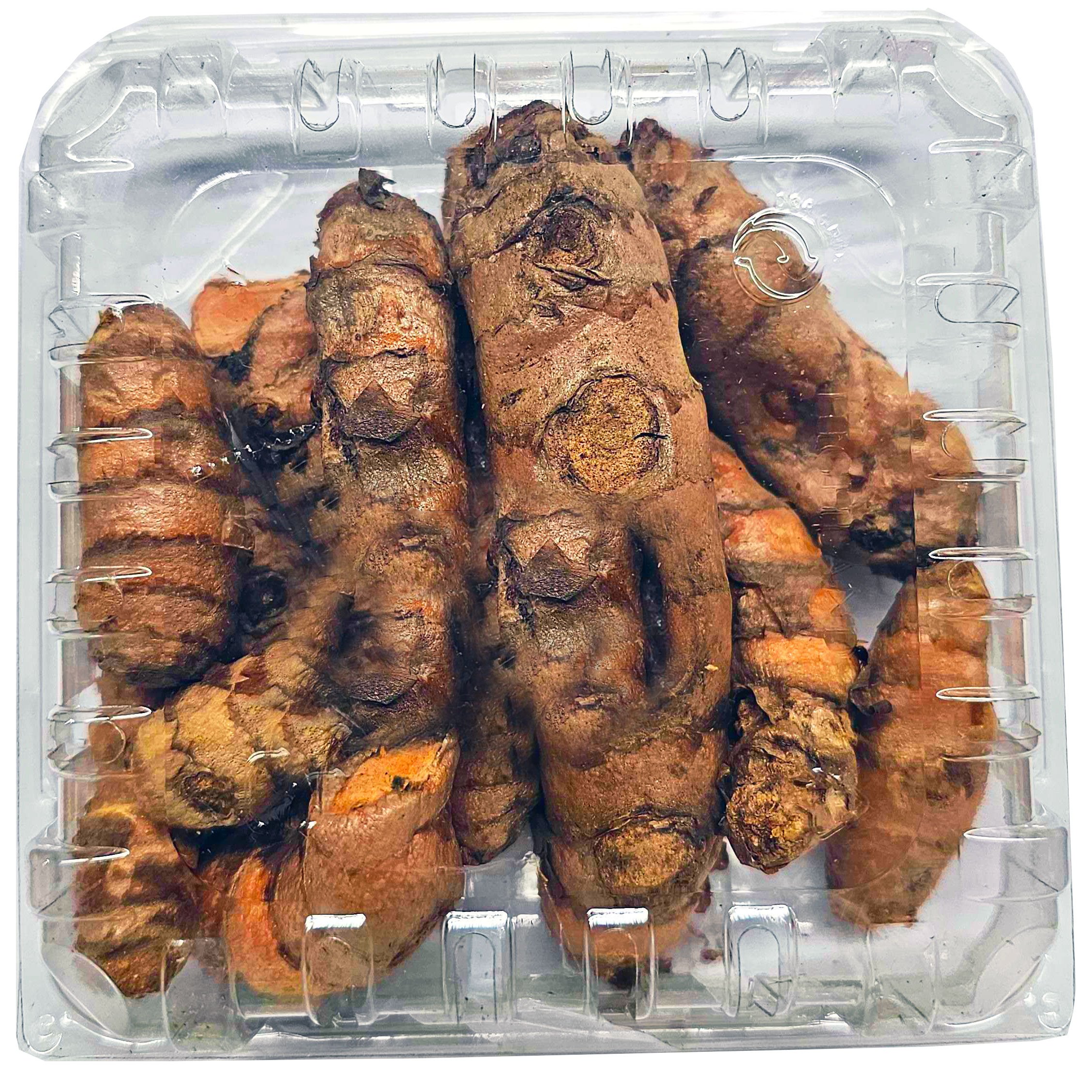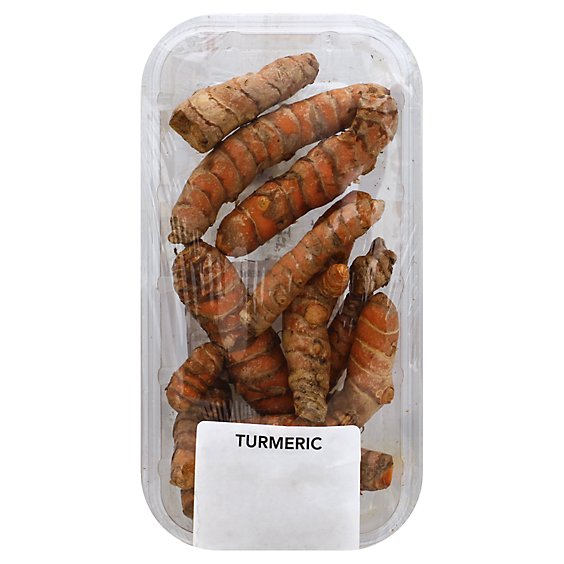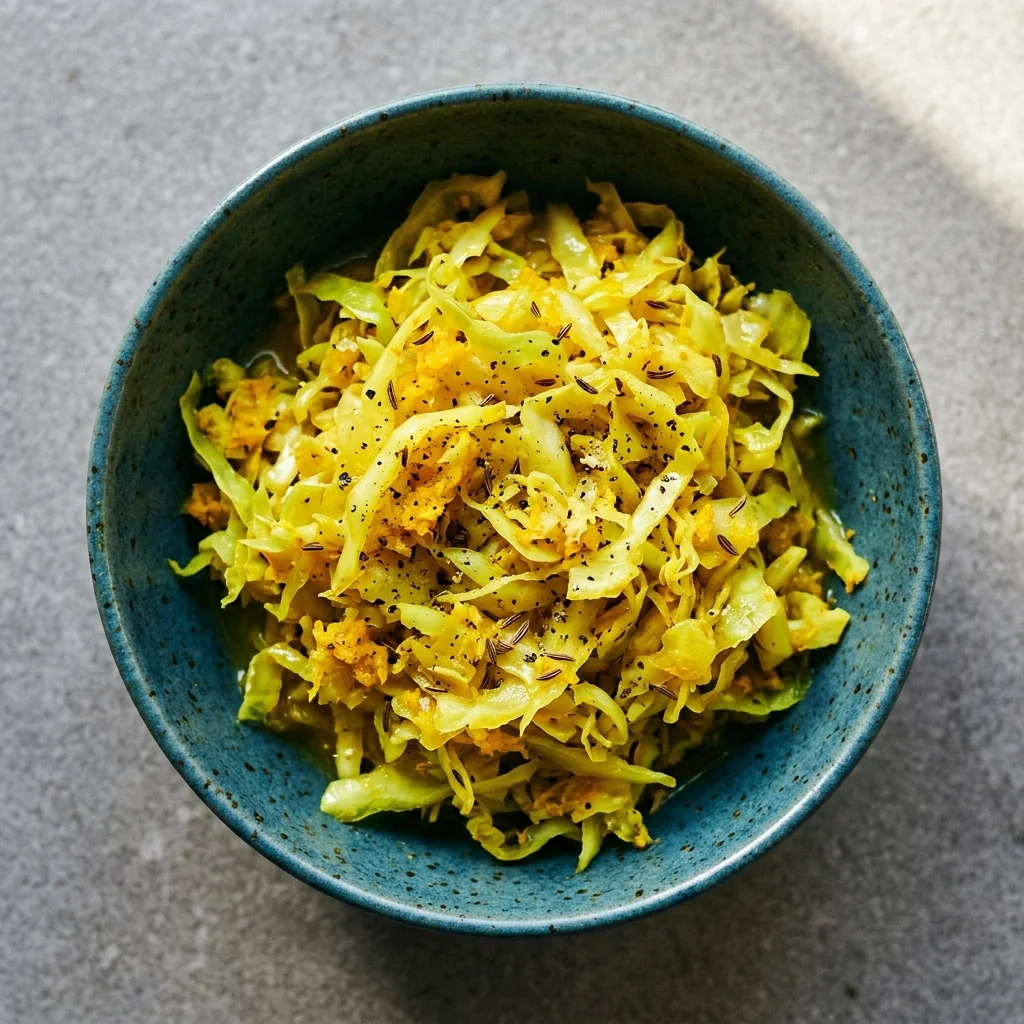
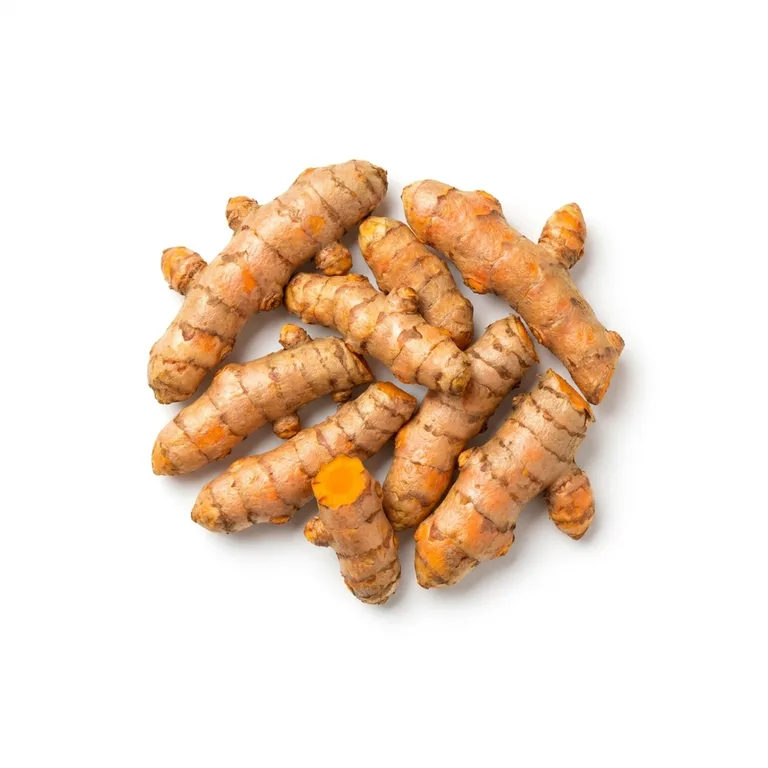
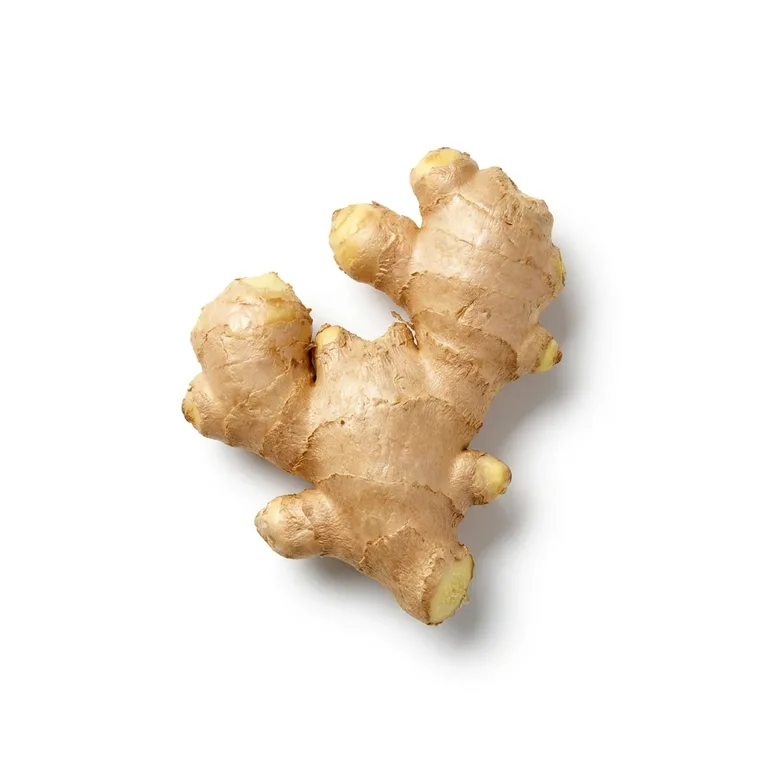
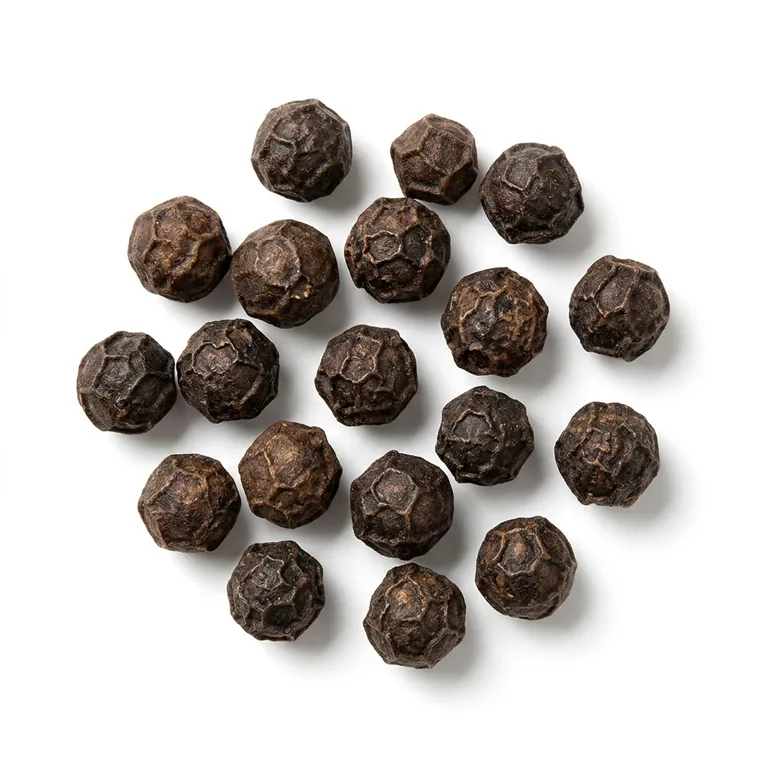
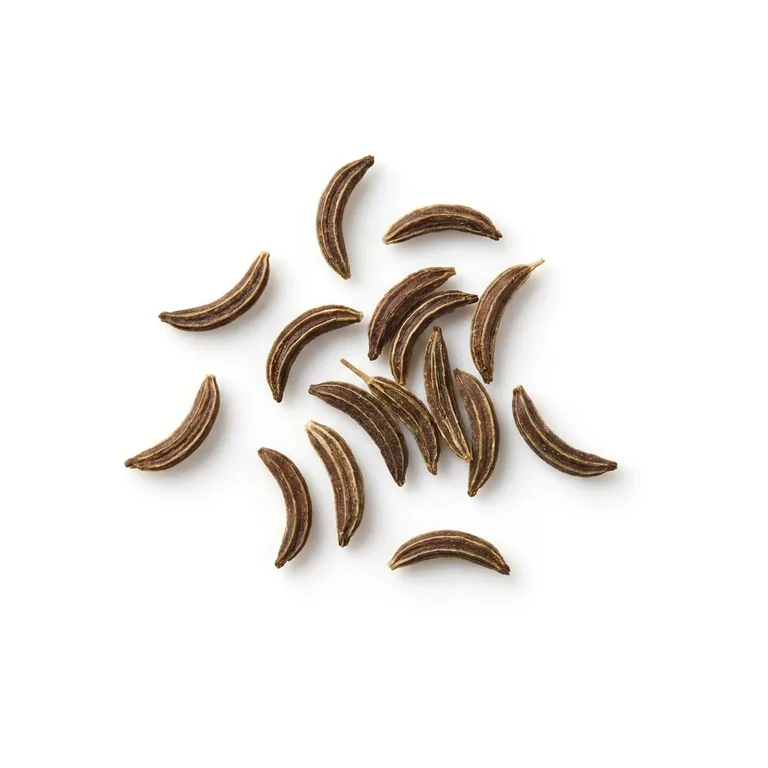
Sauerkraut gets a serious glow-up here, with fresh turmeric and ginger turning every golden shred into something that tastes as vibrant as it looks. The process is beautifully simple — just cabbage, sea salt, and a handful of spices — relying entirely on wild lacto-fermentation rather than any added yeast or starter cultures. That means the tangy sourness develops naturally over five to seven days as the salt draws out the cabbage's own brine and creates the perfect environment for fermentation to do its thing. Massaging the cabbage until it's limp and pooling with liquid is genuinely satisfying, and packing it tightly into the jar with a weighted leaf cap is the kind of low-tech kitchen technique that feels almost meditative. Black pepper and optional caraway seeds round out the flavor, adding warmth and a faintly earthy note that plays beautifully against the brightness of the turmeric. The finished kraut is punchy, probiotic-rich, and keeps in the fridge for up to two months — making it an easy condiment to have on hand for grain bowls, sandwiches, eggs, or honestly just eating straight from the jar.
 About Fig
Fig is a food discovery app that helps you find foods and recipes that fit your dietary needs. Whether you have food allergies, intolerances, or follow a specific diet, Fig makes it easy to eat with confidence.
Learn more →8 servings
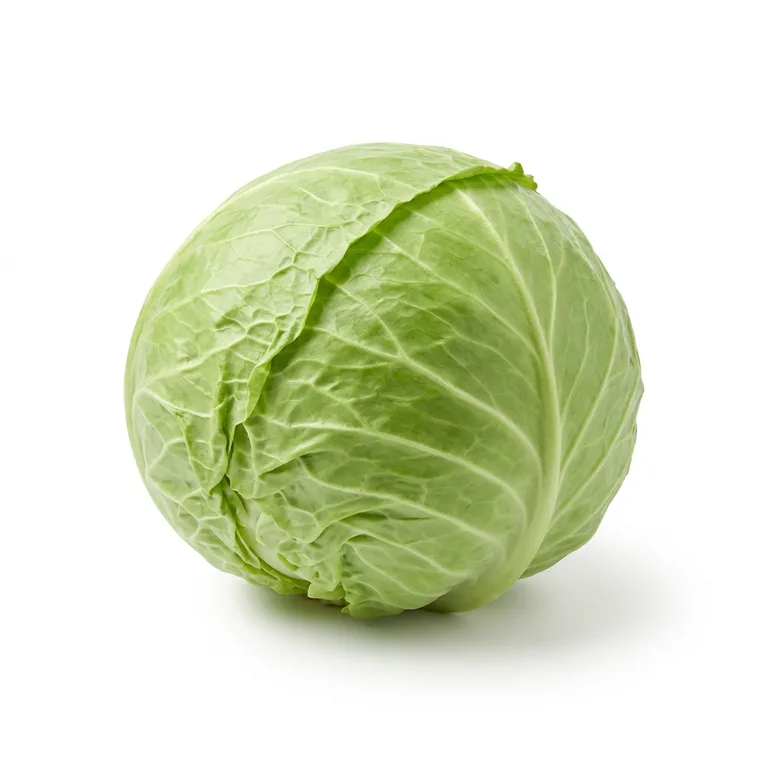
Quarter the cabbage through the core, cut out and discard the core, then slice each quarter crosswise into thin shreds about 1/8-inch thick. Reserve one or two whole outer leaves before discarding the rest.
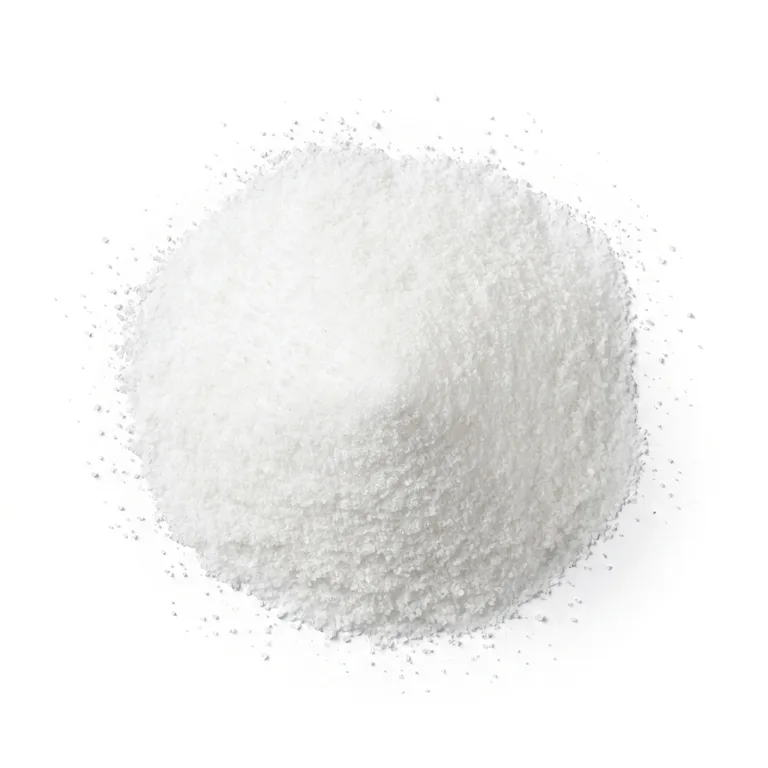
Transfer the shredded cabbage to a large mixing bowl. Sprinkle the sea salt evenly over the cabbage, then massage and squeeze firmly with both hands for 8–10 minutes, until the cabbage has released a significant amount of liquid and feels limp and wet — the brine should pool visibly at the bottom of the bowl.
Create a Fig account for step-by-step instructions, access to our full recipe library, and more!


 (16k)
(16k)