About Fig
Fig is a food discovery app that helps you find foods and recipes that fit your dietary needs. Whether you have food allergies, intolerances, or follow a specific diet, Fig makes it easy to eat with confidence.
Learn more →4 servings
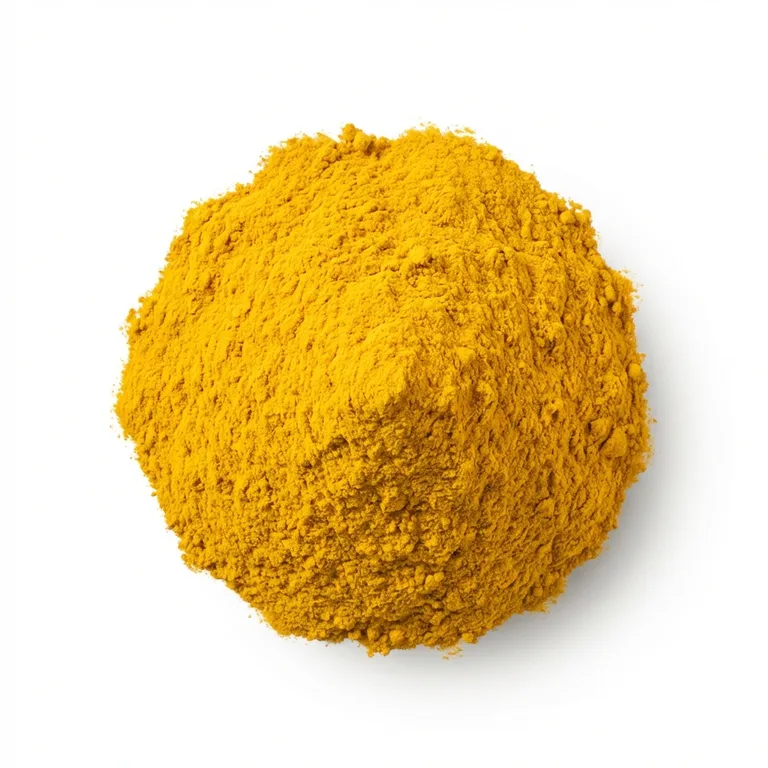
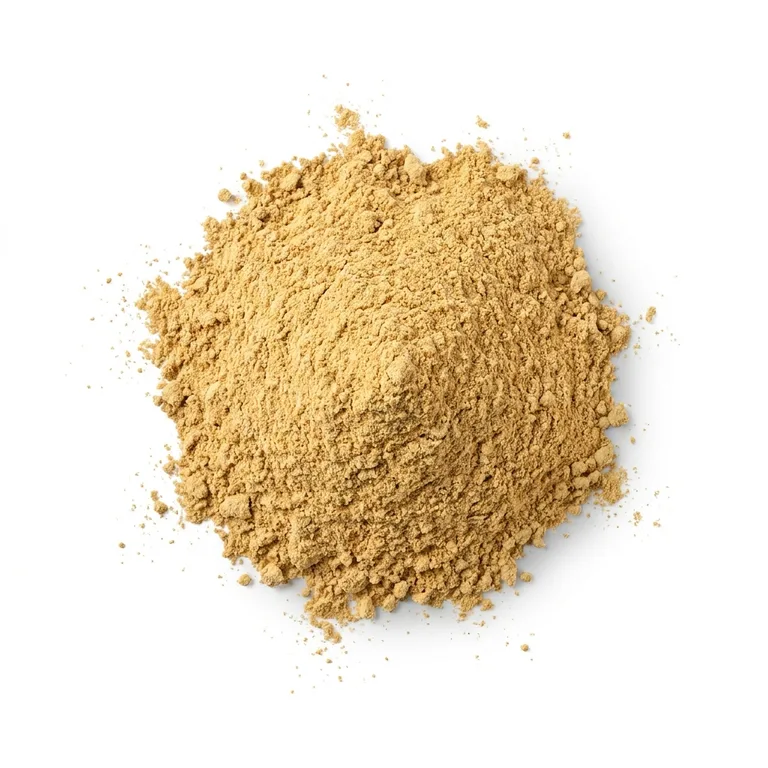



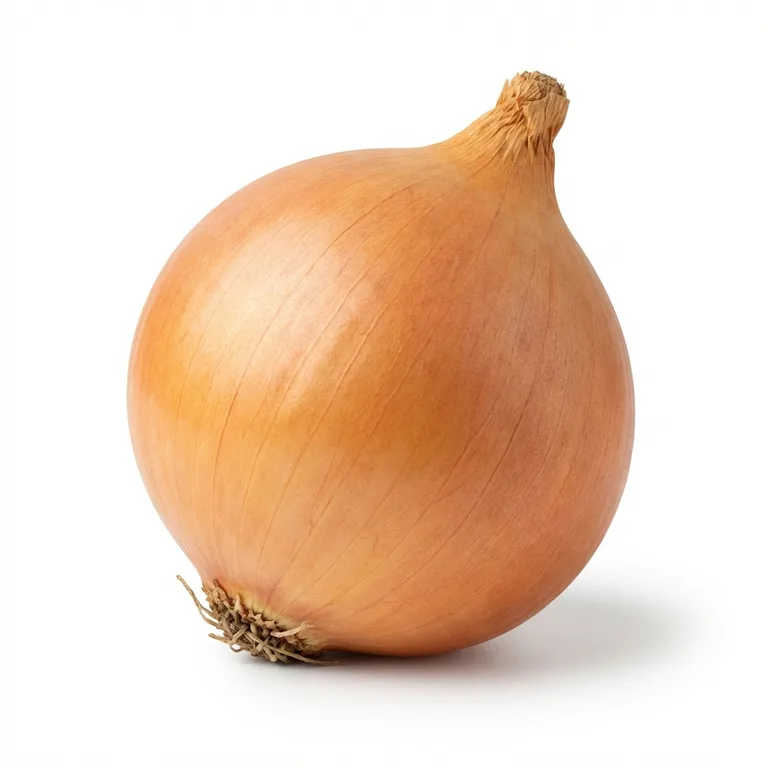
Cooking often breaks down the heat-sensitive proteins that trigger oral allergy syndrome, so the cooked yellow onion in this recipe is likely tolerated by many with OAS. If unsure, consult your doctor. To always avoid yellow onion, tap it and change its rating to Red.

Cooking often breaks down the heat-sensitive proteins that trigger oral allergy syndrome, so the cooked carrot in this recipe is likely tolerated by many with OAS. If unsure, consult your doctor. To always avoid carrot, tap it and change its rating to Red.
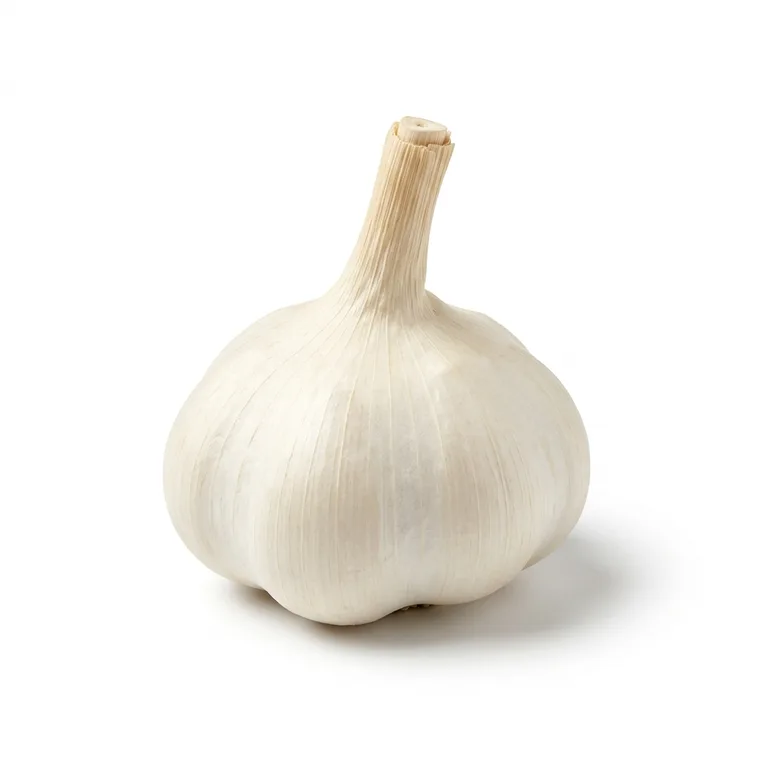
Cooking often breaks down the heat-sensitive proteins that trigger oral allergy syndrome, so the cooked garlic in this recipe is likely tolerated by many with OAS. If unsure, consult your doctor. To always avoid garlic, tap it and change its rating to Red.
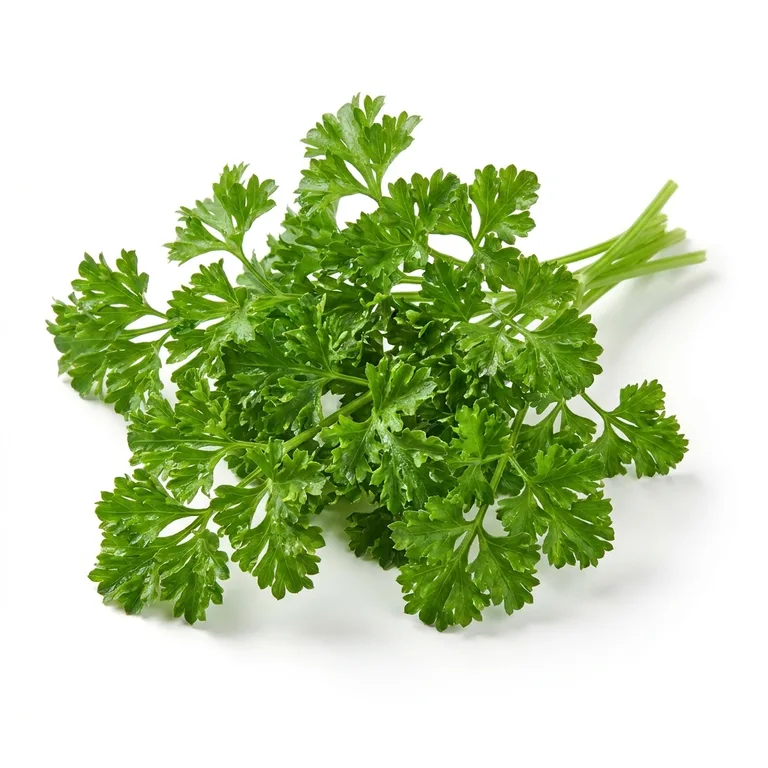
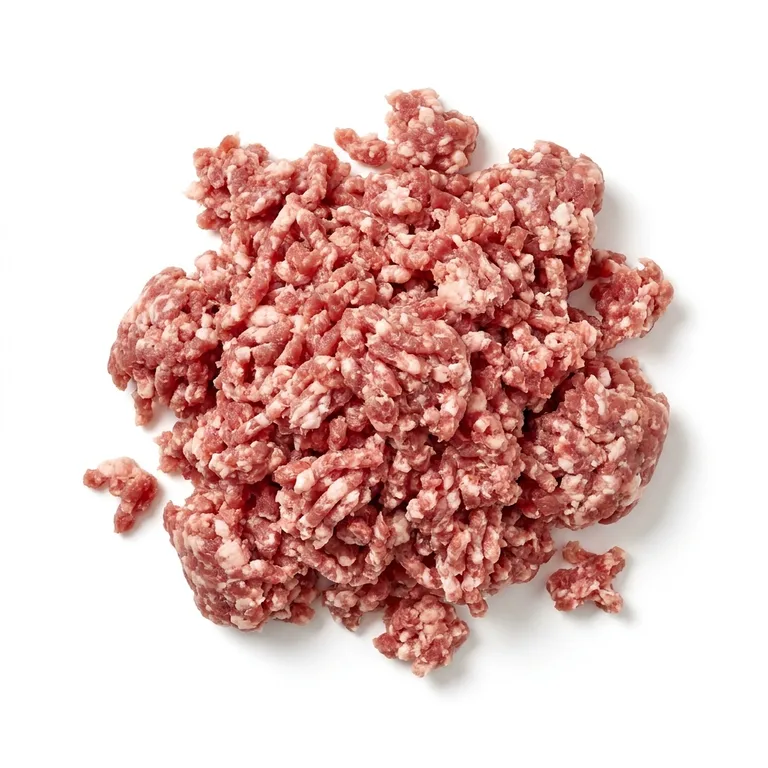
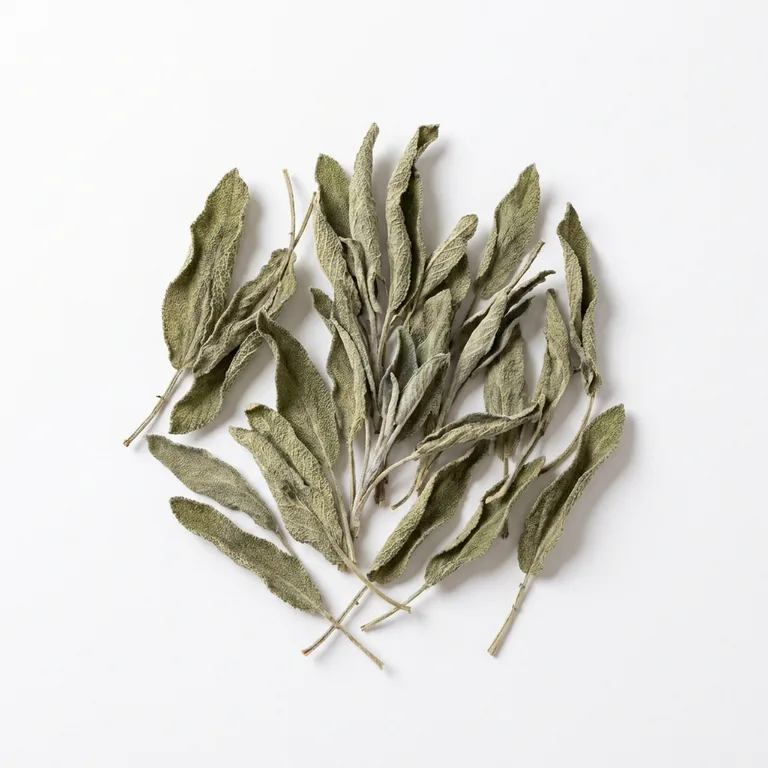
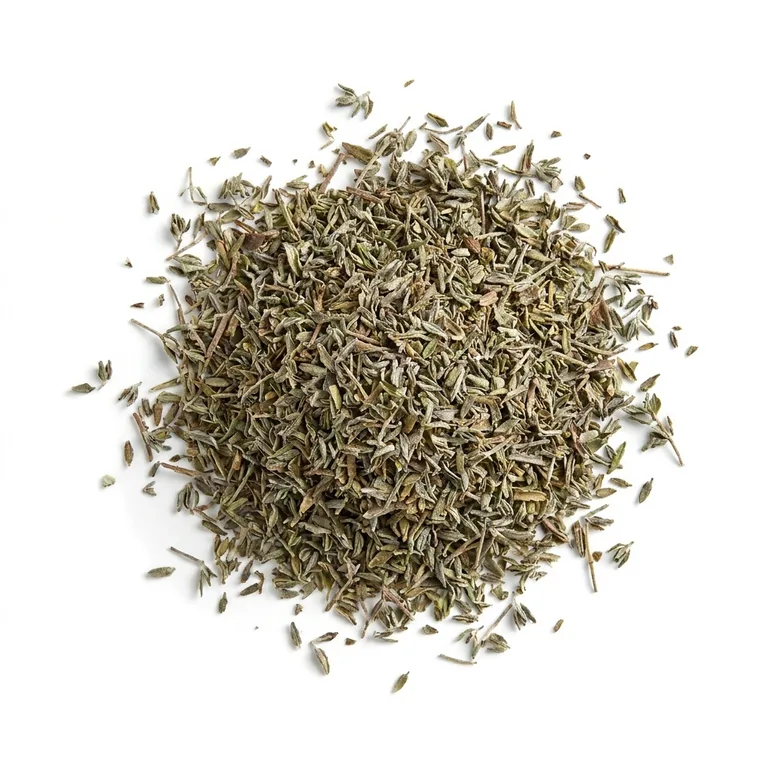
In a large (12-inch) cast iron skillet, heat 1 tbsp of the coconut oil over medium-high heat until shimmering. Add the ground pork, sage, thyme, turmeric, ginger, and 1/2 tsp of the salt. Cook, breaking the meat into small crumbles with a wooden spoon, until the pork is cooked through with no pink remaining and the edges are lightly browned, about 6–8 minutes. Transfer the cooked pork to a plate and set aside, leaving any rendered fat in the skillet.
Add the remaining 1 tbsp coconut oil to the same skillet over medium-high heat. Add the sweet potato and carrot and spread into a single layer. Cook undisturbed for 4–5 minutes until the undersides are golden, then stir and continue cooking until the sweet potato is just tender when pierced with a fork and the edges are caramelized, about 5–6 minutes more.
Create a Fig account for step-by-step instructions, access to our full recipe library, and more!


 (16k)
(16k)