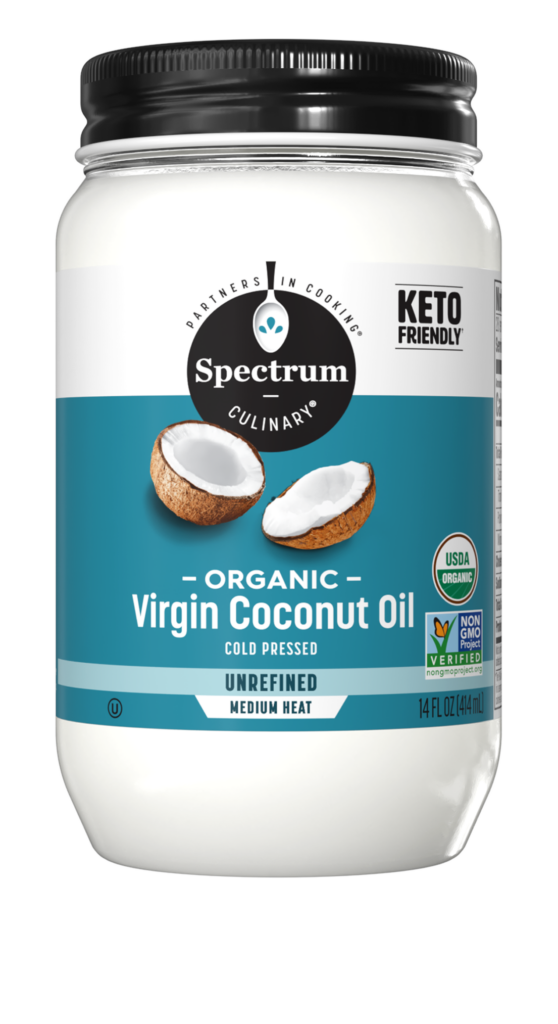
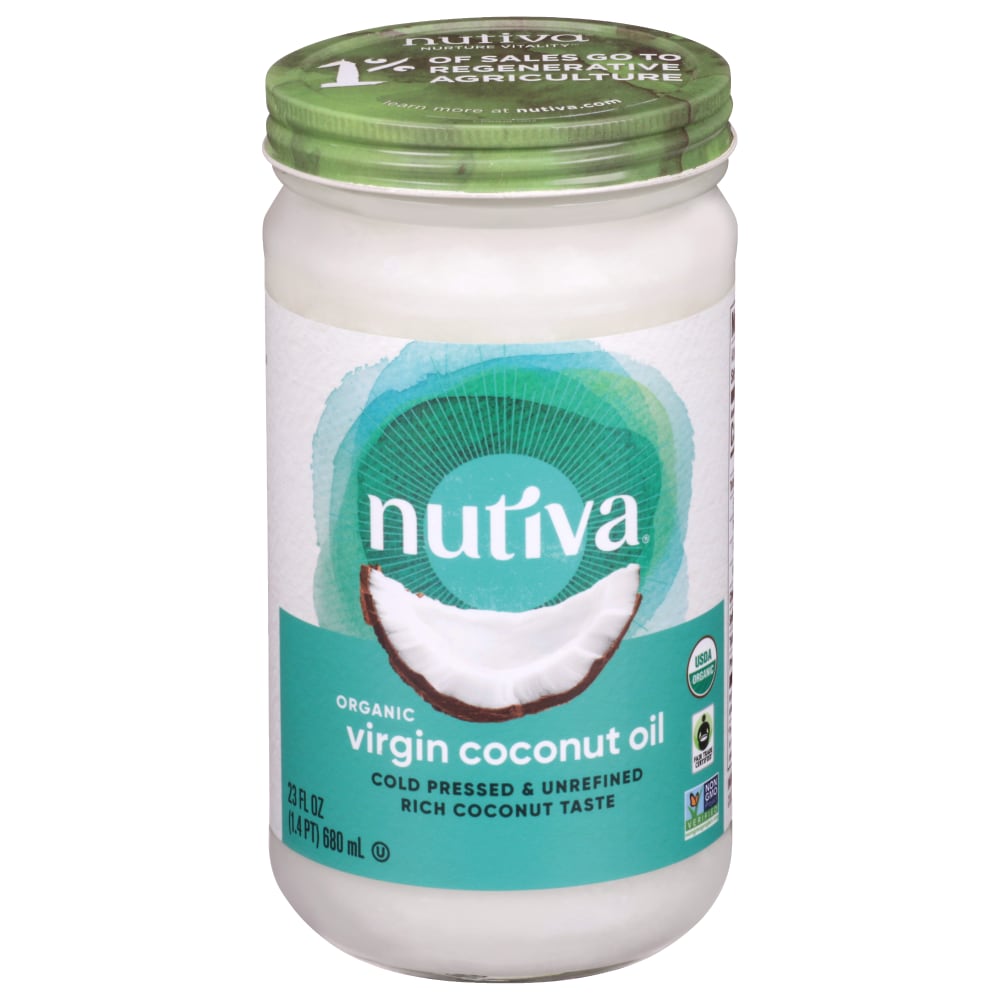
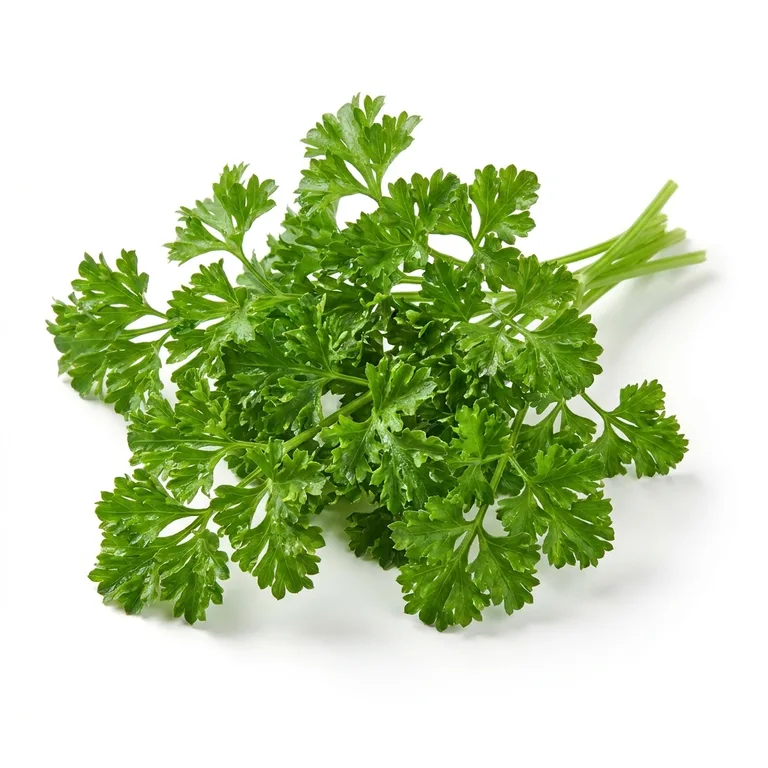
Hearty, colorful, and packed with warming spices, this skillet hash is the kind of breakfast that actually keeps you full until lunch. The homemade pork sausage is seasoned right in the pan with sage, thyme, turmeric, and ginger — no store-bought links or patties needed, which means no mystery additives or emulsifiers hiding in the ingredient list. Sweet potatoes and carrots get a proper sear in coconut oil until their edges caramelize, building the kind of deep, savory-sweet flavor that makes this dish genuinely craveable. Zucchini and onion round out the vegetable mix, and a hit of fresh garlic at the end ties everything together beautifully. Every single ingredient here is a whole food you can recognize, which is exactly what makes this approach so reliable when you're avoiding processed emulsifiers. A cast iron skillet does the heavy lifting, giving you those golden, slightly crispy bits that make hash worth eating in the first place. Finish with a scatter of fresh parsley and you've got a breakfast that looks as good as it tastes.
 About Fig
Fig is a food discovery app that helps you find foods and recipes that fit your dietary needs. Whether you have food allergies, intolerances, or follow a specific diet, Fig makes it easy to eat with confidence.
Learn more →4 servings
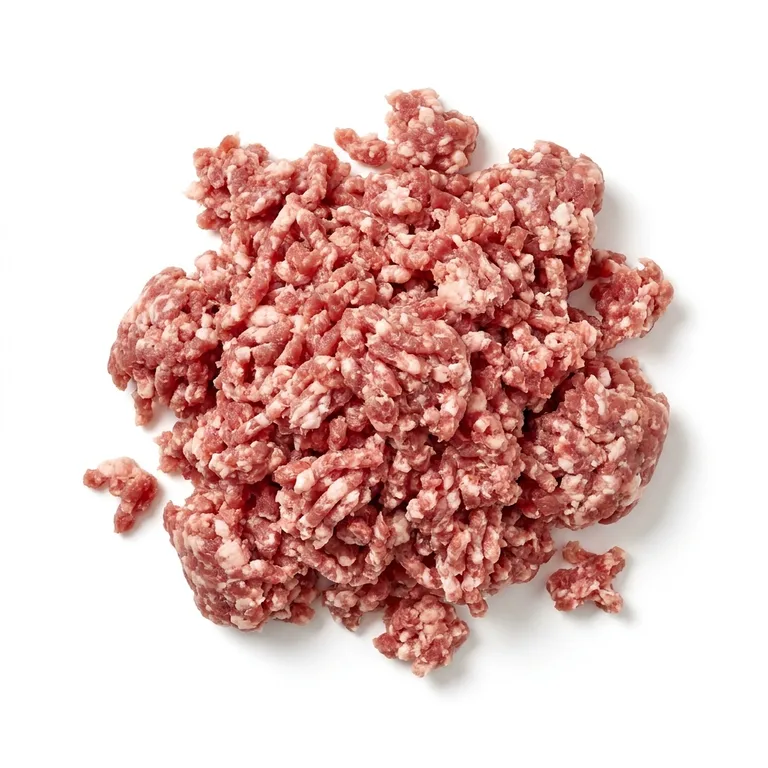
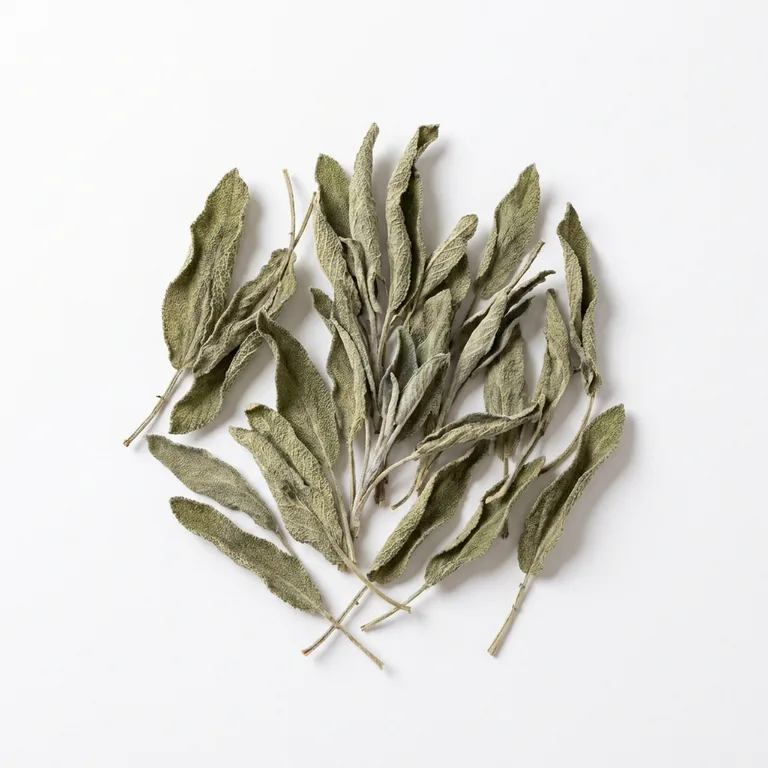
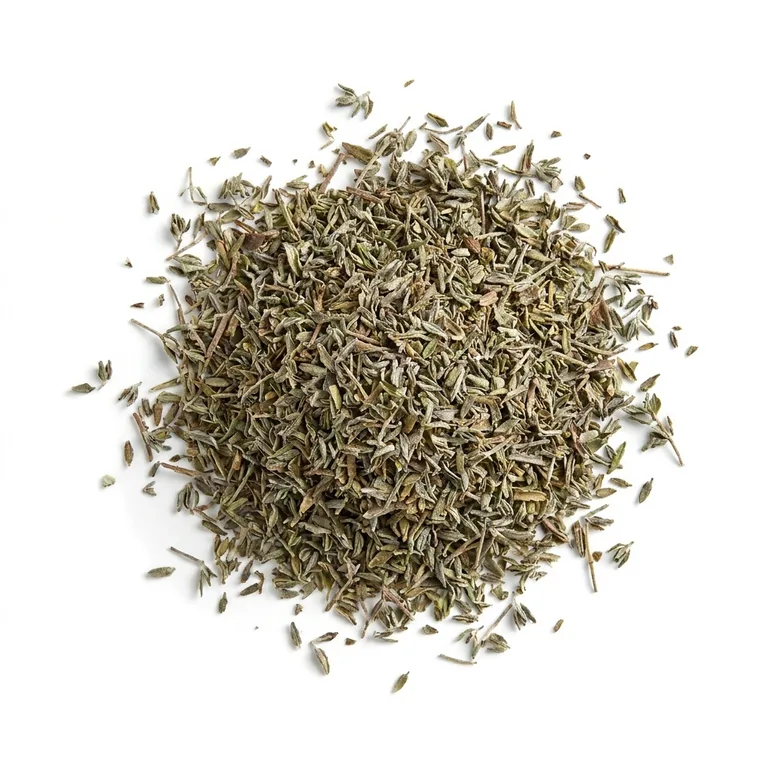
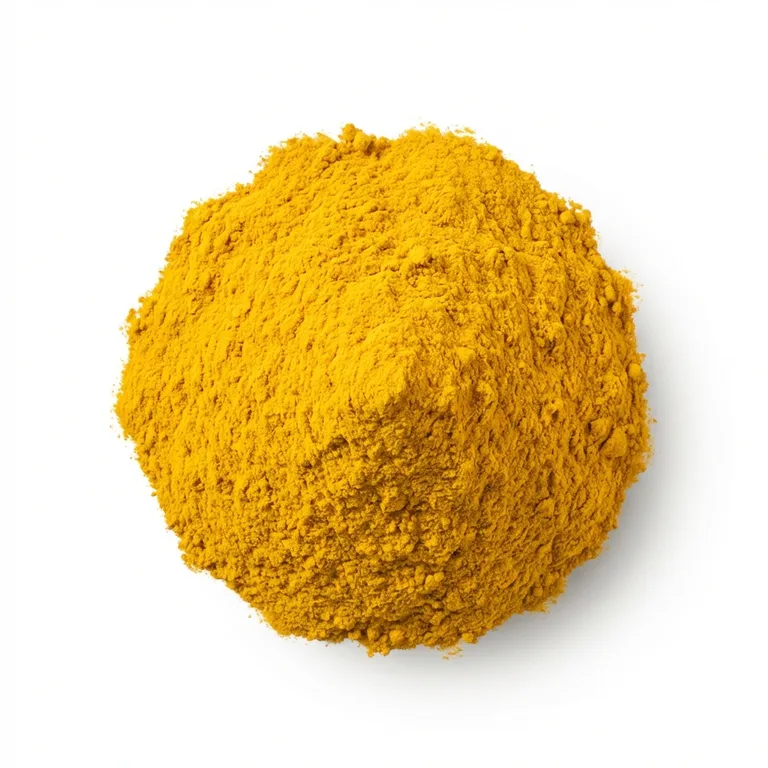
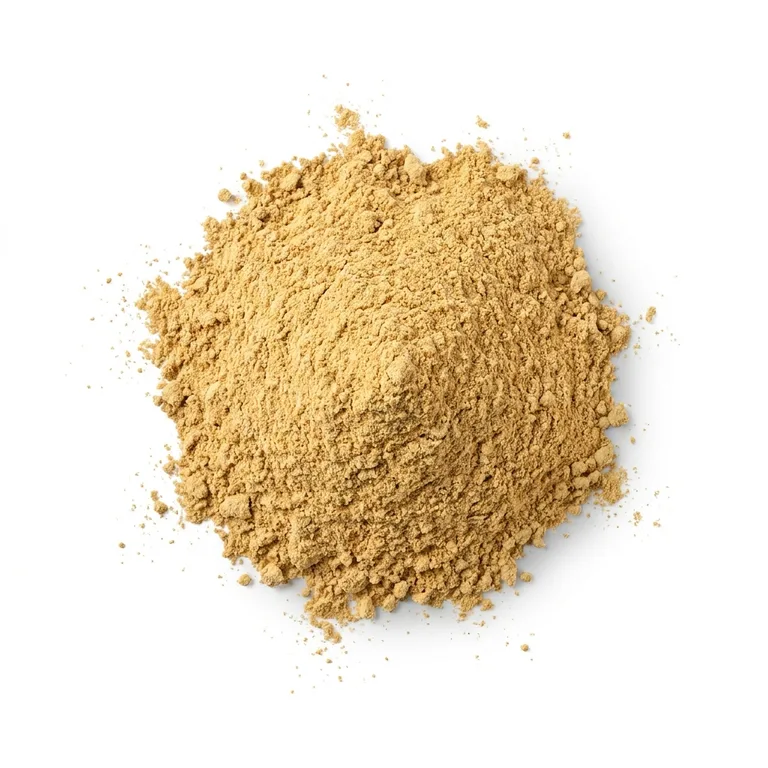
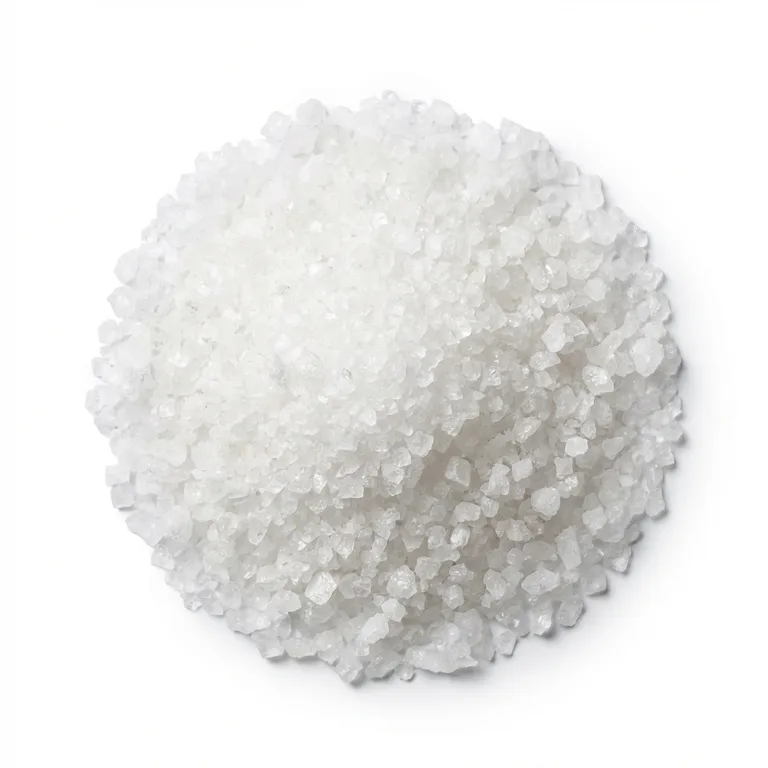
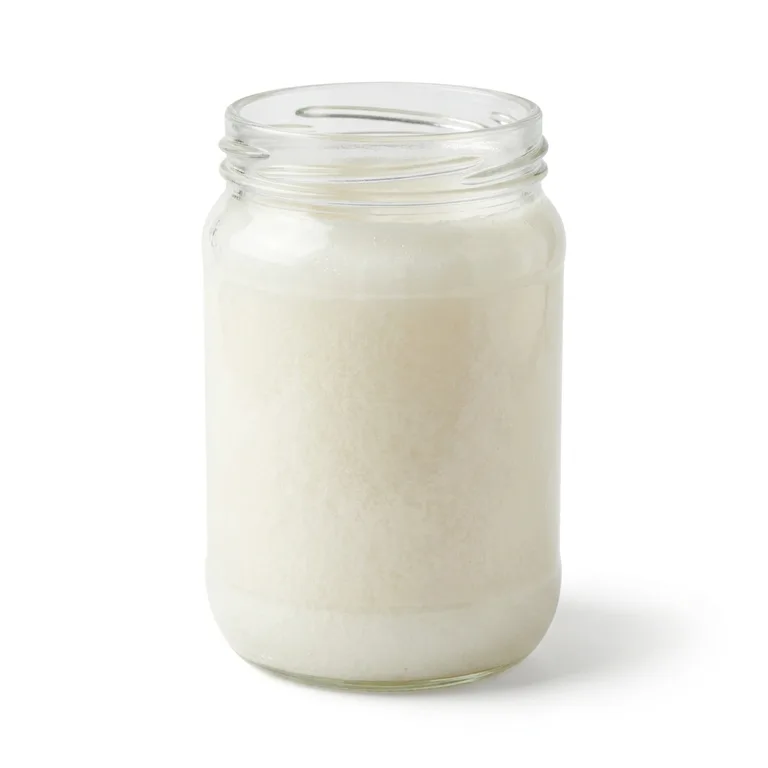

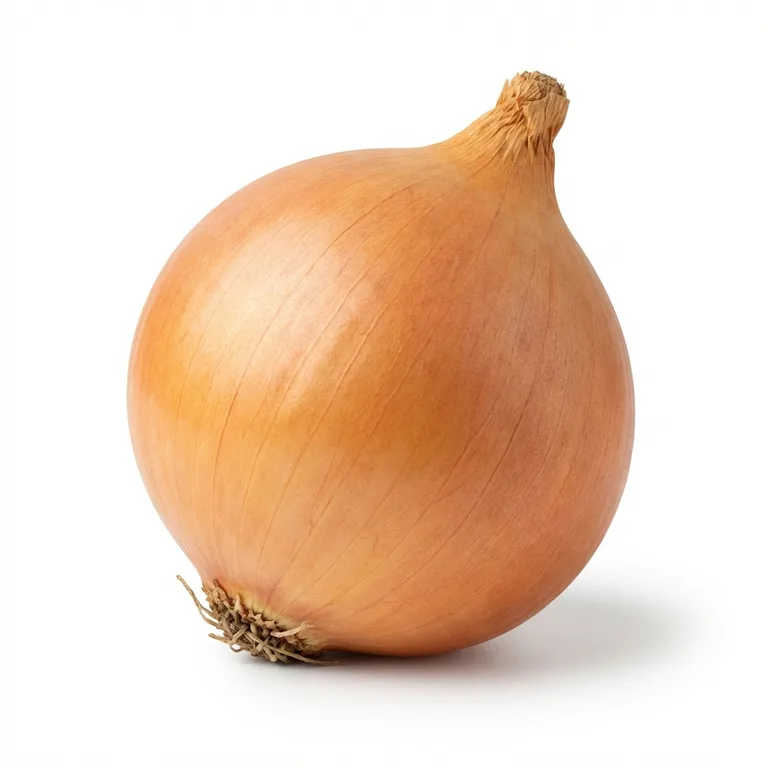

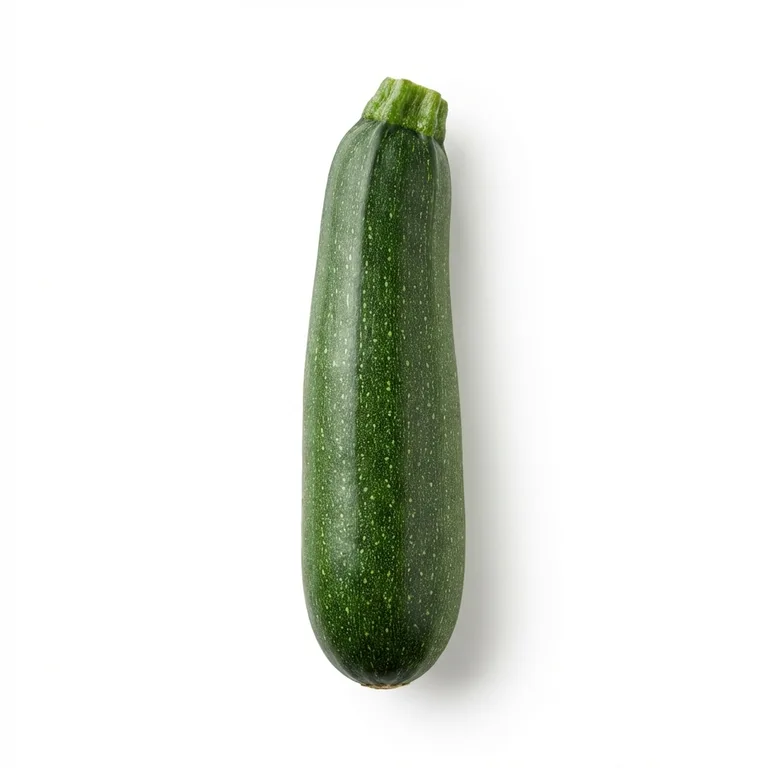
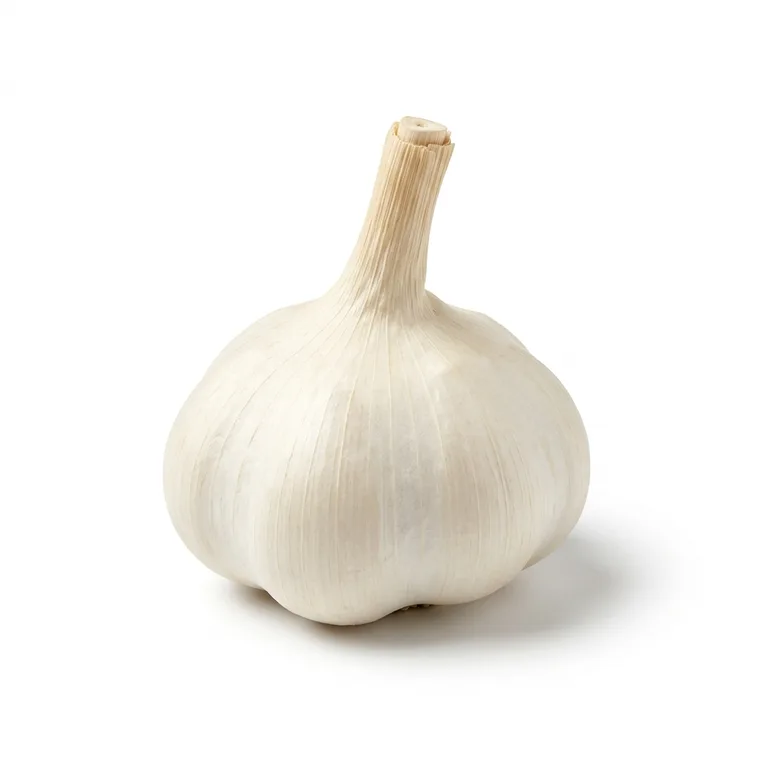
In a large (12-inch) cast iron skillet, heat 1 tbsp of the coconut oil over medium-high heat until shimmering. Add the ground pork, sage, thyme, turmeric, ginger, and 1/2 tsp of the salt. Cook, breaking the meat into small crumbles with a wooden spoon, until the pork is cooked through with no pink remaining and the edges are lightly browned, about 6–8 minutes. Transfer the cooked pork to a plate and set aside, leaving any rendered fat in the skillet.
Add the remaining 1 tbsp coconut oil to the same skillet over medium-high heat. Add the sweet potato and carrot and spread into a single layer. Cook undisturbed for 4–5 minutes until the undersides are golden, then stir and continue cooking until the sweet potato is just tender when pierced with a fork and the edges are caramelized, about 5–6 minutes more.
Create a Fig account for step-by-step instructions, access to our full recipe library, and more!


 (16k)
(16k)