
Interstitial Cystitis Friendly Sweet Potato Salmon Cakes

 About Fig
Fig is a food discovery app that helps you find foods and recipes that fit your dietary needs. Whether you have food allergies, intolerances, or follow a specific diet, Fig makes it easy to eat with confidence.
Learn more →Ingredients
4 servings
For the salmon cakes
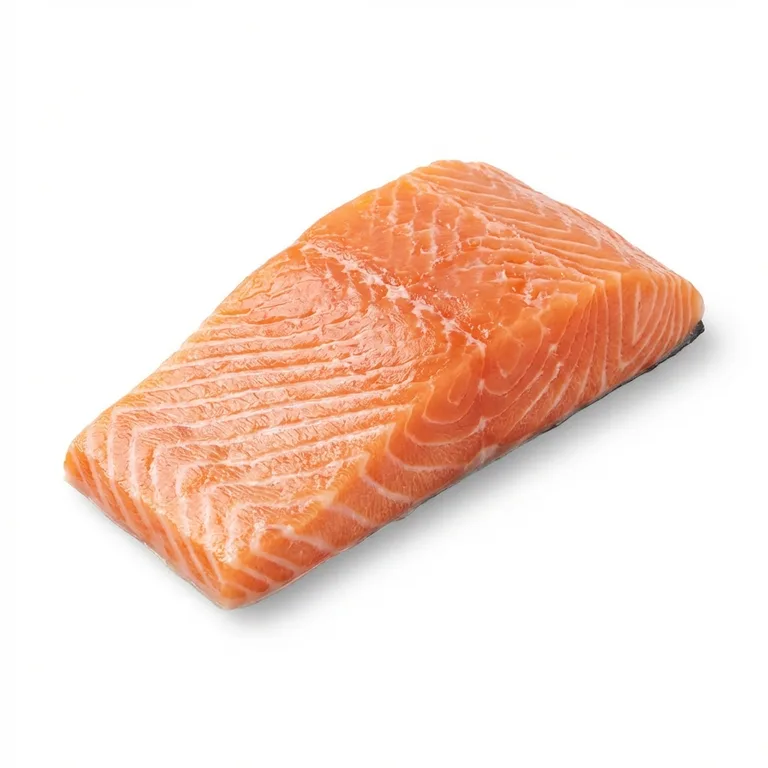
- 1 lb skinless salmon fillet
- 1 cup mashed sweet potato (from about 1 medium sweet potato, cooked and cooled)
- 3 tbsp arrowroot starch
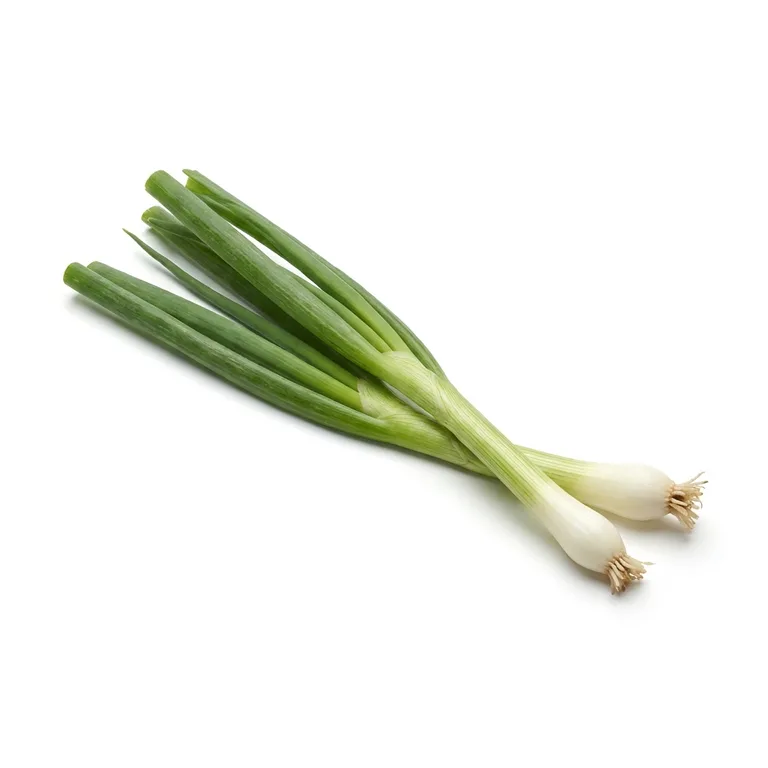
- 3 scallions, thinly sliced (green parts only)
 Ingredient note
Interstitial cystitis flags onions because alliums can irritate a sensitive bladder, but this recipe uses only a small amount of the milder scallion green tops, which is likely fine for most. If you prefer to always avoid scallions, please tap it and change its rating to Red.
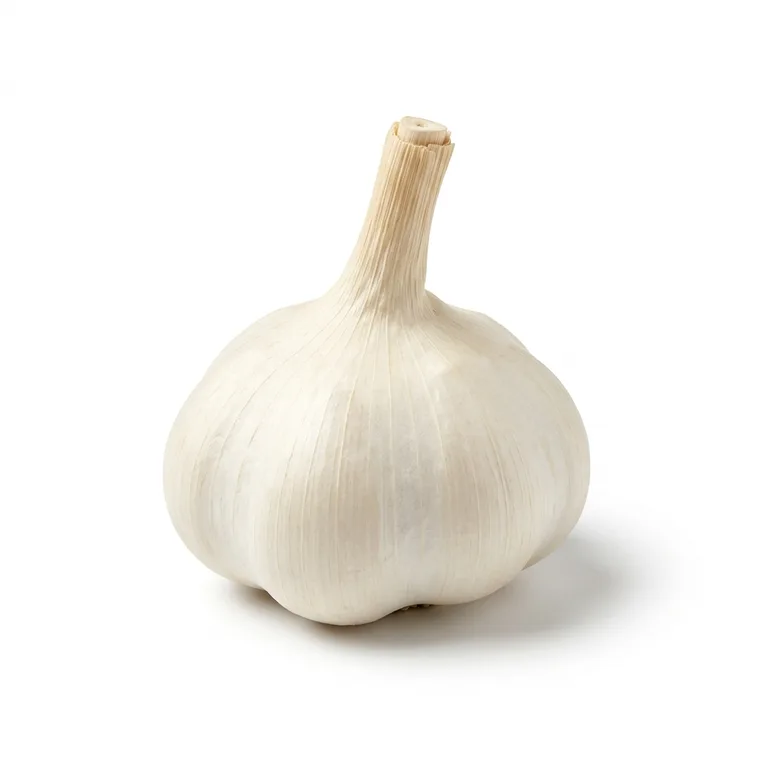
- 2 cloves garlic, minced
- 1 tsp fresh ginger, finely grated
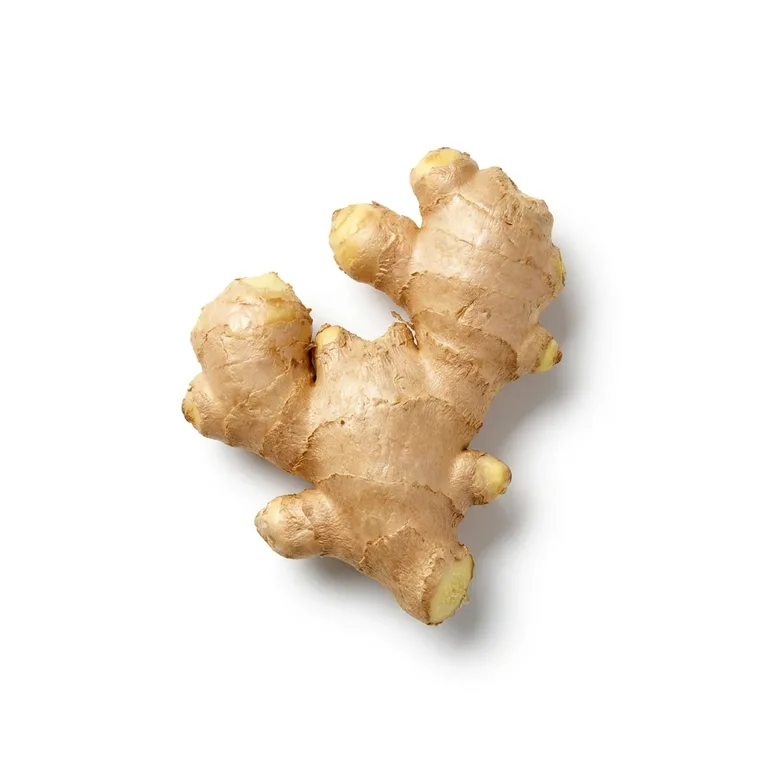 Ingredient note
Fresh ginger is generally considered bladder-friendly, and the small amount in this recipe (~1/2 tsp per serving) is likely fine for many people with interstitial cystitis. If you prefer to always avoid fresh ginger, please tap it and change its rating to Red.
- ½ tsp ground turmeric
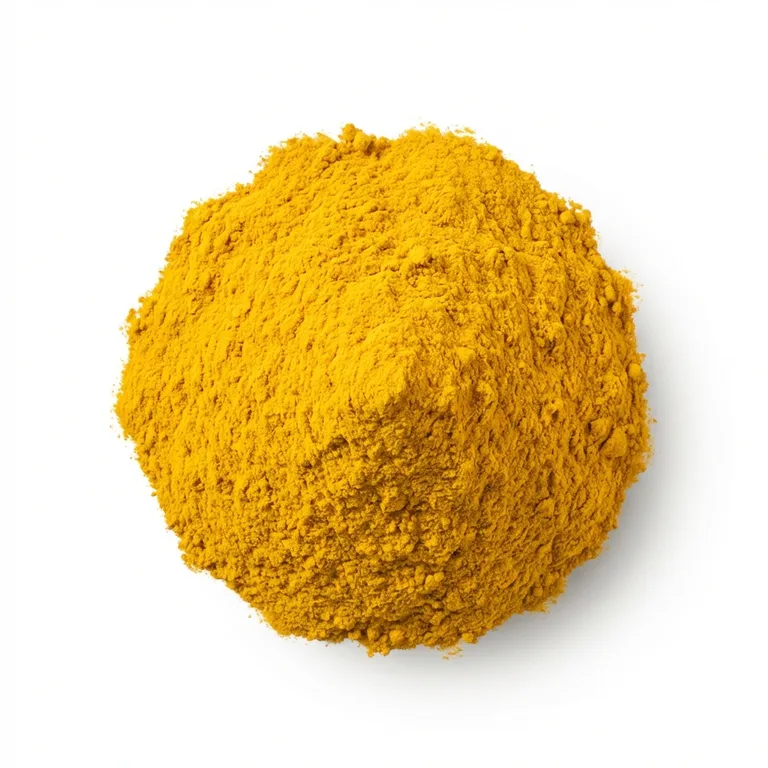 Ingredient note
Turmeric can trigger interstitial cystitis symptoms in some people, but the small amount in this recipe (~1/8 tsp per serving) is likely tolerated by many. If you prefer to always avoid turmeric, please tap it and change its rating to Red.
- 2 tbsp fresh parsley, finely chopped
- 1 tsp apple cider vinegar
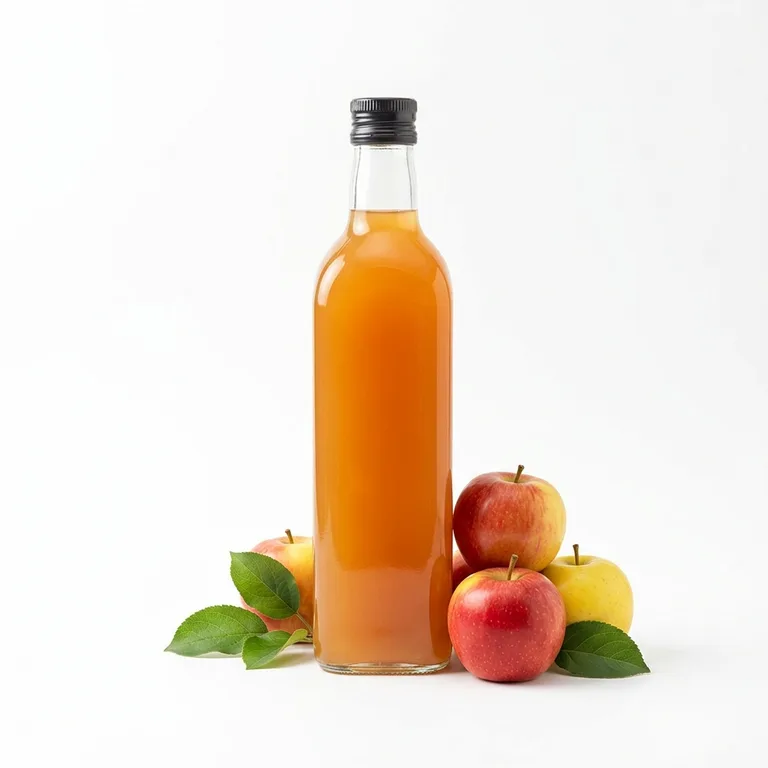
- ¾ tsp fine sea salt
- 2 tbsp coconut oil, divided
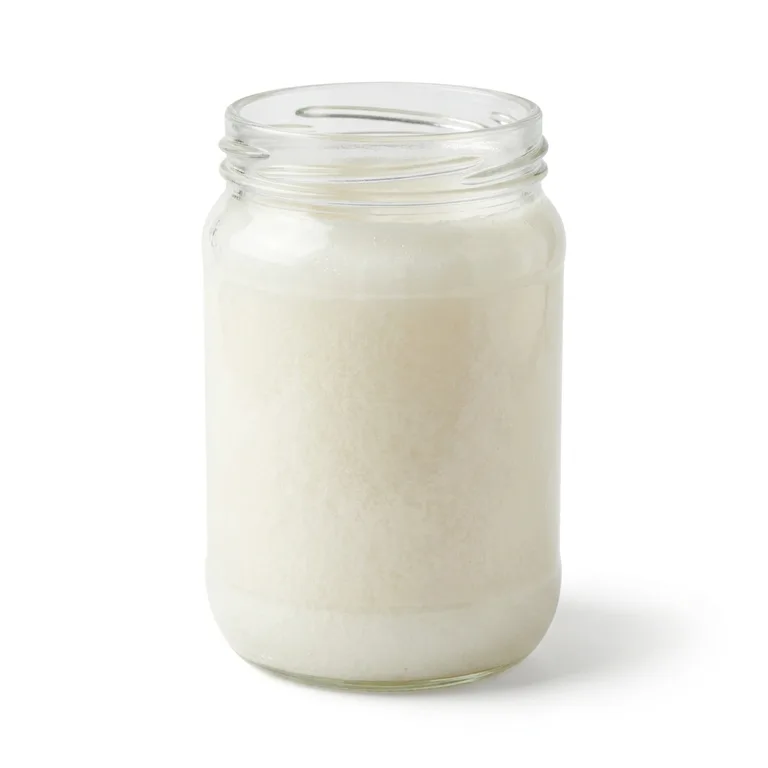
For the dipping sauce
- 3 tbsp apple cider vinegar
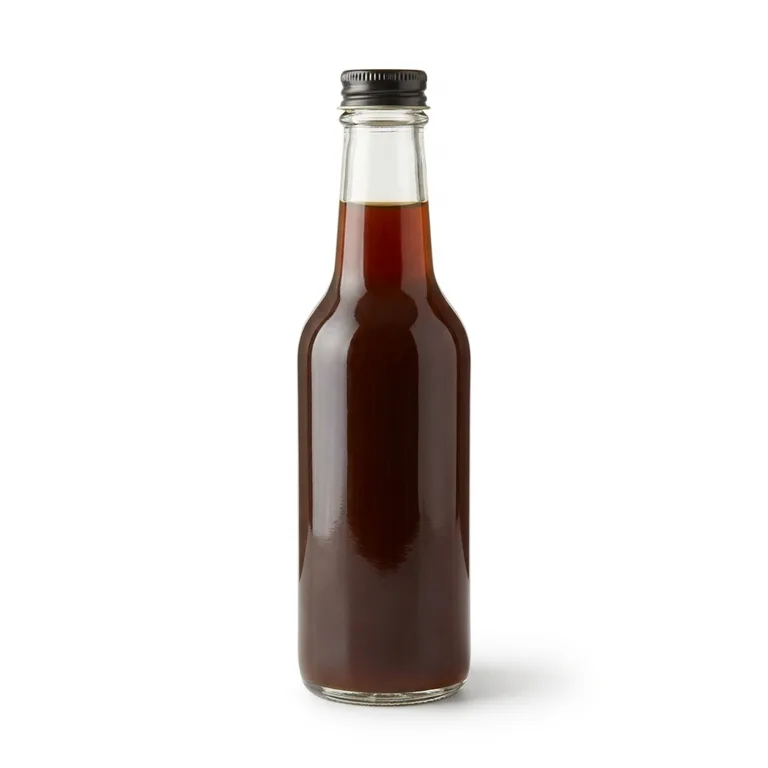
- 2 tbsp coconut aminos
- 1 tsp fresh ginger, finely gratedIngredient note
Fresh ginger is generally considered bladder-friendly, and the small amount in this recipe (~1/2 tsp per serving) is likely fine for many people with interstitial cystitis. If you prefer to always avoid fresh ginger, please tap it and change its rating to Red.
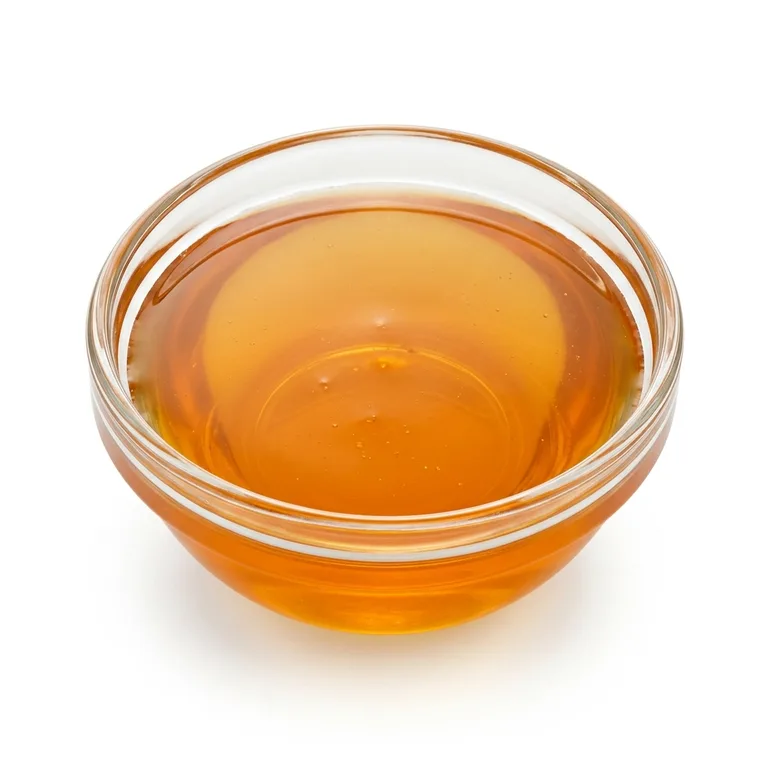
- 1 tsp honey
For serving
- 2 tbsp fresh cilantro, roughly chopped (optional)Can be omitted
fresh cilantro
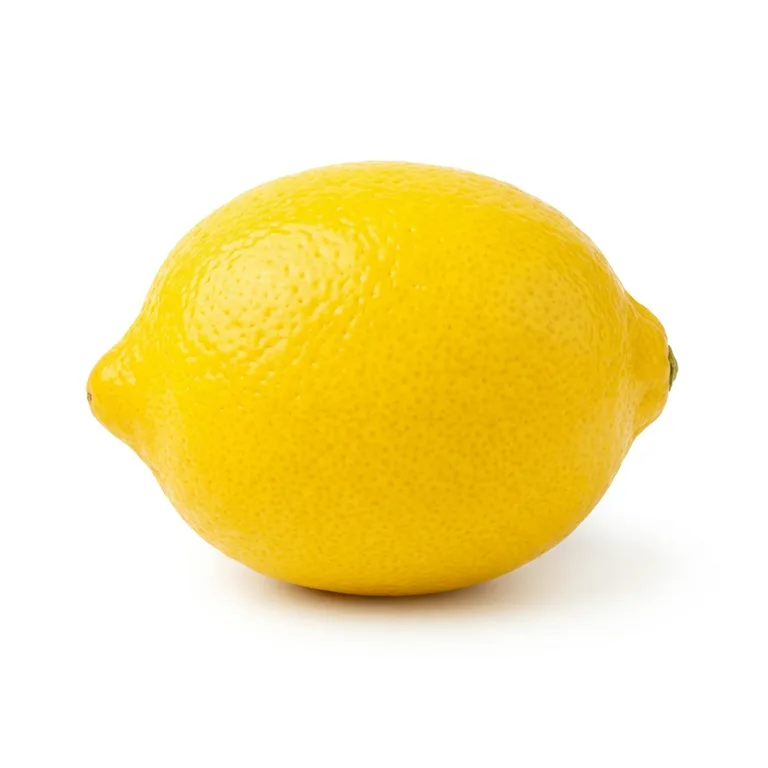
- 1 lemon, cut into wedges (optional)
 Can be omitted
lemon
Instructions
- 1
Preheat the oven to 400°F (205°C). Pierce the sweet potato a few times with a fork, place it on a parchment-lined baking sheet, and roast for 45–50 minutes until completely tender when pierced with a knife. Let it cool, then scoop out 1 cup of flesh and mash until smooth. Set aside to cool completely.
- 2
Pat the salmon fillet dry and cut it into rough 1-inch chunks. Working in two batches, pulse the salmon in a food processor 4–5 times until coarsely chopped — the mixture should look like a rough mince with some larger pieces visible, not a smooth paste. Transfer to a large mixing bowl.
Want the full recipe?
Create a Fig account for step-by-step instructions, access to our full recipe library, and more!