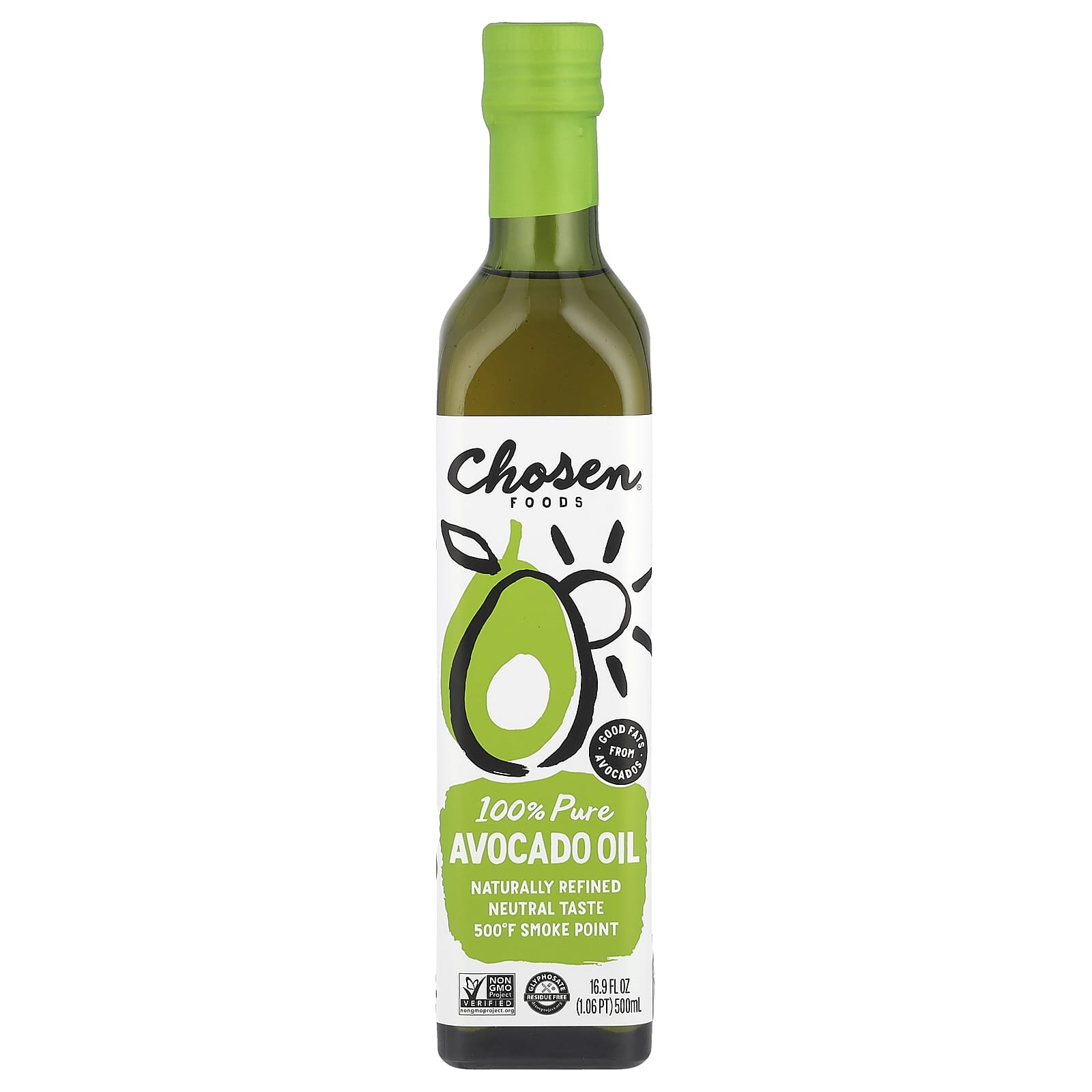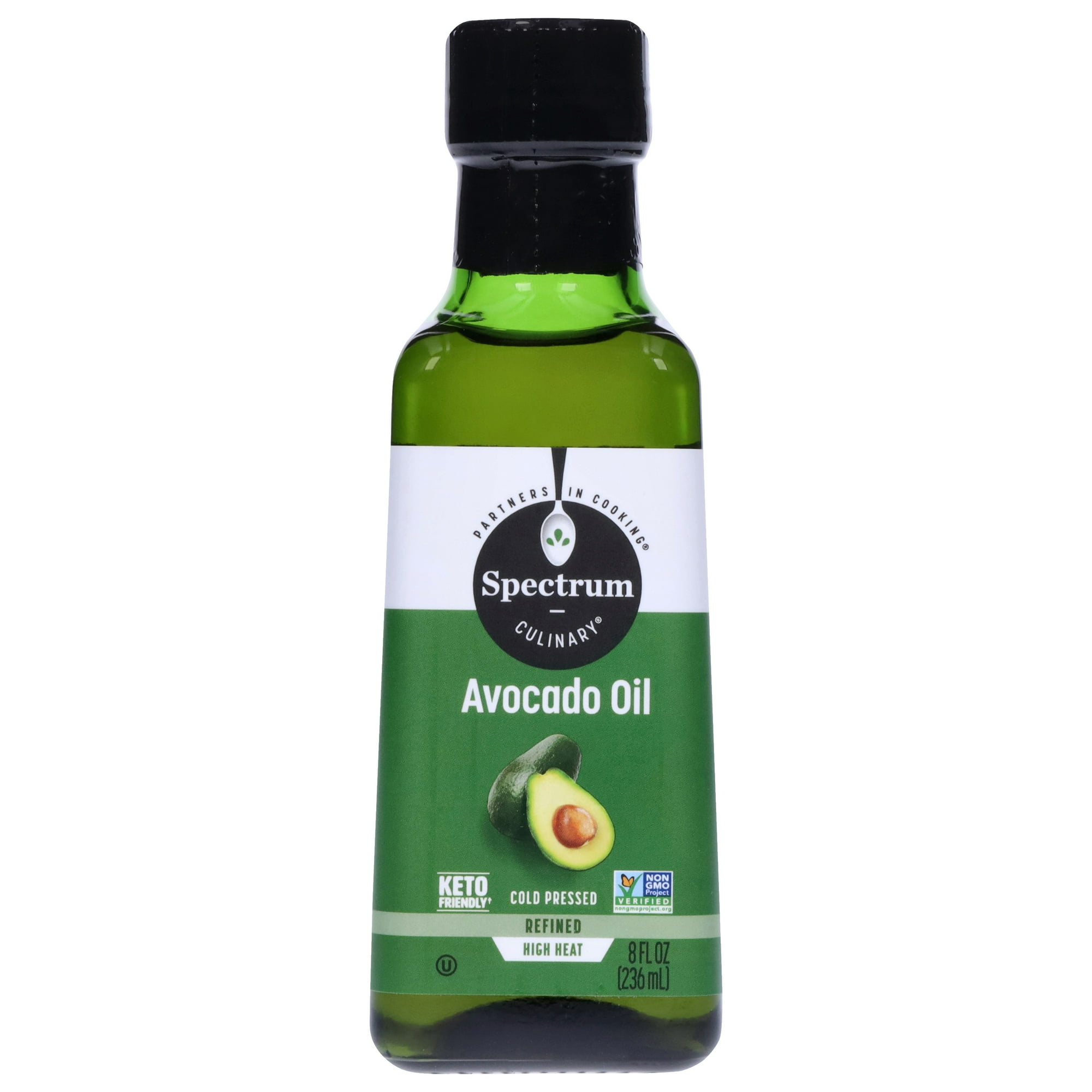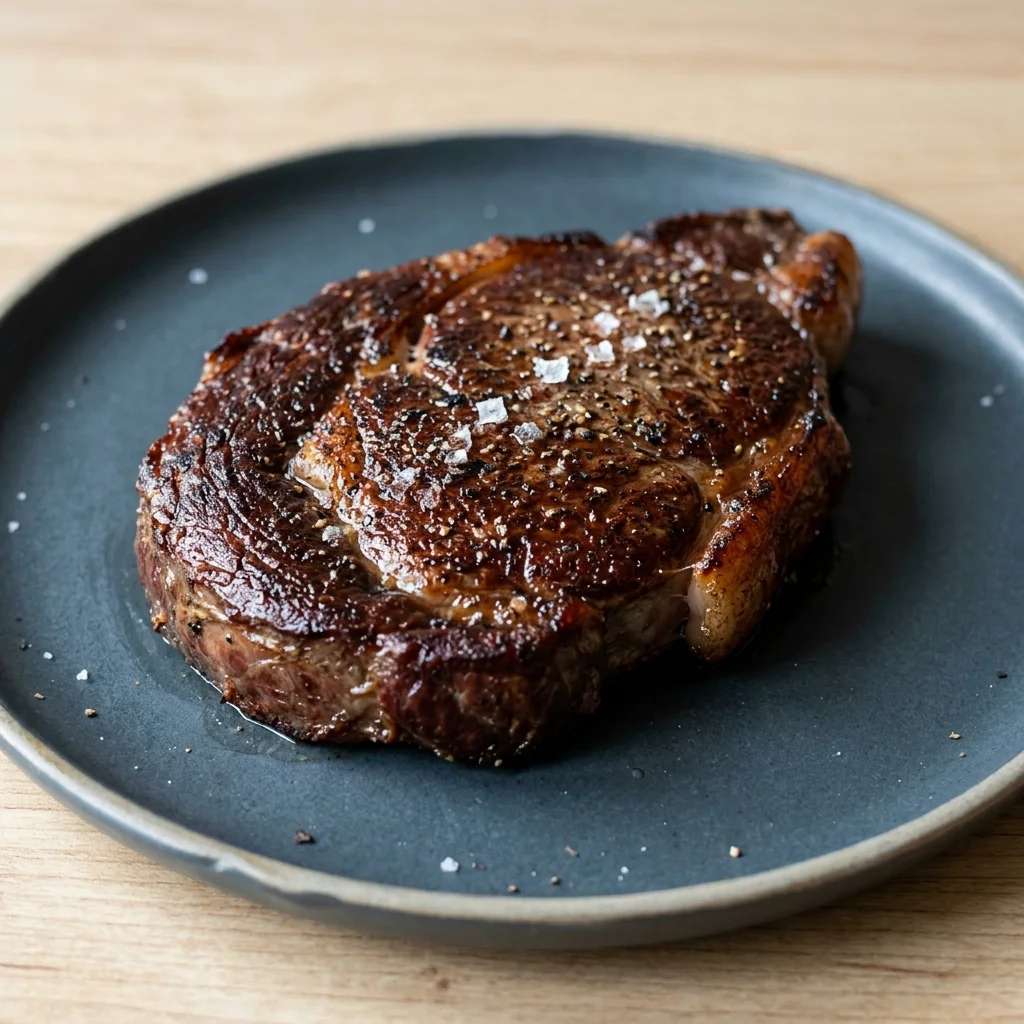
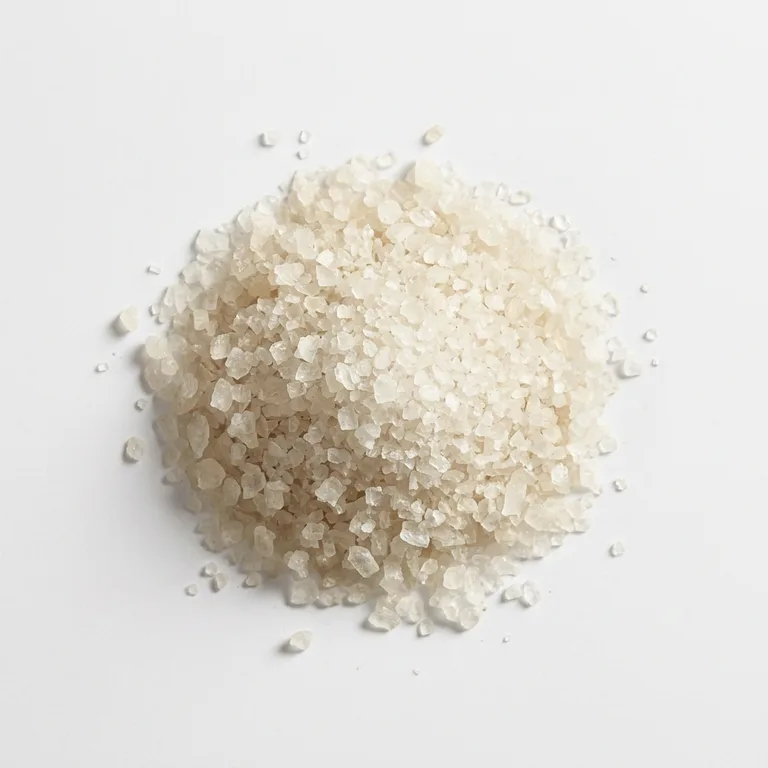
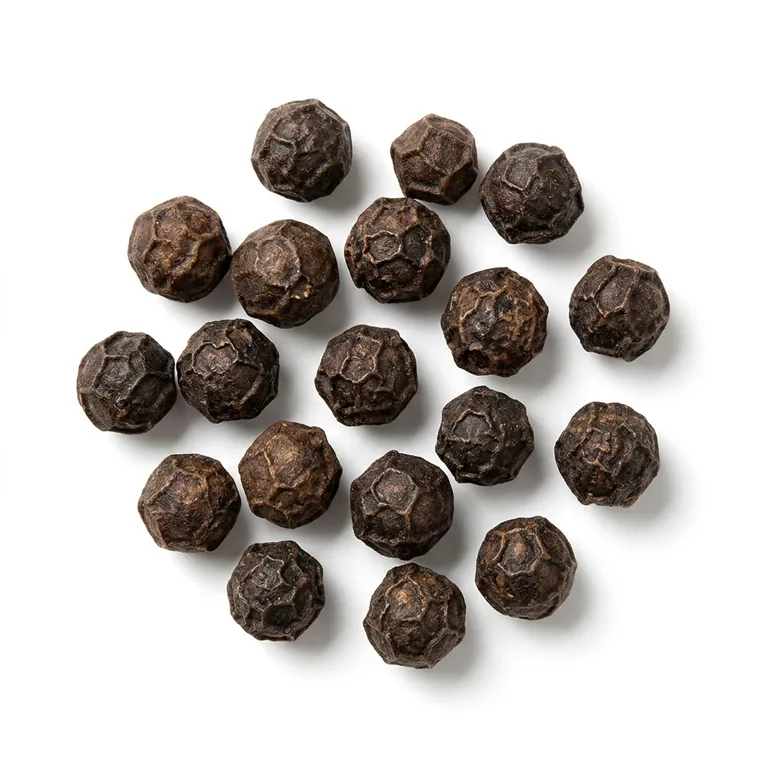
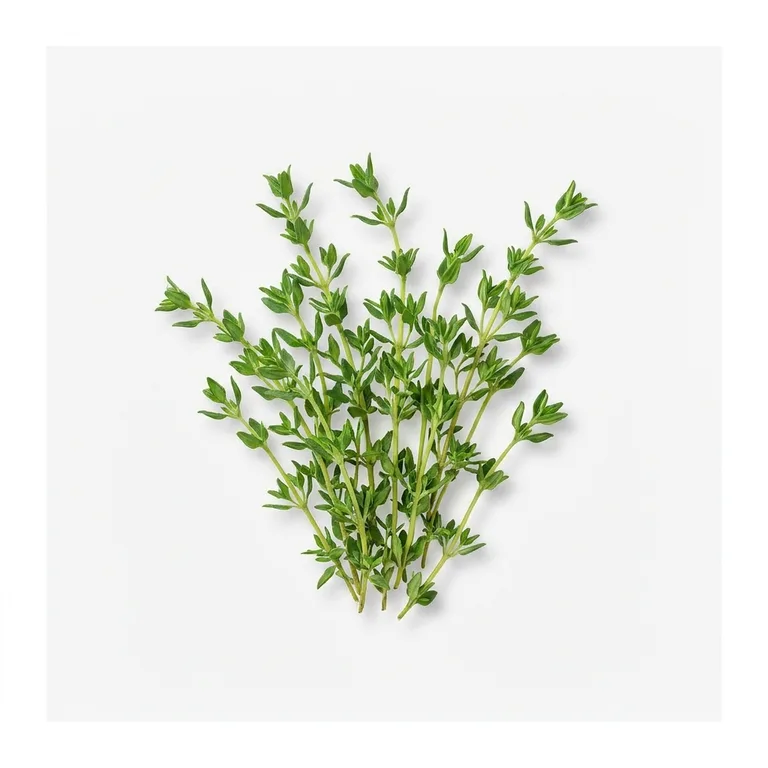
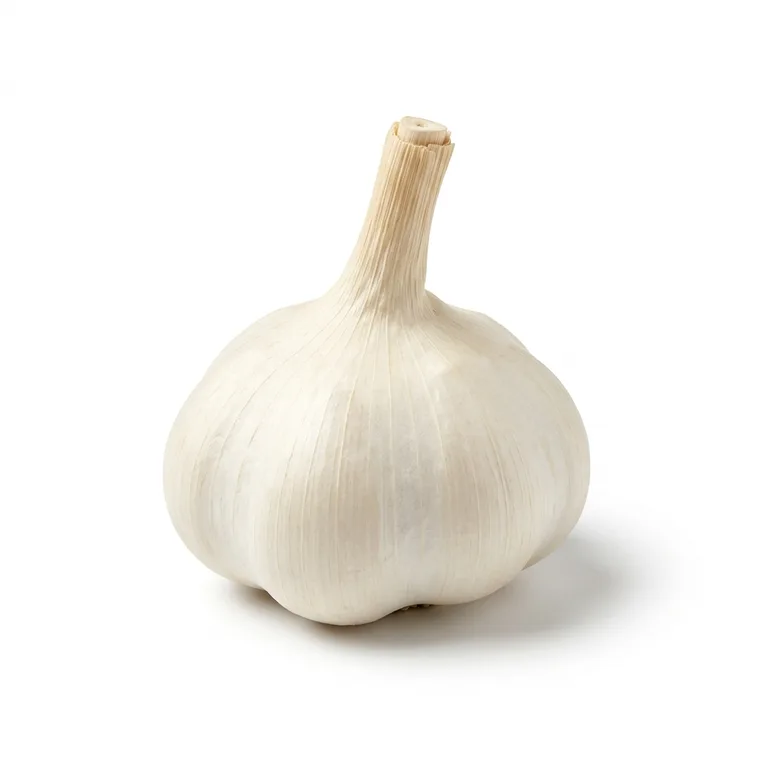
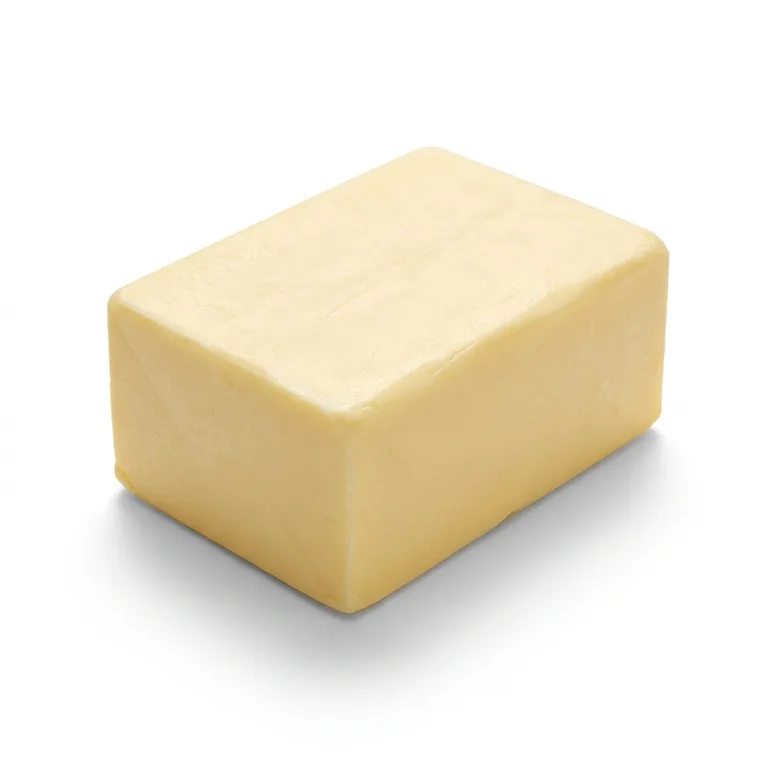
Sous vide steak is one of those techniques that genuinely changes how you think about cooking beef at home — precise temperature control means every bite is edge-to-edge medium-rare, never overcooked in the middle and grey at the edges. The ribeyes spend time in a warm water bath with fresh thyme and crushed garlic, slowly coming up to exactly the right temperature before they ever touch a pan. That final sear in a screaming-hot cast iron skillet is where the magic happens, building a deep mahogany crust in under two minutes while butter basting adds richness and gloss. Because this recipe relies entirely on whole, straightforward ingredients — steak, salt, pepper, butter, a neutral oil, and fresh aromatics — there's no guesswork about what's hiding in a sauce packet or a marinade blend. Tree nut concerns can be surprisingly easy to overlook in restaurant-style steak preparations, where compound butters or finishing oils sometimes sneak in unexpected ingredients, but here every component is visible and intentional. A finishing pinch of flaky sea salt right before serving pulls the whole thing together and makes it feel genuinely restaurant-worthy. This is the kind of recipe you'll want to make for a dinner party and then quietly take all the credit for.
 About Fig
Fig is a food discovery app that helps you find foods and recipes that fit your dietary needs. Whether you have food allergies, intolerances, or follow a specific diet, Fig makes it easy to eat with confidence.
Learn more →2 servings
Attach the sous vide immersion circulator to a large pot or container and preheat the water to 130°F (54°C) for medium-rare.
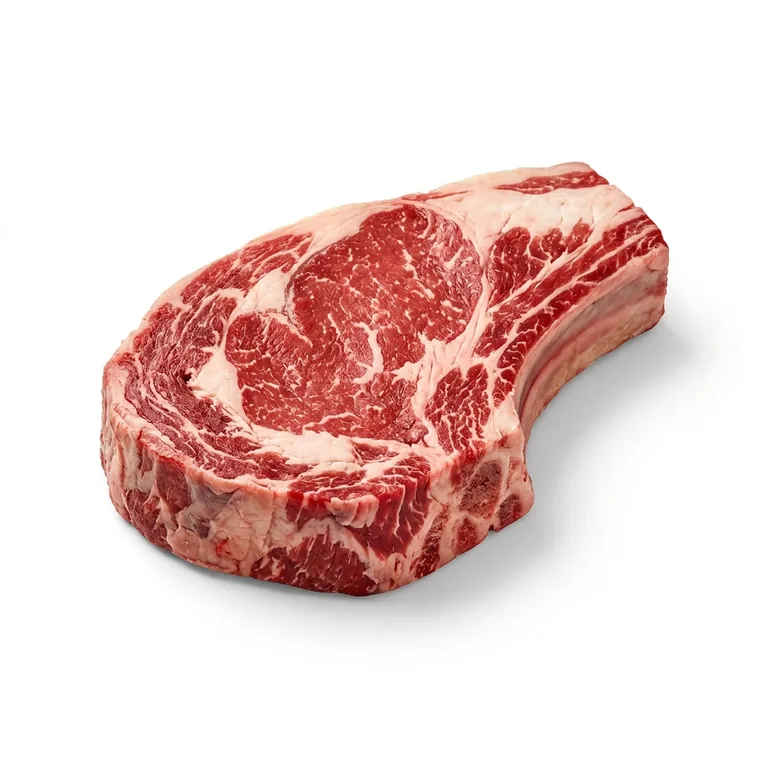
Pat the steaks completely dry with paper towels, then season all over with the kosher salt and black pepper. Place each steak in a separate vacuum-seal bag or heavy-duty zip-lock bag with 2 thyme sprigs and 1 crushed garlic clove. Seal using a vacuum sealer, or use the water-displacement method for zip-lock bags: lower the bag slowly into the water bath, letting the water pressure push out the air, then seal the top just before it submerges.
Create a Fig account for step-by-step instructions, access to our full recipe library, and more!


 (16k)
(16k)