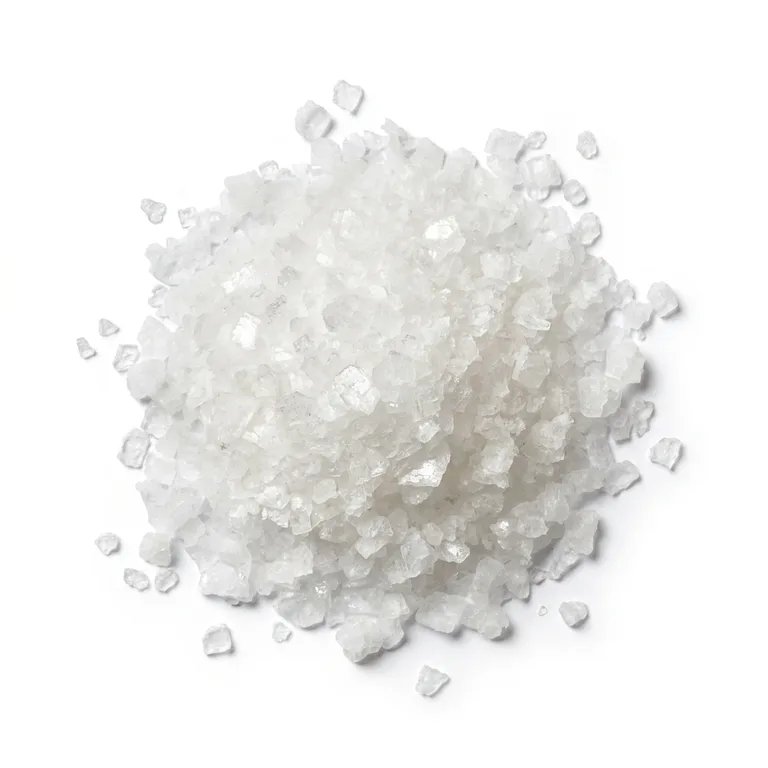
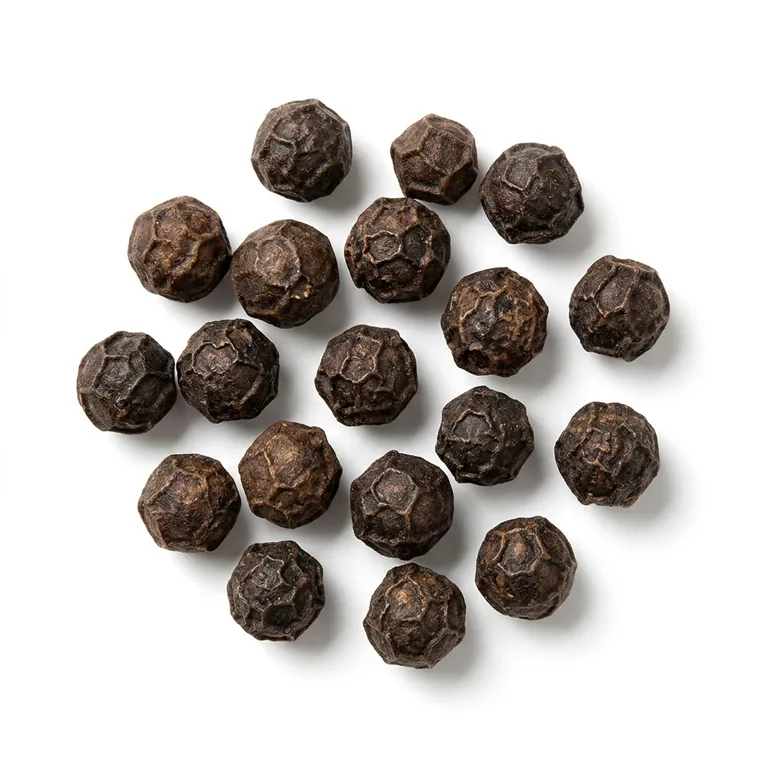
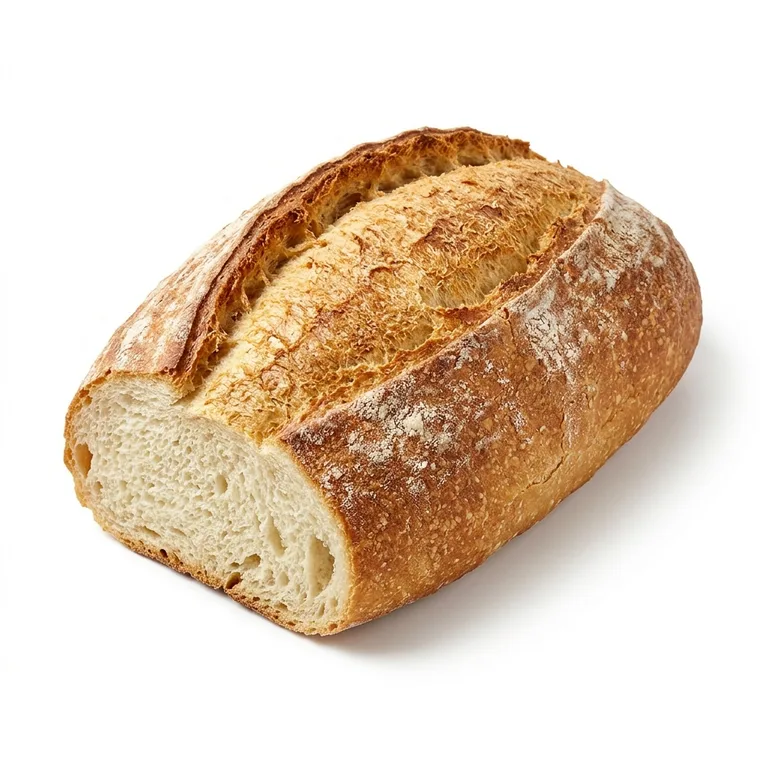
Eggs cooked this way are genuinely something special — the whites come out just set and silky, while the yolks stay thick, warm, and almost custardy in the middle. That texture is nearly impossible to nail consistently on the stovetop, but the immersion circulator takes all the guesswork out of it. The ingredient list is about as clean as it gets: eggs, salt, pepper, and optionally some toast and butter for serving. There are no flour-based thickeners, no legume derivatives, and nothing hiding in a sauce or seasoning blend — just real, whole ingredients doing exactly what they're supposed to do. For anyone navigating lupin restrictions, that kind of transparency is genuinely refreshing, since lupin flour has a way of sneaking into baked goods and processed foods without much fanfare. Pile these onto buttered toast for a simple but deeply satisfying meal, or serve them on their own as a protein-packed snack. Once you try eggs made this way, it's hard to go back to any other method.
 About Fig
Fig is a food discovery app that helps you find foods and recipes that fit your dietary needs. Whether you have food allergies, intolerances, or follow a specific diet, Fig makes it easy to eat with confidence.
Learn more →4 servings


Fill a large pot or container with water and attach the immersion circulator. Set the temperature to 167°F (75°C) and allow the water to come fully up to temperature.
Gently lower the eggs (still in their shells) into the water bath using a slotted spoon. Cook for 13 minutes — at this time and temperature the whites will be just set and opaque throughout, and the yolks will be warm, thick, and jammy.
Create a Fig account for step-by-step instructions, access to our full recipe library, and more!


 (16k)
(16k)