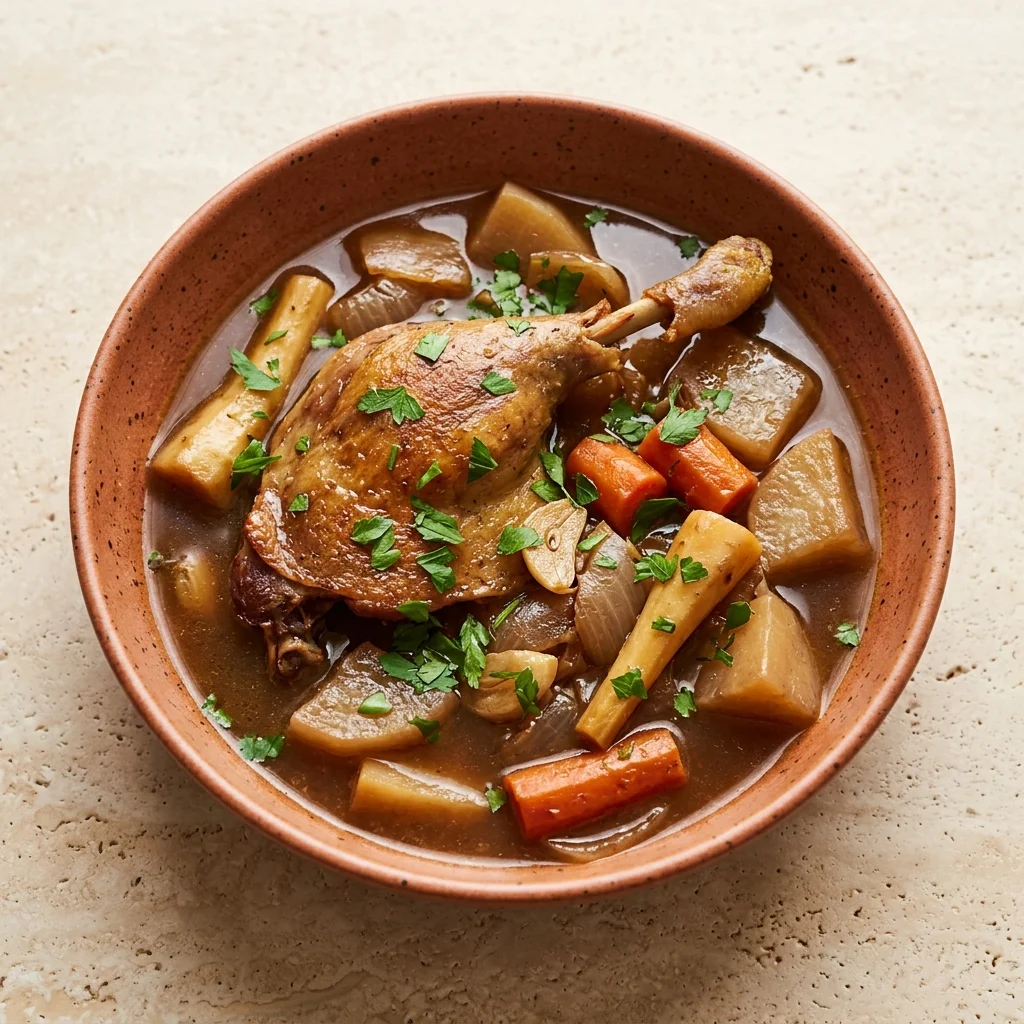
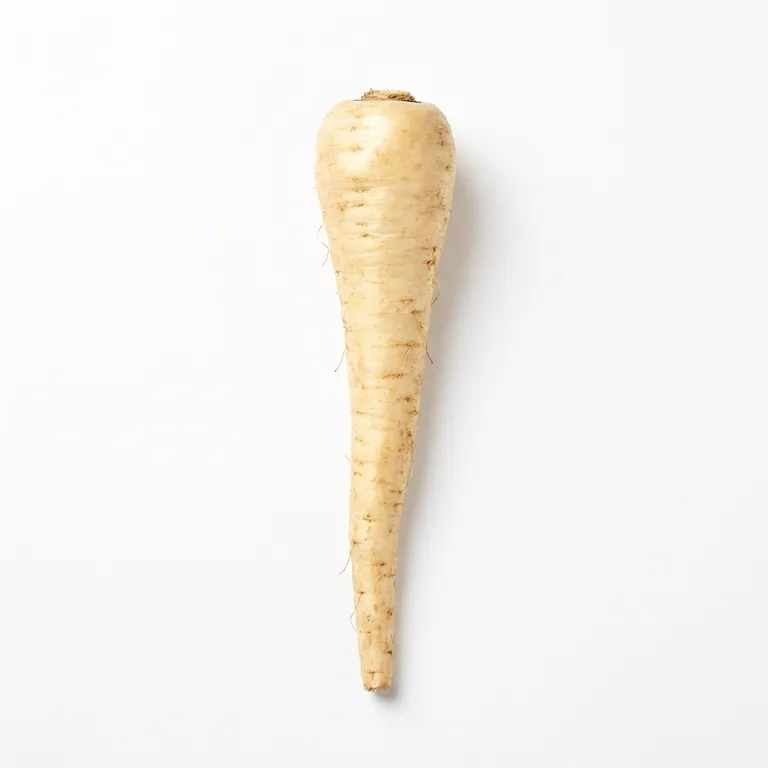
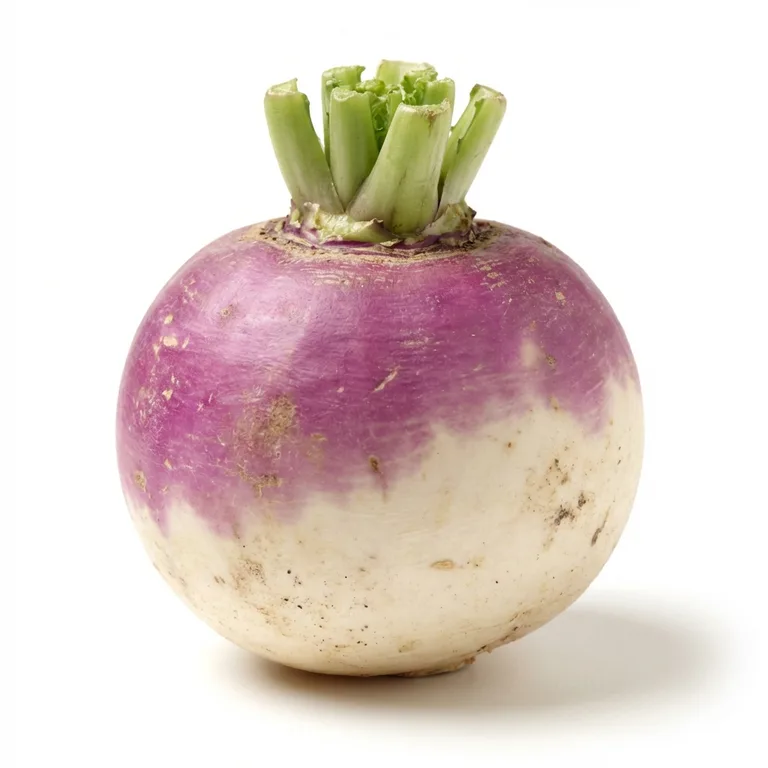
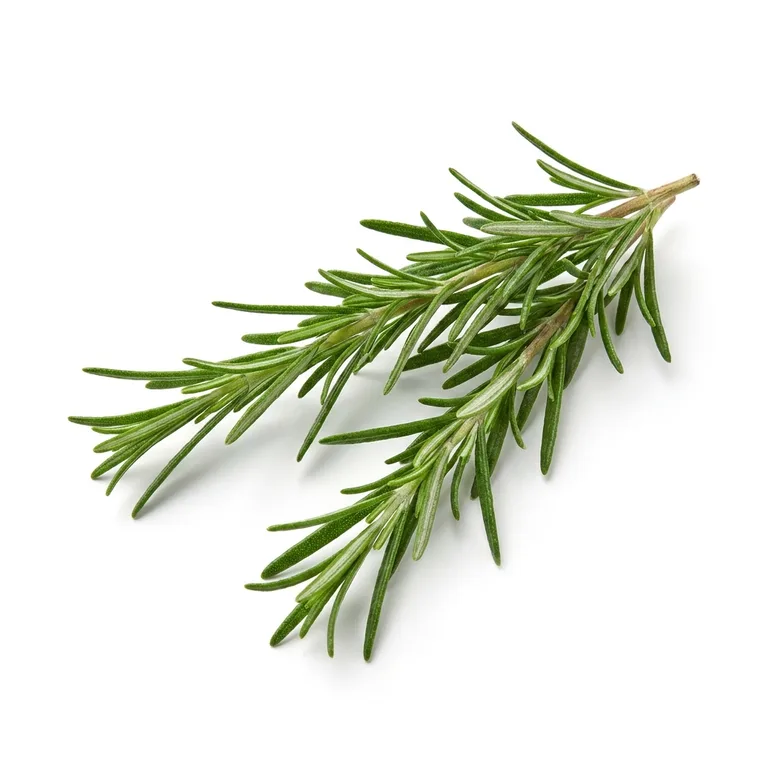
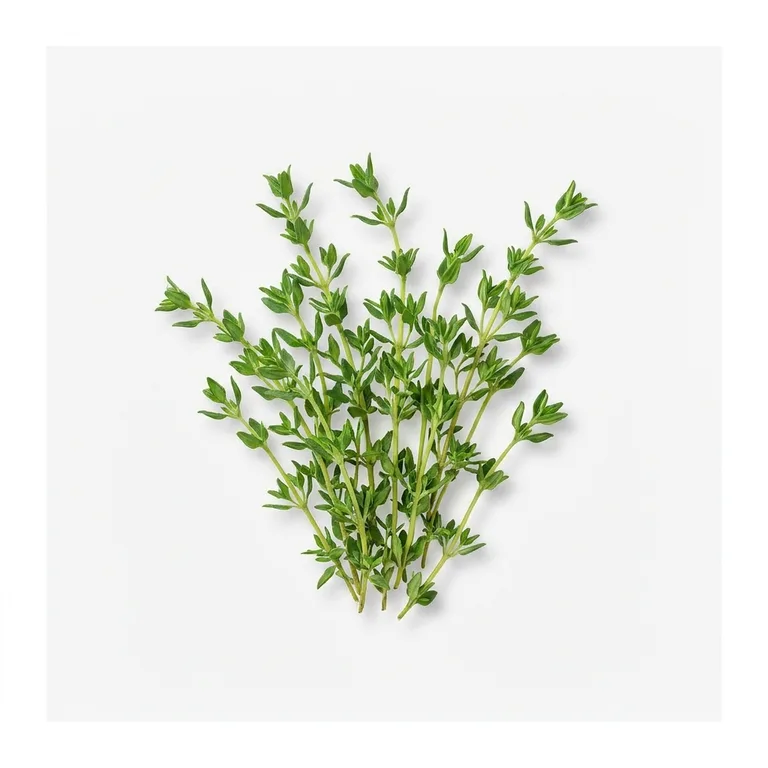
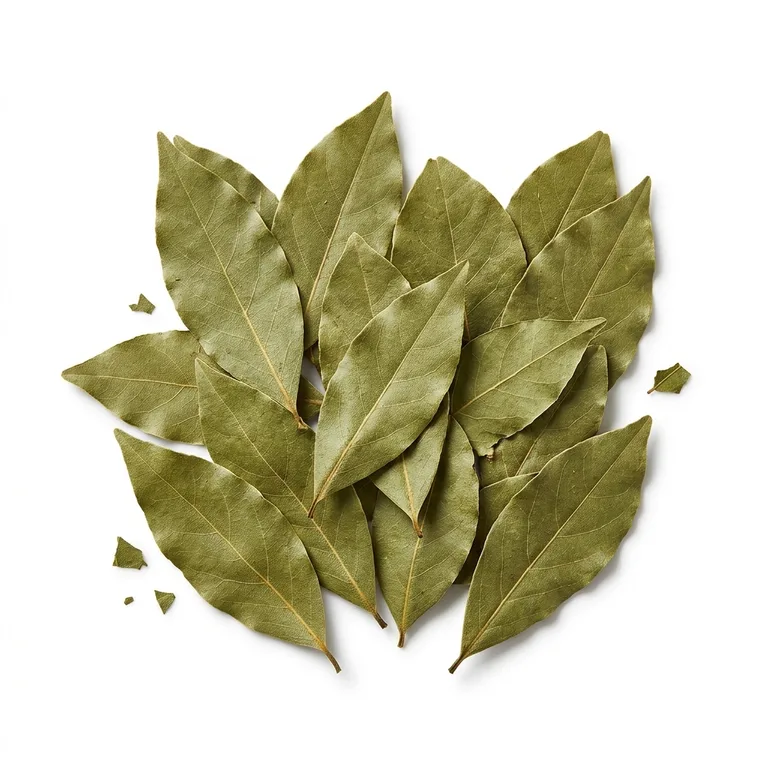
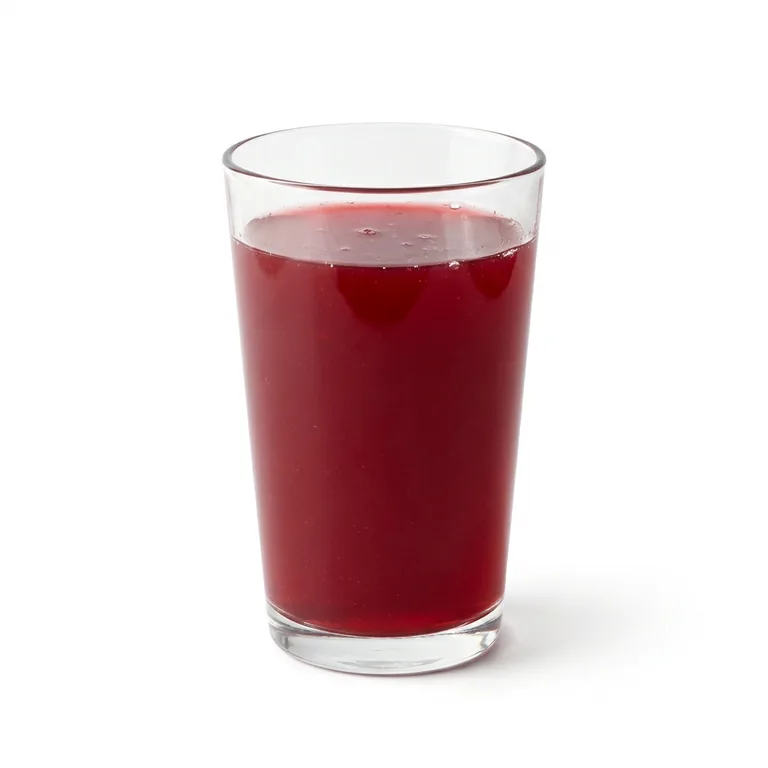
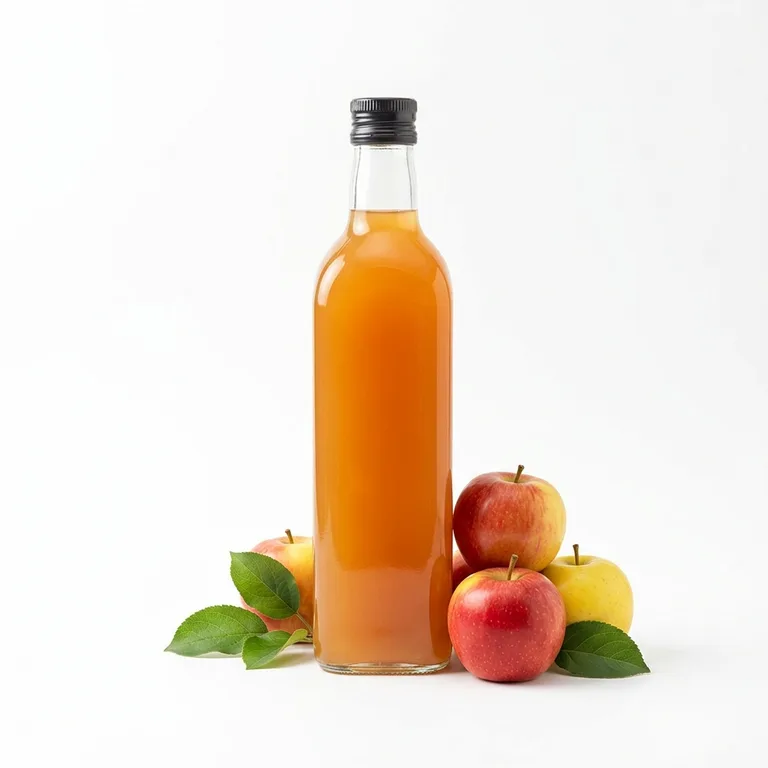
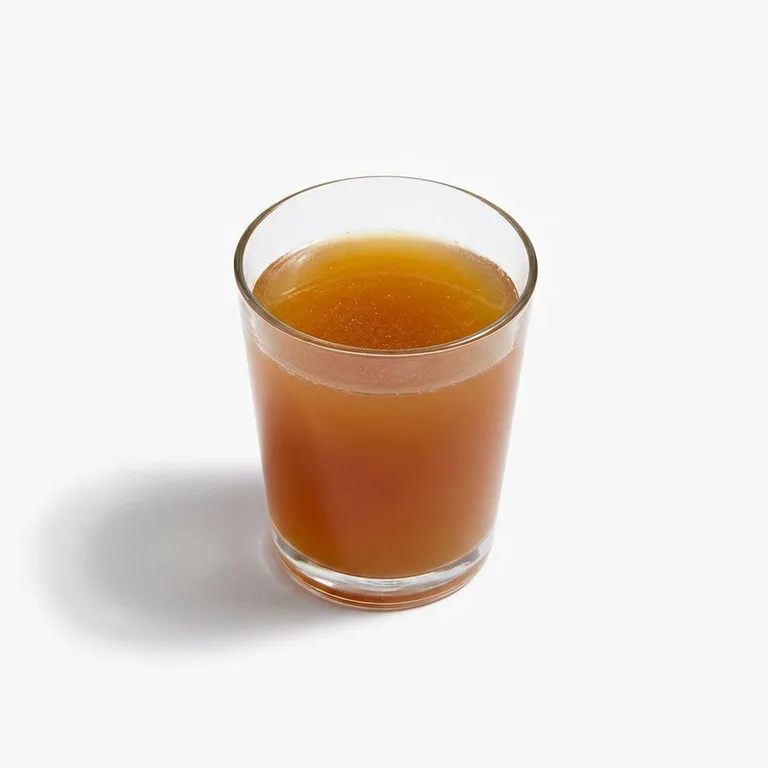
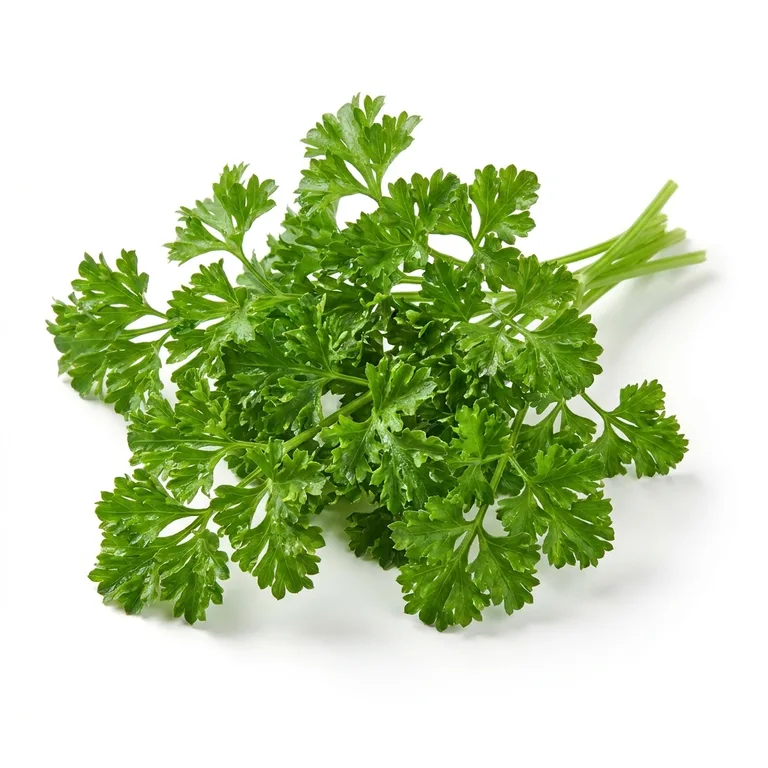
Rich, deeply savory, and built entirely from whole ingredients, this braised duck stew is the kind of cold-weather cooking that feels genuinely special. Duck legs are seared until the skin turns a deep, crackling gold, then slow-braised with carrots, parsnips, and turnips until the meat is falling-off-the-bone tender — the sort of result that makes a Dutch oven feel like the best investment you ever made. A splash of pomegranate juice and apple cider vinegar lifts the braising liquid into something bright and complex, balanced by earthy rosemary, thyme, and bay. For anyone navigating iodine restrictions, this recipe is a natural fit: every ingredient is a straightforward whole food, free from the iodized salt, processed broths, and packaged seasonings that can make hearty stews tricky to navigate. The seasoning comes from fine sea salt — which is typically non-iodized — along with turmeric, ginger, and fresh herbs, so the flavor is bold without any guesswork. Bone broth and coconut oil keep things rich and satisfying without leaning on dairy or any ingredient that raises red flags. Finish each bowl with a scatter of fresh parsley and you have a restaurant-worthy dinner that works hard for your dietary needs without tasting like it's trying.
 About Fig
Fig is a food discovery app that helps you find foods and recipes that fit your dietary needs. Whether you have food allergies, intolerances, or follow a specific diet, Fig makes it easy to eat with confidence.
Learn more →4 servings
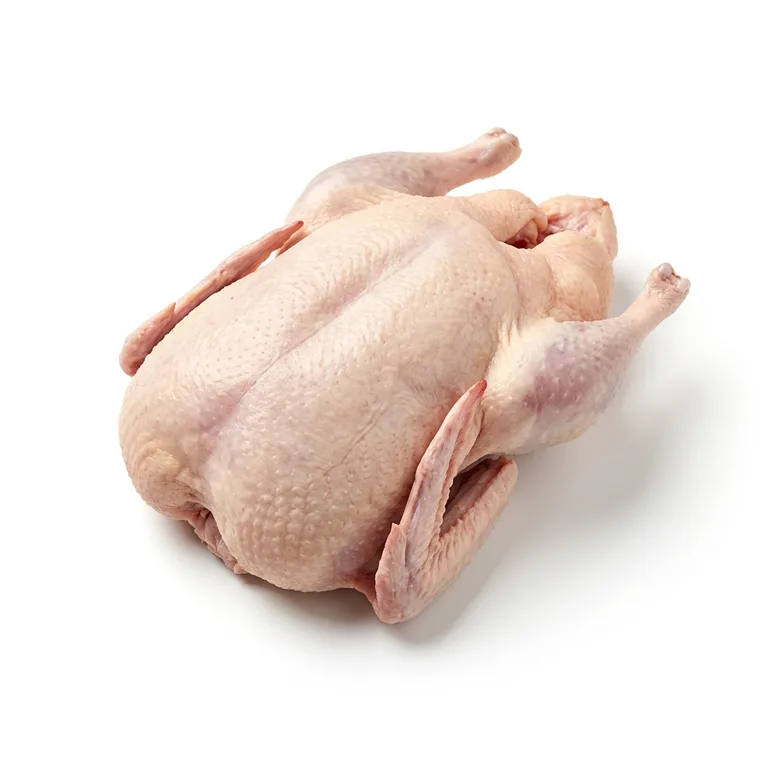
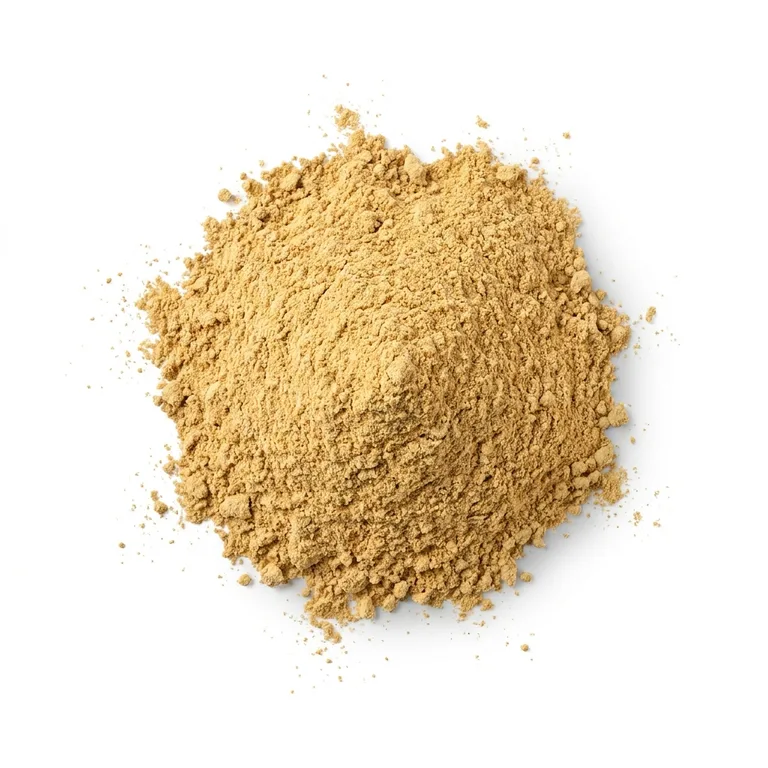
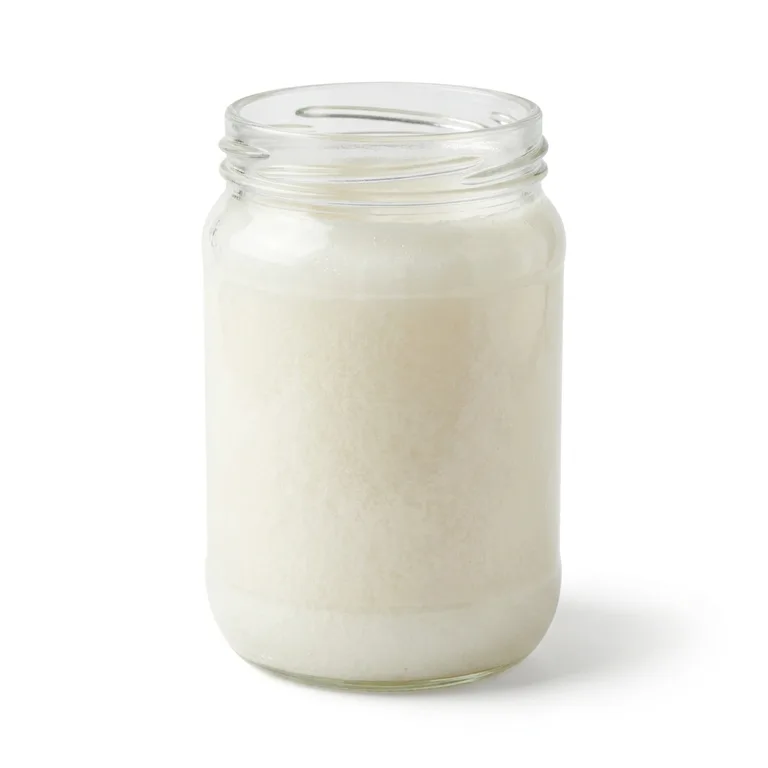
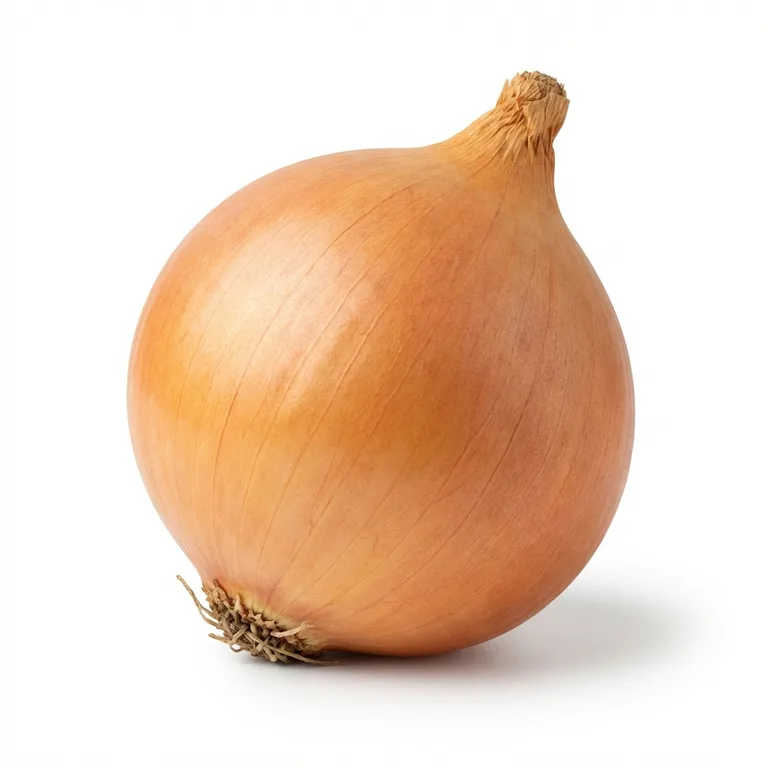
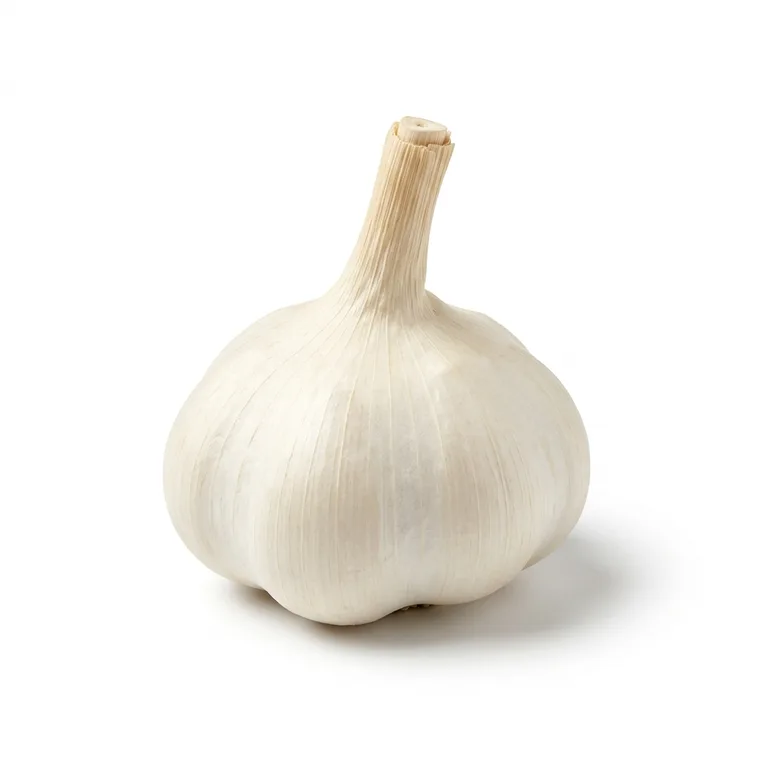

Pat the duck legs thoroughly dry with paper towels. In a small bowl, combine 3/4 tsp of the salt, the turmeric, and the ginger, then rub the mixture evenly over all sides of the duck legs.
Heat the coconut oil in a Dutch oven over medium-high heat until shimmering. Add the duck legs skin-side down and sear undisturbed for 6–8 minutes, until the skin is deep golden brown and releases easily from the pot. Flip and sear the second side for 3–4 minutes, until browned. Transfer the duck legs to a plate and set aside. Pour off all but about 1 tbsp of the rendered fat from the pot.
Create a Fig account for step-by-step instructions, access to our full recipe library, and more!


 (16k)
(16k)