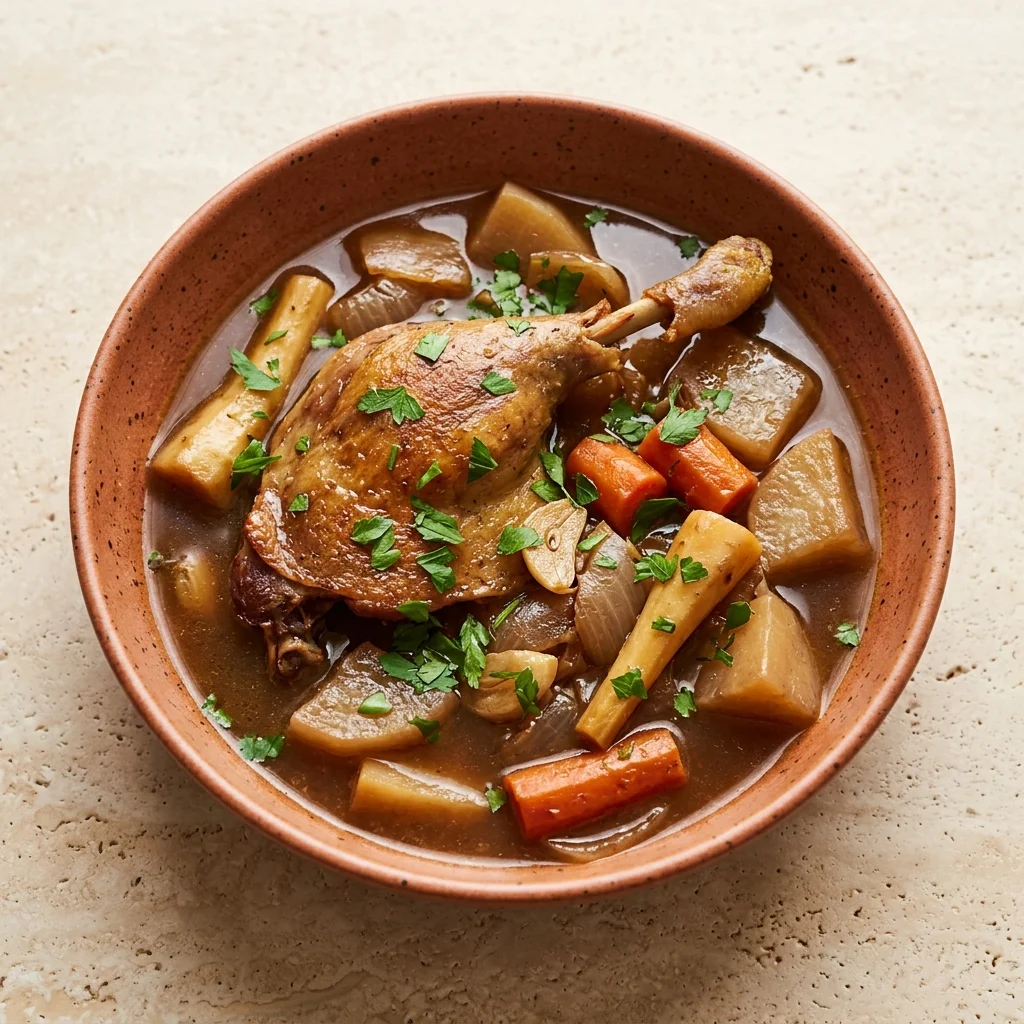
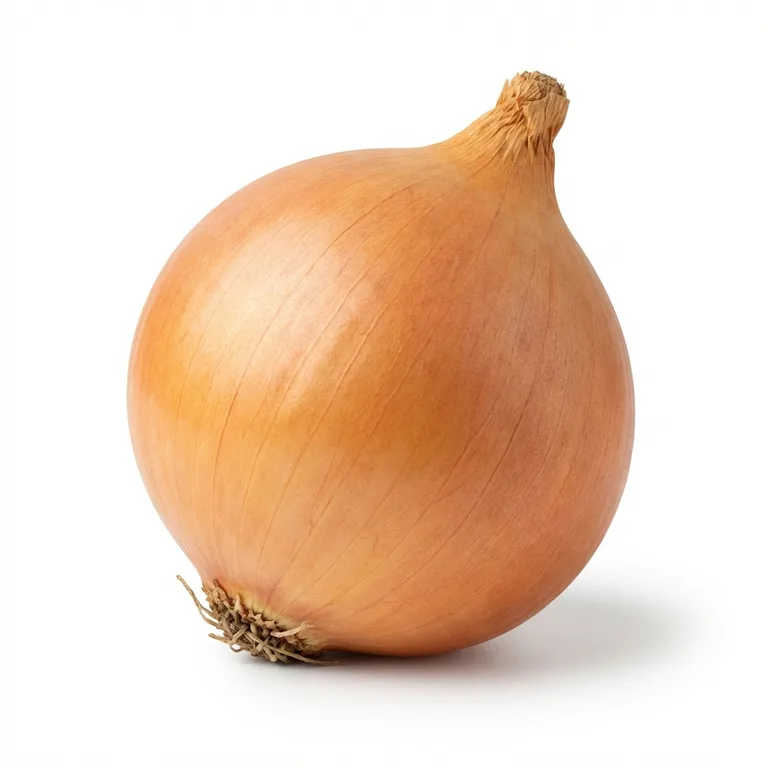
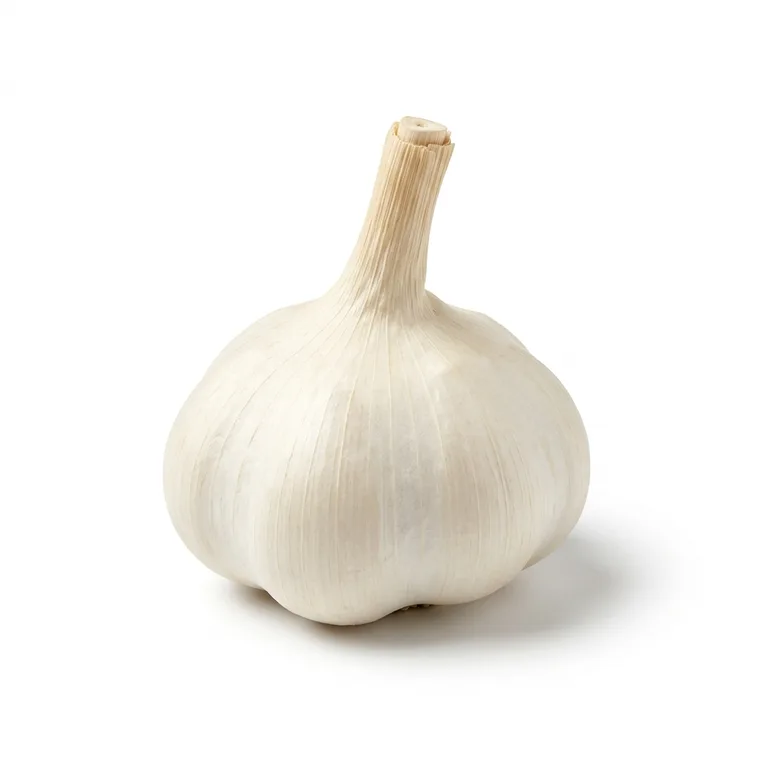
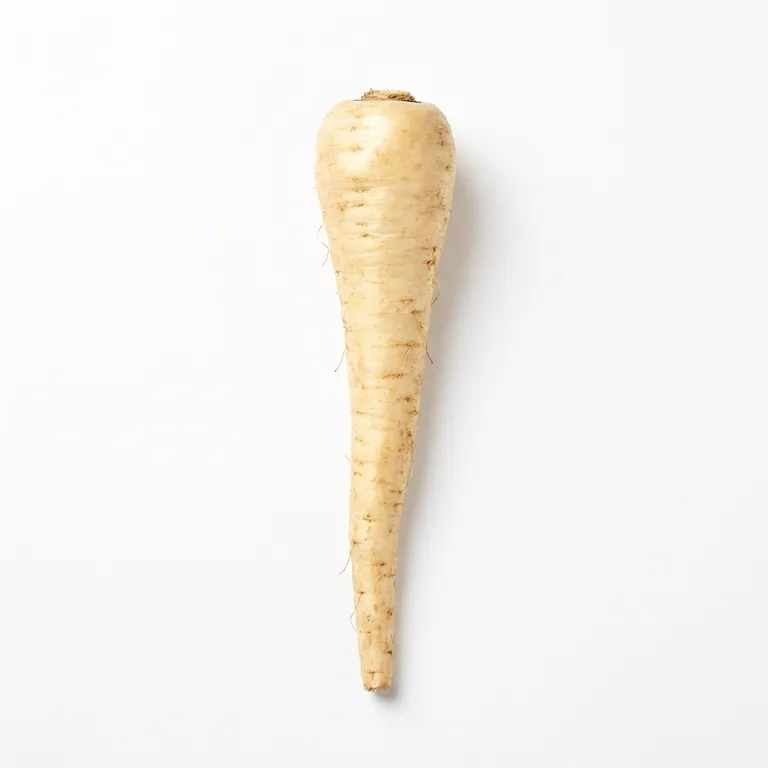
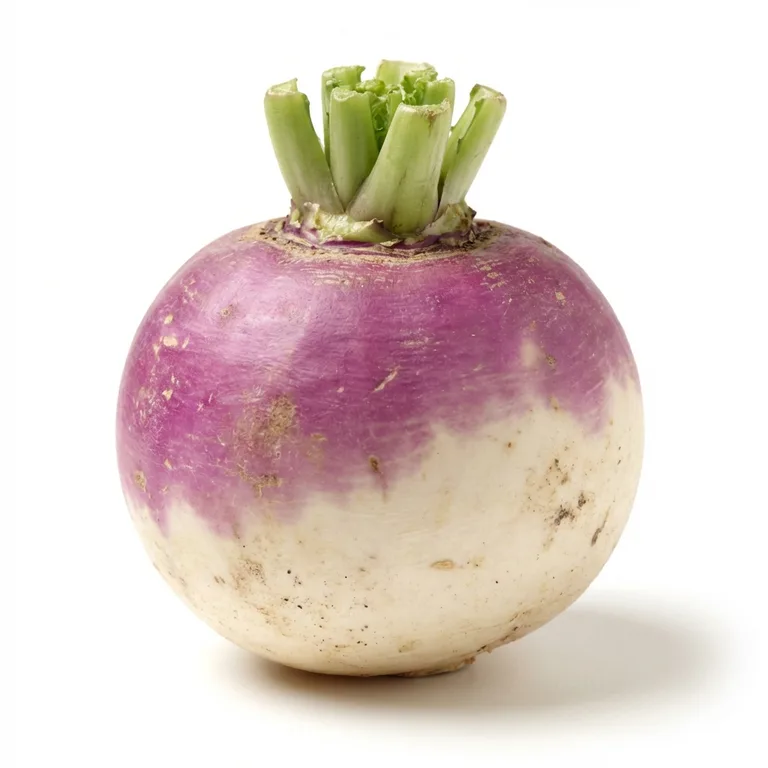
Rich, slow-braised duck stew can feel like it belongs in a restaurant kitchen, but this version is genuinely approachable and deeply satisfying to make at home. The duck legs are rubbed with turmeric and ginger before getting a proper sear, building a golden, crackling skin and a flavor base that carries through every spoonful of the finished braise. Carrots, parsnips, and turnips soak up the braising liquid as they cook, turning tender and almost sweet against the savory bone broth. What makes this stew especially clever is the combination of pomegranate juice and apple cider vinegar — they add brightness and a subtle tang that keeps the whole dish from feeling heavy, even with such a rich protein at the center. Fresh rosemary, thyme, and bay leaves do the heavy aromatic lifting, so there is no need for any chili-based seasoning to make this feel bold and complex. For anyone navigating capsaicin sensitivity, stews and braises are often the trickiest category because spice tends to sneak in through store-bought broths, spice blends, or finishing sauces — here, every ingredient is straightforward and easy to verify. Ladle it into deep bowls with a scatter of fresh parsley and you have a proper cold-weather meal that feels celebratory without any of the usual worry.
 About Fig
Fig is a food discovery app that helps you find foods and recipes that fit your dietary needs. Whether you have food allergies, intolerances, or follow a specific diet, Fig makes it easy to eat with confidence.
Learn more →4 servings
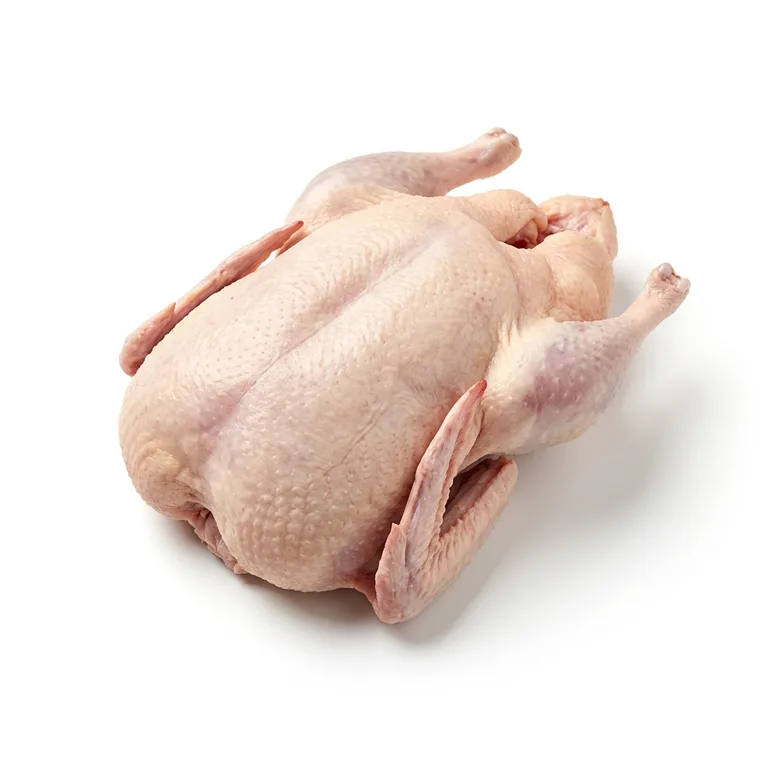
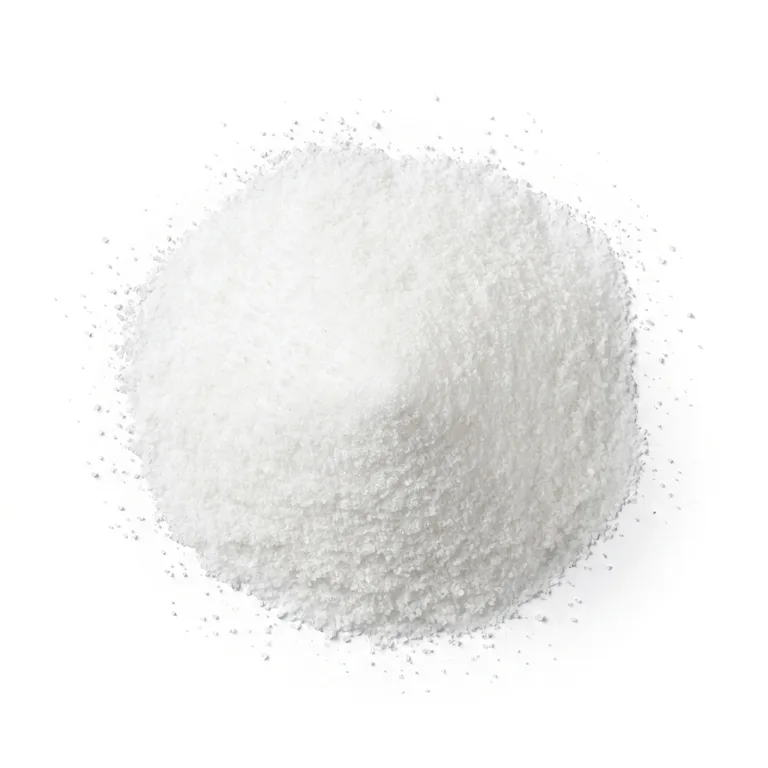
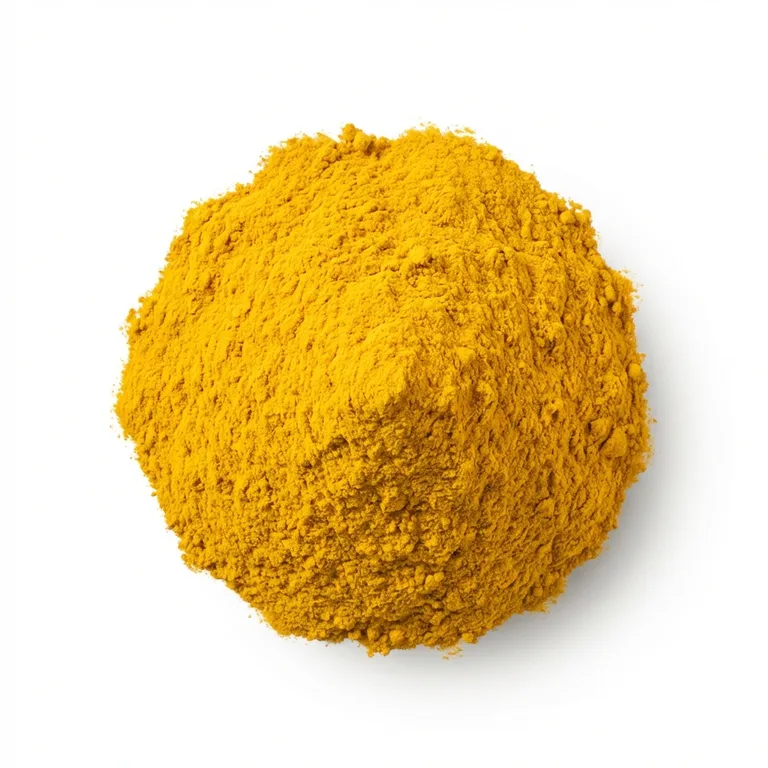
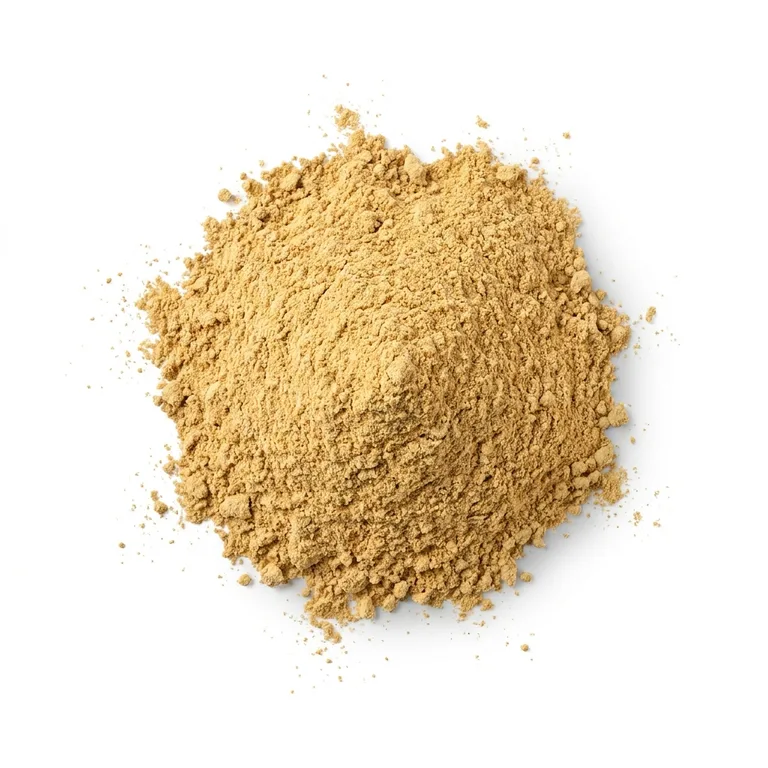

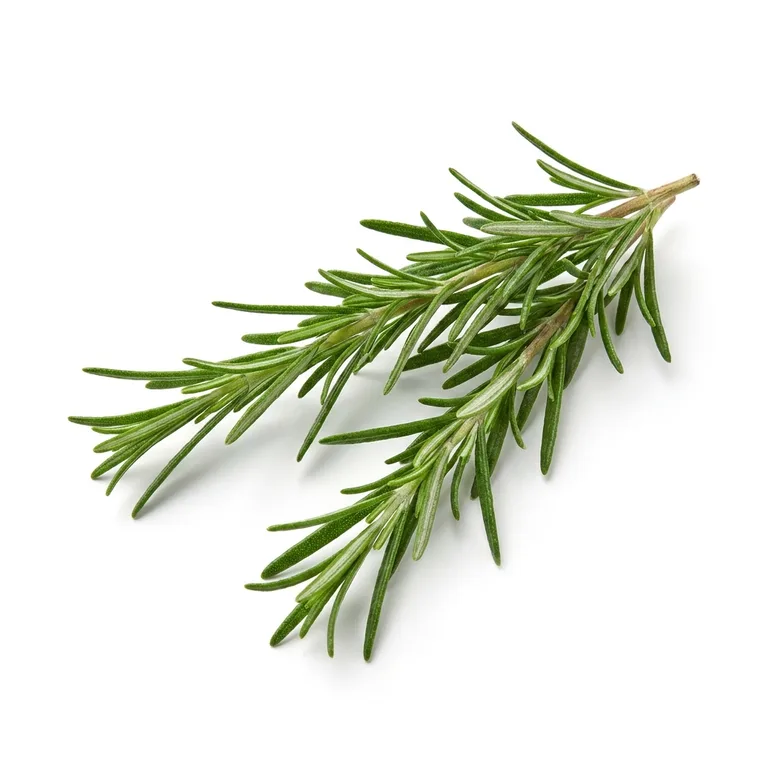
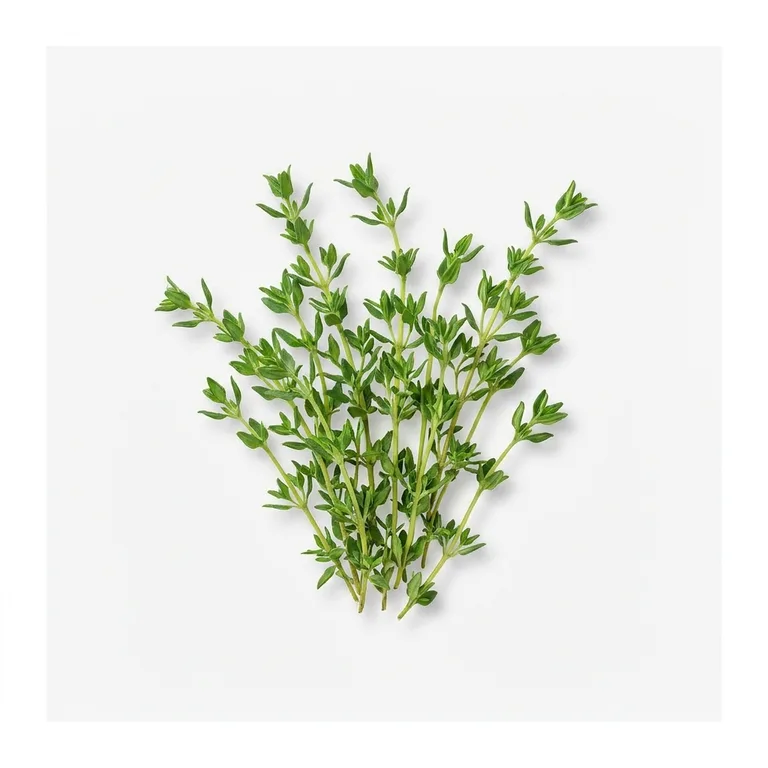
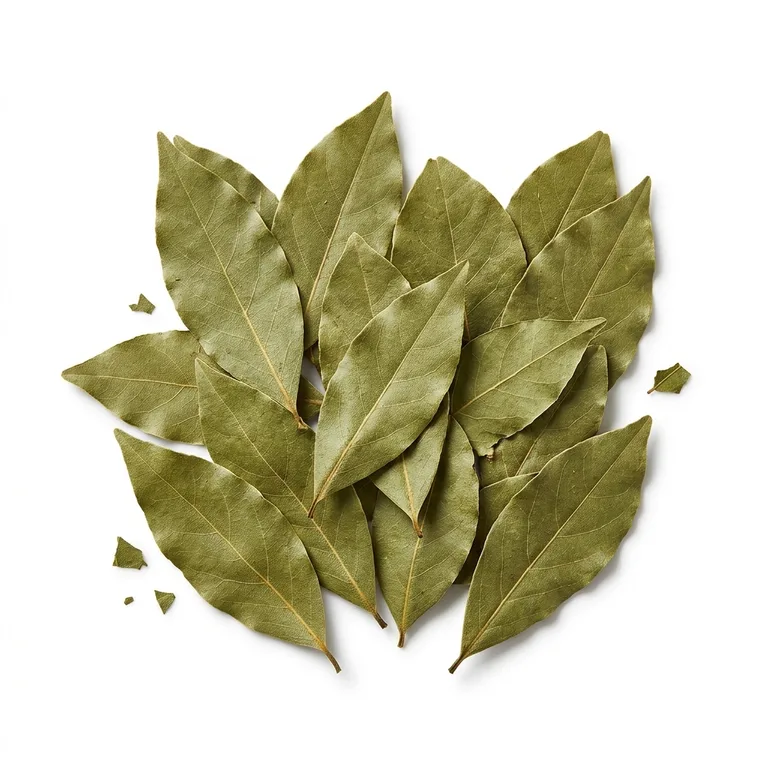
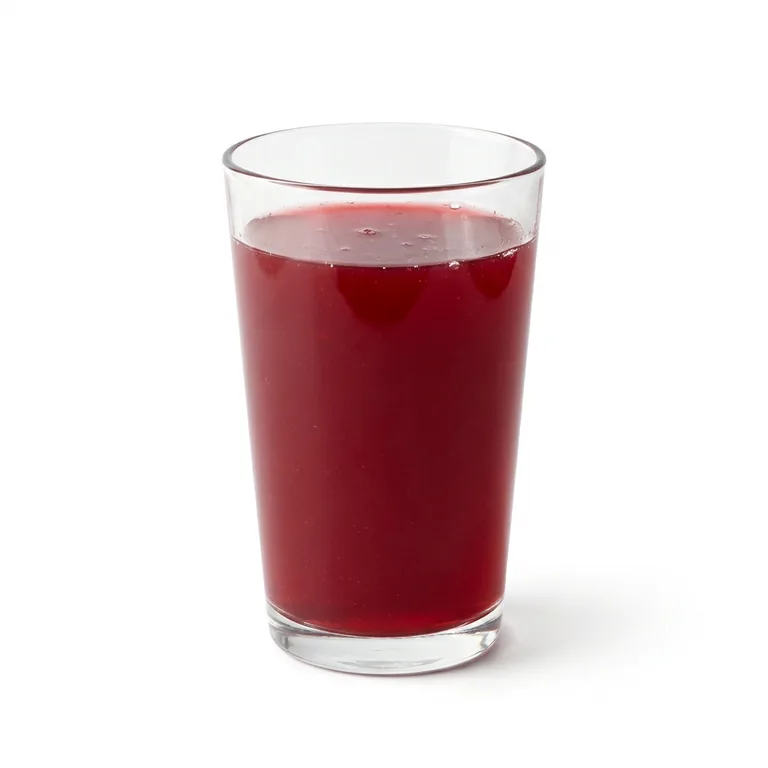
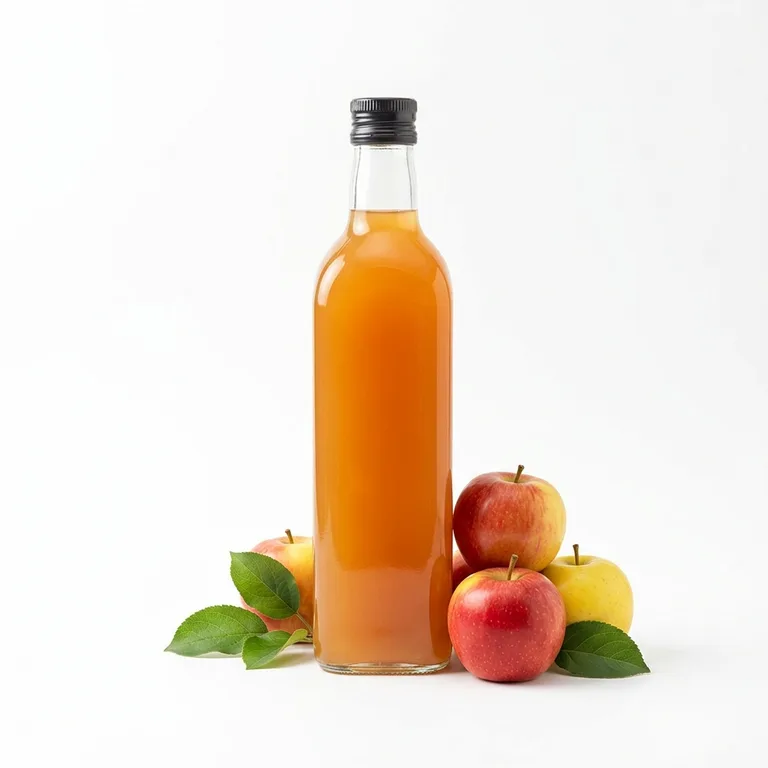
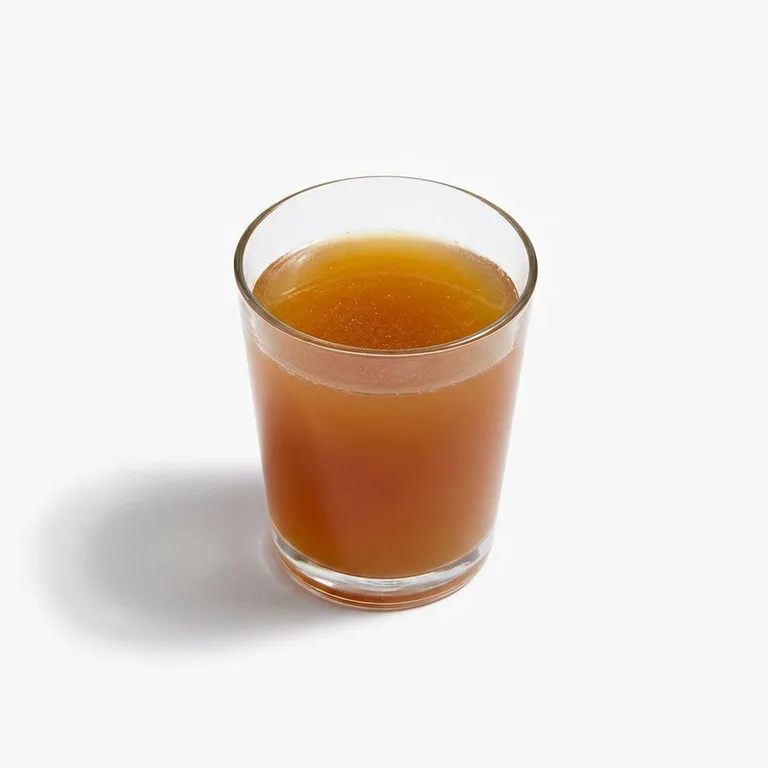
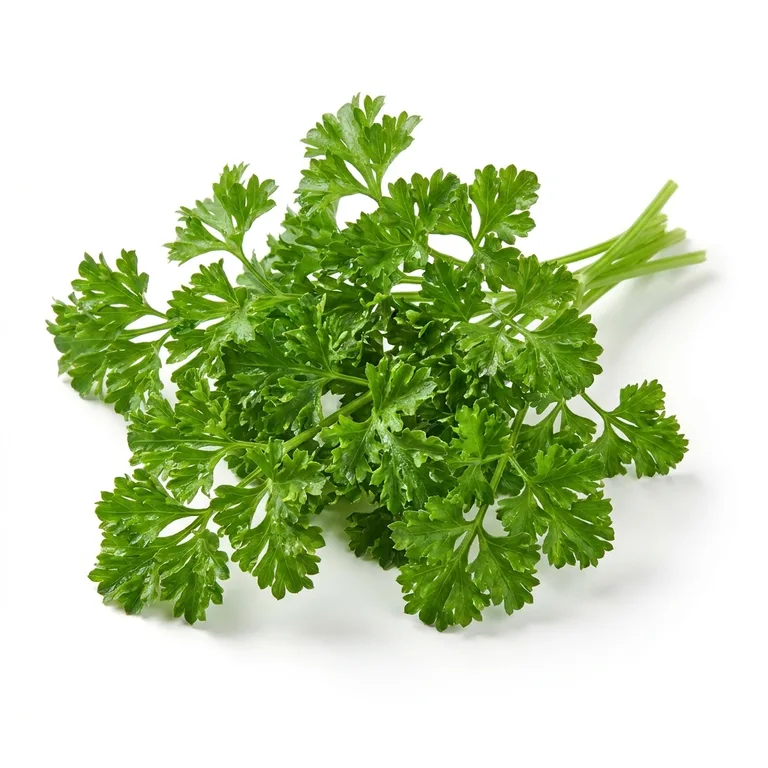
Pat the duck legs thoroughly dry with paper towels. In a small bowl, combine 3/4 tsp of the salt, the turmeric, and the ginger, then rub the mixture evenly over all sides of the duck legs.
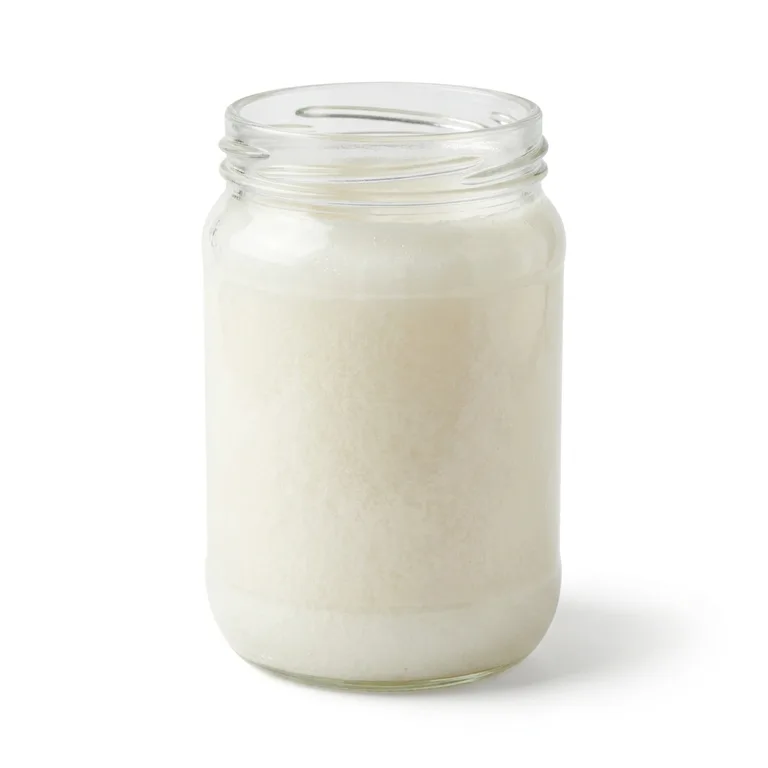
Heat the coconut oil in a Dutch oven over medium-high heat until shimmering. Add the duck legs skin-side down and sear undisturbed for 6–8 minutes, until the skin is deep golden brown and releases easily from the pot. Flip and sear the second side for 3–4 minutes, until browned. Transfer the duck legs to a plate and set aside. Pour off all but about 1 tbsp of the rendered fat from the pot.
Create a Fig account for step-by-step instructions, access to our full recipe library, and more!


 (16k)
(16k)