About Fig
Fig is a food discovery app that helps you find foods and recipes that fit your dietary needs. Whether you have food allergies, intolerances, or follow a specific diet, Fig makes it easy to eat with confidence.
Learn more →4 servings
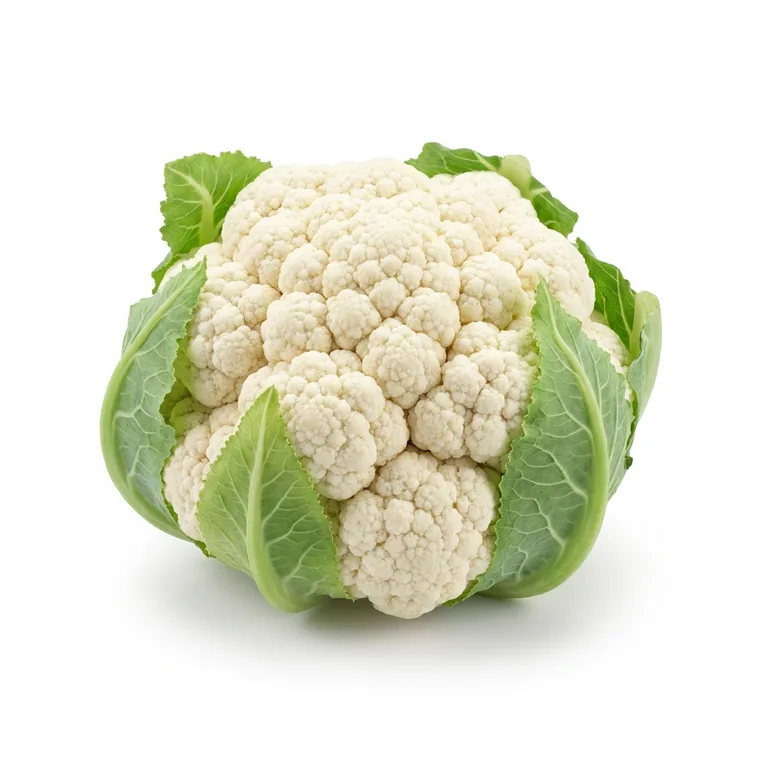
Cooking often breaks down the heat-sensitive proteins that trigger oral allergy syndrome, so the cooked cauliflower in this recipe is likely tolerated by many with OAS. If unsure, consult your doctor. To always avoid cauliflower, tap it and change its rating to Red.
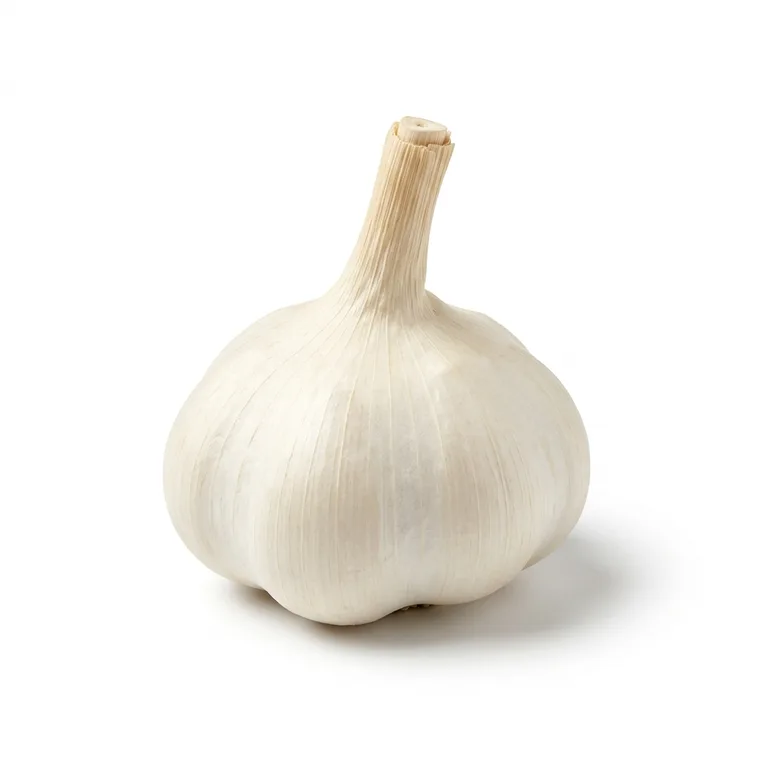
Cooking often breaks down the heat-sensitive proteins that trigger oral allergy syndrome, so the cooked garlic in this recipe is likely tolerated by many with OAS. If unsure, consult your doctor. To always avoid garlic, tap it and change its rating to Red.
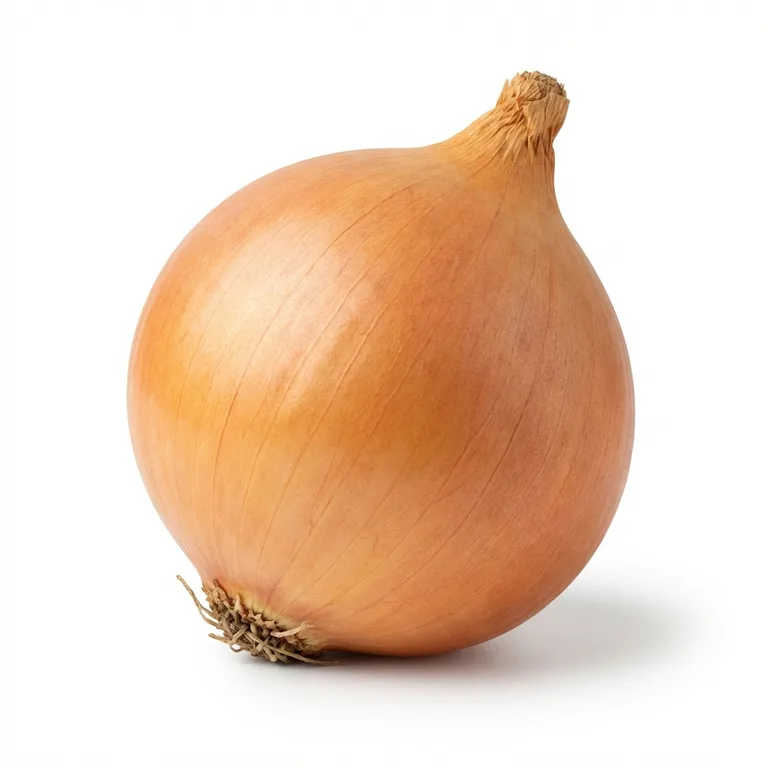
Cooking often breaks down the heat-sensitive proteins that trigger oral allergy syndrome, so the cooked yellow onion in this recipe is likely tolerated by many with OAS. If unsure, consult your doctor. To always avoid yellow onion, tap it and change its rating to Red.
Preheat the oven to 425°F (220°C). Slice the top quarter off the head of garlic to expose the cloves, drizzle with 1 tsp of the olive oil, and wrap tightly in foil. Spread the cauliflower florets on a large rimmed baking sheet, toss with 2 tbsp of the olive oil and 1/2 tsp of the salt, and arrange in a single layer. Place the foil-wrapped garlic on the same baking sheet.
Roast for 30–35 minutes, turning the cauliflower once halfway through, until the florets are deeply golden at the edges and tender when pierced with a fork. The garlic is done when the cloves feel completely soft when pressed through the foil. Remove from the oven and set aside.
Create a Fig account for step-by-step instructions, access to our full recipe library, and more!


 (16k)
(16k)