About Fig
Fig is a food discovery app that helps you find foods and recipes that fit your dietary needs. Whether you have food allergies, intolerances, or follow a specific diet, Fig makes it easy to eat with confidence.
Learn more →4 servings


Cooking often breaks down the heat-sensitive proteins that trigger oral allergy syndrome, so the cooked apple in this recipe is likely tolerated by many with OAS. If unsure, consult your doctor. To always avoid apple, tap it and change its rating to Red.


Cooking often breaks down the heat-sensitive proteins that trigger oral allergy syndrome, so the cooked carrot in this recipe is likely tolerated by many with OAS. If unsure, consult your doctor. To always avoid carrot, tap it and change its rating to Red.

Cooking often breaks down the heat-sensitive proteins that trigger oral allergy syndrome, so the cooked parsnip in this recipe is likely tolerated by many with OAS. If unsure, consult your doctor. To always avoid parsnip, tap it and change its rating to Red.
Cooking often breaks down the heat-sensitive proteins that trigger oral allergy syndrome, so the cooked apple in this recipe is likely tolerated by many with OAS. If unsure, consult your doctor. To always avoid apple, tap it and change its rating to Red.


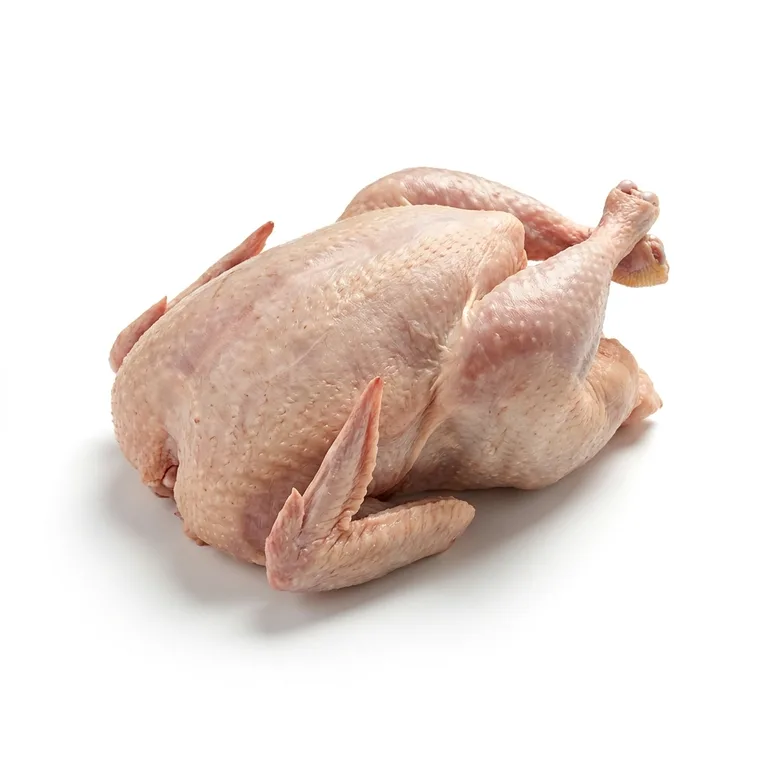
Remove the pheasant from the refrigerator 30 minutes before roasting. Preheat the oven to 400°F (205°C). Pat the bird completely dry inside and out with paper towels.
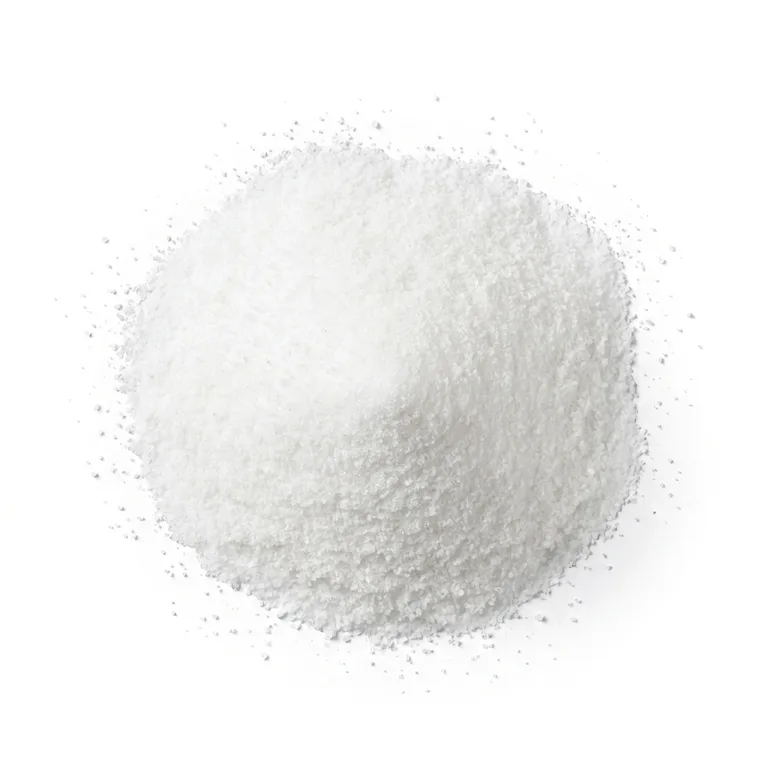
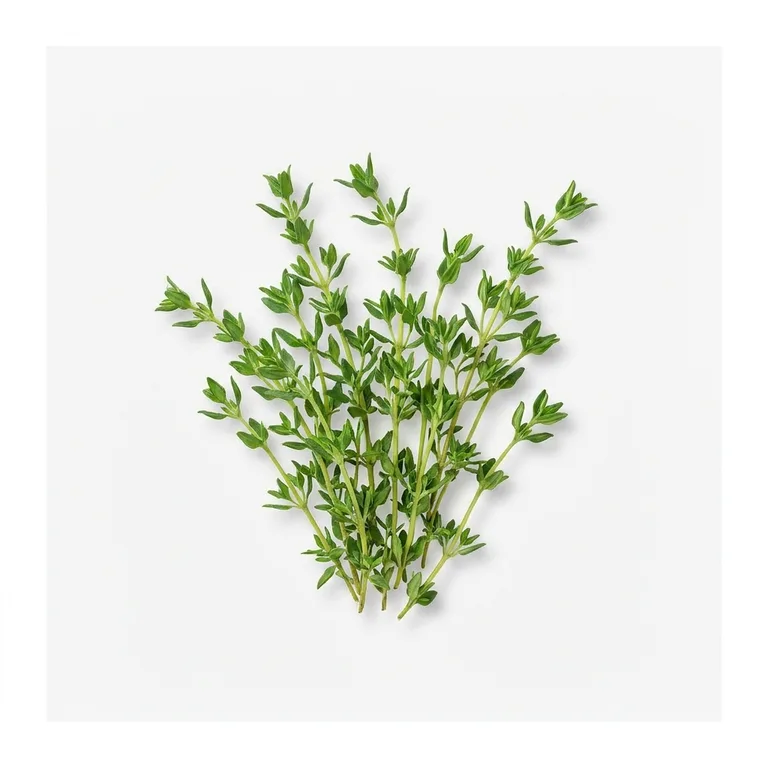
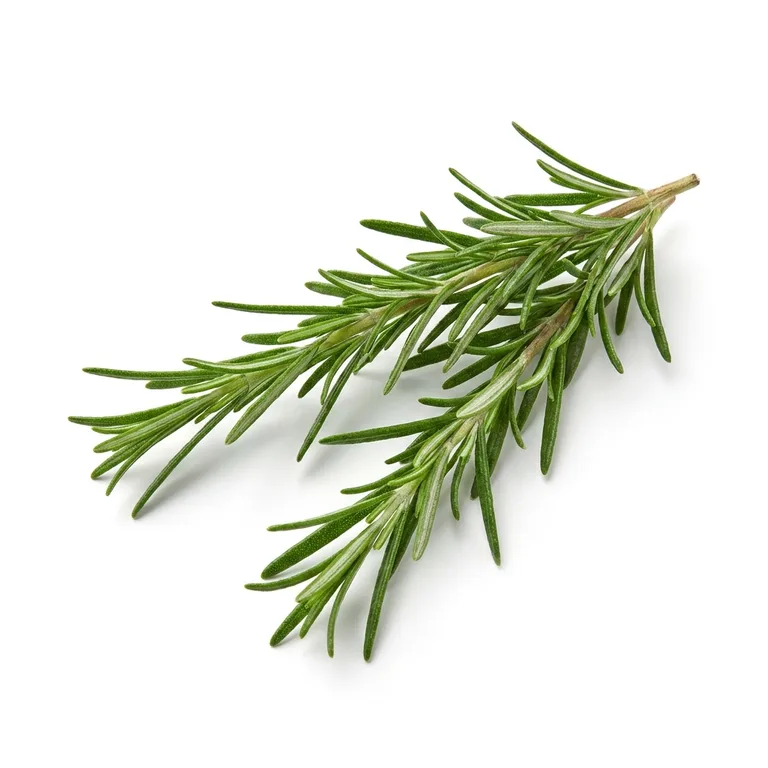
Rub the softened butter all over the outside of the pheasant, then season the skin and cavity evenly with the 1 1/2 tsp fine sea salt. Stuff the cavity with the quartered apple, 3 sprigs of thyme, and 1 sprig of rosemary. Tie the legs together with kitchen twine and tuck the wing tips under the body.
Create a Fig account for step-by-step instructions, access to our full recipe library, and more!


 (16k)