About Fig
Fig is a food discovery app that helps you find foods and recipes that fit your dietary needs. Whether you have food allergies, intolerances, or follow a specific diet, Fig makes it easy to eat with confidence.
Learn more →4 servings


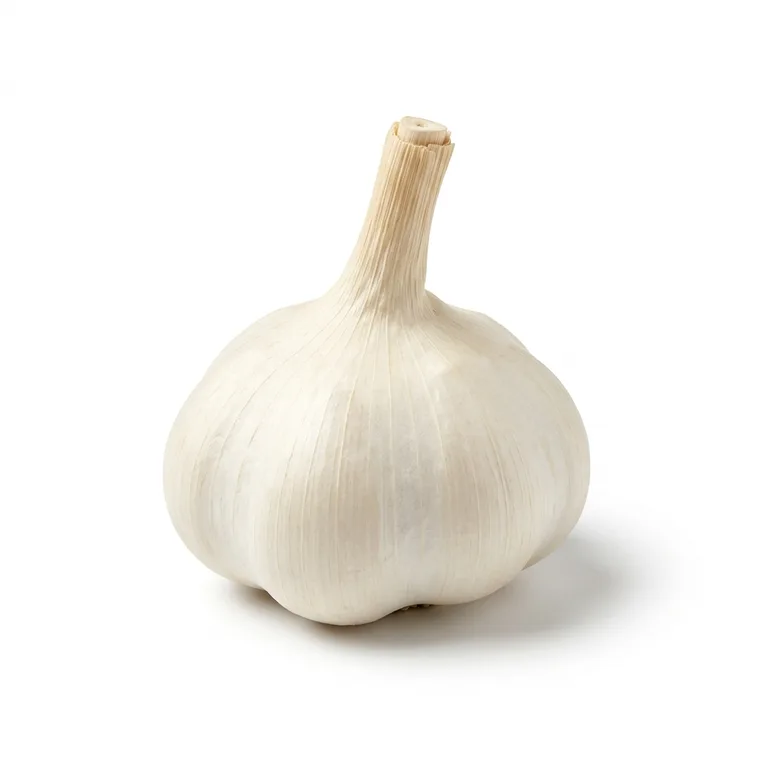
Cooking often breaks down the heat-sensitive proteins that trigger oral allergy syndrome, so the cooked garlic in this recipe is likely tolerated by many with OAS. If unsure, consult your doctor. To always avoid garlic, tap it and change its rating to Red.

Cooking often breaks down the heat-sensitive proteins that trigger oral allergy syndrome, so the cooked carrot in this recipe is likely tolerated by many with OAS. If unsure, consult your doctor. To always avoid carrot, tap it and change its rating to Red.
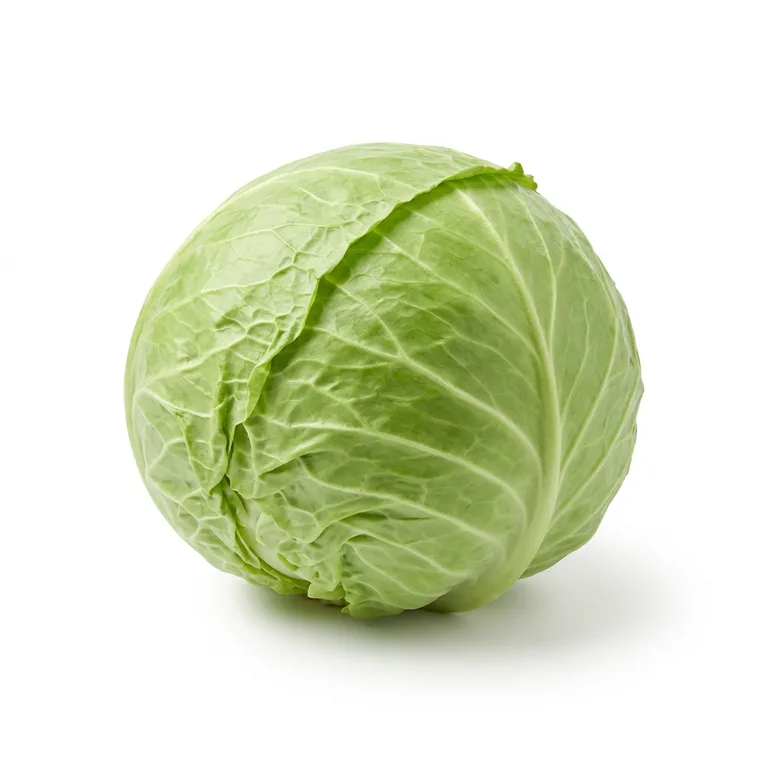
Cooking often breaks down the heat-sensitive proteins that trigger oral allergy syndrome, so the cooked cabbage in this recipe is likely tolerated by many with OAS. If unsure, consult your doctor. To always avoid cabbage, tap it and change its rating to Red.
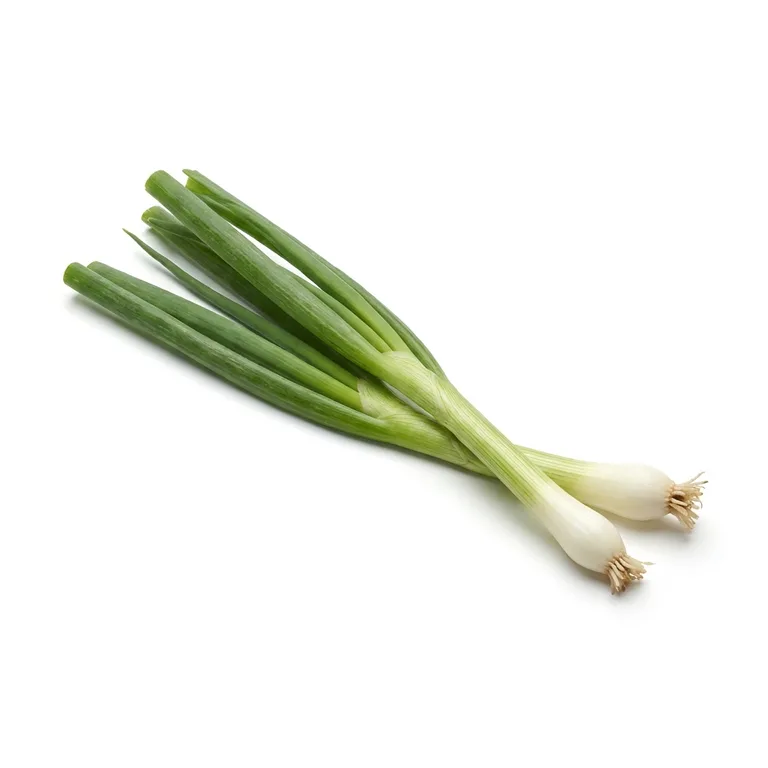
Cooking often breaks down the heat-sensitive proteins that trigger oral allergy syndrome, so the cooked scallions in this recipe are likely tolerated by many with OAS. If unsure, consult your doctor. To always avoid scallions, tap it and change its rating to Red.

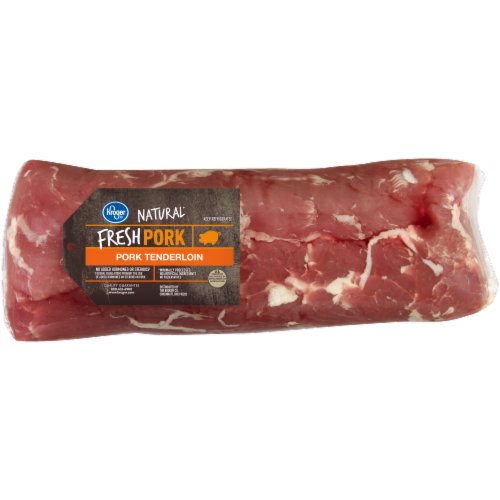
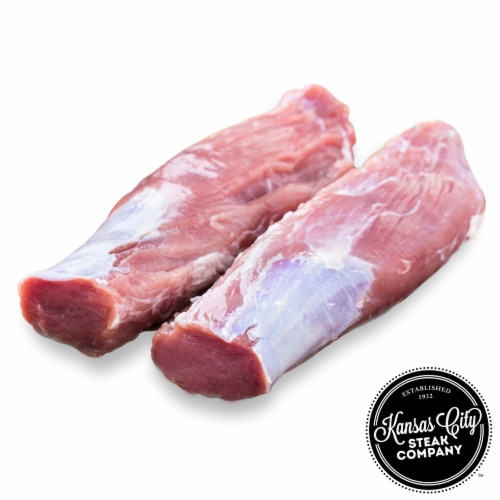
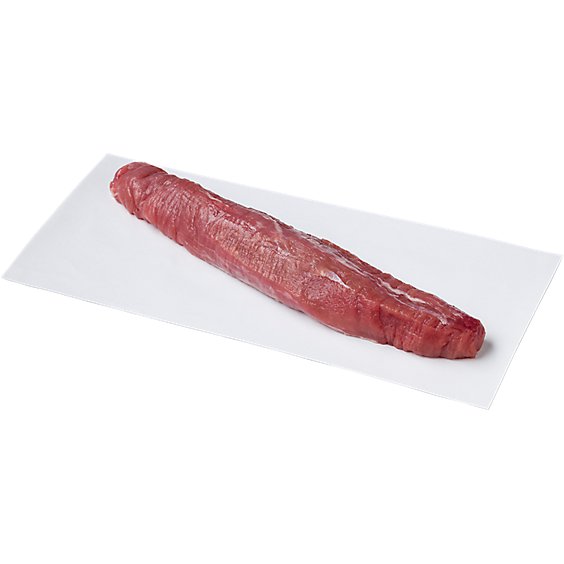
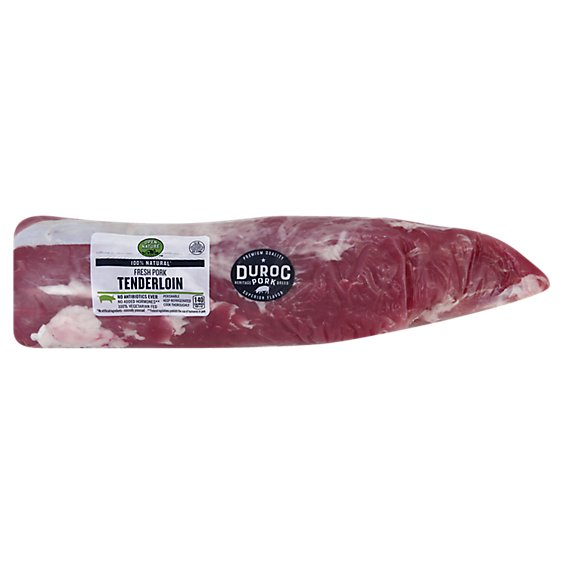
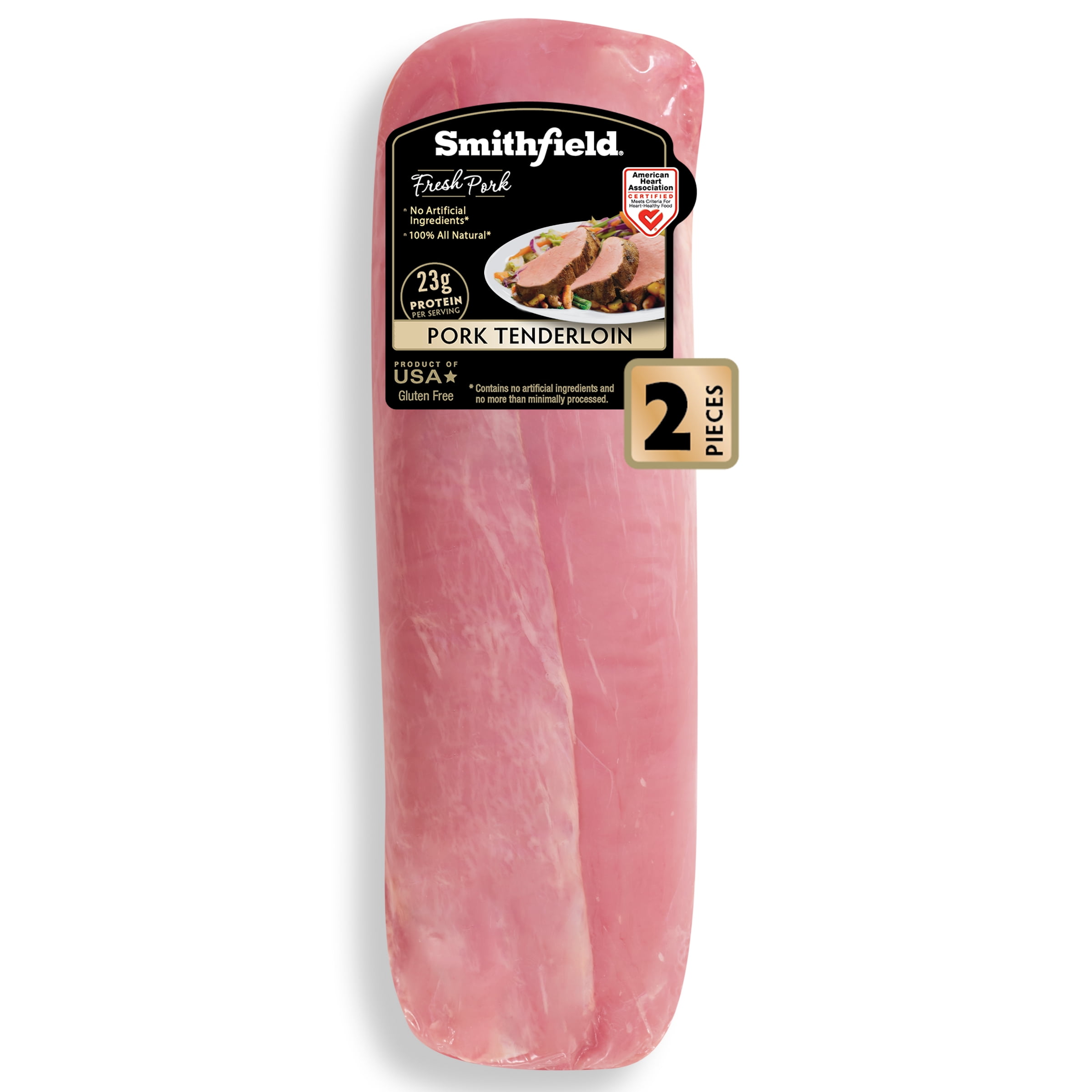
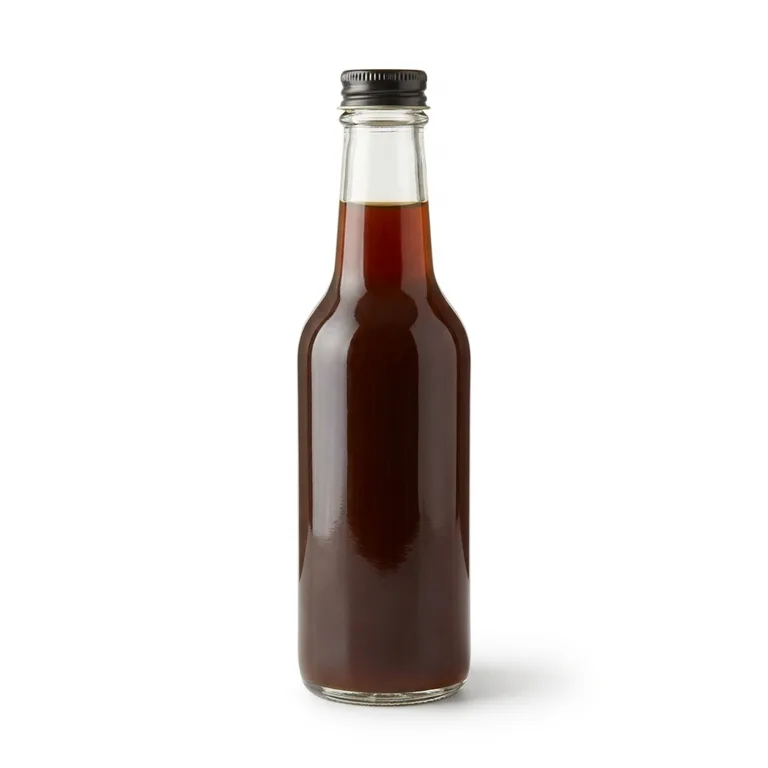
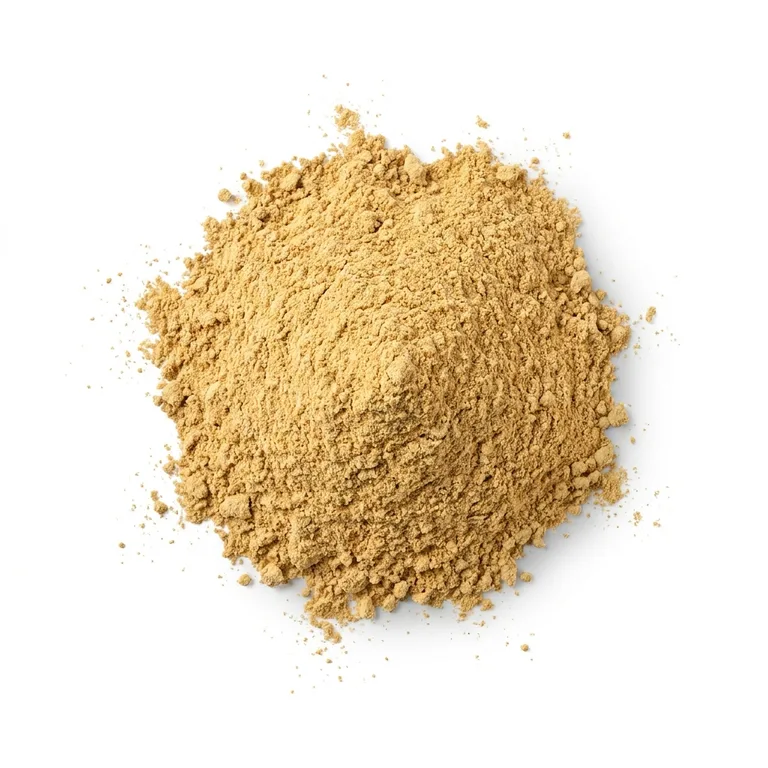
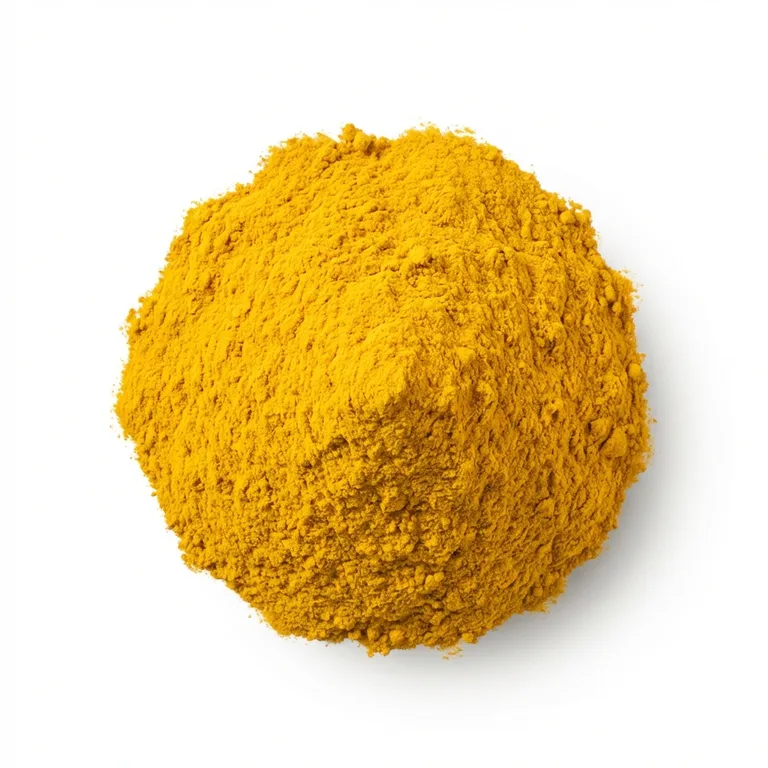
In a small bowl, combine the pork slices with 1 tbsp coconut aminos, ground ginger, turmeric, and 1/4 tsp salt. Toss to coat evenly and set aside while you prepare the remaining ingredients.
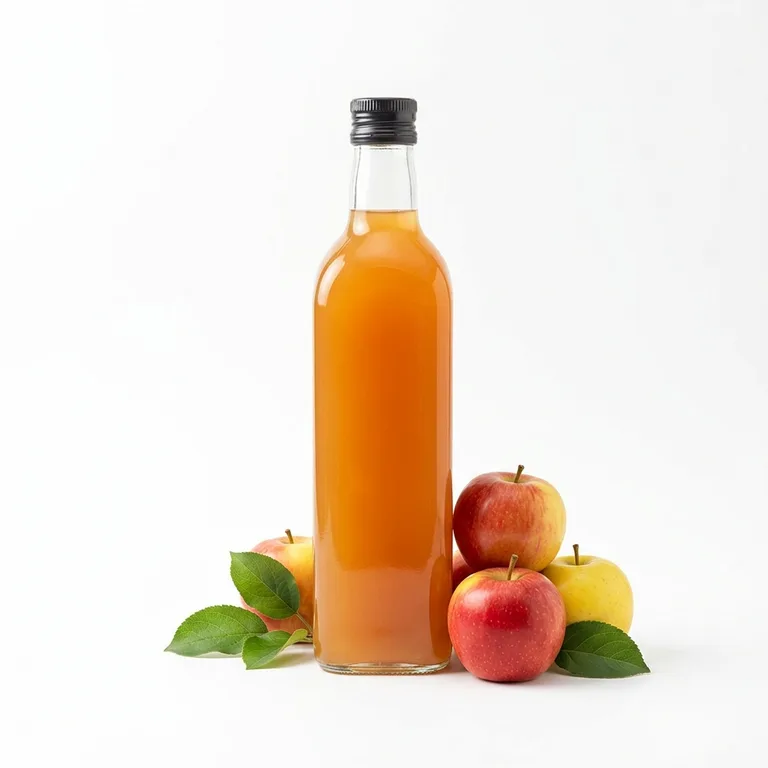
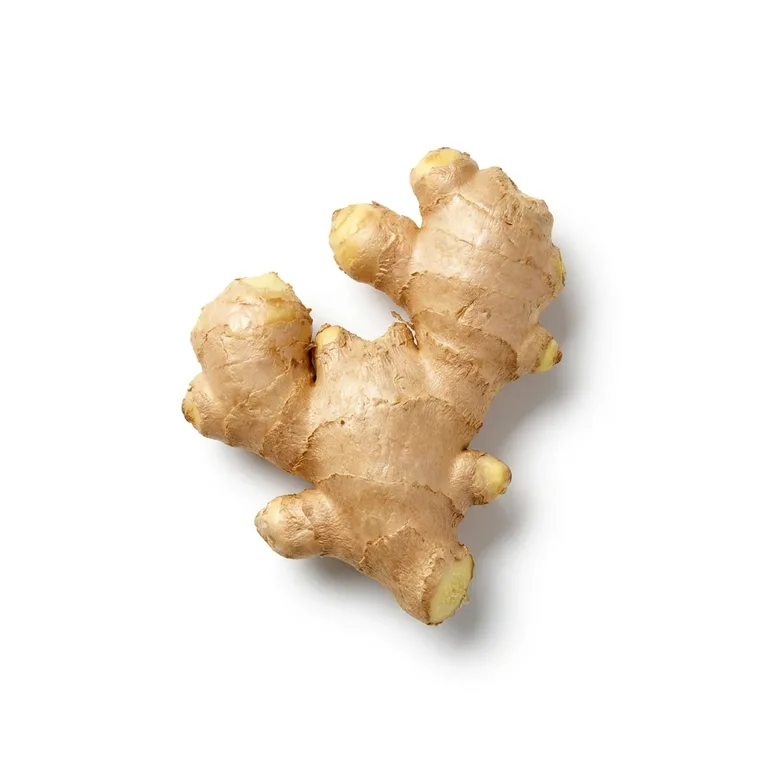
In the same small bowl (or a separate one), whisk together the 3 tbsp coconut aminos, apple cider vinegar, grated fresh ginger, and arrowroot starch until the starch is fully dissolved with no lumps. Set the sauce aside.
Create a Fig account for step-by-step instructions, access to our full recipe library, and more!


 (16k)
(16k)