 About Fig
Fig is a food discovery app that helps you find foods and recipes that fit your dietary needs. Whether you have food allergies, intolerances, or follow a specific diet, Fig makes it easy to eat with confidence.
Learn more →4 servings
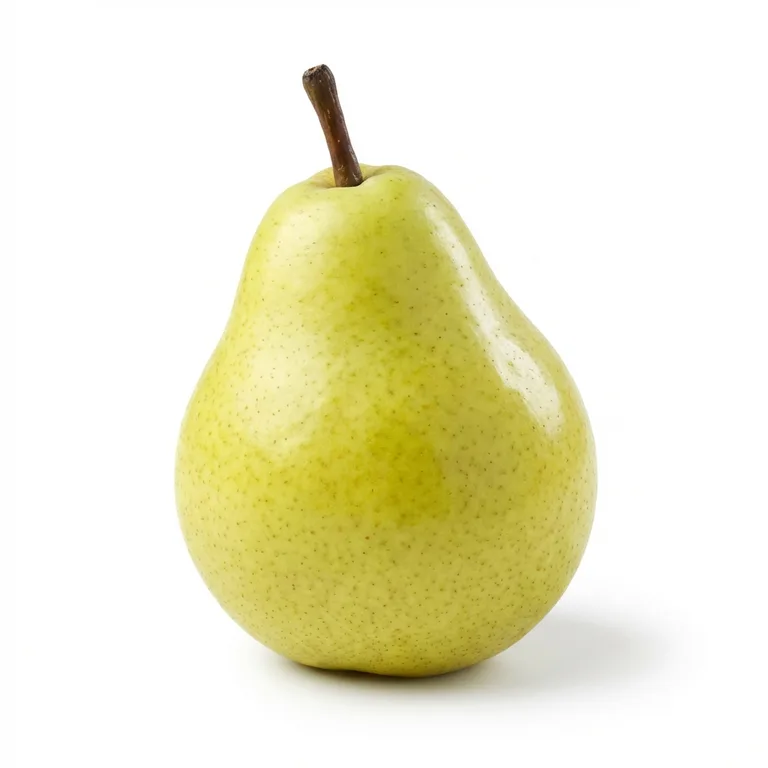
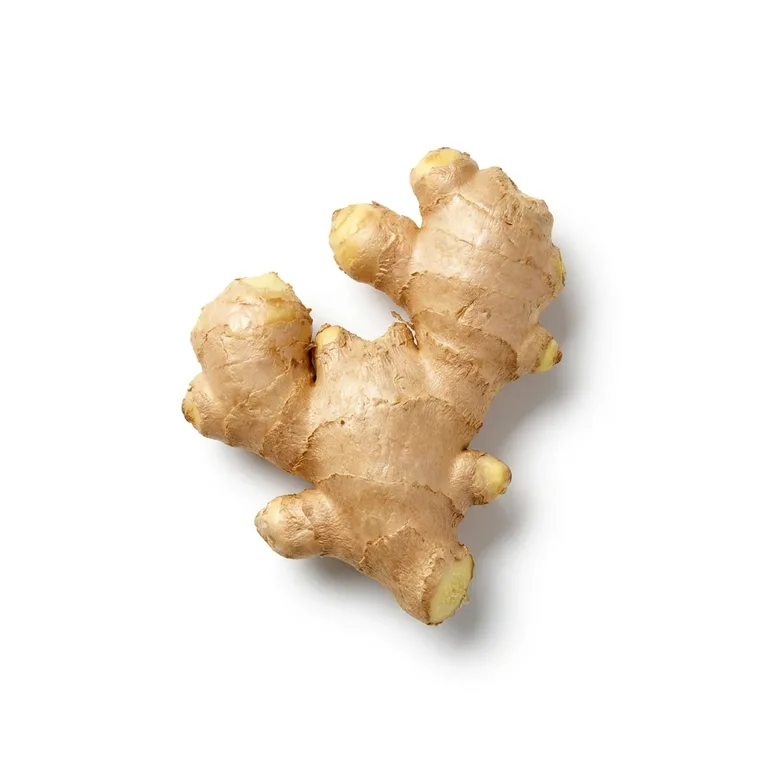
Fresh Ginger can trigger interstitial cystitis symptoms in some people, but counting all uses, this recipe has about 1 teaspoon per serving and is likely tolerated by many. If you prefer to always avoid fresh ginger, please tap it and change its rating to Red.
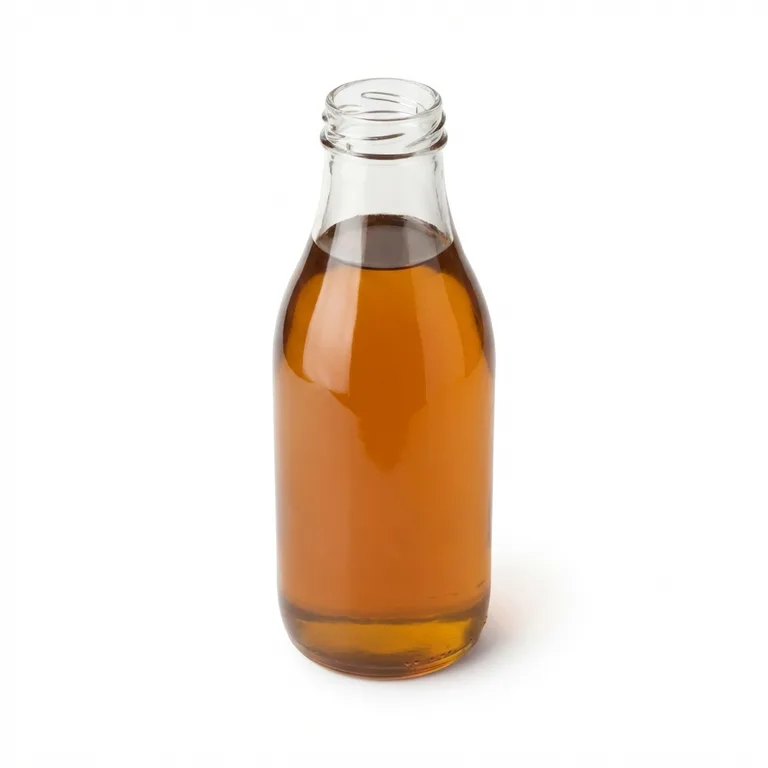
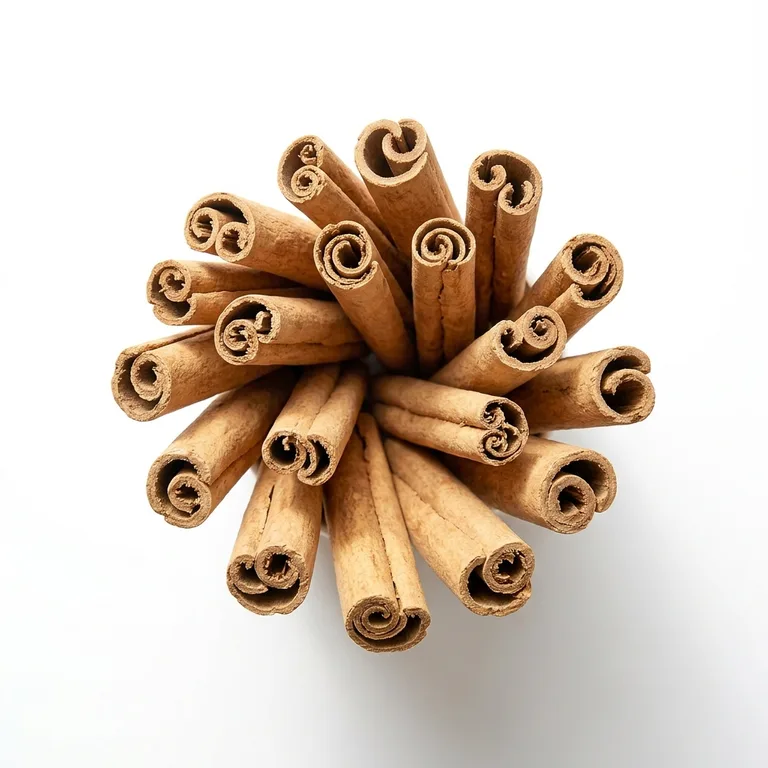
True Ceylon Cinnamon can trigger interstitial cystitis symptoms in some people, but counting all uses, this recipe has about 1/8 teaspoon per serving and is likely tolerated by many. If you prefer to always avoid true ceylon cinnamon, please tap it and change its rating to Red.

True Ceylon Cinnamon can trigger interstitial cystitis symptoms in some people, but counting all uses, this recipe has about 1/8 teaspoon per serving and is likely tolerated by many. If you prefer to always avoid true ceylon cinnamon, please tap it and change its rating to Red.
Fresh Ginger can trigger interstitial cystitis symptoms in some people, but counting all uses, this recipe has about 1 teaspoon per serving and is likely tolerated by many. If you prefer to always avoid fresh ginger, please tap it and change its rating to Red.
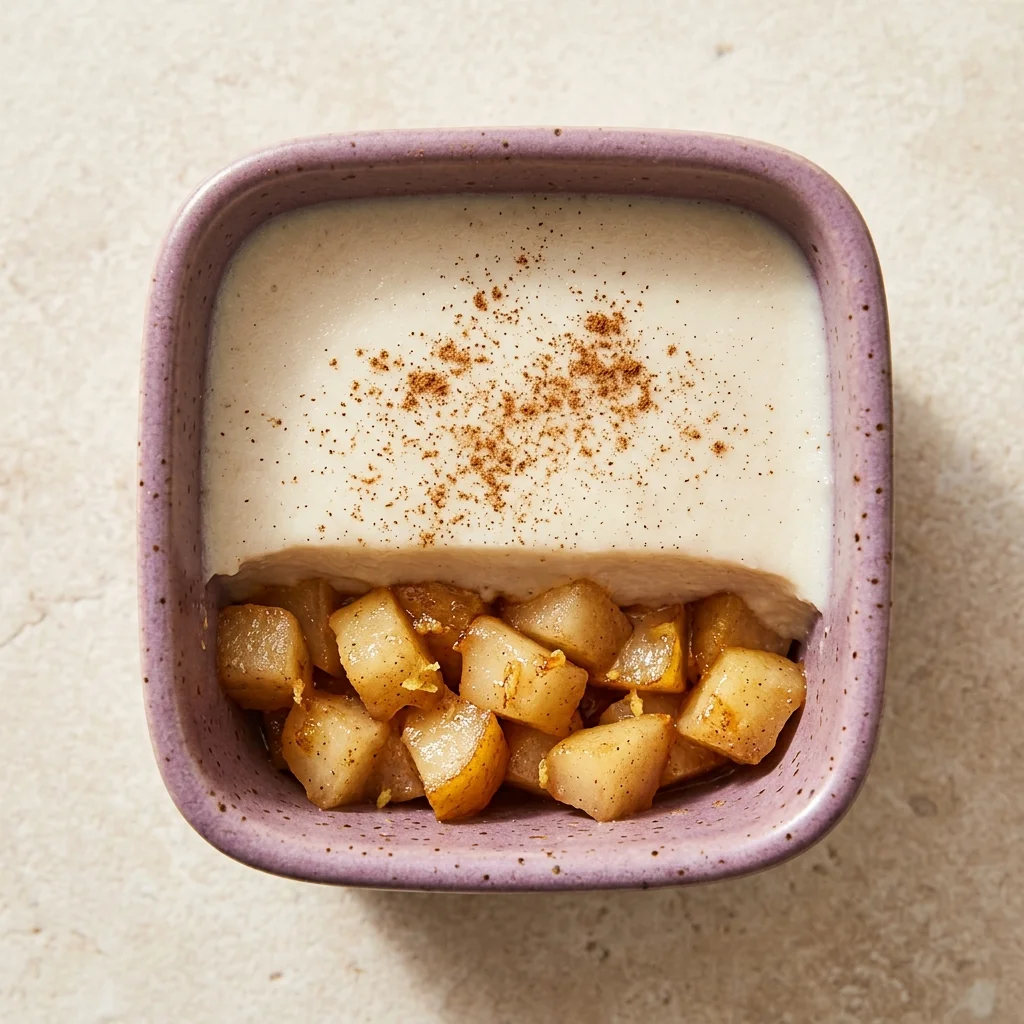
Combine the diced pears, 1 tbsp grated ginger, 1 tbsp maple syrup, 1/4 tsp Ceylon cinnamon, and 1 tbsp water in a medium saucepan over medium heat. Cook, stirring occasionally, until the pears are just tender and the liquid has reduced to a light syrup, about 8–10 minutes. Remove from heat and divide the pear mixture evenly among four 6-oz ramekins or cups.
In a small bowl, whisk together the arrowroot starch and 3 tbsp of the coconut milk until completely smooth with no lumps.
Create a Fig account for step-by-step instructions, access to our full recipe library, and more!


 (16k)
(16k)