
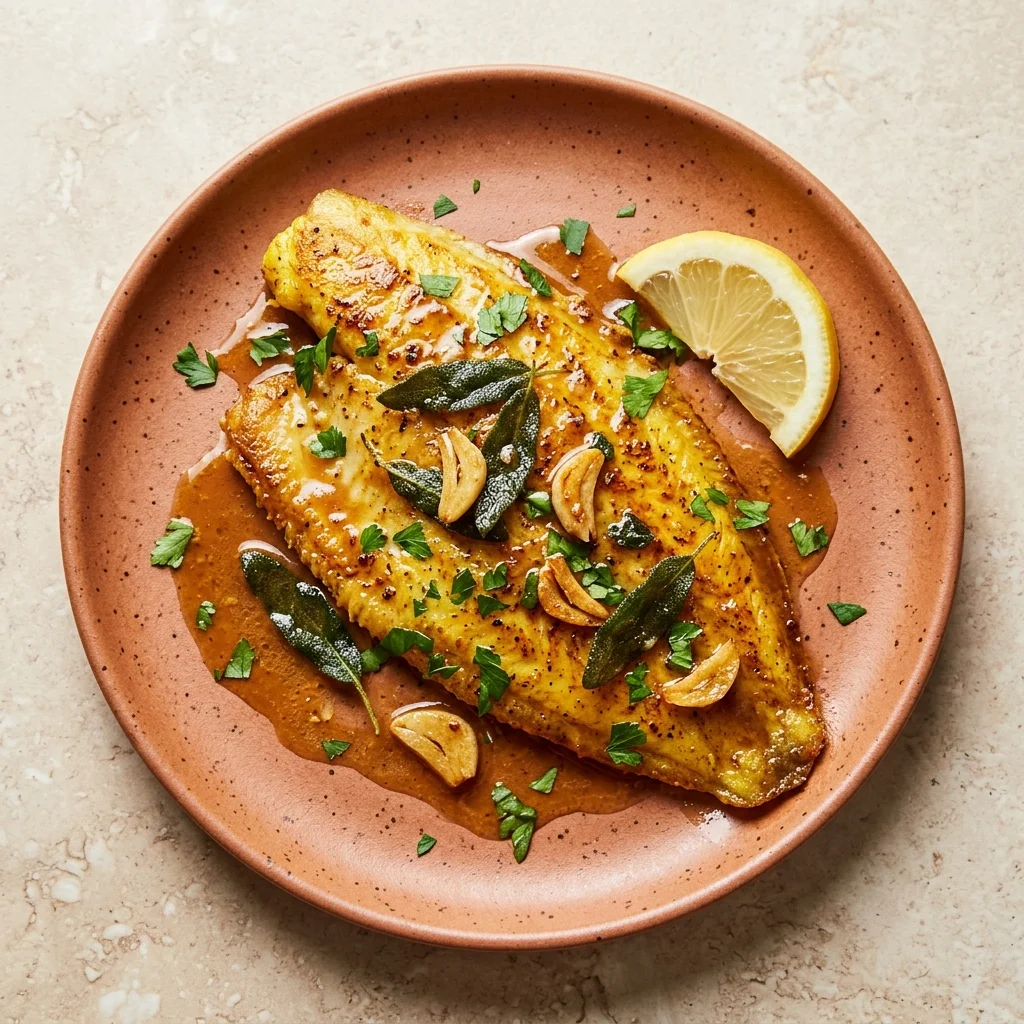
Low Fiber Pan-Seared Sole with Coconut Brown Butter and Sage
 About Fig
Fig is a food discovery app that helps you find foods and recipes that fit your dietary needs. Whether you have food allergies, intolerances, or follow a specific diet, Fig makes it easy to eat with confidence.
Learn more →Ingredients
4 servings
- 4 sole fillets (about 5–6 oz each)
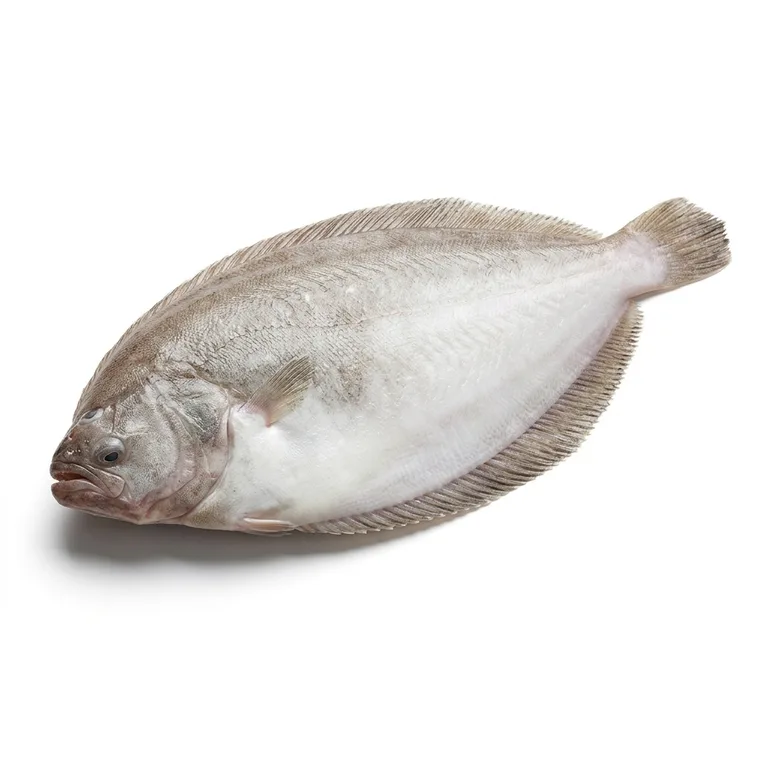
- ½ tsp fine sea salt
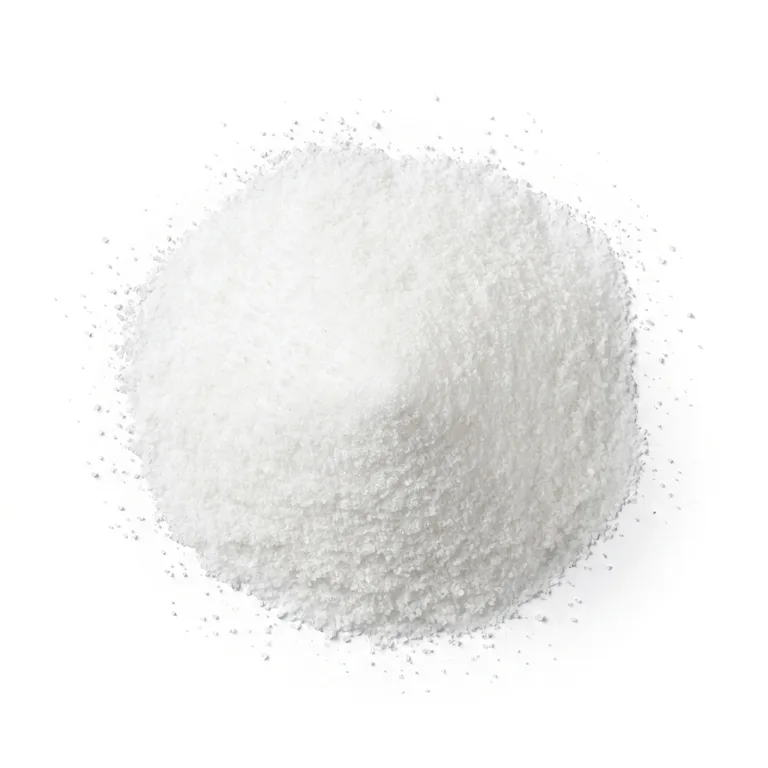
- ¼ tsp ground turmeric
- 2 tbsp coconut oil, divided
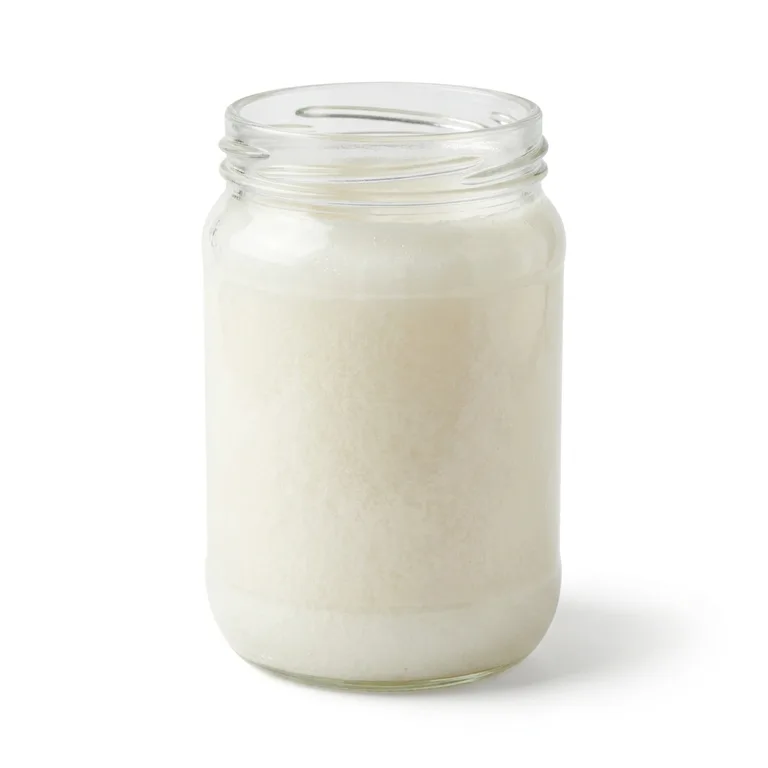 Ingredient note
Low residue diets limit high-fiber foods. Coconut oil is pure fat with no fiber, so it leaves virtually no residue. If you prefer to always avoid coconut oil, please tap it and change its rating to Red.
For the coconut brown butter
- 4 tbsp refined coconut oil
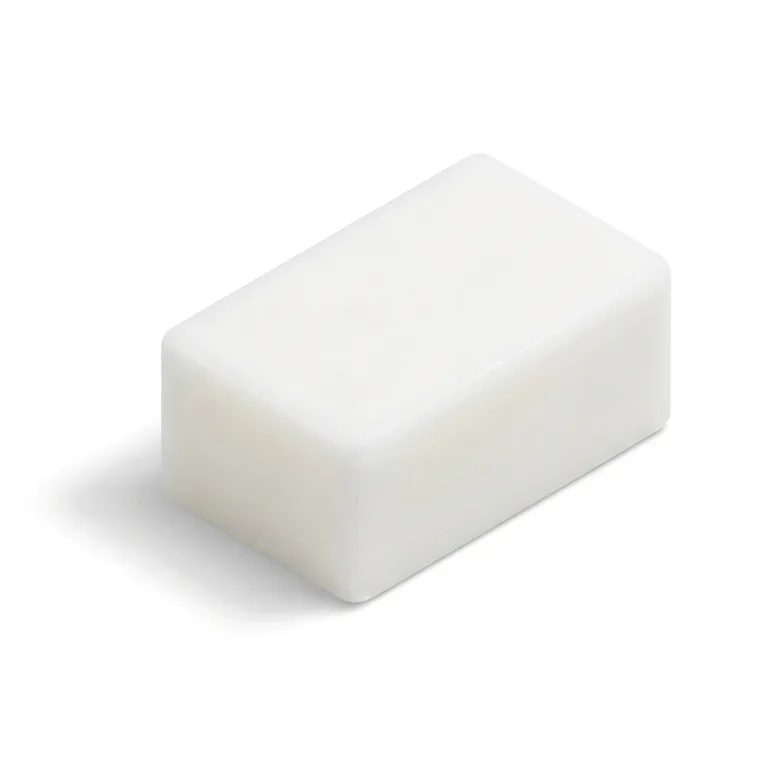 Ingredient note
Low residue diets limit high-fiber foods. Coconut oil is pure fat with no fiber, so it leaves virtually no residue. If you prefer to always avoid refined coconut oil, please tap it and change its rating to Red.
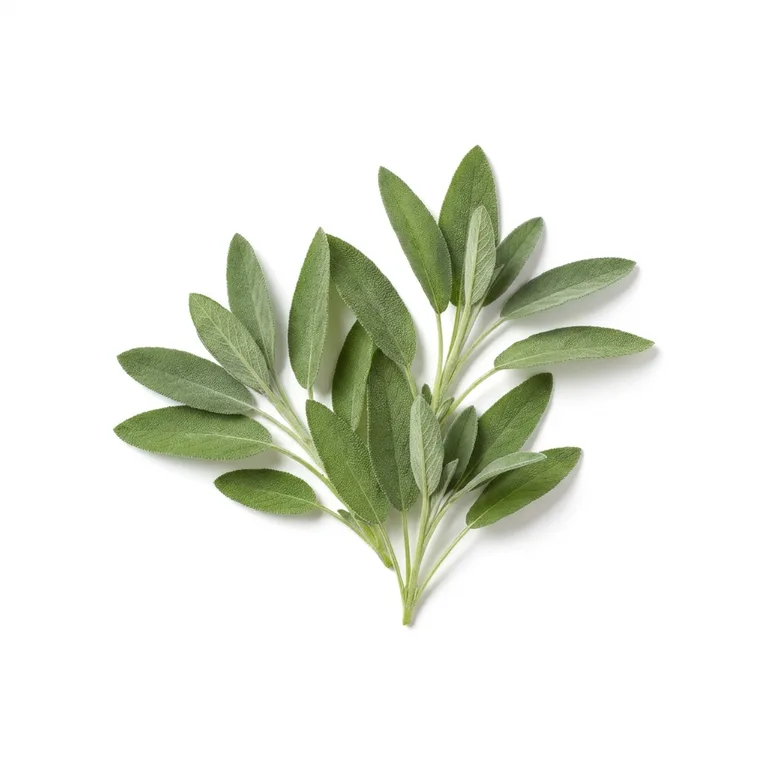
- 12 fresh sage leaves
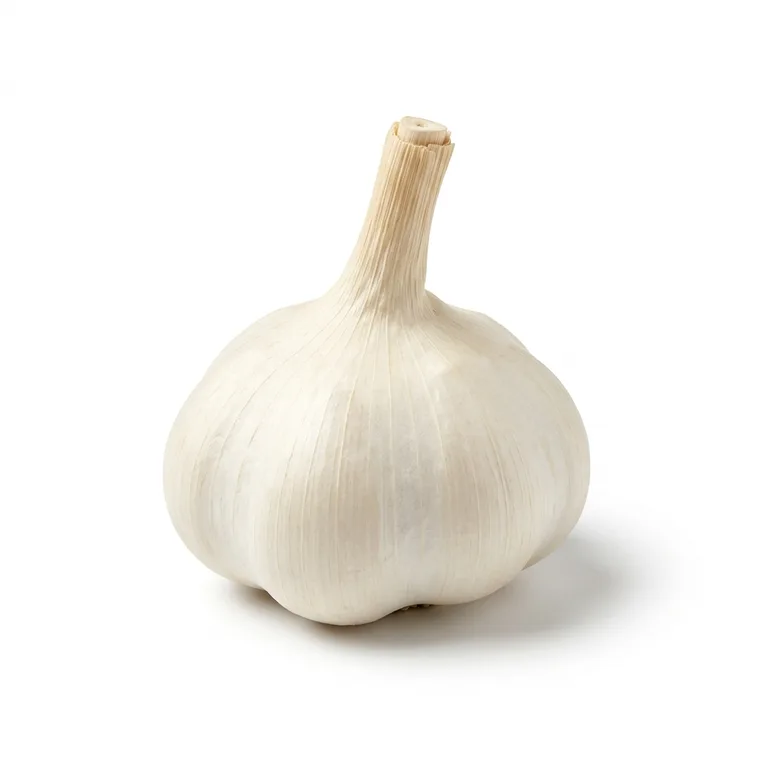
- 2 cloves garlic, thinly sliced
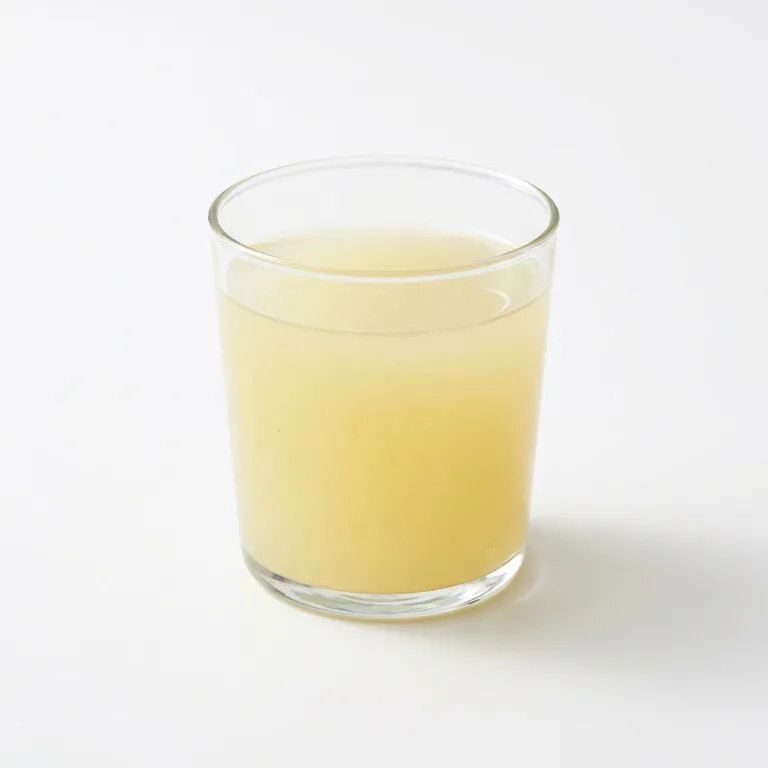
- 1 tbsp fresh lemon juice
 Ingredient note
Low residue diets limit the fiber in fruit. Juice has almost none of it and this recipe uses only about 3/4 teaspoon of lemon juice per serving, so a pulp-free juice here is likely Low Residue. If you prefer to always avoid lemon juice, please tap it and change its rating to Red.
For serving
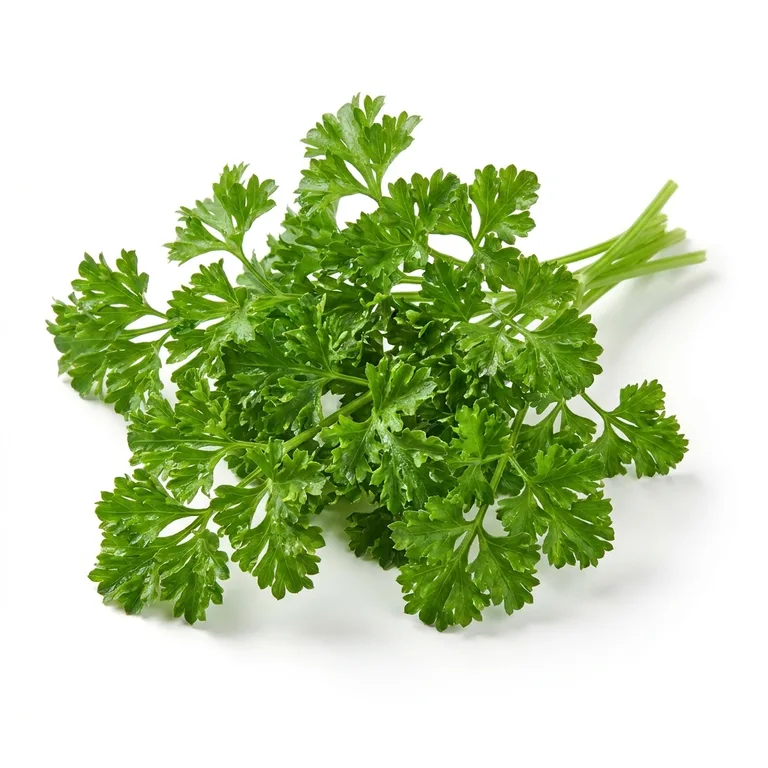
- 1 tbsp fresh parsley, roughly chopped (optional)
 Ingredient note
Low residue diets limit leafy greens and raw herbs. The parsley here is used only as a seasoning (about 3/4 teaspoon per serving), so it is likely Low Residue. If you prefer to always avoid fresh parsley, please tap it and change its rating to Red.
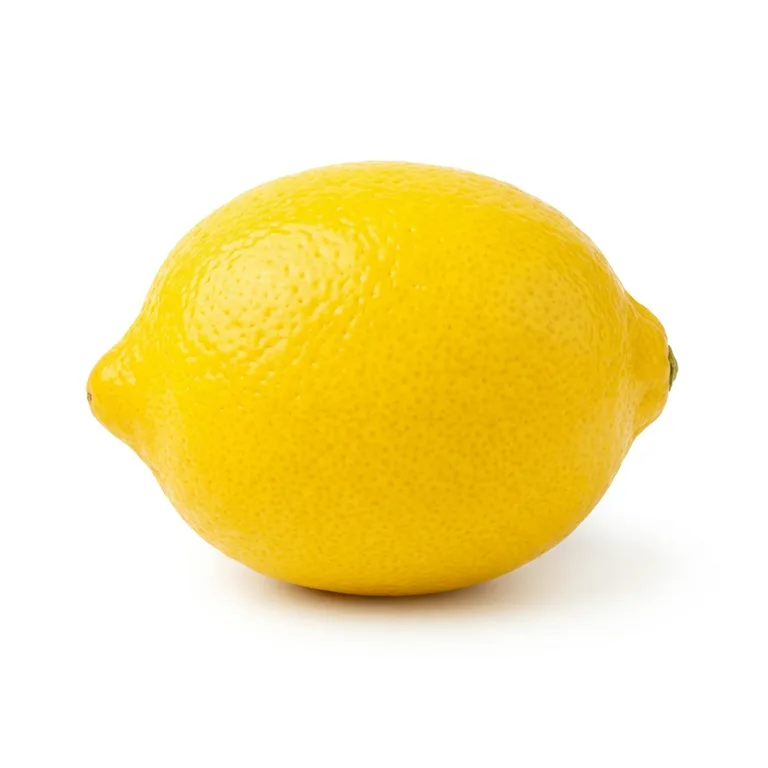
- lemon wedges, for serving (optional)
 Can be omitted
lemon
Instructions
- 1
Pat the sole fillets thoroughly dry with paper towels. Sprinkle both sides evenly with the sea salt and turmeric.
- 2
Heat 1 tbsp of the coconut oil in a 12-inch stainless steel or cast-iron skillet over medium-high heat until the oil shimmers and a drop of water flicked in sizzles immediately. Add 2 fillets in a single layer without crowding and sear undisturbed for 2–3 minutes, until the underside is golden and the fillet releases cleanly from the pan. Carefully flip with a fish spatula and cook for 1–2 minutes more, until the fish is opaque throughout and reaches 145°F (63°C) on an instant-read thermometer. Transfer to a warm plate and tent loosely. Repeat with the remaining 1 tbsp coconut oil and the remaining 2 fillets.
Want the full recipe?
Create a Fig account for step-by-step instructions, access to our full recipe library, and more!