
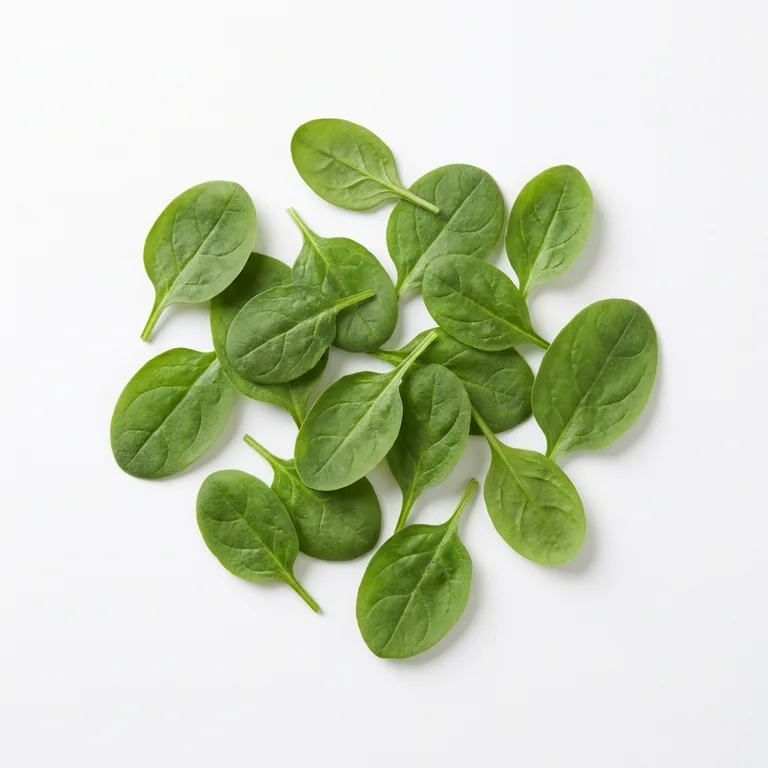
Bibimbap is one of those bowls that hits every note at once — savory, a little sweet, a little spicy, with a runny egg yolk that ties everything together when you break it open. This version captures all of that energy while swapping in cauliflower rice for the traditional grain base, which gets pressed dry and pan-fried until it's lightly golden and genuinely satisfying. Coconut aminos stand in for soy sauce throughout, delivering that deep, umami-rich flavor in the seasoned beef, the sautéed vegetables, and the drizzle-worthy bibimbap sauce without any legumes or grains in sight. The vegetables — julienned carrots and zucchini, silky shiitake mushrooms, and wilted baby spinach — are each cooked separately so every component keeps its own texture and character. Fresh ginger, toasted sesame oil, apple cider vinegar, and a pinch of red pepper flakes make the sauce bright and bold, the kind of thing you'll want to put on everything. Each of the four bowls gets its own fried egg right in the center, and the whole assembly looks as impressive as anything you'd order at a restaurant. It's a genuinely fun cook with a payoff that makes the effort feel completely worth it.
 About Fig
Fig is a food discovery app that helps you find foods and recipes that fit your dietary needs. Whether you have food allergies, intolerances, or follow a specific diet, Fig makes it easy to eat with confidence.
Learn more →4 servings
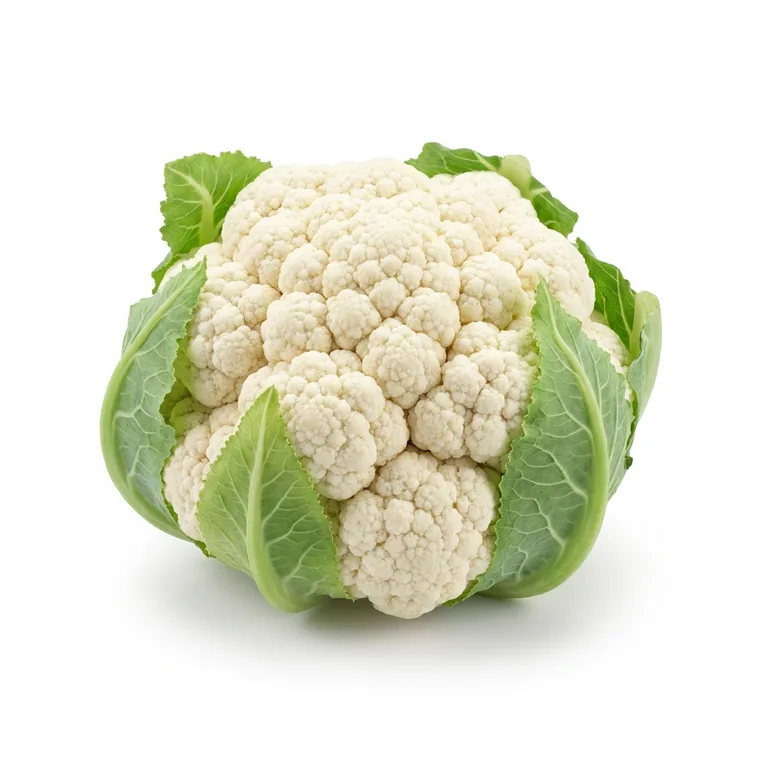


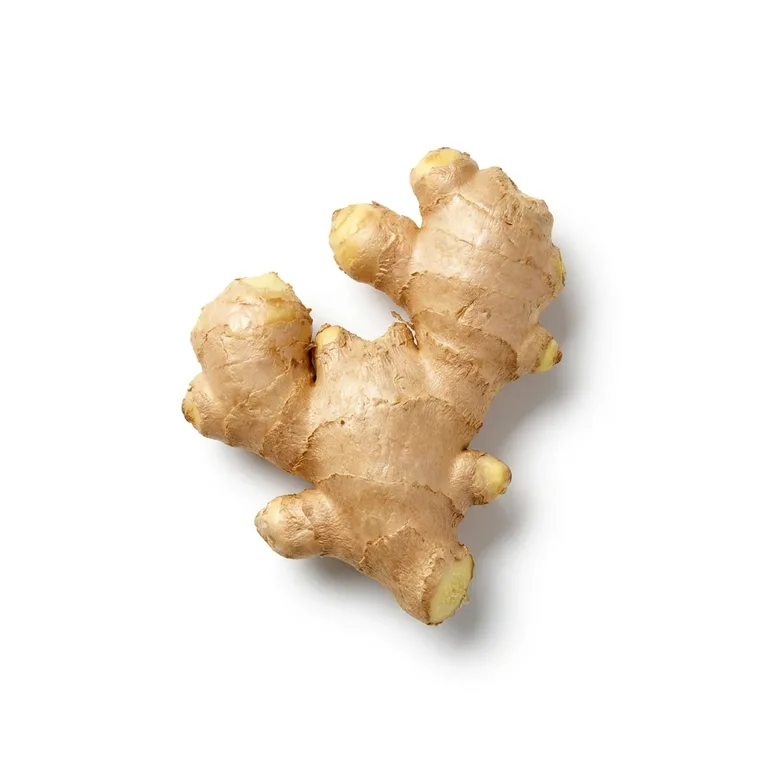

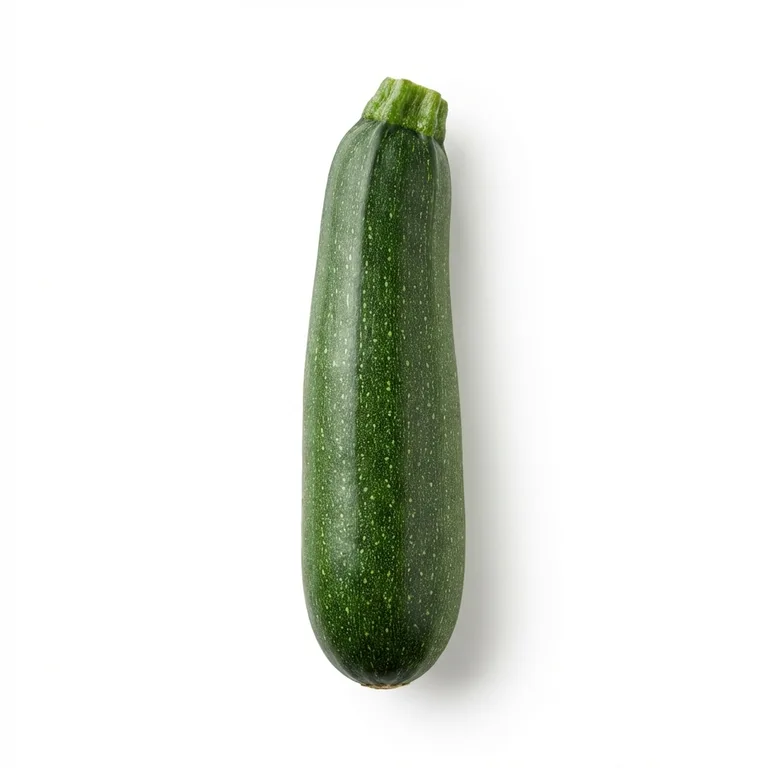
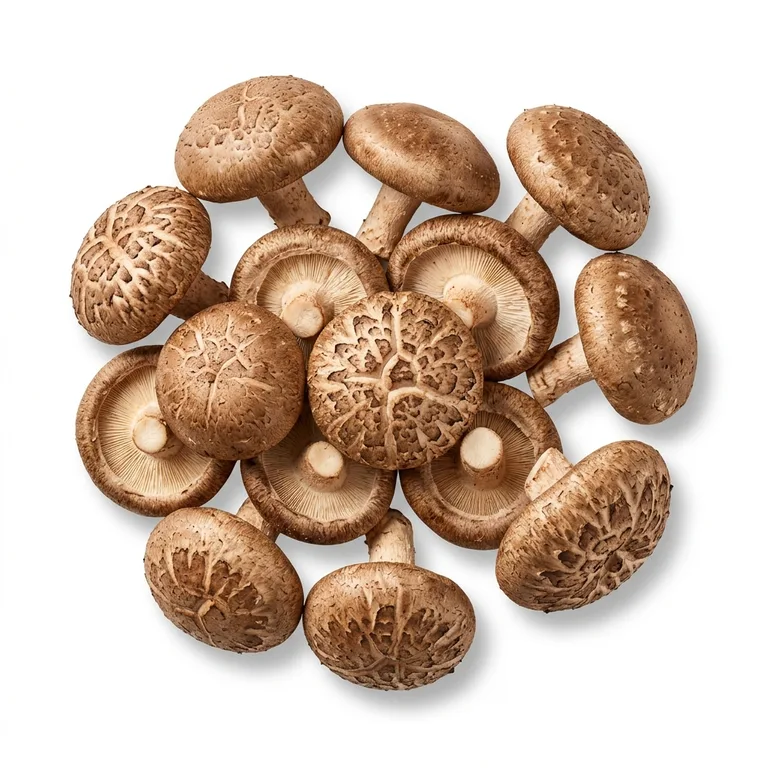


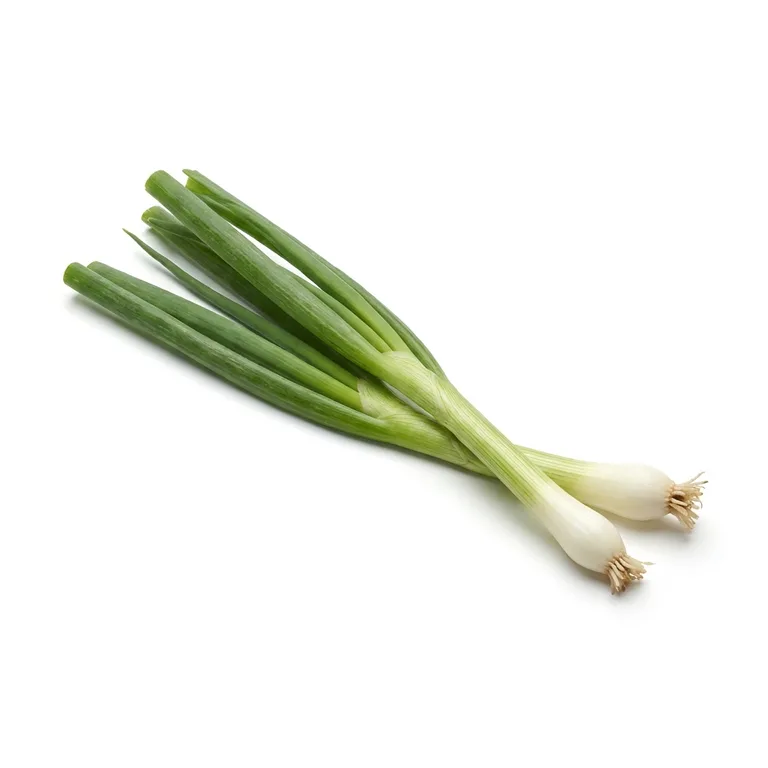
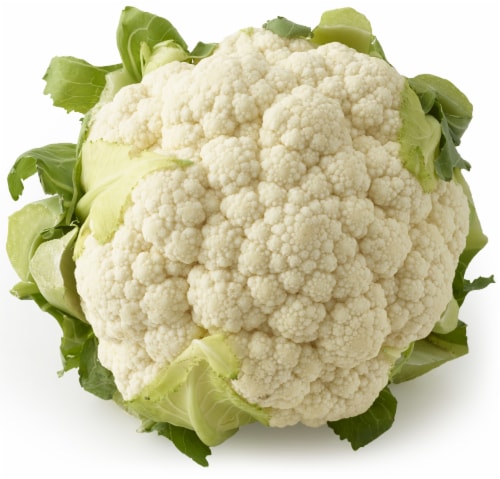
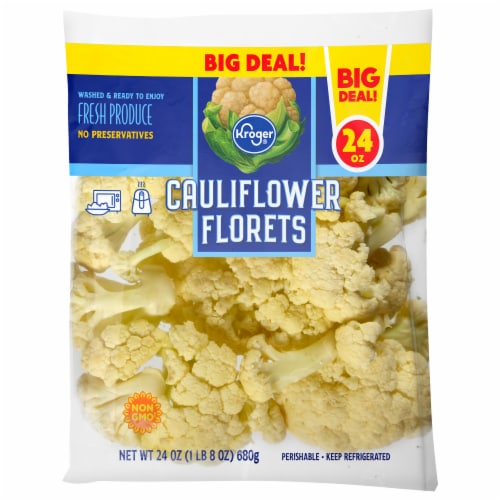
Pulse the cauliflower florets in a food processor in two batches until broken down into rice-sized pieces, about 8–10 pulses per batch. Alternatively, grate on the large holes of a box grater. Spread on a clean kitchen towel and press firmly to remove excess moisture.
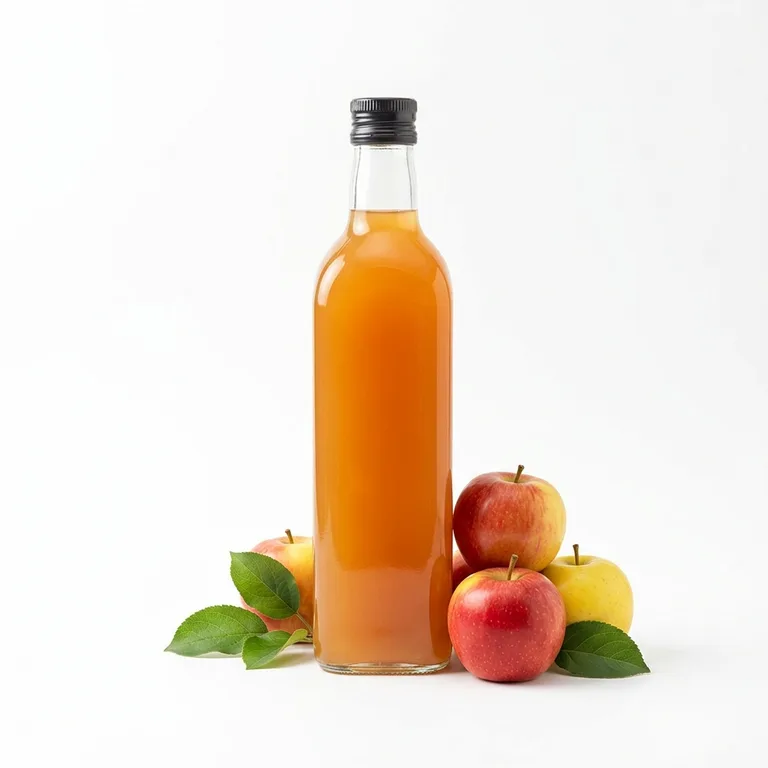
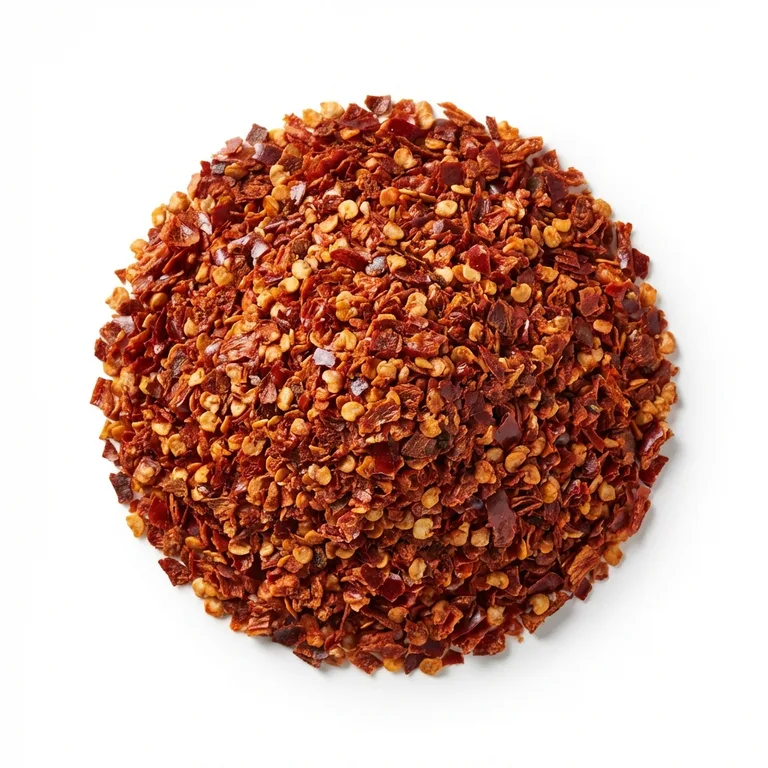
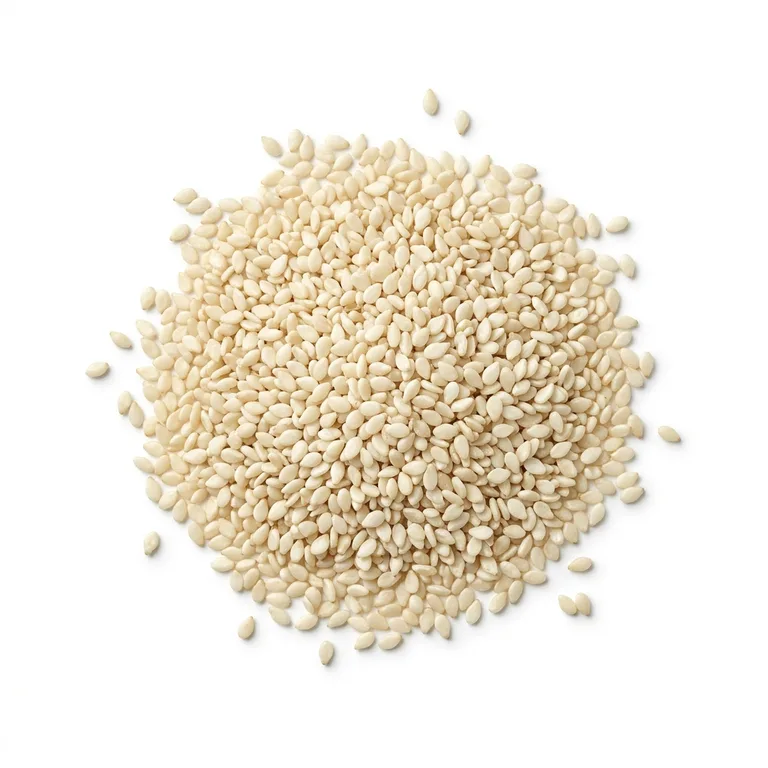
Make the bibimbap sauce: whisk together the 3 tbsp coconut aminos, 1 tbsp toasted sesame oil, apple cider vinegar, honey, 1 tsp grated ginger, and red pepper flakes in a small bowl until combined. Set aside.
Create a Fig account for step-by-step instructions, access to our full recipe library, and more!


 (16k)
(16k)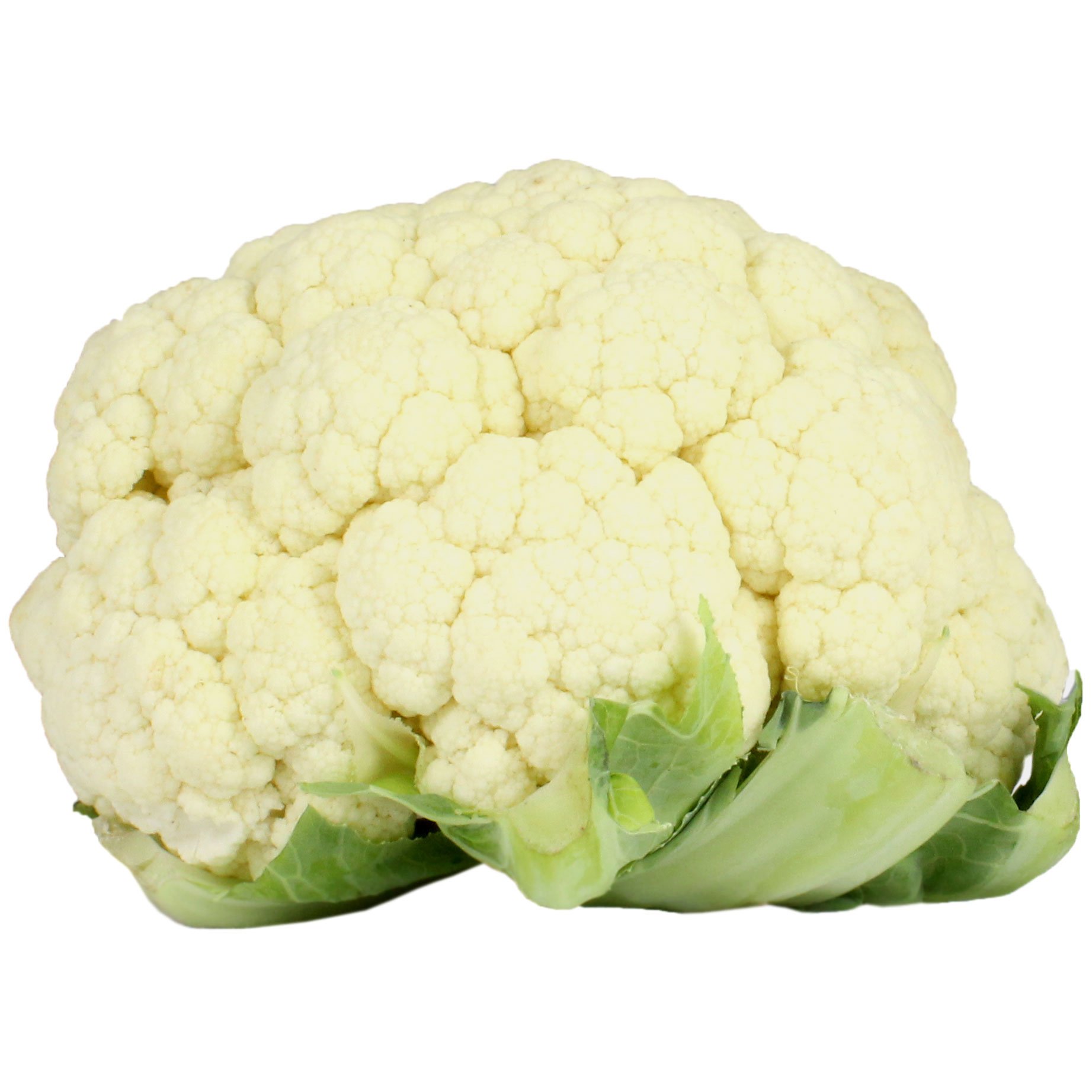


:format(jpg)/d2lnr5mha7bycj.cloudfront.net/product-image/file/large_4ba9e8c4-c899-4742-93b0-4593cec5857b.png)