 About Fig
Fig is a food discovery app that helps you find foods and recipes that fit your dietary needs. Whether you have food allergies, intolerances, or follow a specific diet, Fig makes it easy to eat with confidence.
Learn more →4 servings
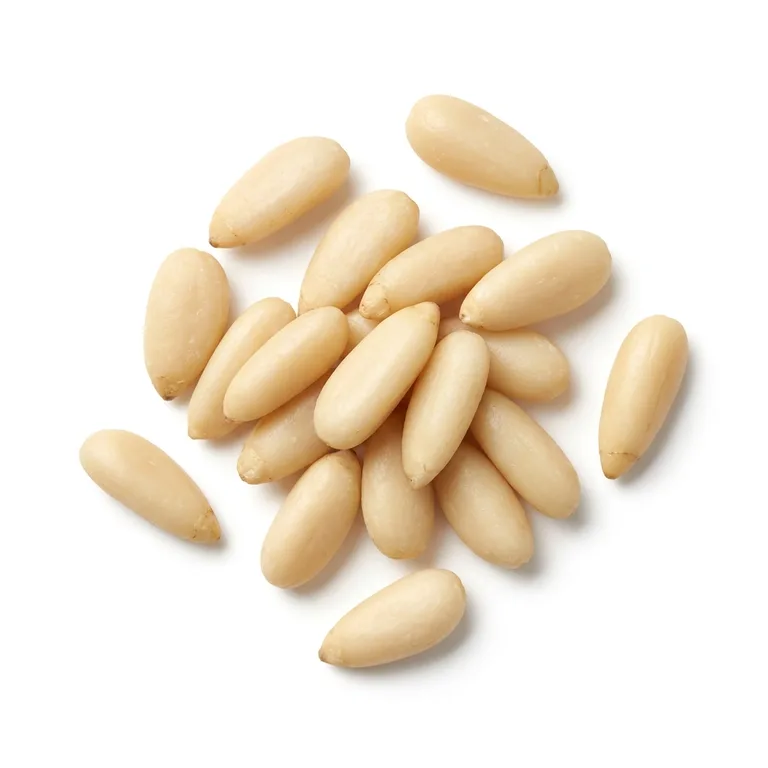
The Mold Detox diet is cautious about nuts because badly stored nuts can carry mold, but fresh pine nuts are likely tolerated by many on this diet. Buy nuts that look and smell fresh, and keep opened packages in the fridge or freezer. If you prefer to always avoid pine nuts, please tap it and change its rating to Red.
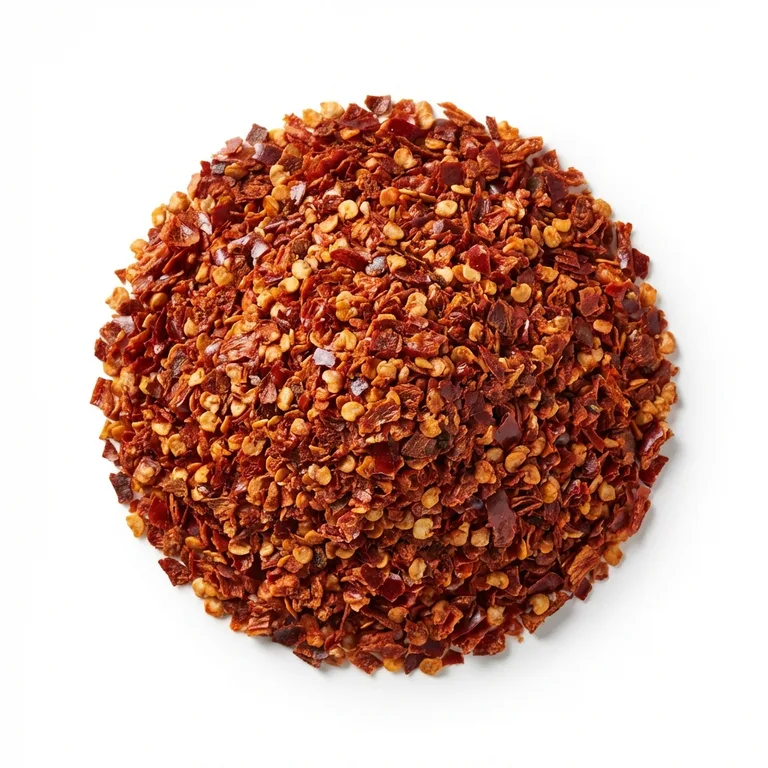
Dried red pepper flakes can sometimes contain mold toxins, but the trace amount used here is so small that it is likely tolerated by many. When possible, use a recently purchased organic spice and store it tightly closed in a cool, dry place. If you prefer to always avoid red pepper flakes, please tap it and change its rating to Red.
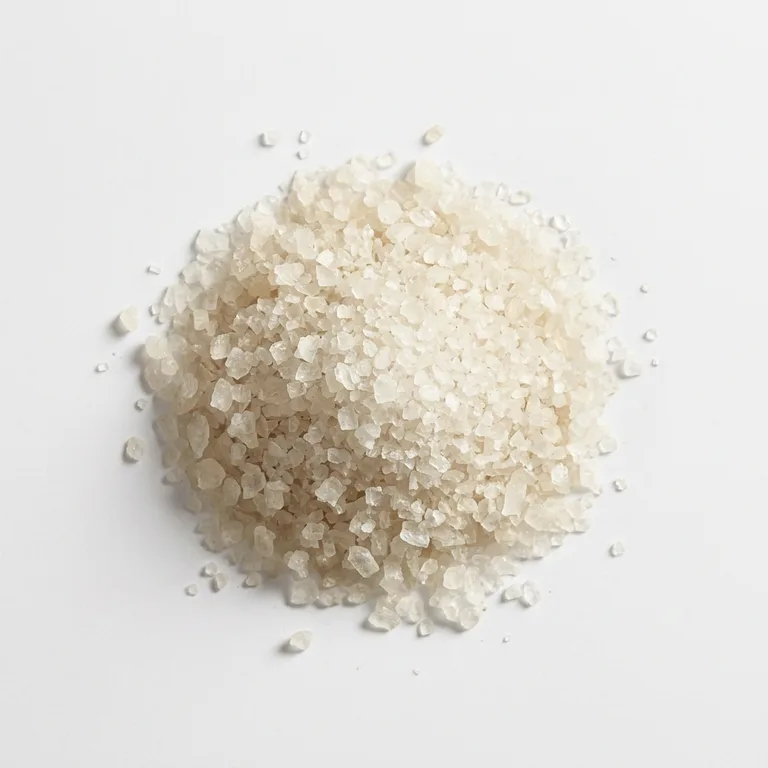
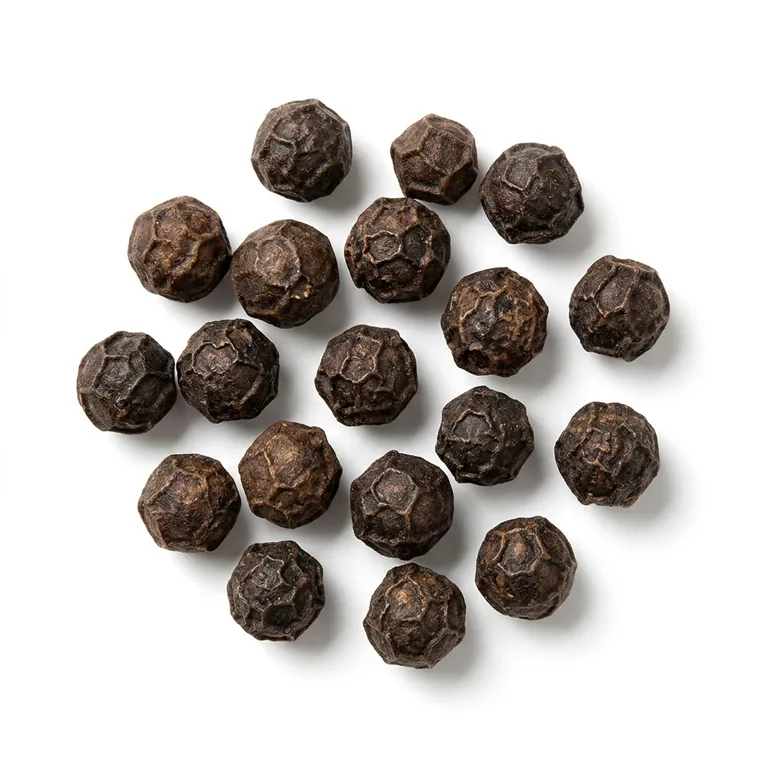
Dried black pepper can sometimes contain mold toxins, but the trace amount used here is so small that it is likely tolerated by many. When possible, use a recently purchased organic spice and store it tightly closed in a cool, dry place. If you prefer to always avoid black pepper, please tap it and change its rating to Red.
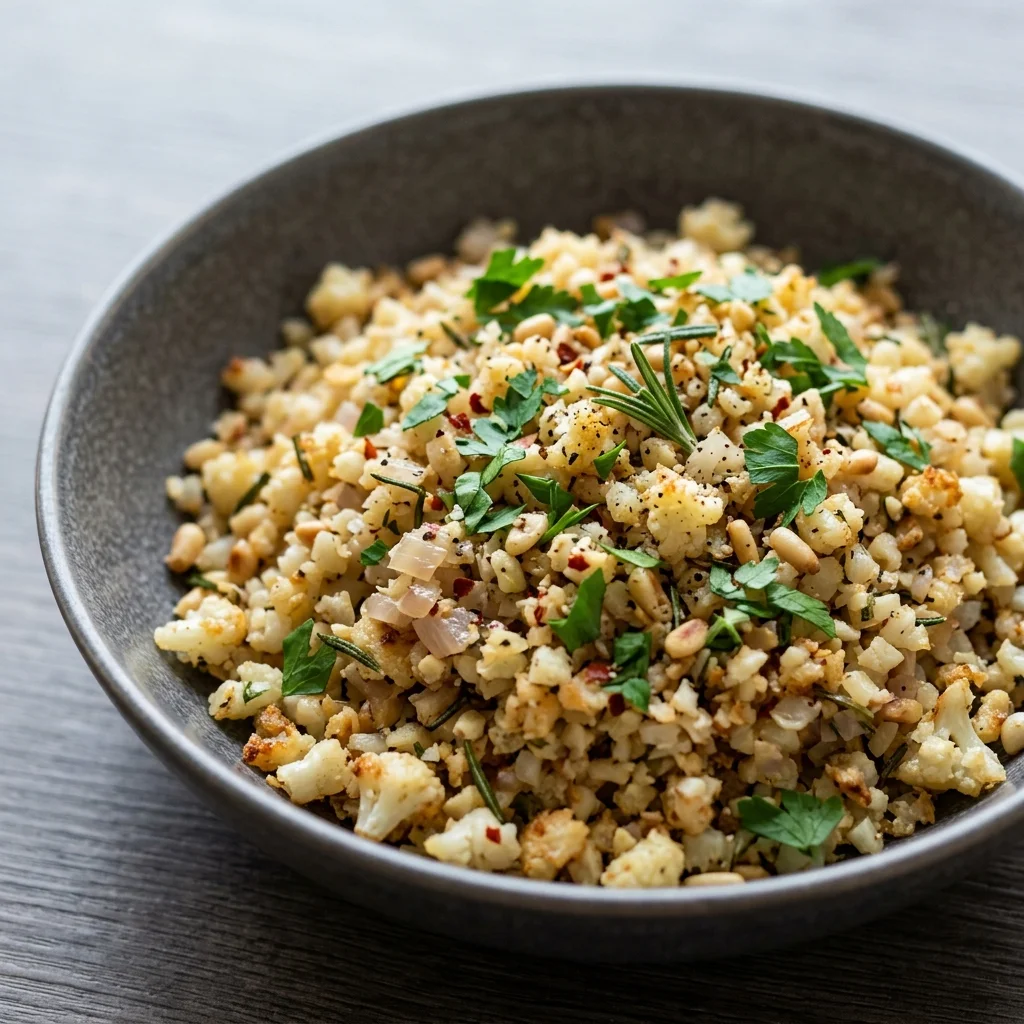
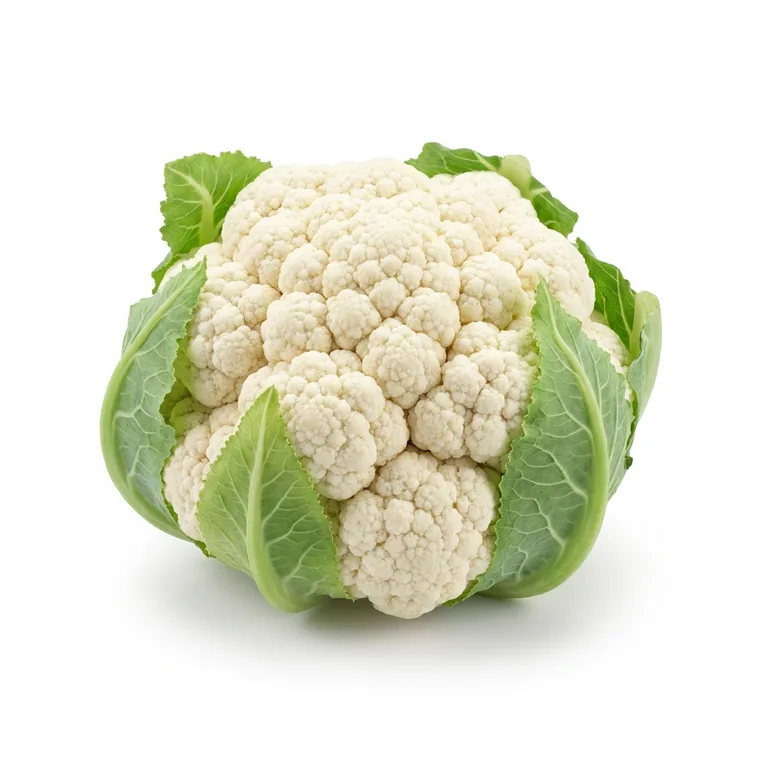
Working in two batches, pulse the cauliflower florets in a food processor until broken down into rice-sized pieces, about 8–10 short pulses per batch. Alternatively, grate the florets on the large holes of a box grater. Spread the riced cauliflower on a clean kitchen towel or paper towels and press firmly to remove as much moisture as possible — dry cauliflower is what allows it to crisp rather than steam.
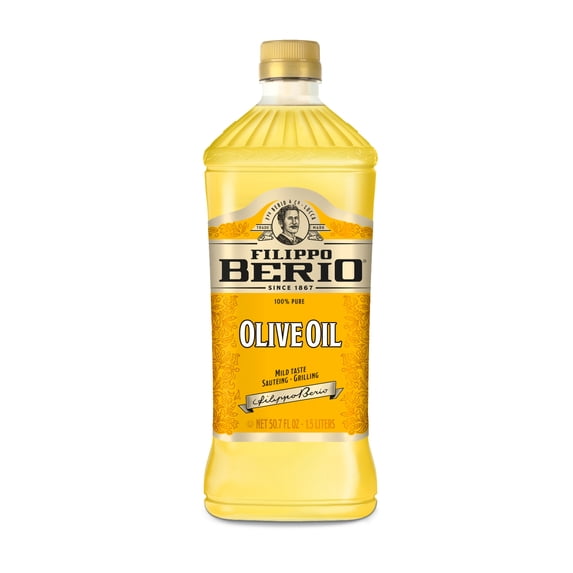
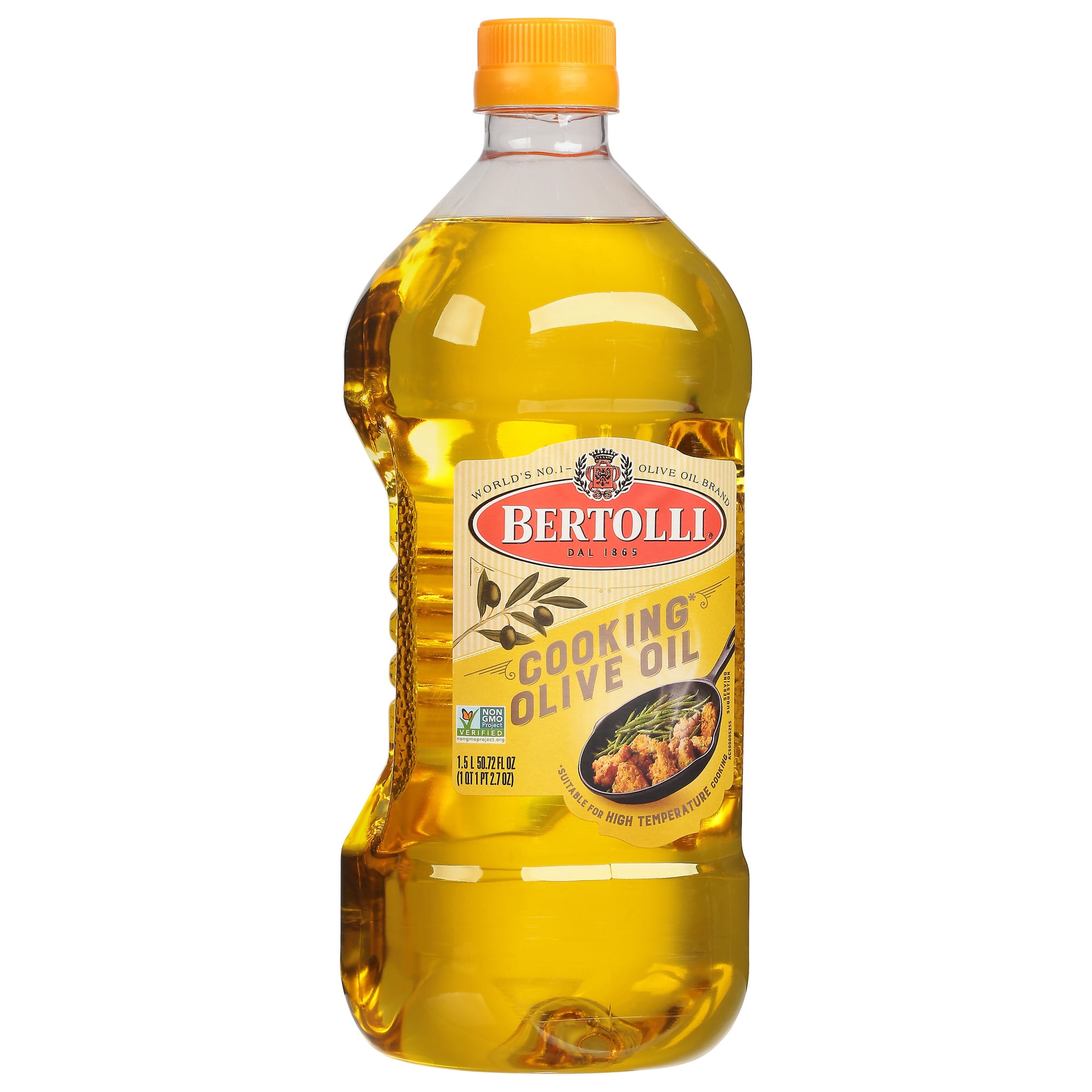
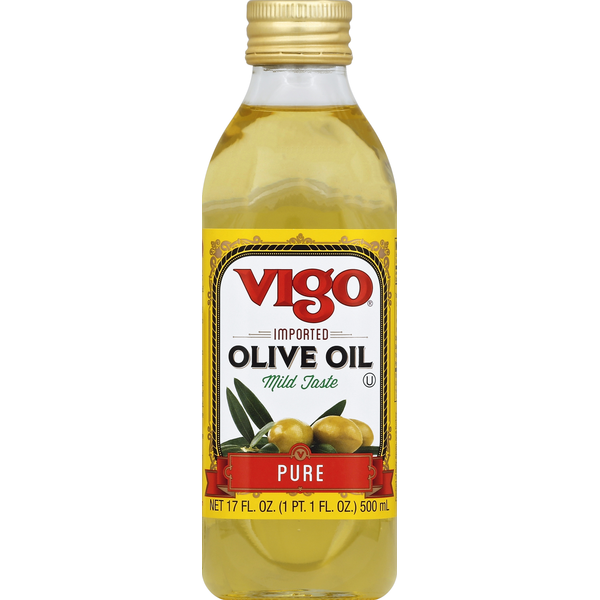
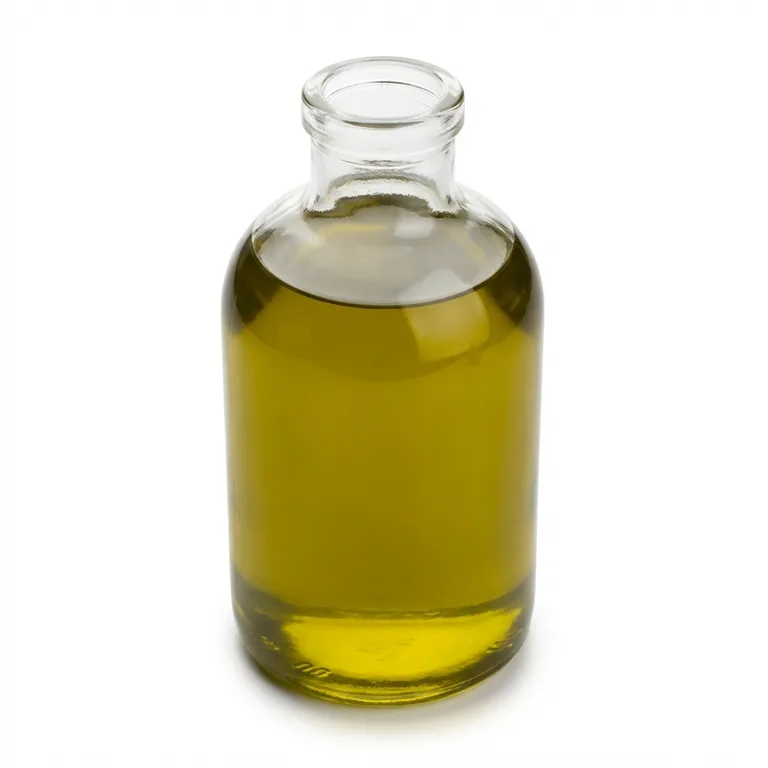
Heat 1 tbsp of the olive oil in a large (12-inch) skillet over medium heat. Add the pine nuts and cook, stirring frequently, until golden and fragrant, about 2–3 minutes — watch closely, as they can brown quickly. Transfer to a small bowl and set aside.
Create a Fig account for step-by-step instructions, access to our full recipe library, and more!


 (16k)
(16k)