
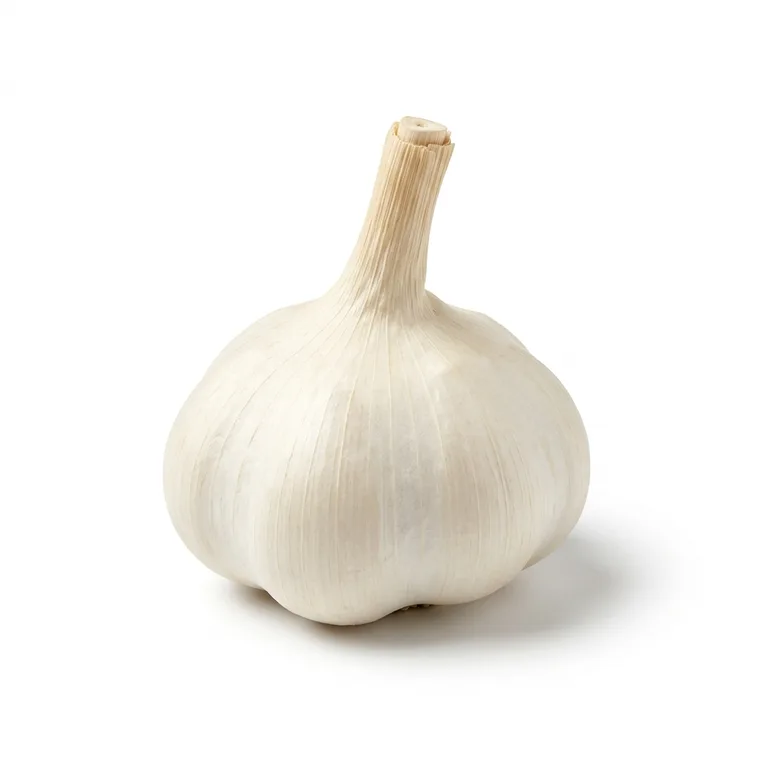
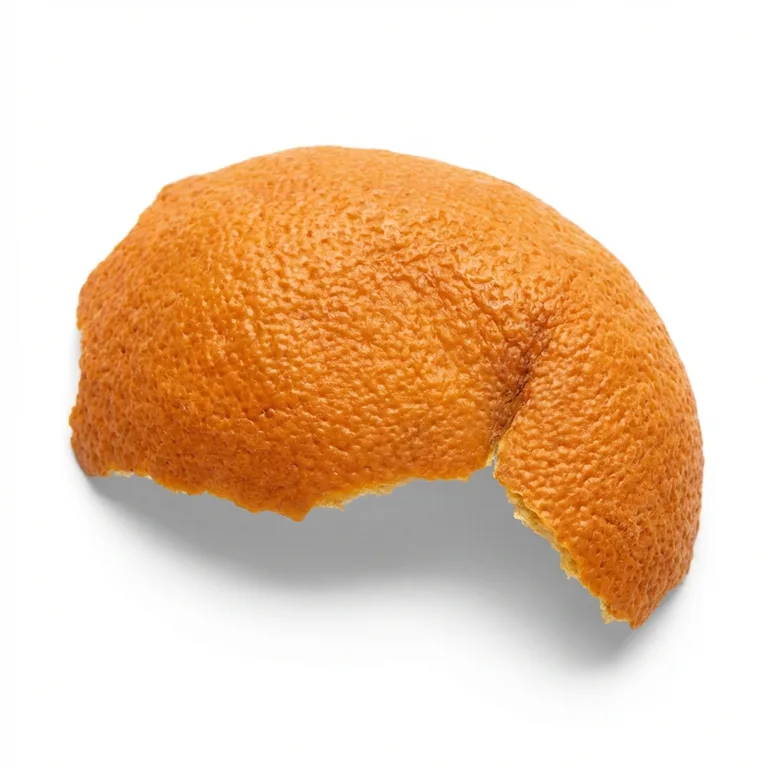
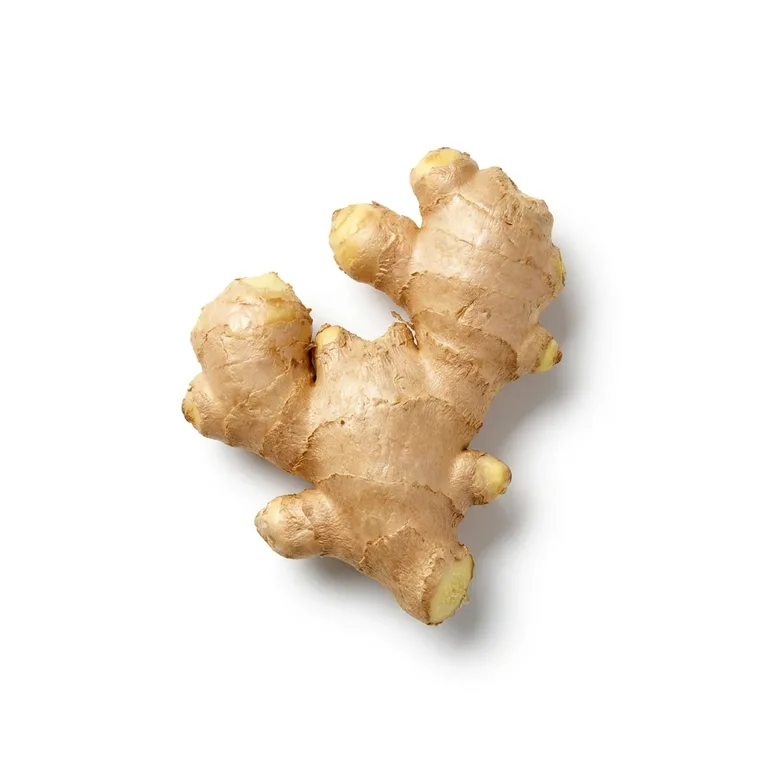
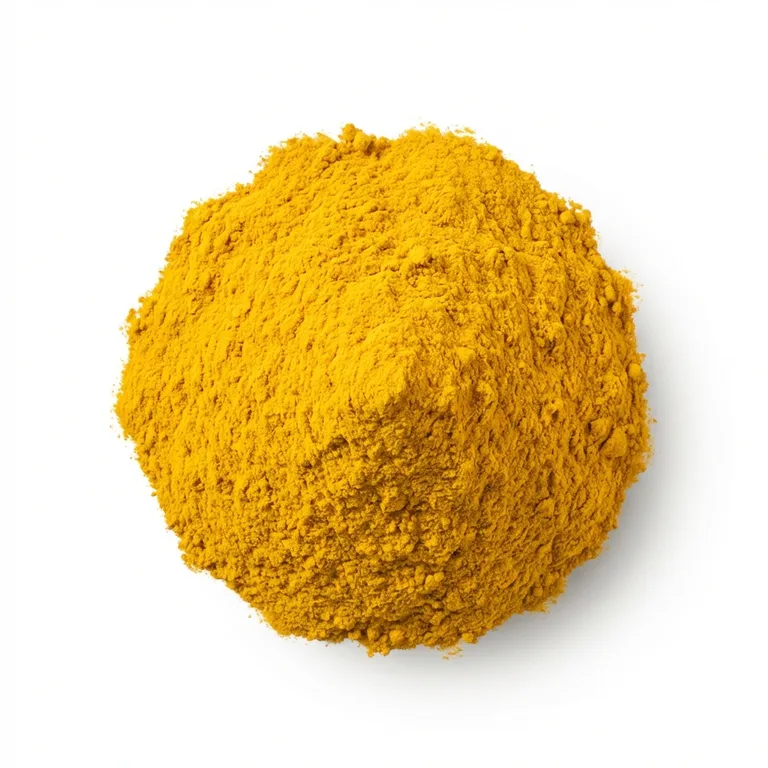
Sauerkraut gets a bright, aromatic makeover here, swapping out the usual heat-forward add-ins for a combination of fresh orange zest, sliced garlic, grated ginger, and golden turmeric. The result is a ferment that smells incredible from day one and develops a tangy, citrusy depth that pairs beautifully with everything from grain bowls to grilled proteins. For anyone avoiding capsaicin, store-bought krauts and fermented condiments can be a minefield — chili flakes and hot pepper extracts show up in the most unexpected places — so making your own from scratch puts you fully in control. The process is straightforward: massage salted cabbage until it releases its own brine, pack it into a mason jar with the aromatics, and let time do the rest. Within a few days you'll see bubbles forming, a sure sign that fermentation is working its magic. Tasting on day three lets you dial in exactly how tangy you want it before sealing it up and moving it to the fridge, where it keeps on developing flavor slowly. It's the kind of project that feels almost effortless once you've done it, and the payoff — a jar of genuinely vibrant, heat-free sauerkraut — is absolutely worth it.
 About Fig
Fig is a food discovery app that helps you find foods and recipes that fit your dietary needs. Whether you have food allergies, intolerances, or follow a specific diet, Fig makes it easy to eat with confidence.
Learn more →8 servings
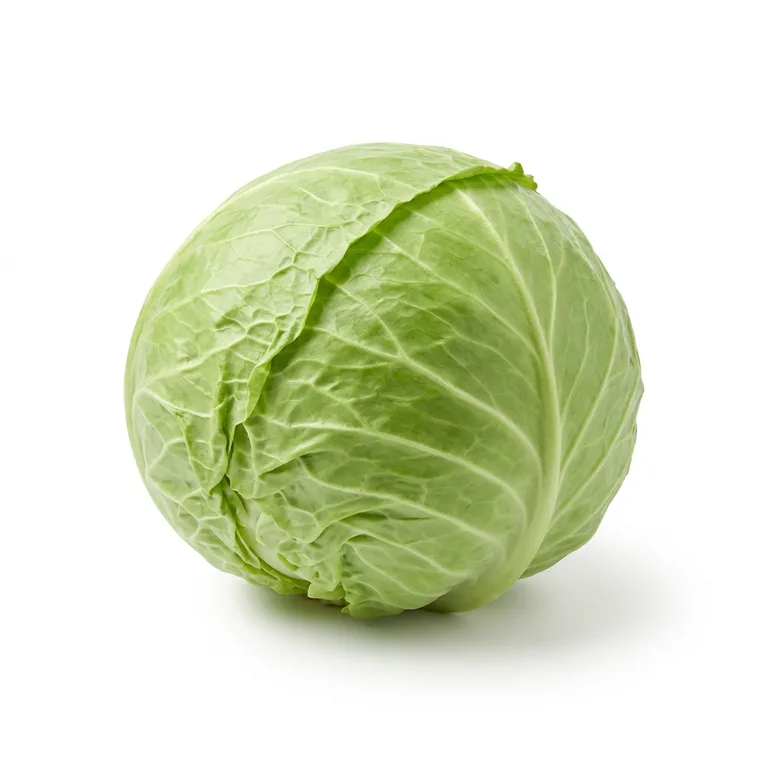
Quarter the cabbage through the core, then cut out and discard the core. Slice each quarter crosswise into thin shreds about 1/8-inch thick. Reserve one of the large outer leaves before discarding the rest.
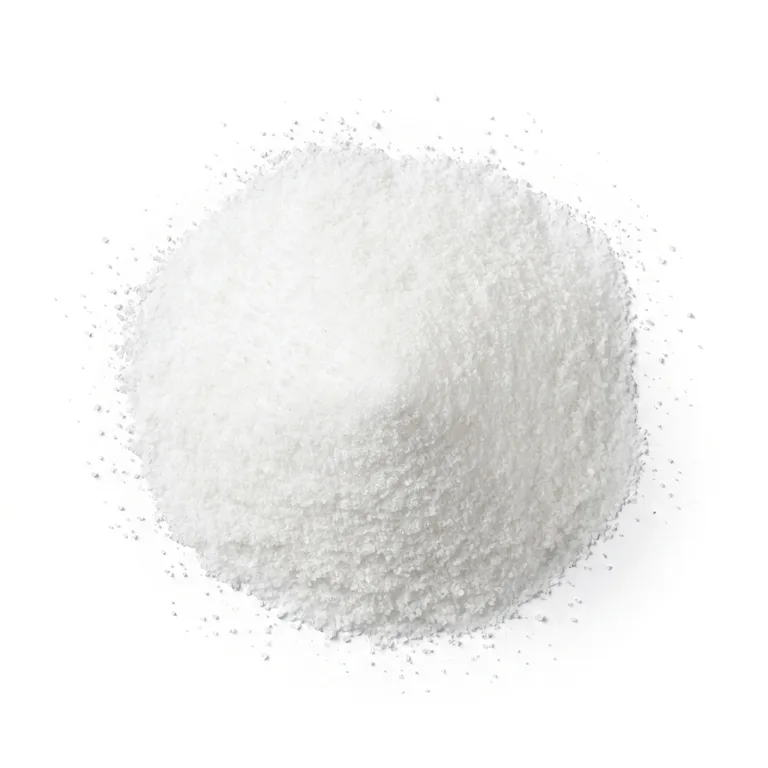
Transfer the shredded cabbage to a large mixing bowl. Sprinkle the sea salt evenly over the cabbage, then massage and squeeze firmly with both hands for 8–10 minutes, until the cabbage has released a significant amount of liquid and feels limp and wet — the brine should pool visibly at the bottom of the bowl.
Create a Fig account for step-by-step instructions, access to our full recipe library, and more!


 (16k)
(16k)