
Mold Detox Friendly Octopus with Olive Oil and Lemon

 About Fig
Fig is a food discovery app that helps you find foods and recipes that fit your dietary needs. Whether you have food allergies, intolerances, or follow a specific diet, Fig makes it easy to eat with confidence.
Learn more →Ingredients
4 servings
For the octopus
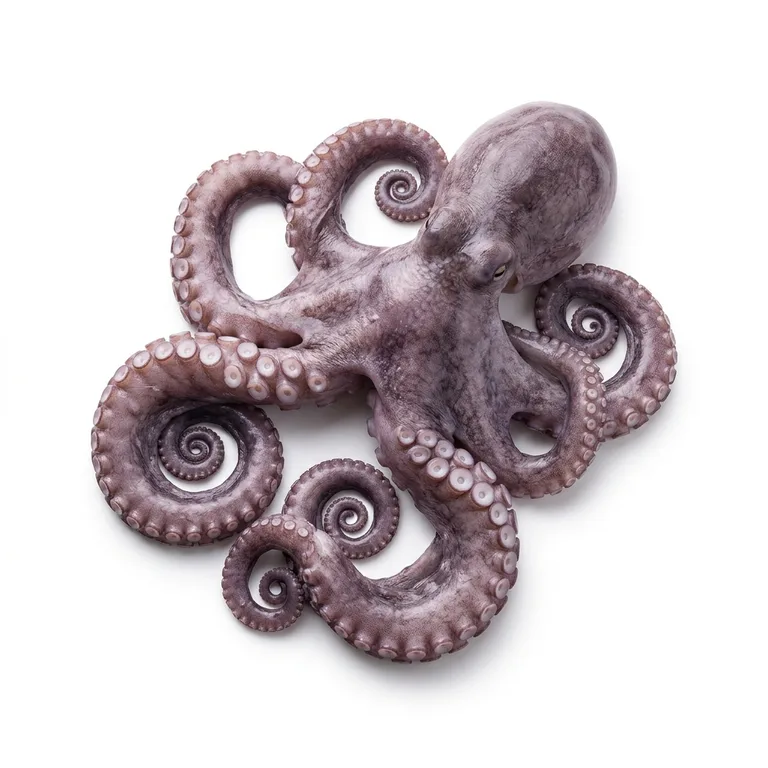
- 2 lb octopus, cleaned (fresh or thawed from frozen)
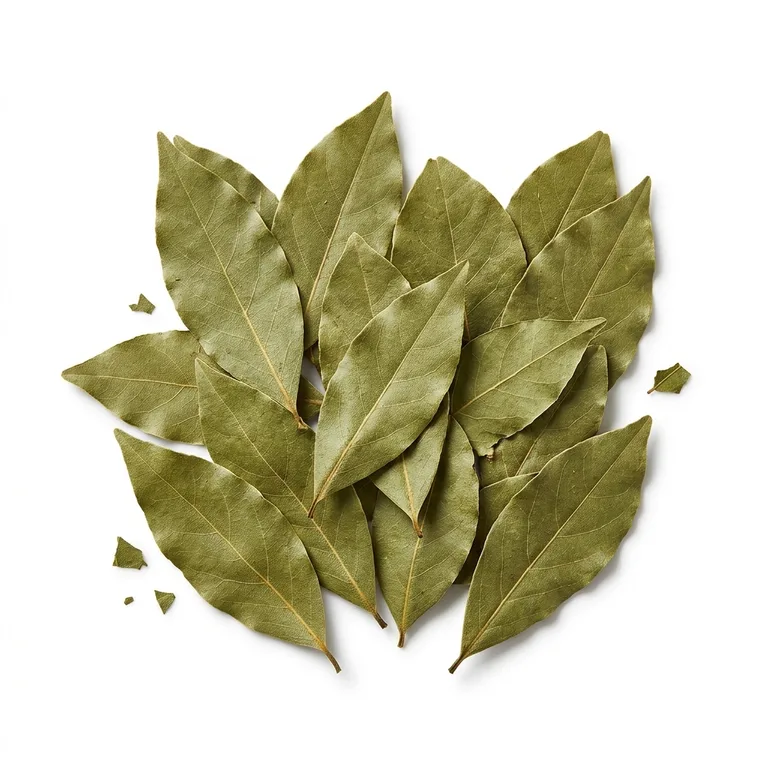
- 1 bay leaf
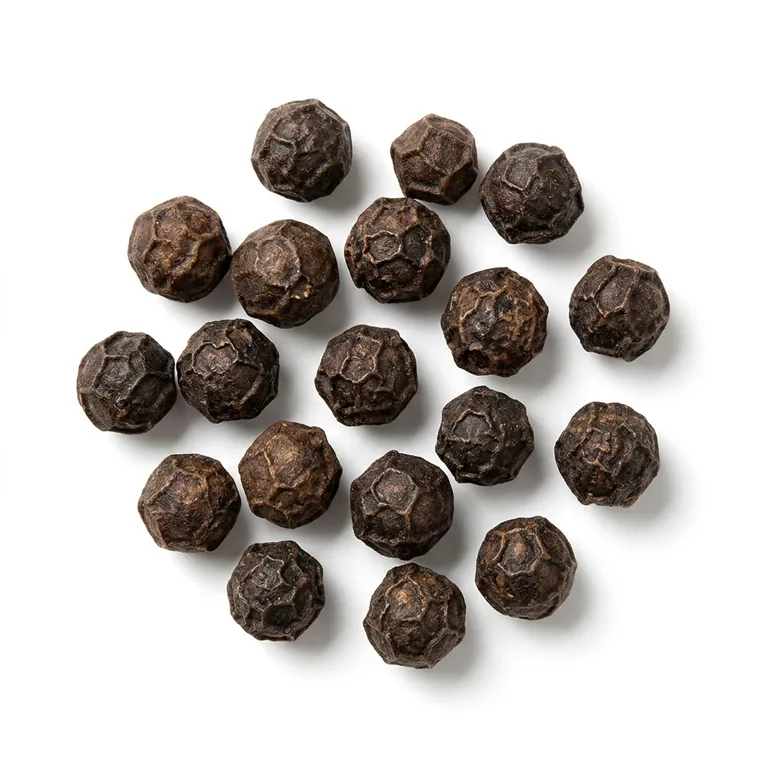
- 4 whole black peppercorns
 Ingredient note
Dried black pepper can sometimes contain mold toxins, but the trace amount used here is so small that it is likely tolerated by many. When possible, use a recently purchased organic spice and store it tightly closed in a cool, dry place. If you prefer to always avoid black pepper, please tap it and change its rating to Red.
For the dressing
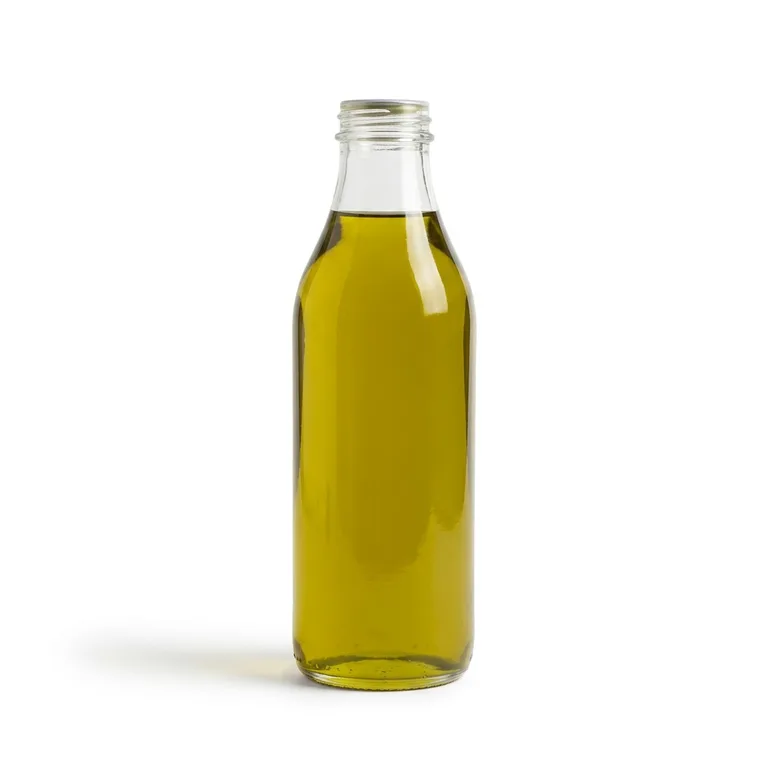
- ¼ cup extra-virgin olive oil
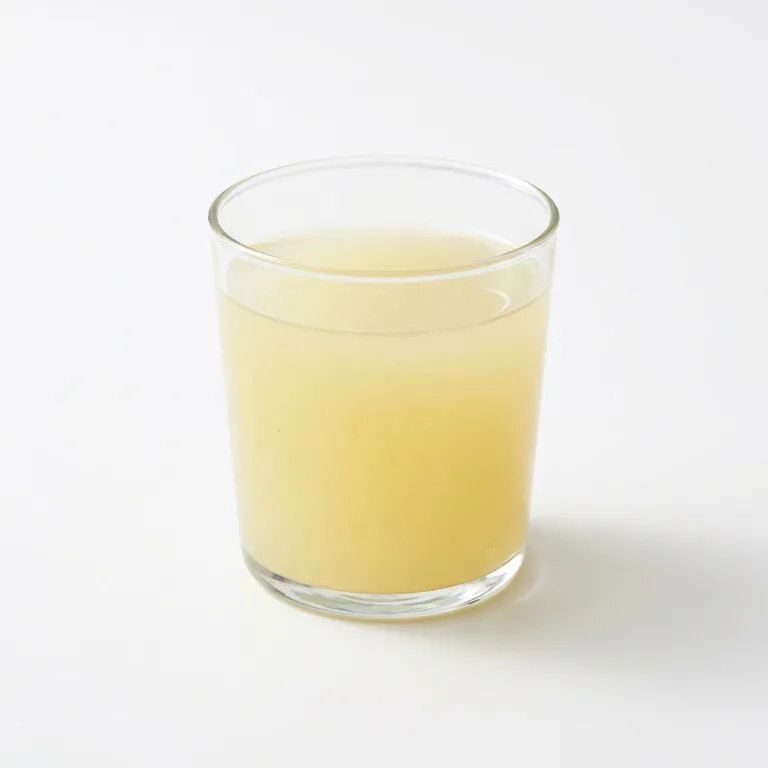
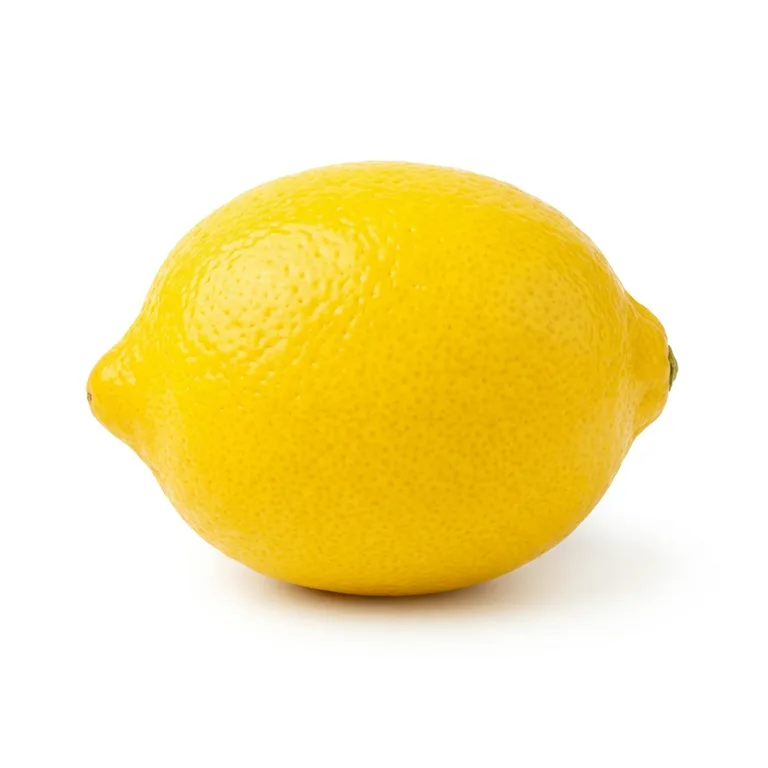
- 3 tbsp fresh lemon juice (from about 1 large lemon)
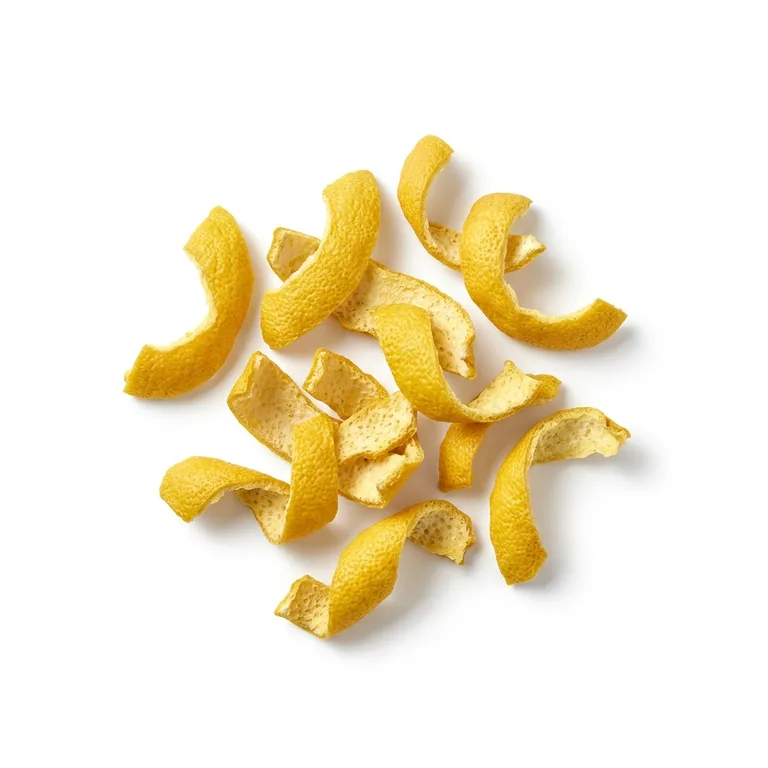
- 1 tsp lemon zest
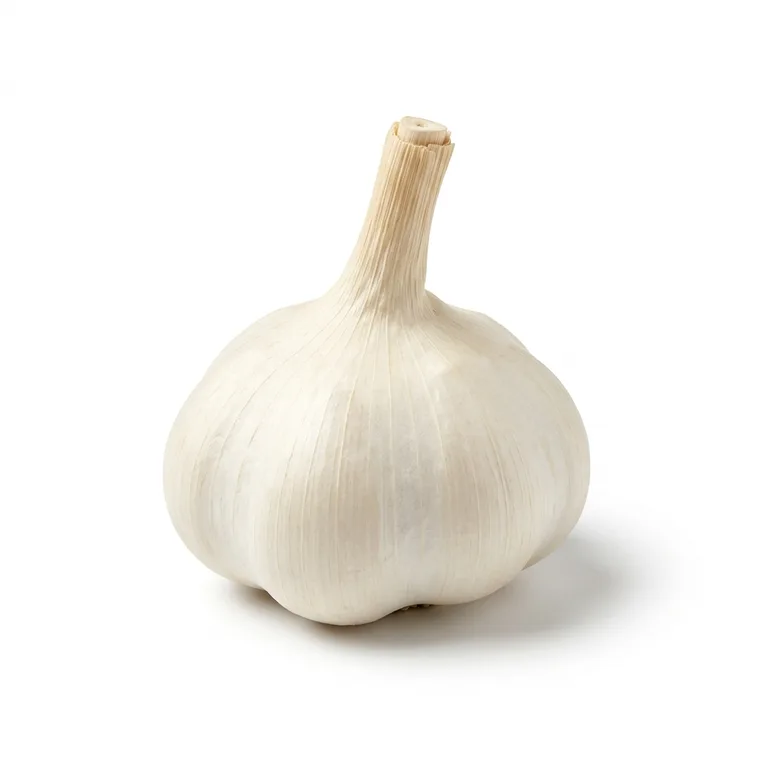
- 2 cloves garlic, minced
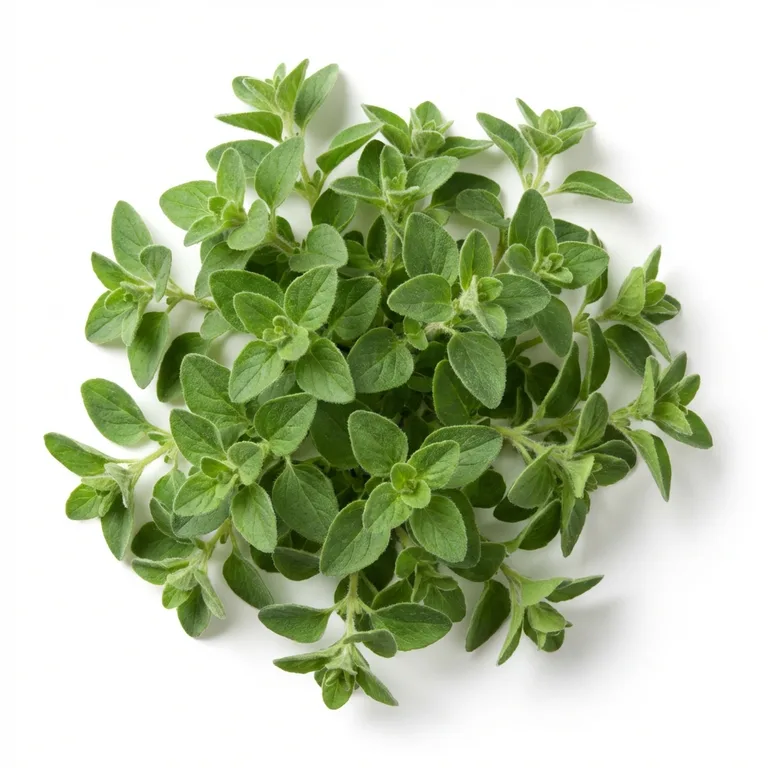
- ½ tsp dried oregano
- ¼ tsp red pepper flakes
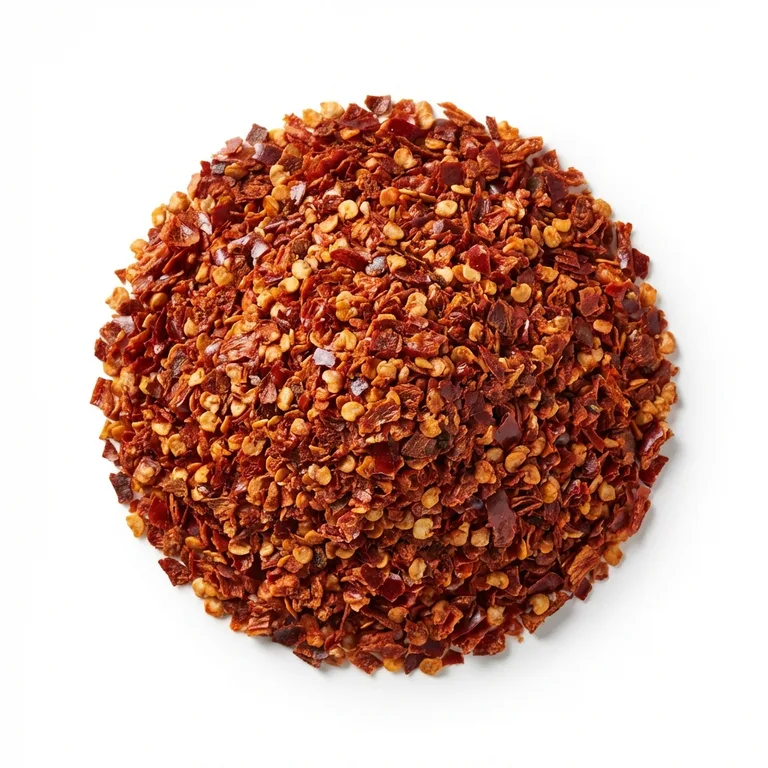 Ingredient note
Dried red pepper flakes can sometimes contain mold toxins, but the trace amount used here is so small that it is likely tolerated by many. When possible, use a recently purchased organic spice and store it tightly closed in a cool, dry place. If you prefer to always avoid red pepper flakes, please tap it and change its rating to Red.
- ½ tsp salt, plus more to taste
- ¼ tsp black pepper, freshly groundIngredient note
Dried black pepper can sometimes contain mold toxins, but the trace amount used here is so small that it is likely tolerated by many. When possible, use a recently purchased organic spice and store it tightly closed in a cool, dry place. If you prefer to always avoid black pepper, please tap it and change its rating to Red.
For serving
- 2 tbsp fresh flat-leaf parsley, roughly chopped
- lemon wedges, for serving
Instructions
- 1
Place the octopus in a large pot with the bay leaf and peppercorns. Add enough cold water to cover by about 2 inches. Bring to a boil over high heat, then reduce to a steady simmer.
- 2
Simmer uncovered for 45–60 minutes, until the thickest part of a tentacle is tender when pierced with a knife and an instant-read thermometer inserted into the thickest part reads at least 145°F (63°C). Cooking time will vary with the size of the octopus — start checking at 45 minutes.
Want the full recipe?
Create a Fig account for step-by-step instructions, access to our full recipe library, and more!