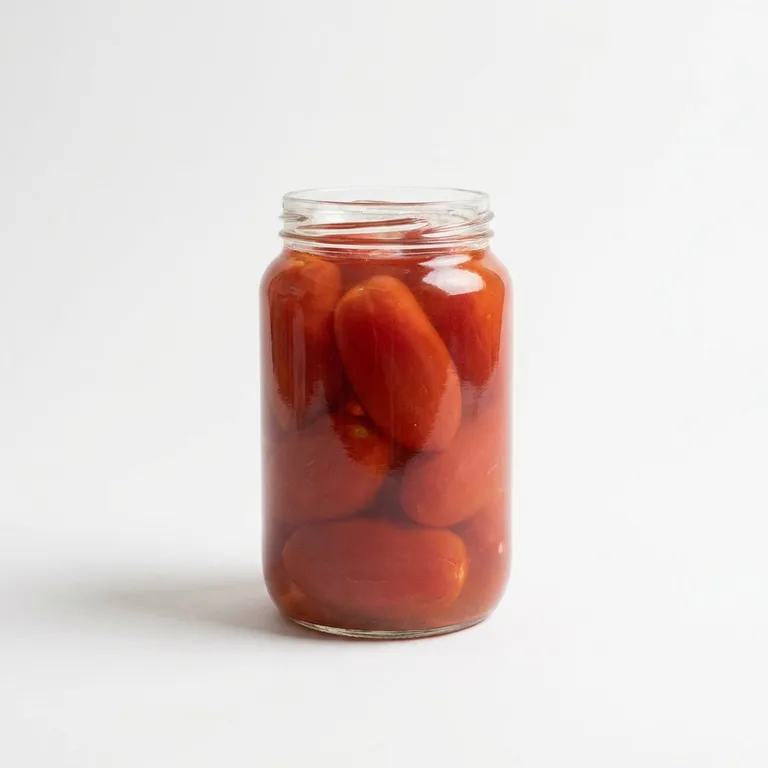
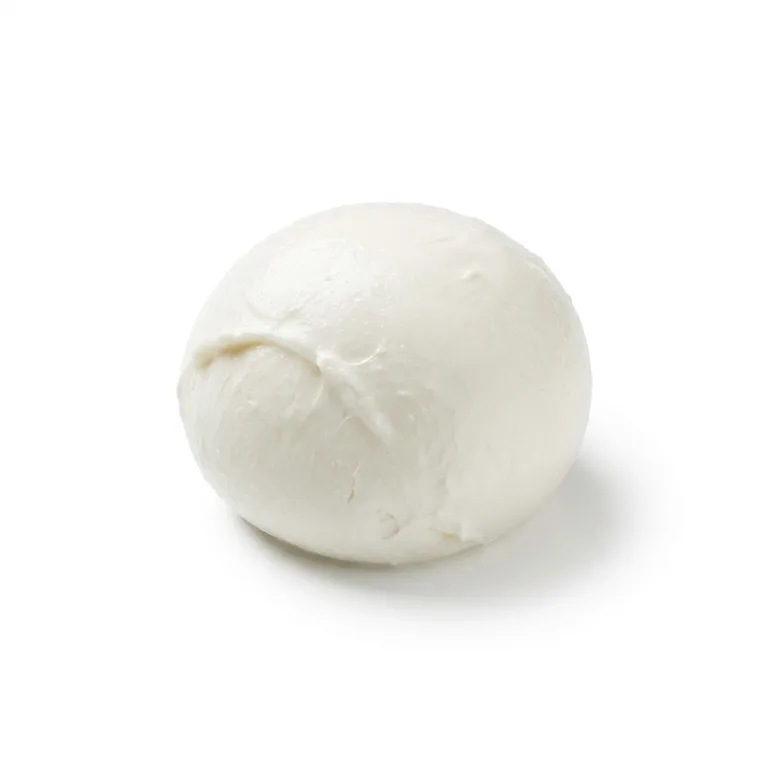
Few things beat a pizza that blisters and chars the way a proper Neapolitan should, and this recipe delivers exactly that with nothing more than flour, water, salt, yeast, San Marzano tomatoes, fresh mozzarella, and good olive oil. The dough relies on a long cold ferment — anywhere from 18 to 72 hours in the refrigerator — which builds the kind of complex, slightly tangy flavor that most homemade pizzas never quite reach. Stretching it by hand over your knuckles keeps the cornicione thick and airy while the center stays paper-thin, and a fully preheated baking steel or stone at the oven's highest setting gives you that deep golden underside and leopard-spotted char in just five to seven minutes. The sauce is nothing but crushed San Marzano tomatoes and salt — raw, loose, and bright — which is exactly right and requires zero cooking. Torn fresh mozzarella melts into creamy puddles, and a handful of basil leaves and a pinch of flaky sea salt at the end tie everything together. Because the ingredient list is so clean and intentional, there are no hidden egg-containing components to track down or swap out — every element is naturally free of them. This is the kind of pizza that makes you wonder why you ever ordered delivery.
 About Fig
Fig is a food discovery app that helps you find foods and recipes that fit your dietary needs. Whether you have food allergies, intolerances, or follow a specific diet, Fig makes it easy to eat with confidence.
Learn more →4 servings
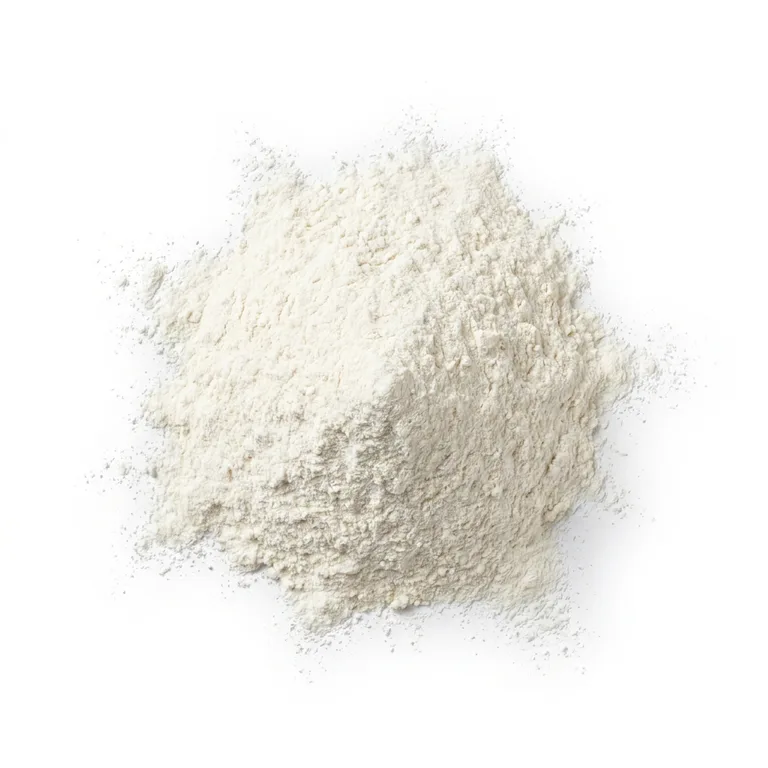
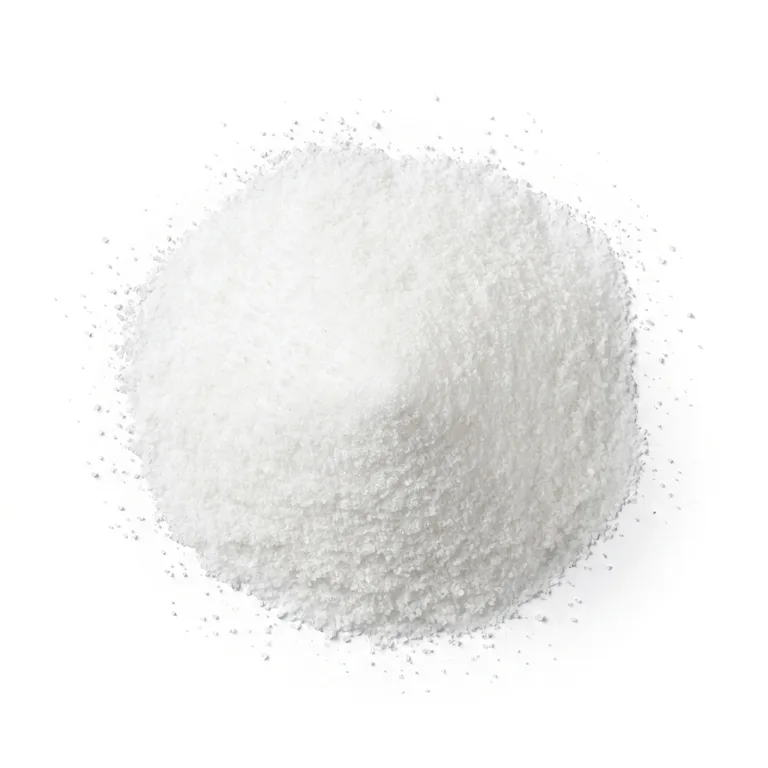



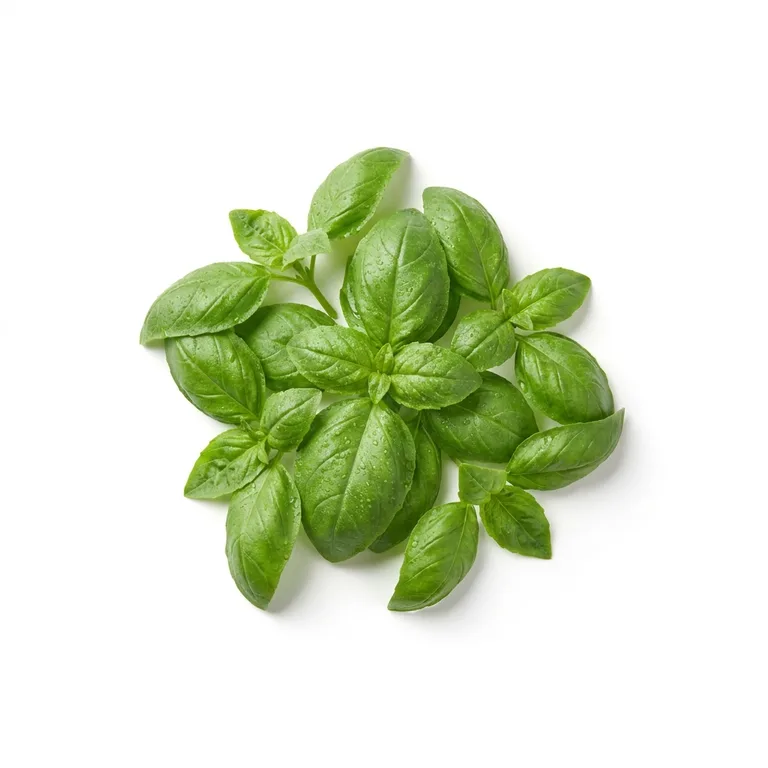
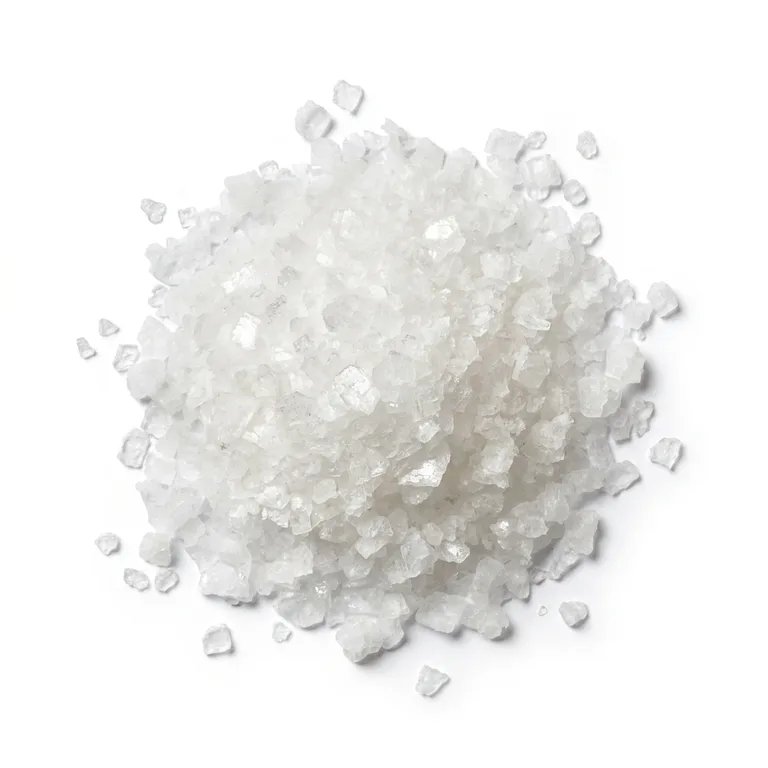
In a large mixing bowl, whisk together the bread flour, fine sea salt, and instant yeast. Add the cool water and mix with your hand or a stiff spatula until no dry flour remains and a shaggy dough forms. Cover the bowl and let the dough rest for 20 minutes.
Turn the dough out onto an unfloured surface and knead for 8–10 minutes until smooth, supple, and slightly tacky but not sticky — it should pass the windowpane test, stretching thin enough to see light through without tearing. Return it to the bowl, cover tightly with plastic wrap, and refrigerate for 18–72 hours. The long cold ferment develops flavor and extensibility.
Create a Fig account for step-by-step instructions, access to our full recipe library, and more!


 (16k)
(16k)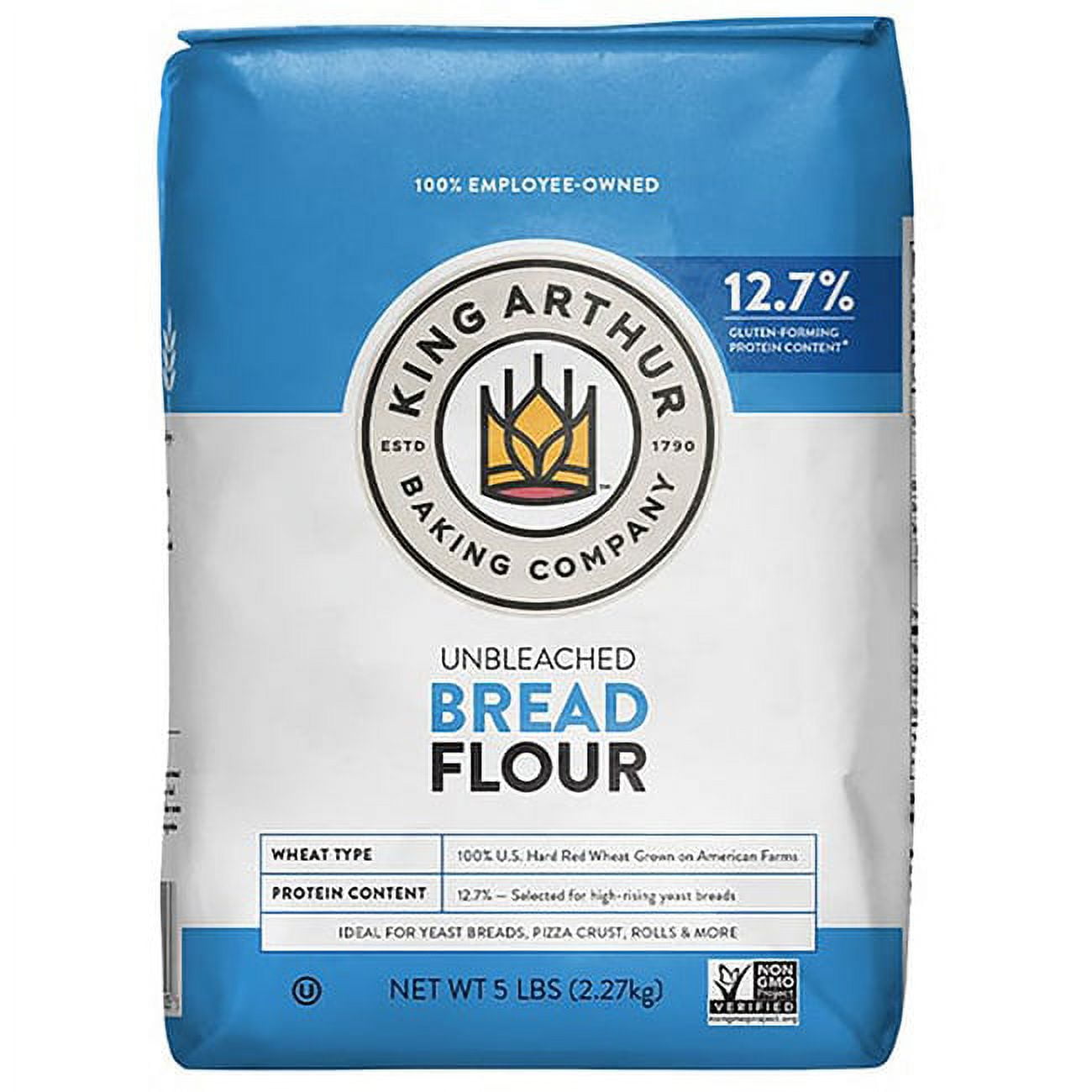



:format(jpg)/d2lnr5mha7bycj.cloudfront.net/product-image/file/large_aacbb28a-025a-4960-b81f-47bb2e89705e.jpg)