About Fig
Fig is a food discovery app that helps you find foods and recipes that fit your dietary needs. Whether you have food allergies, intolerances, or follow a specific diet, Fig makes it easy to eat with confidence.
Learn more →4 servings
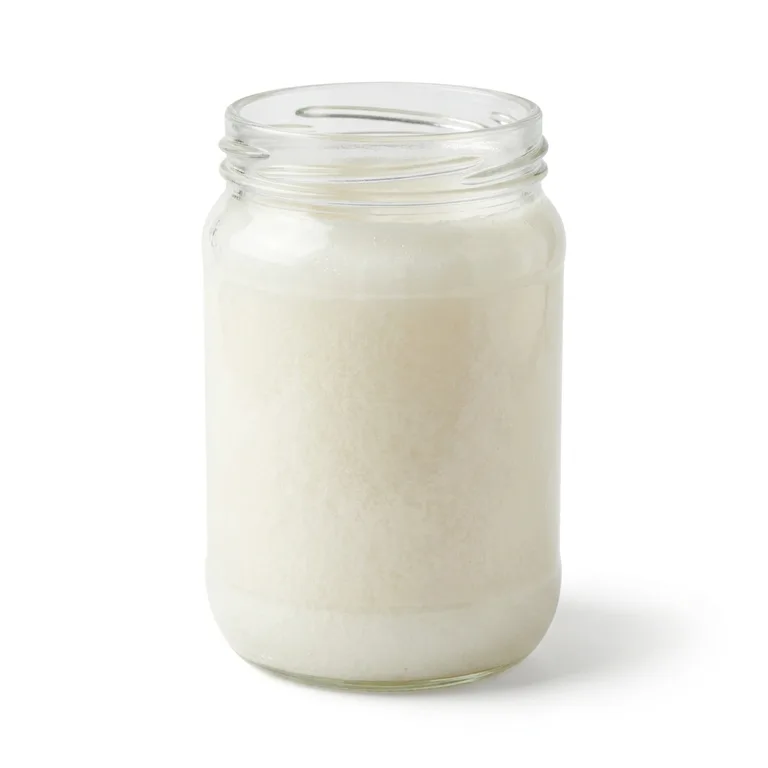
Low residue diets limit high-fiber foods. Coconut oil is pure fat with no fiber, so it leaves virtually no residue. If you prefer to always avoid coconut oil, please tap it and change its rating to Red.
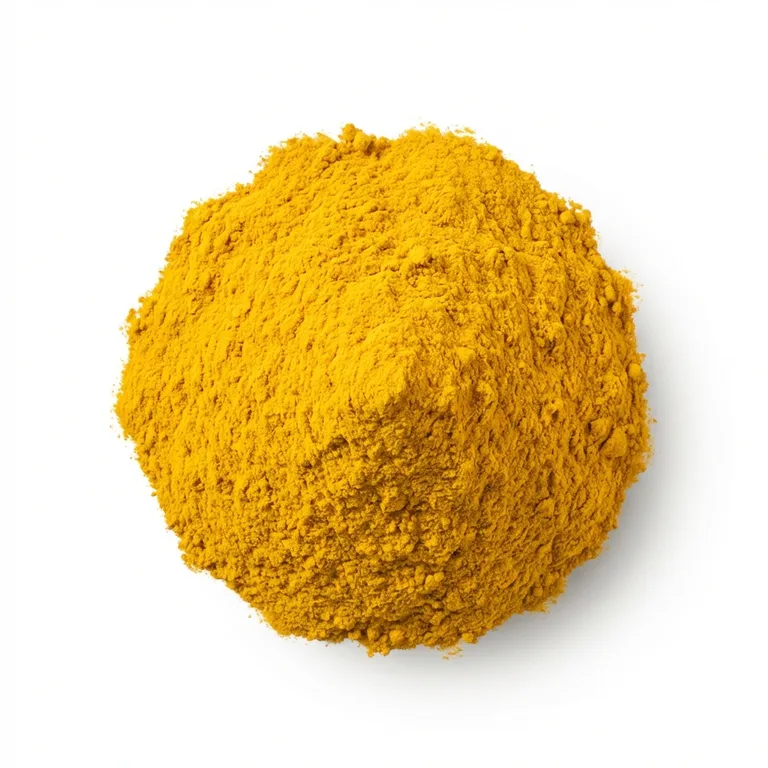
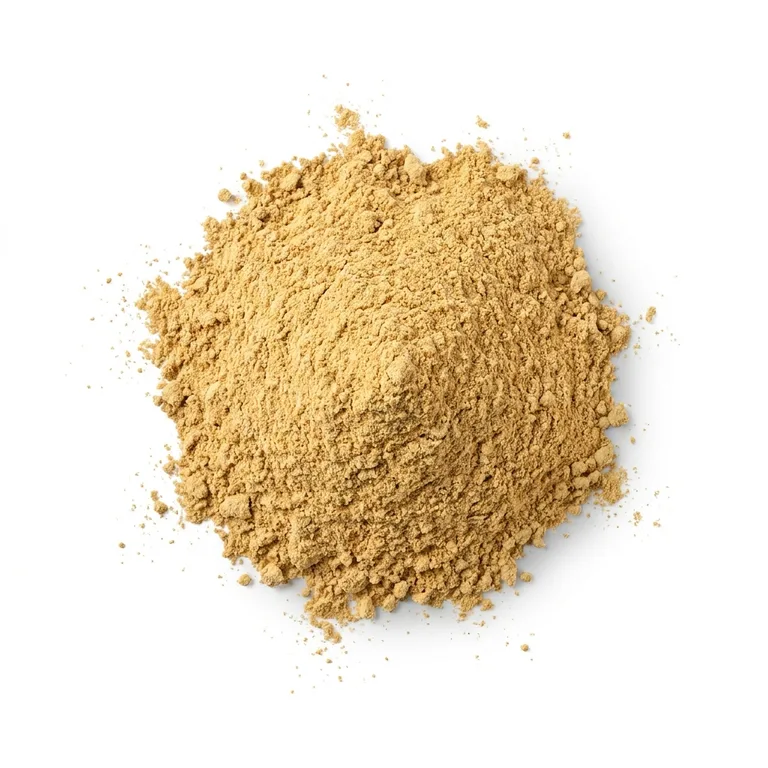
Low residue diets limit seeds and whole spices. Only about 1/8 teaspoon of ground ginger is used per serving, so it is likely Low Residue. If you prefer to always avoid ground ginger, please tap it and change its rating to Red.


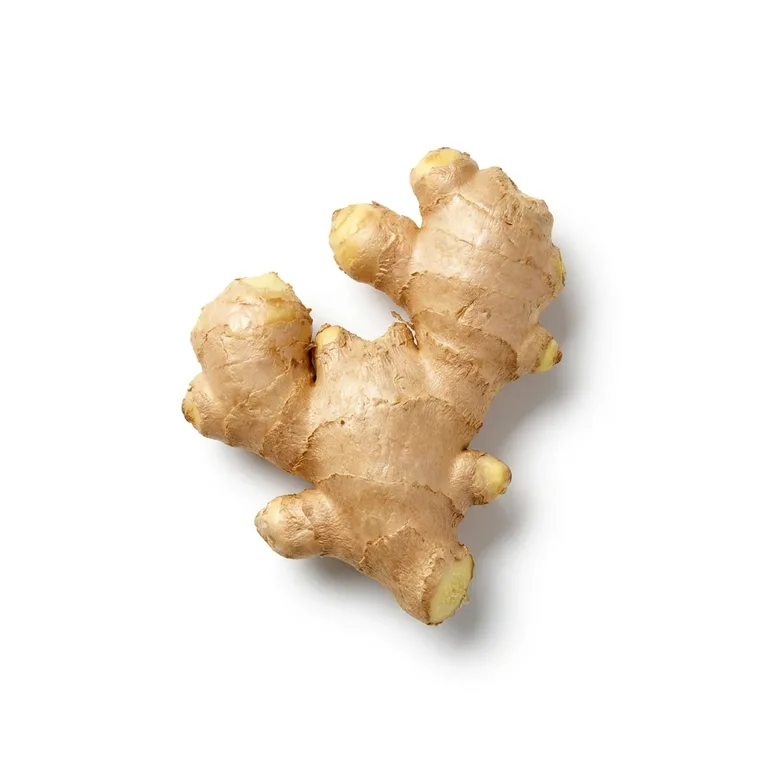
Low residue diets limit fibrous roots and whole spices. Only about 1/4 teaspoon of finely grated fresh ginger is used per serving, so it is likely Low Residue. If you prefer to always avoid fresh ginger, please tap it and change its rating to Red.

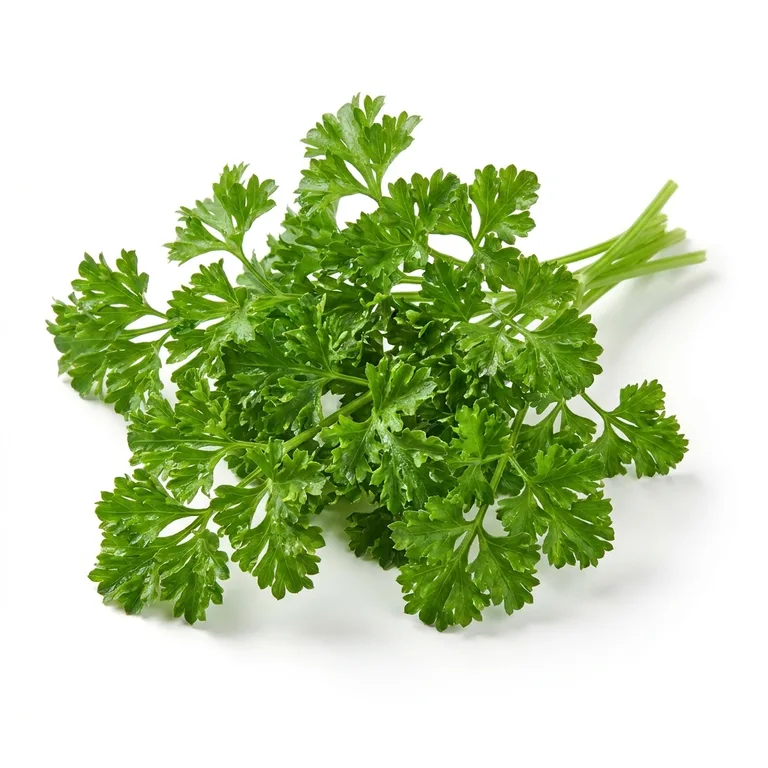
Low residue diets limit leafy greens and raw herbs. The parsley here is used only as a seasoning (about 3/4 teaspoon per serving), so it is likely Low Residue. If you prefer to always avoid fresh parsley, please tap it and change its rating to Red.
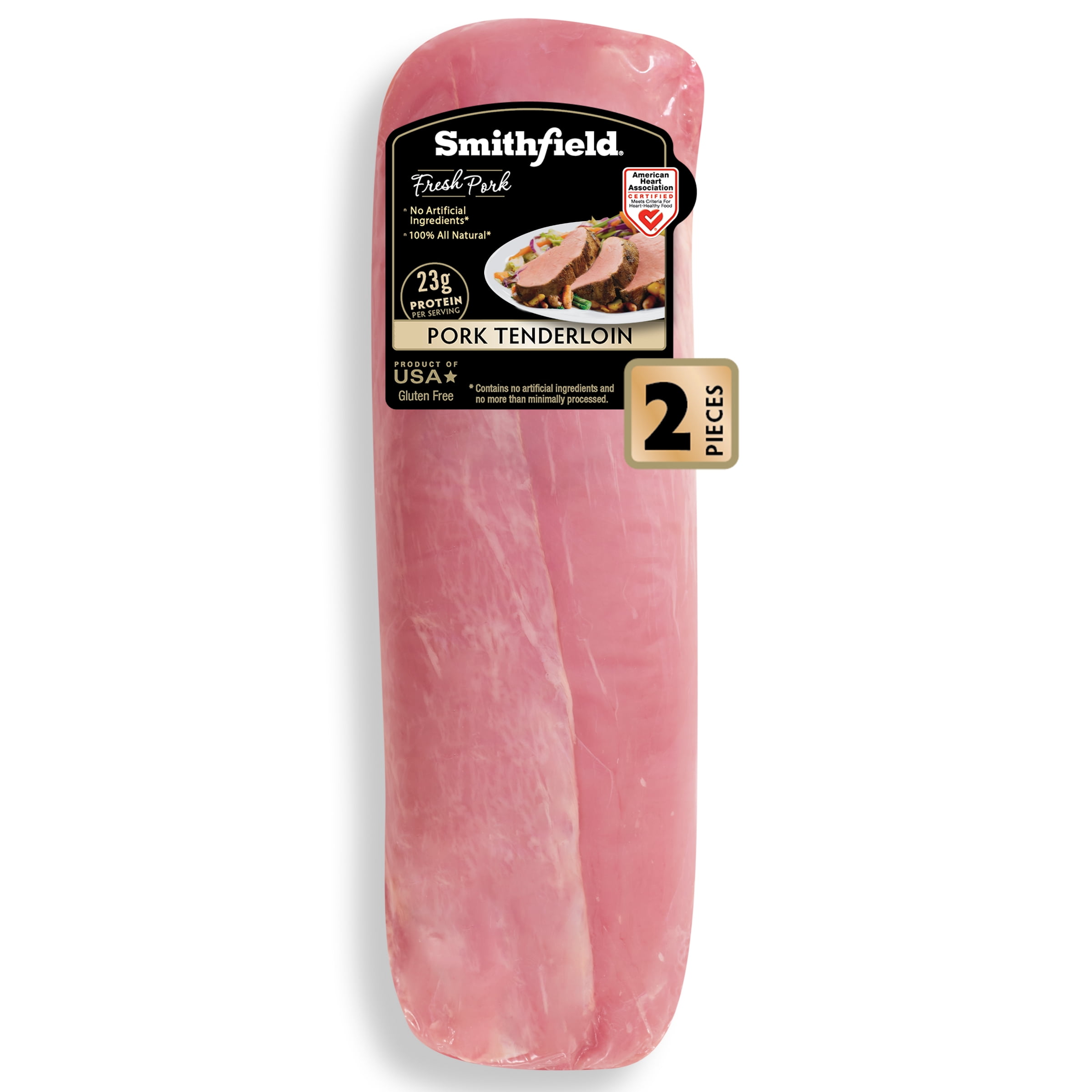
Preheat the oven to 425°F (220°C). Pat the pork tenderloin thoroughly dry with paper towels, then rub it all over with the salt, turmeric, and ground ginger.
Combine the maple syrup, coconut aminos, apple cider vinegar, fresh ginger, garlic, and Ceylon cinnamon in a small saucepan over medium heat. Bring to a simmer and cook, stirring occasionally, until the glaze thickens slightly and coats the back of a spoon, about 4–5 minutes. Remove from heat. Reserve 2 tablespoons of the glaze in a small bowl for finishing; set the rest aside in the saucepan.
Create a Fig account for step-by-step instructions, access to our full recipe library, and more!


 (16k)
(16k)