
Low Histamine Maple Glazed Pork Tenderloin

 About Fig
Fig is a food discovery app that helps you find foods and recipes that fit your dietary needs. Whether you have food allergies, intolerances, or follow a specific diet, Fig makes it easy to eat with confidence.
Learn more →Ingredients
4 servings
For the pork
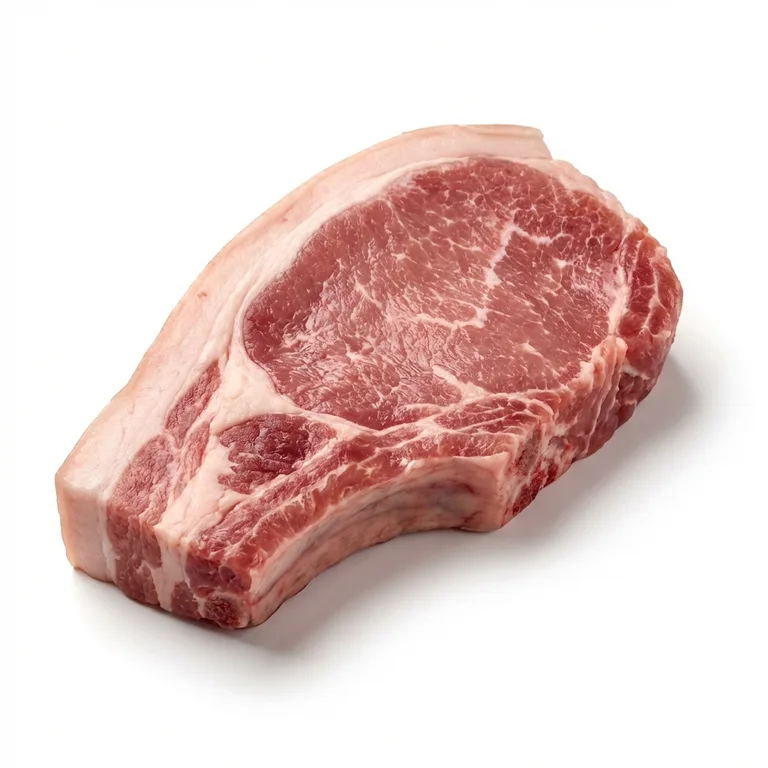
- 1 ½ lb pork tenderloin (1 tenderloin)
 Ingredient note
Histamine levels rise the longer meat sits after butchering. Buy pork as fresh as possible, ideally flash-frozen, and cook it promptly.
- 1 tbsp coconut oil
- 1 tsp fine sea salt
- ½ tsp ground turmeric
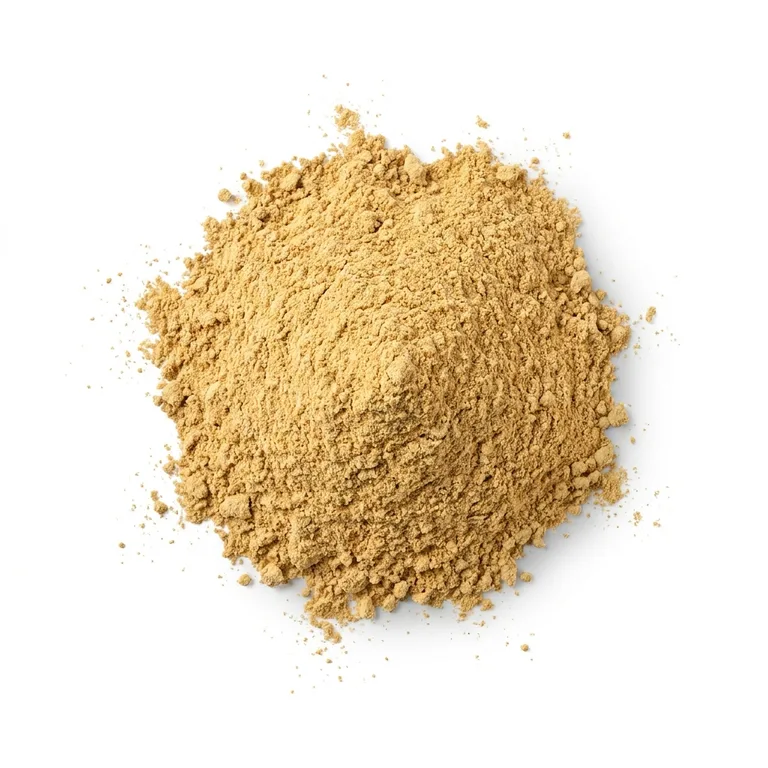
- ½ tsp ground ginger
 Ingredient note
Small amounts of ground ginger are often well-tolerated on a low histamine diet. This recipe only uses about 1/8 teaspoon per serving. If you prefer to always avoid ground ginger, please tap it and change its rating to Red.
For the glaze
- 3 tbsp pure maple syrup

- 2 tbsp coconut aminos
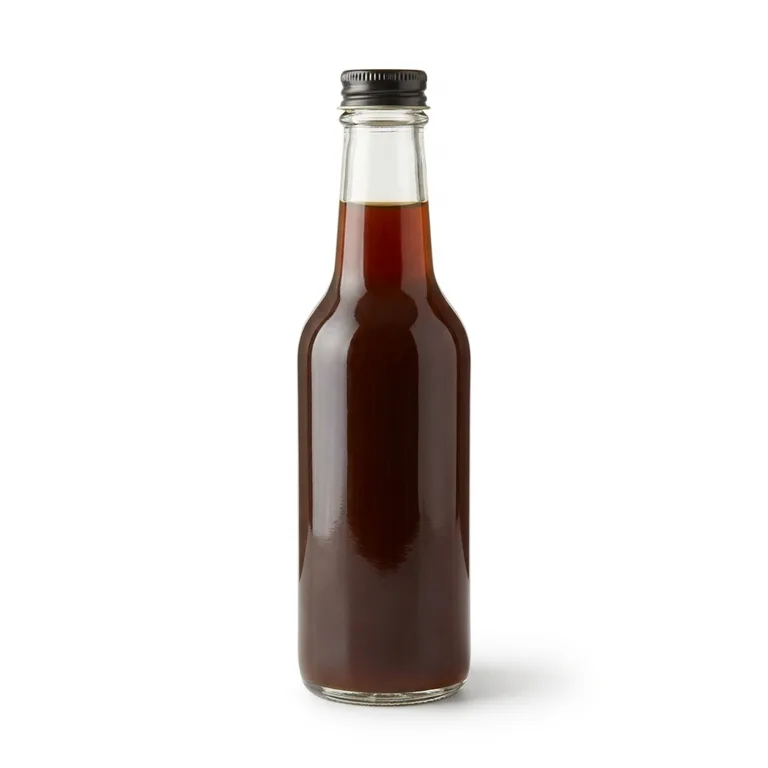
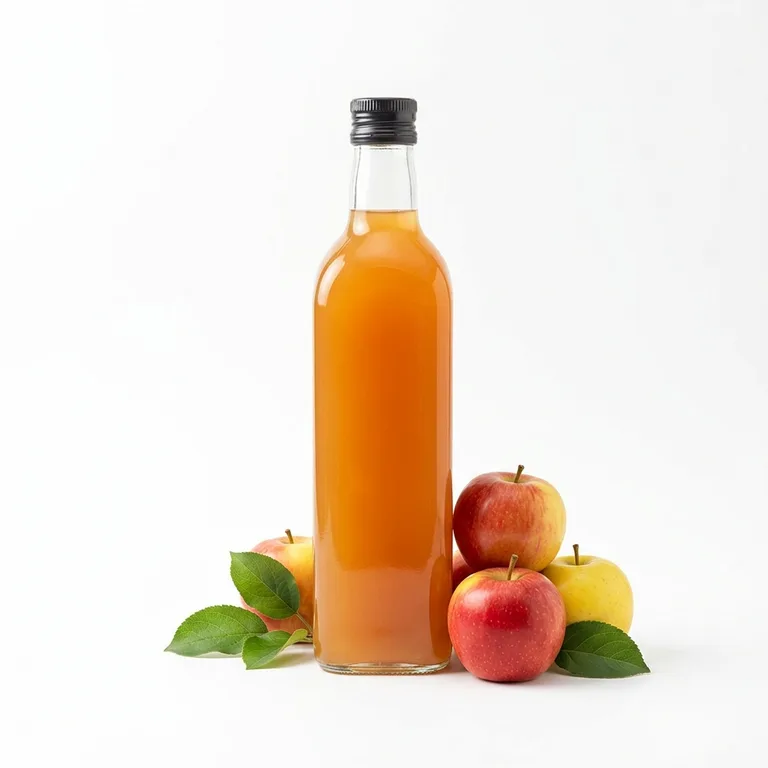
- 1 tbsp apple cider vinegar
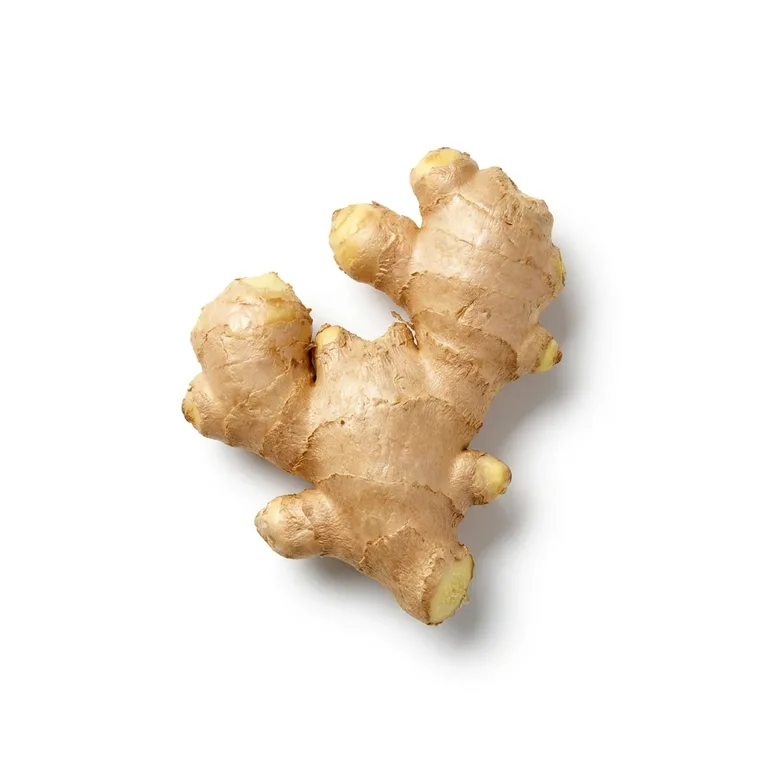
- 1 tsp fresh ginger, finely grated
 Ingredient note
Small amounts of fresh ginger are often well-tolerated on a low histamine diet. This recipe only uses about 1/4 teaspoon per serving. If you prefer to always avoid fresh ginger, please tap it and change its rating to Red.
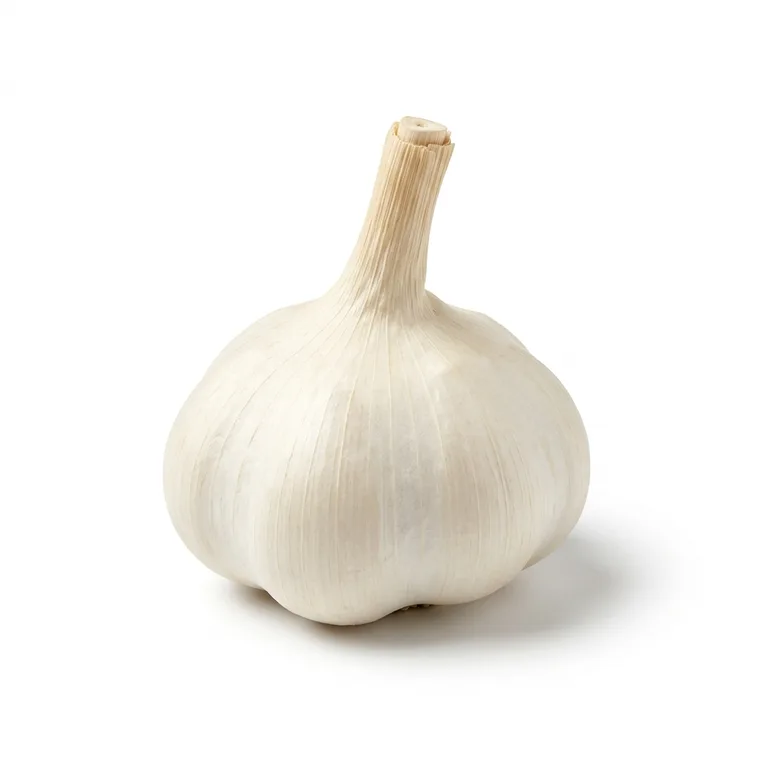
- 1 clove garlic, finely grated
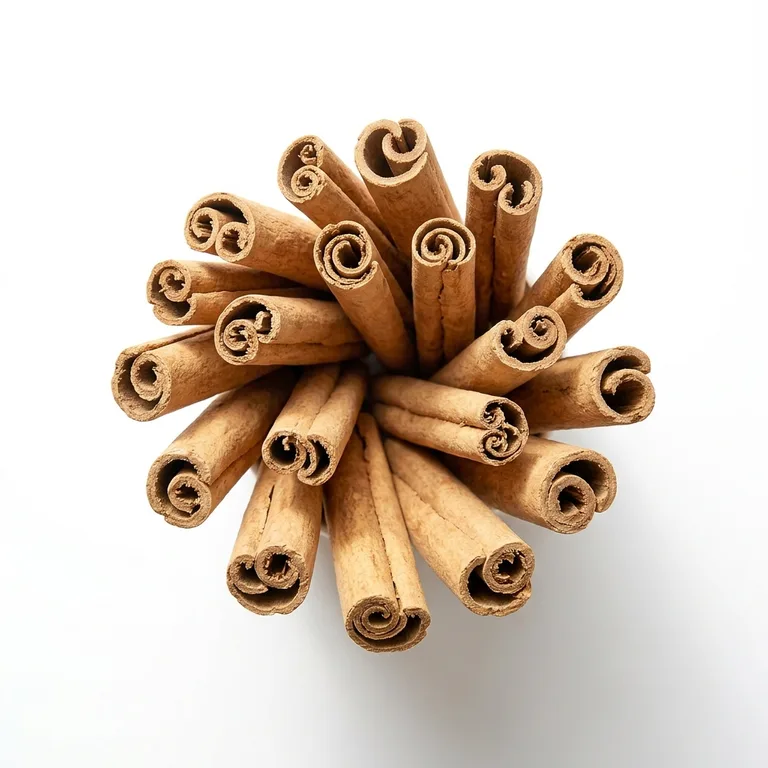
- ¼ tsp ground ceylon cinnamon
 Ingredient note
Some low histamine plans avoid cinnamon, but cinnamon doesn't actually contain histamine. This recipe uses only a very small amount of true ceylon cinnamon per serving. If you prefer to always avoid true ceylon cinnamon, please tap it and change its rating to Red.
For serving
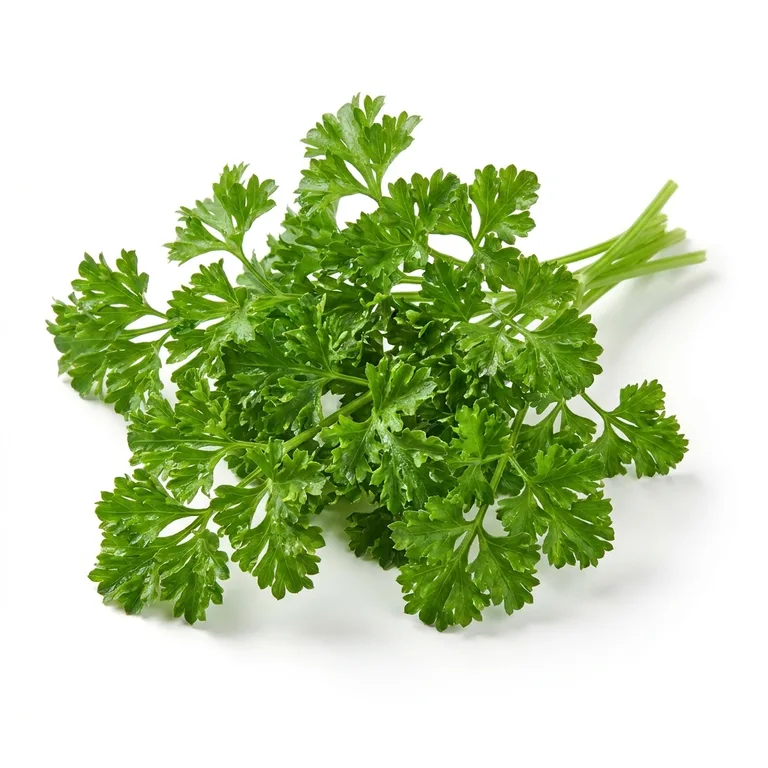
- 1 tbsp fresh parsley, roughly chopped (optional)
Instructions
- 1
Preheat the oven to 425°F (220°C). Pat the pork tenderloin thoroughly dry with paper towels, then rub it all over with the salt, turmeric, and ground ginger.
- 2
Combine the maple syrup, coconut aminos, apple cider vinegar, fresh ginger, garlic, and Ceylon cinnamon in a small saucepan over medium heat. Bring to a simmer and cook, stirring occasionally, until the glaze thickens slightly and coats the back of a spoon, about 4–5 minutes. Remove from heat. Reserve 2 tablespoons of the glaze in a small bowl for finishing; set the rest aside in the saucepan.
Want the full recipe?
Create a Fig account for step-by-step instructions, access to our full recipe library, and more!