
Interstitial Cystitis Friendly Maple Glazed Pork Tenderloin

 About Fig
Fig is a food discovery app that helps you find foods and recipes that fit your dietary needs. Whether you have food allergies, intolerances, or follow a specific diet, Fig makes it easy to eat with confidence.
Learn more →Ingredients
4 servings
For the pork
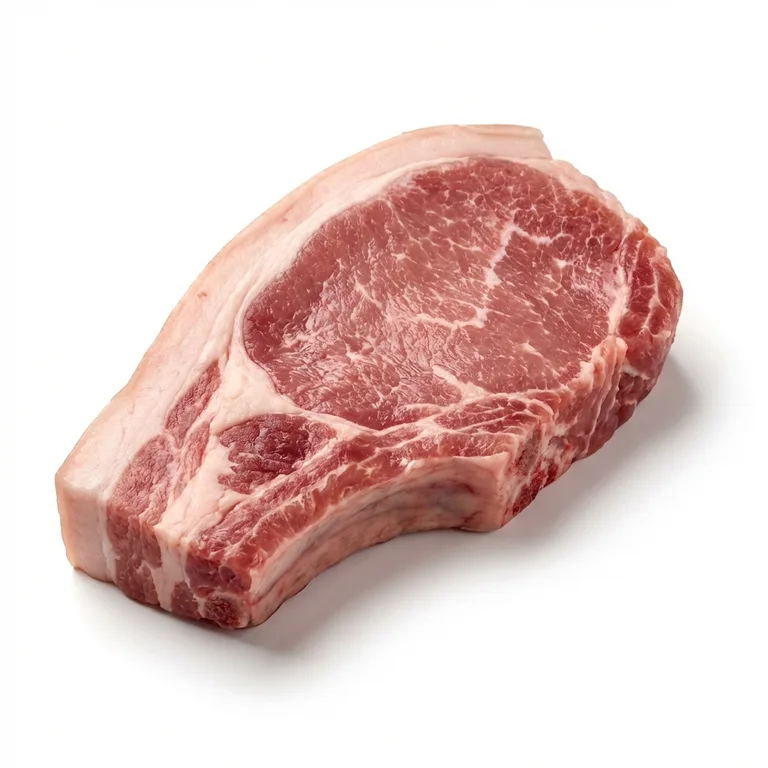
- 1 ½ lb pork tenderloin (1 tenderloin)
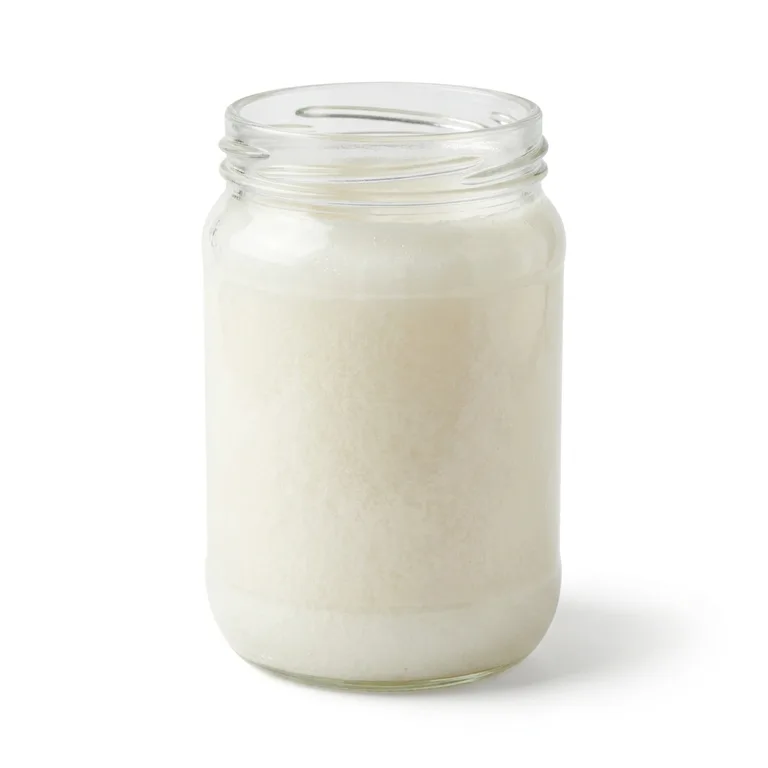
- 1 tbsp coconut oil
- 1 tsp fine sea salt
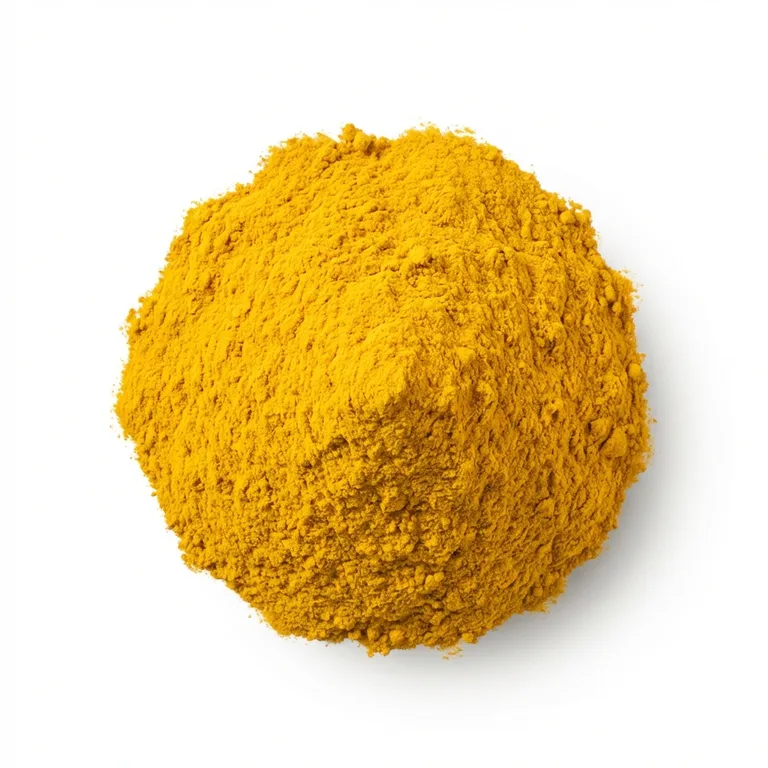
- ½ tsp ground turmeric
 Ingredient note
Turmeric can trigger interstitial cystitis symptoms in some people, but the small amount in this recipe (~1/8 tsp per serving) is likely tolerated by many. If you prefer to always avoid turmeric, please tap it and change its rating to Red.
- ½ tsp ground ginger
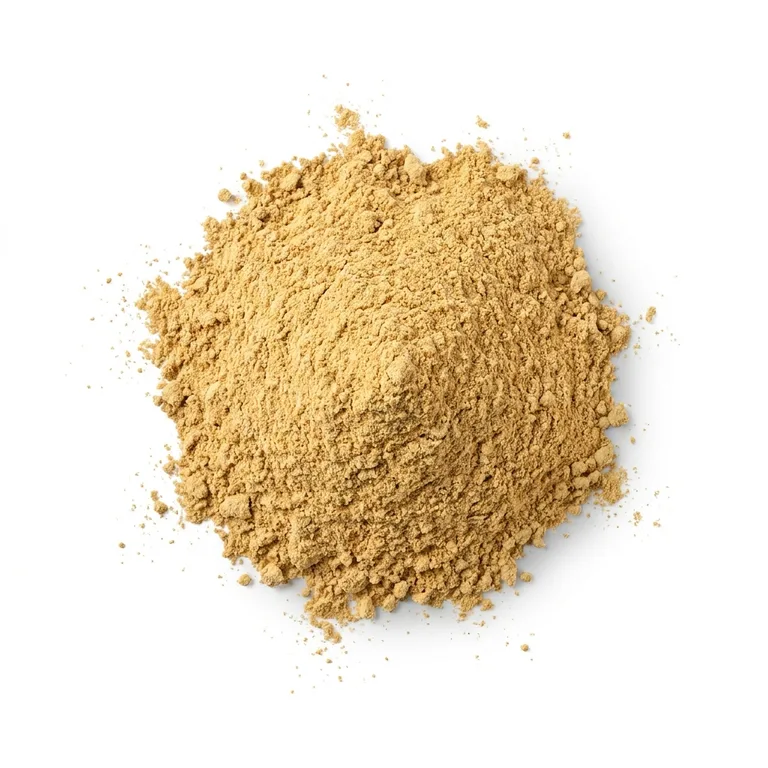 Ingredient note
Interstitial cystitis treats warming spices like ginger as test-your-tolerance because they can irritate a sensitive bladder, but the small amount in this recipe (~1/8 tsp per serving) is likely tolerated by many. If you prefer to always avoid ground ginger, please tap it and change its rating to Red.
For the glaze
- 3 tbsp pure maple syrup

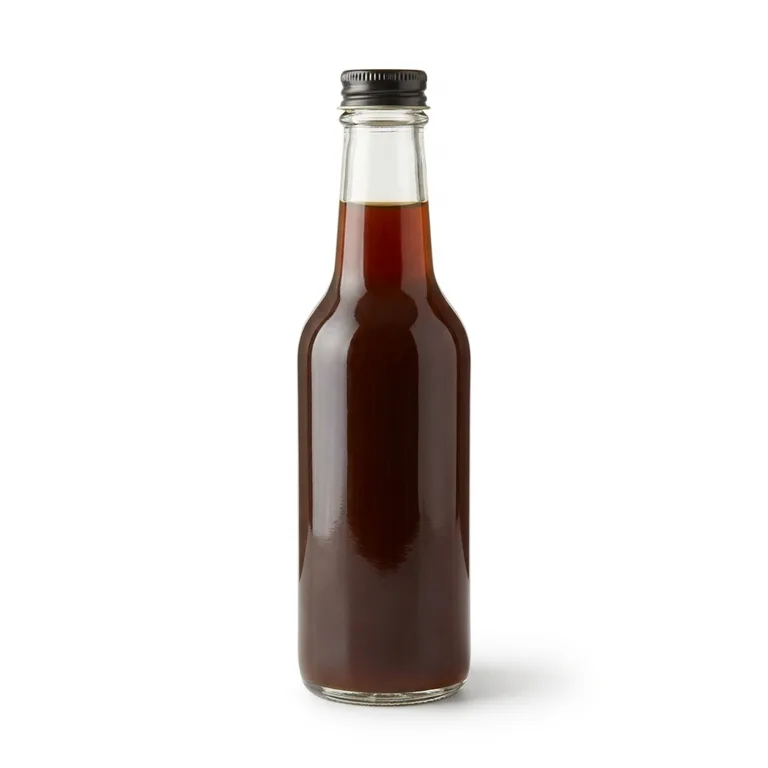
- 2 tbsp coconut aminos
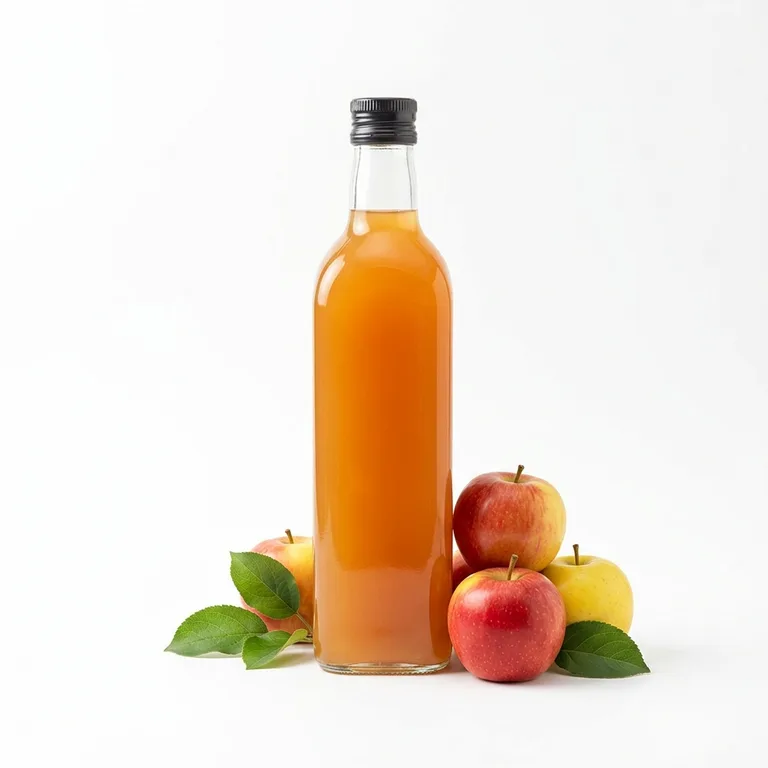
- 1 tbsp apple cider vinegar
- 1 tsp fresh ginger, finely grated
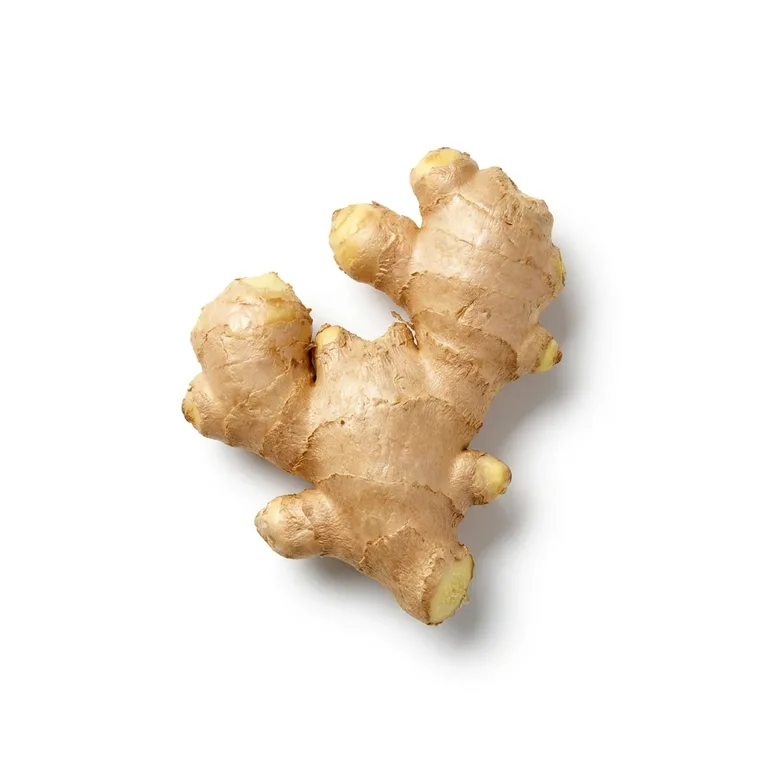 Ingredient note
Fresh ginger is generally considered bladder-friendly, and the small amount in this recipe (~1/4 tsp per serving) is likely fine for many people with interstitial cystitis. If you prefer to always avoid fresh ginger, please tap it and change its rating to Red.
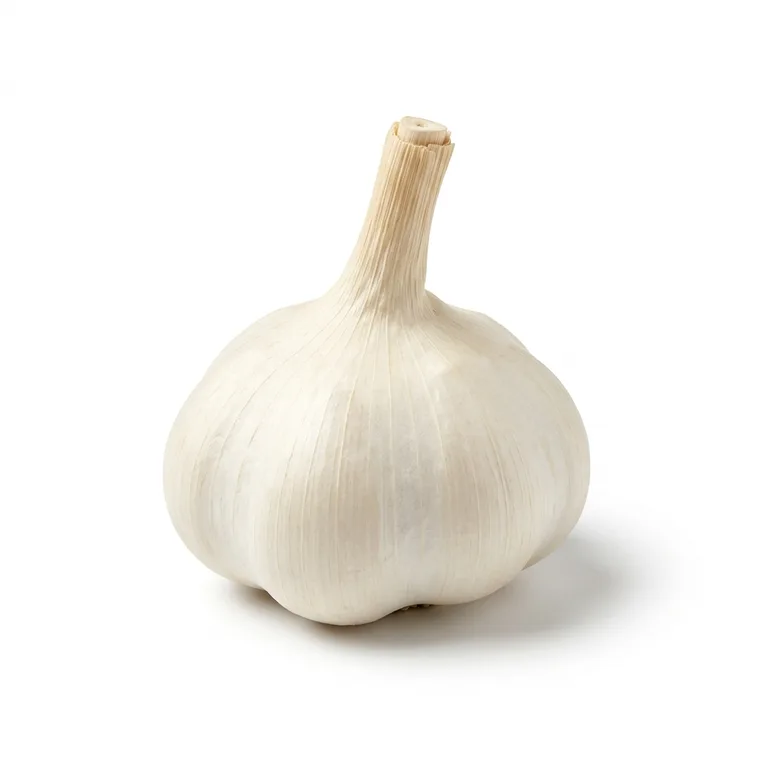
- 1 clove garlic, finely grated
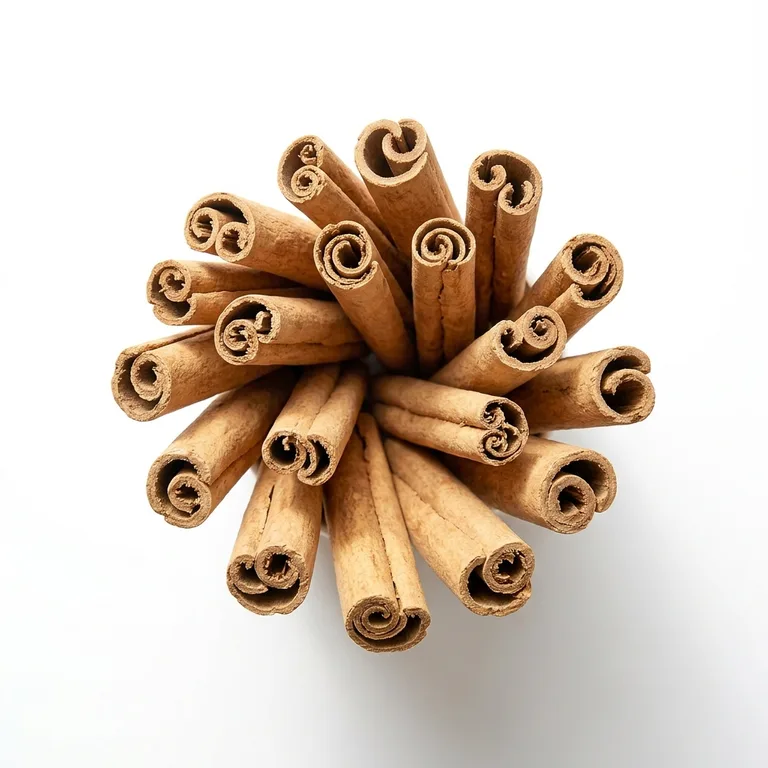
- ¼ tsp ground ceylon cinnamon
 Ingredient note
True ceylon cinnamon is generally considered bladder-friendly, and the small amount in this recipe (~1/16 tsp per serving) is likely fine for many people with interstitial cystitis. If you prefer to always avoid true ceylon cinnamon, please tap it and change its rating to Red.
For serving
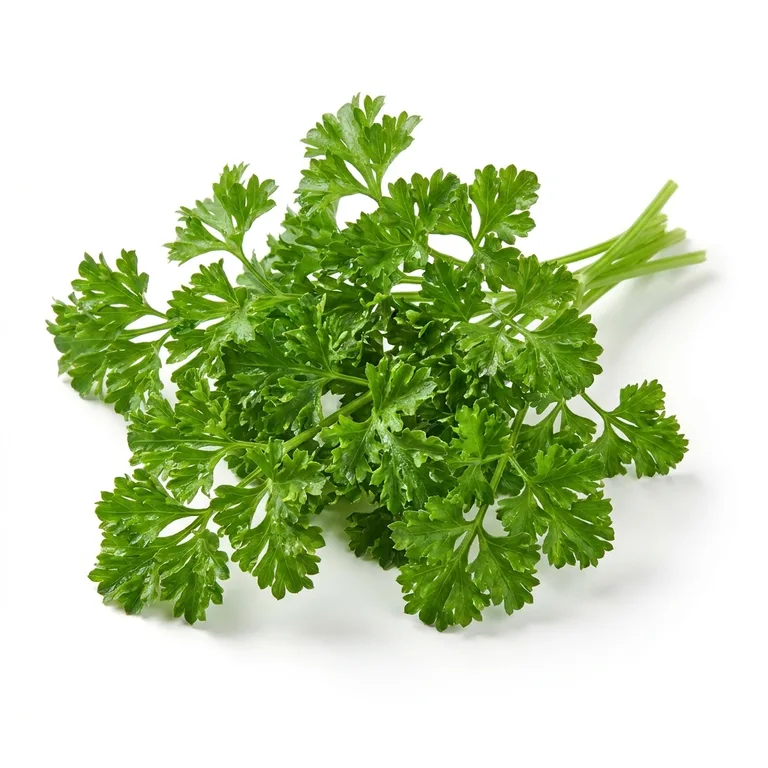
- 1 tbsp fresh parsley, roughly chopped (optional)
Instructions
- 1
Preheat the oven to 425°F (220°C). Pat the pork tenderloin thoroughly dry with paper towels, then rub it all over with the salt, turmeric, and ground ginger.
- 2
Combine the maple syrup, coconut aminos, apple cider vinegar, fresh ginger, garlic, and Ceylon cinnamon in a small saucepan over medium heat. Bring to a simmer and cook, stirring occasionally, until the glaze thickens slightly and coats the back of a spoon, about 4–5 minutes. Remove from heat. Reserve 2 tablespoons of the glaze in a small bowl for finishing; set the rest aside in the saucepan.
Want the full recipe?
Create a Fig account for step-by-step instructions, access to our full recipe library, and more!