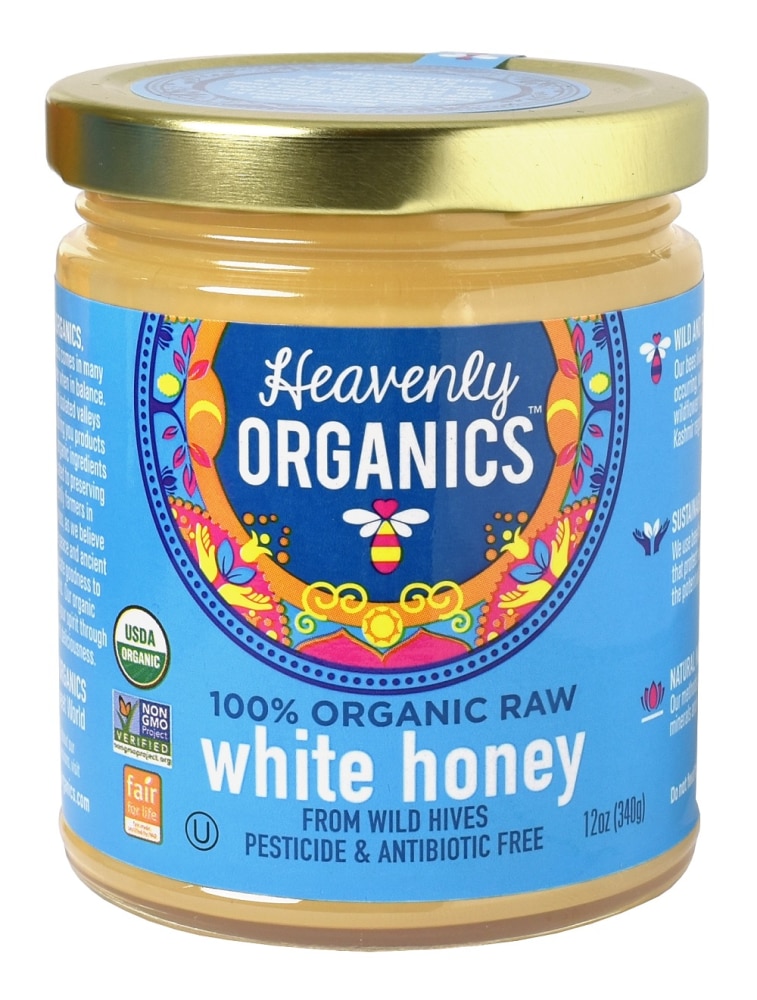
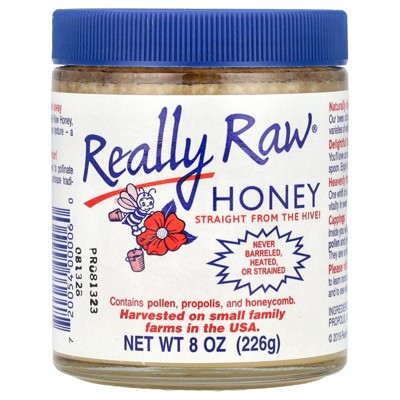
Bright citrus flavor meets old-fashioned technique in this sunshine-colored spread that tastes like it came straight from a specialty shop. What makes it a natural fit for low-iodine cooking is the short, clean ingredient list — fresh oranges, a lemon, honey instead of refined sugar, water, and a pinch of fine sea salt, with nothing processed or iodine-suspect hiding in the mix. The peel strips are simmered low and slow until they turn tender and translucent, and the natural pectin from the reserved seeds and membrane does the heavy lifting to achieve a beautiful set without any commercial additives. Honey gives the finished marmalade a slightly floral depth that plain sugar simply can't match, and the lemon keeps the whole thing from tipping too sweet. The frozen-plate set test is a satisfying little ritual that tells you exactly when to pull the pot — no guesswork, no candy thermometer required. Ladle it into jars and you have a gorgeous, fridge-ready condiment that works on toast, stirred into yogurt, or spooned alongside roasted chicken. It's the kind of homemade staple that makes a restricted diet feel genuinely abundant rather than limiting.
 About Fig
Fig is a food discovery app that helps you find foods and recipes that fit your dietary needs. Whether you have food allergies, intolerances, or follow a specific diet, Fig makes it easy to eat with confidence.
Learn more →32 servings
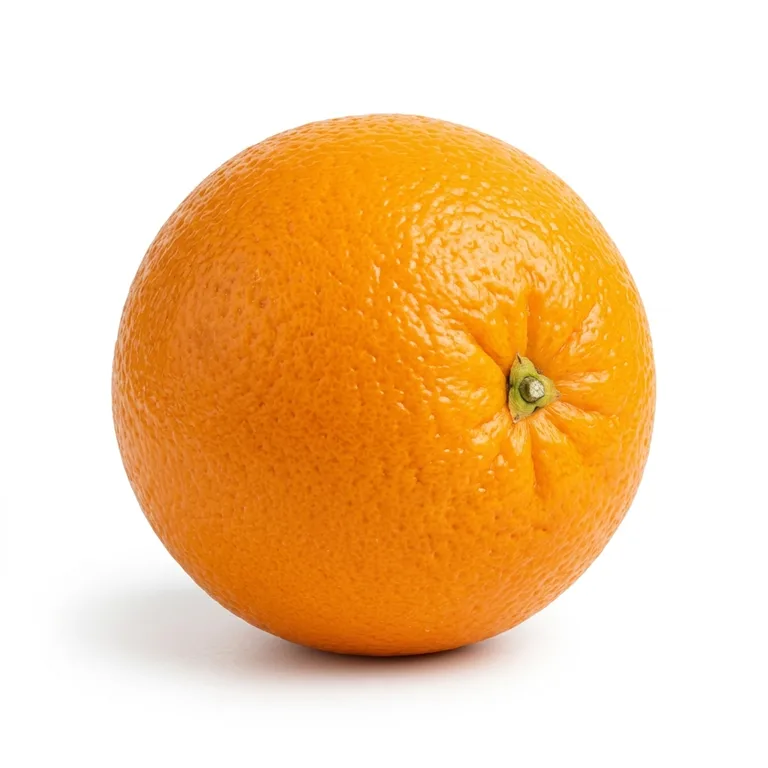
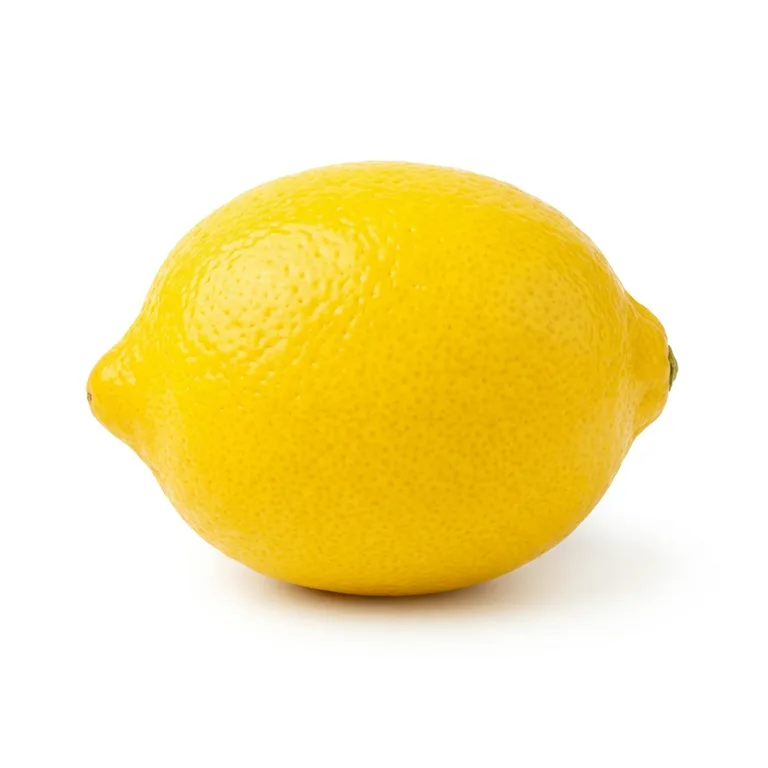
Place a small plate in the freezer — you will use it later to test the set. Scrub the oranges and lemon under cold running water, then dry them.
Halve each orange and lemon. Squeeze the juice through a fine-mesh strainer into a large heavy-bottomed pot, catching and reserving the seeds and any loose membrane in the strainer. Collect the seeds and membrane in a small piece of cheesecloth or a tea strainer and set aside — they are rich in pectin and will be added to the pot.
Create a Fig account for step-by-step instructions, access to our full recipe library, and more!


 (16k)
(16k)

:format(webp)/www.instacart.com/assets/domains/product-image/file/large_f97e3b08-40b1-4d91-8683-199289544cb9.png)