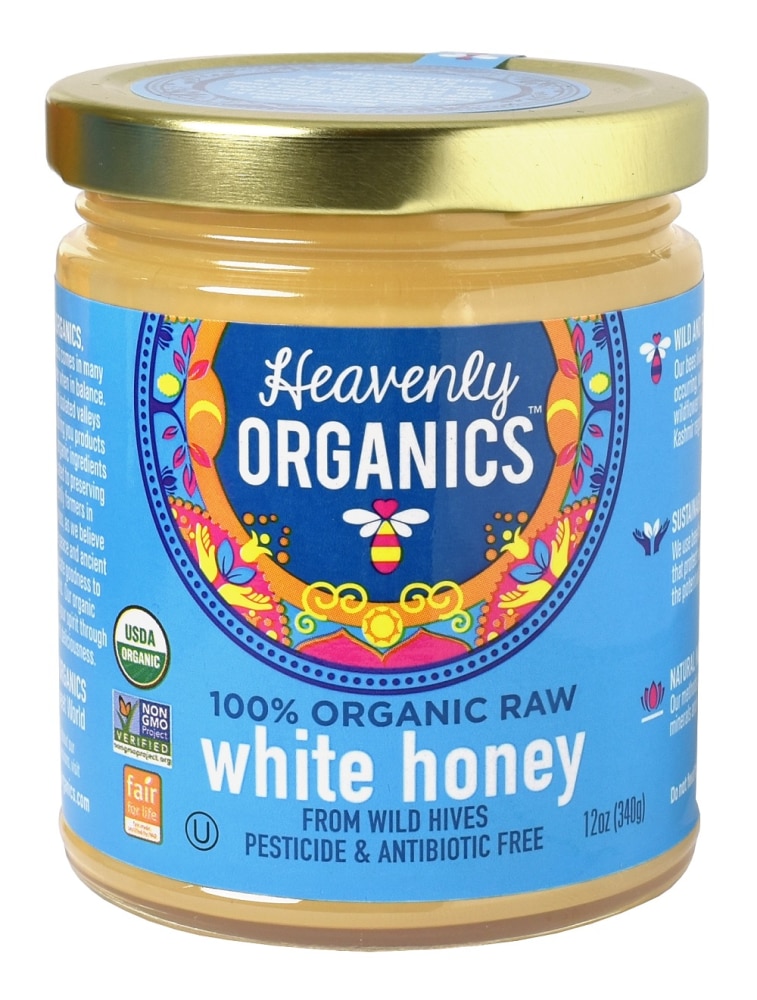
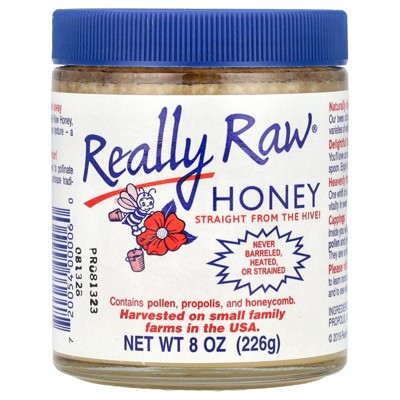
Bright citrus flavor doesn't need a lab to taste vibrant — this marmalade proves that point beautifully. Real navel oranges and a fresh lemon do all the heavy lifting here, delivering that bittersweet, tangy depth that makes a great spread so satisfying. Honey steps in as the sweetener instead of refined sugar, which means every jar is built entirely from whole, recognizable ingredients with nothing synthetic in sight. The technique is classic and unhurried: the peel softens slowly, the natural pectin from the seeds and membrane does the thickening work, and a simple frozen-plate test tells you exactly when it's ready. Store-bought marmalades and fruit spreads are notorious for sneaking in artificial flavors, colors, and preservatives, so making your own is genuinely the cleanest path to a jar you can trust completely. The result is glossy, jewel-toned, and deeply aromatic — the kind of thing you'll want to spoon over toast, swirl into yogurt, or gift to someone who appreciates real food. Once you've tasted a marmalade made this way, going back to the commercial stuff is hard to imagine.
 About Fig
Fig is a food discovery app that helps you find foods and recipes that fit your dietary needs. Whether you have food allergies, intolerances, or follow a specific diet, Fig makes it easy to eat with confidence.
Learn more →32 servings
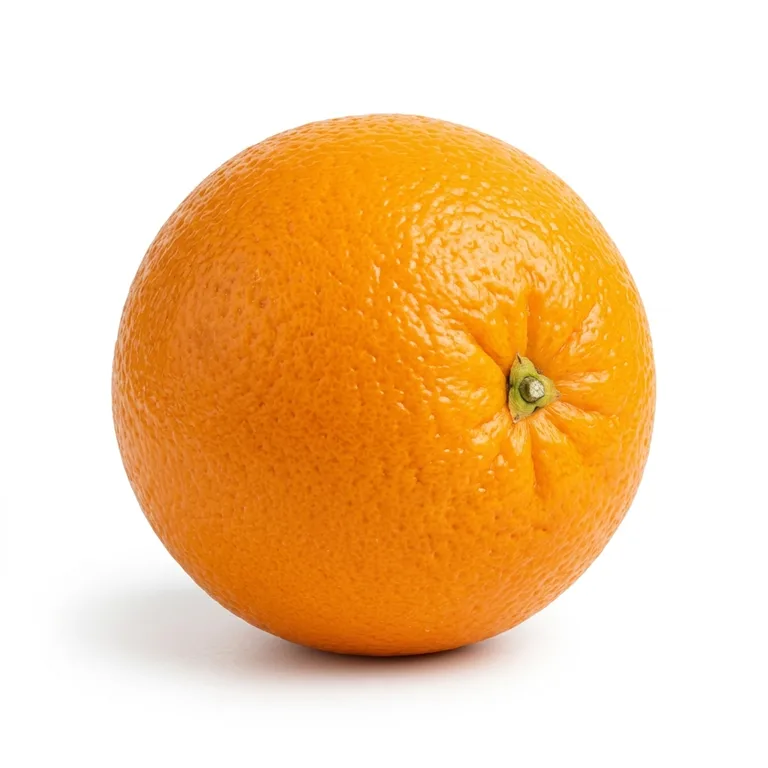
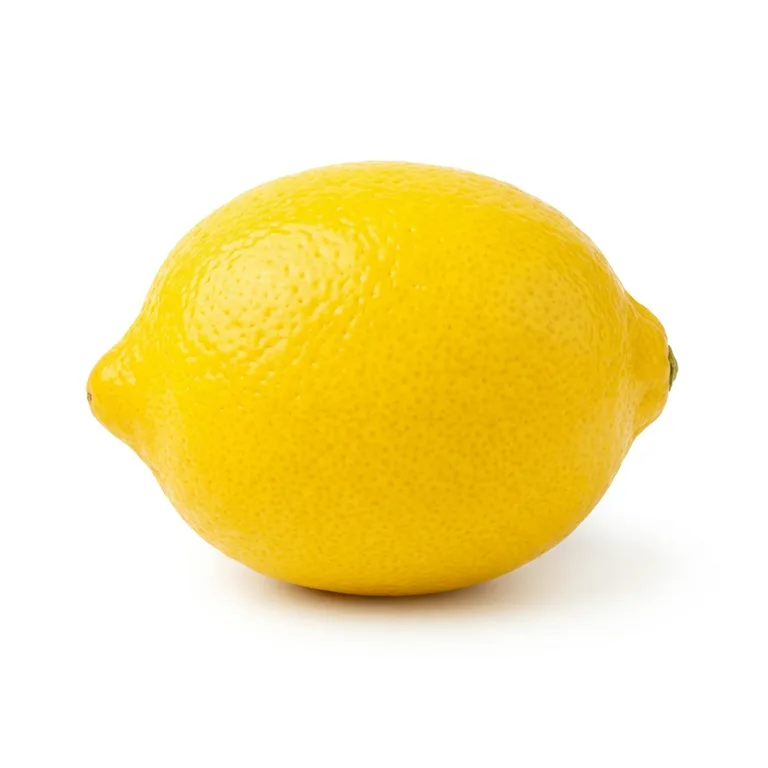
Place a small plate in the freezer — you will use it later to test the set. Scrub the oranges and lemon under cold running water, then dry them.
Halve each orange and lemon. Squeeze the juice through a fine-mesh strainer into a large heavy-bottomed pot, catching and reserving the seeds and any loose membrane in the strainer. Collect the seeds and membrane in a small piece of cheesecloth or a tea strainer and set aside — they are rich in pectin and will be added to the pot.
Create a Fig account for step-by-step instructions, access to our full recipe library, and more!


 (16k)
(16k)

:format(webp)/www.instacart.com/assets/domains/product-image/file/large_f97e3b08-40b1-4d91-8683-199289544cb9.png)