
 About Fig
Fig is a food discovery app that helps you find foods and recipes that fit your dietary needs. Whether you have food allergies, intolerances, or follow a specific diet, Fig makes it easy to eat with confidence.
Learn more →4 servings
:format(webp)/www.instacart.com/assets/domains/product-image/file/large_9625272c-7df8-4c28-8db0-9bd8734da003.png) Kikkoman Soy Sauce All-Purpose Seasoning Bottle - 10 Fl. Oz.
Kikkoman Soy Sauce All-Purpose Seasoning Bottle - 10 Fl. Oz. Kikkoman Traditionally Brewed Less Sodium Soy Sauce, 10 fl oz
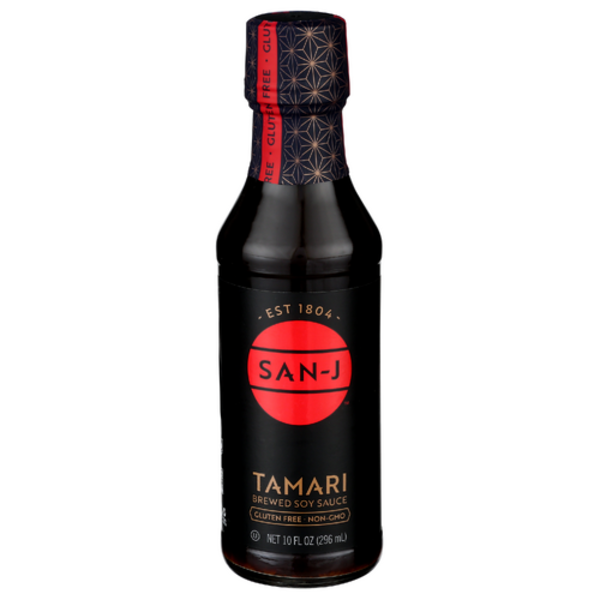 San-J Gluten Free Tamari Soy Sauce - 10 fl oz
 San-J Gluten Free 28% Less Sodium Tamari Brewed Soy Sauce - Low FODMAP Certified
 San-J Organic Tamari Brewed Soy Sauce - 10 fl oz
Low residue diets limit the fiber in fruit. Juice has almost none of it and this recipe uses only about 1 1/2 teaspoons of lemon juice per serving, so a pulp-free juice here is likely Low Residue. If you prefer to always avoid lemon juice, please tap it and change its rating to Red.
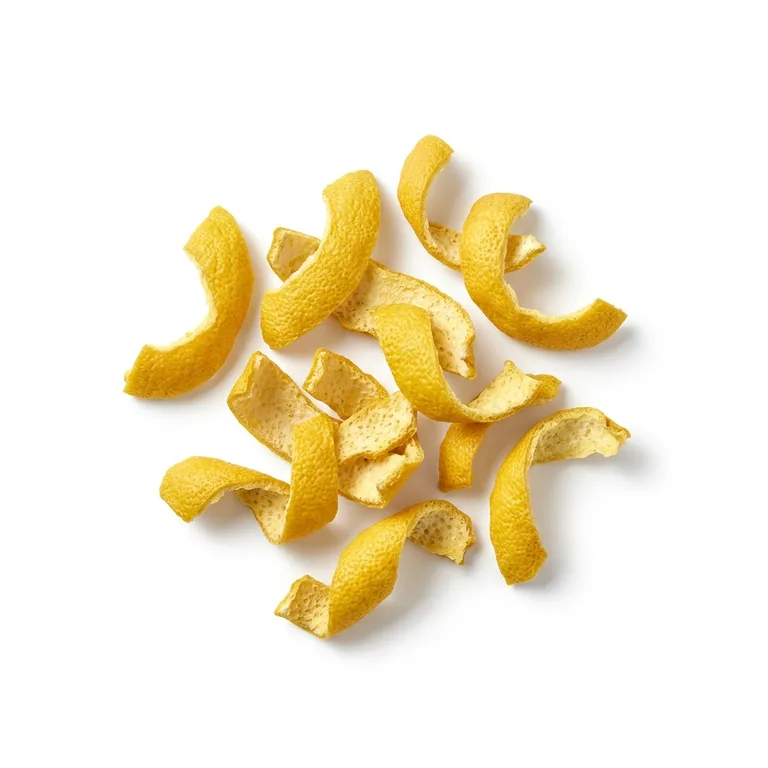
Low residue diets limit citrus peel because of its fiber. The recipe uses only about 3/4 teaspoon of finely grated lemon zest per serving, so it is likely Low Residue. If you prefer to always avoid lemon peel, please tap it and change its rating to Red.
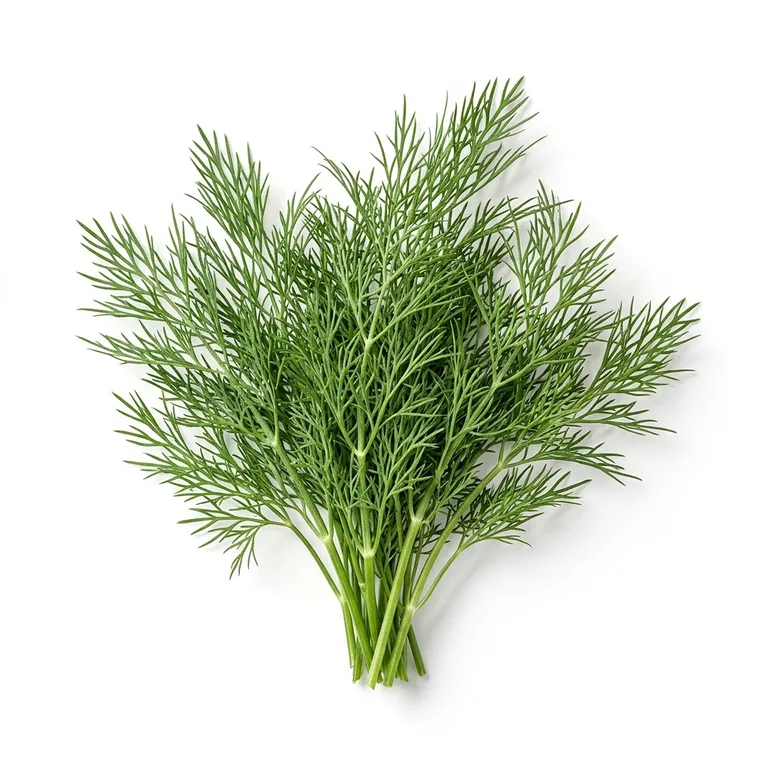
Low residue diets limit leafy greens and raw herbs. The dill here is used only as a seasoning (about 1 1/2 teaspoons per serving), so it is likely Low Residue. If you prefer to always avoid dill, please tap it and change its rating to Red.
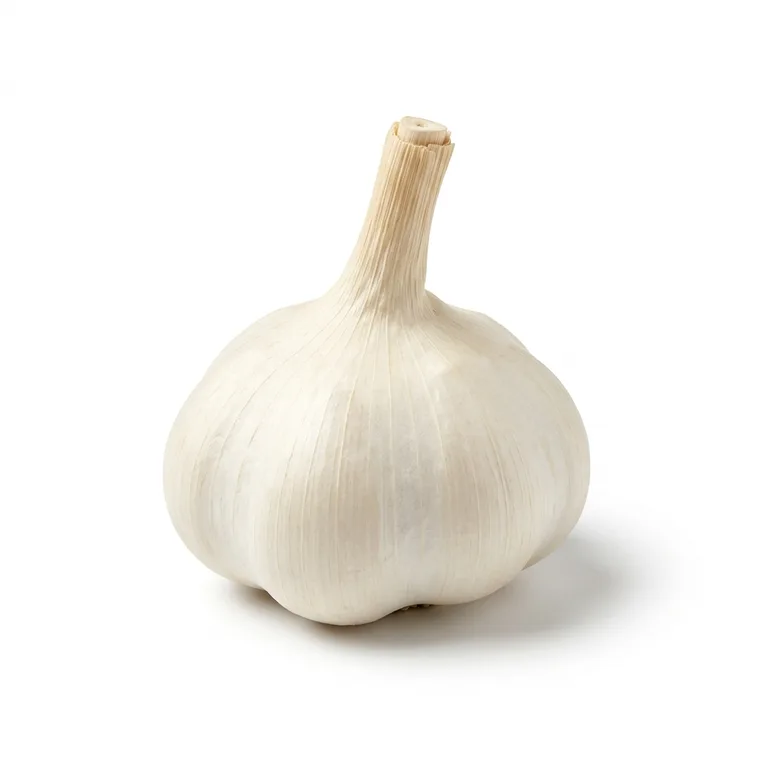
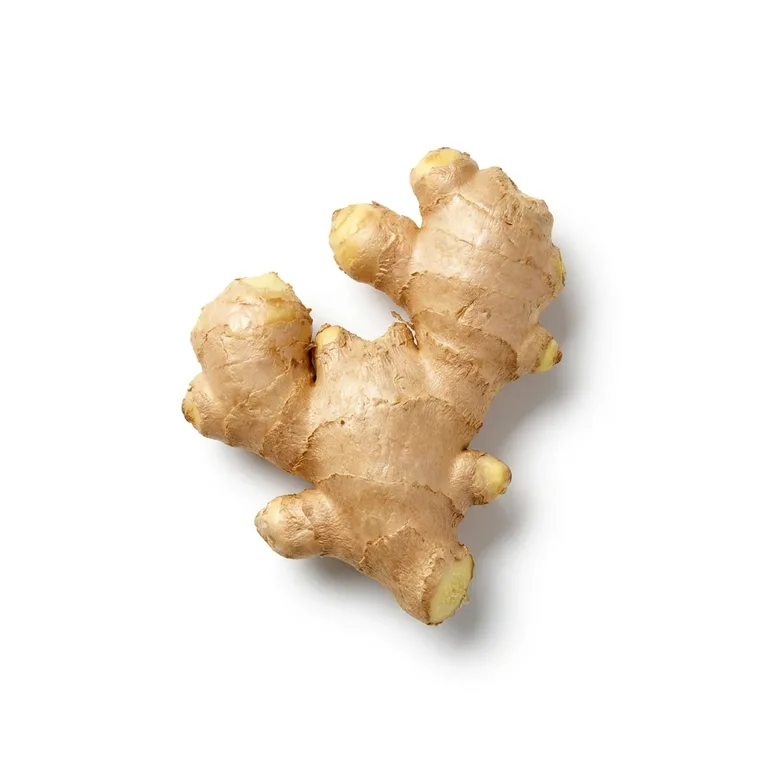
Low residue diets limit fibrous roots and whole spices. Only about 1/4 teaspoon of finely grated fresh ginger is used per serving, so it is likely Low Residue. If you prefer to always avoid fresh ginger, please tap it and change its rating to Red.
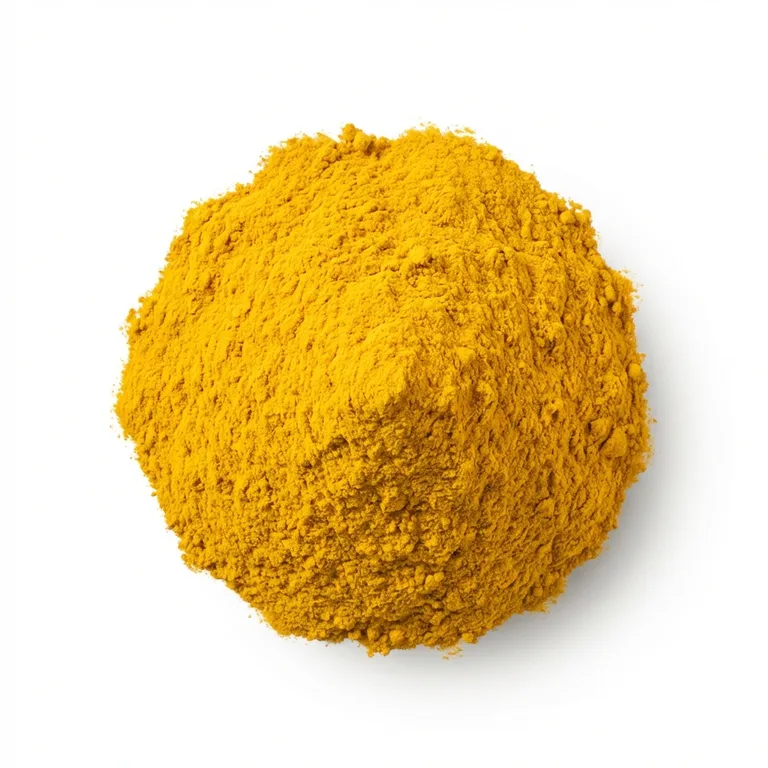
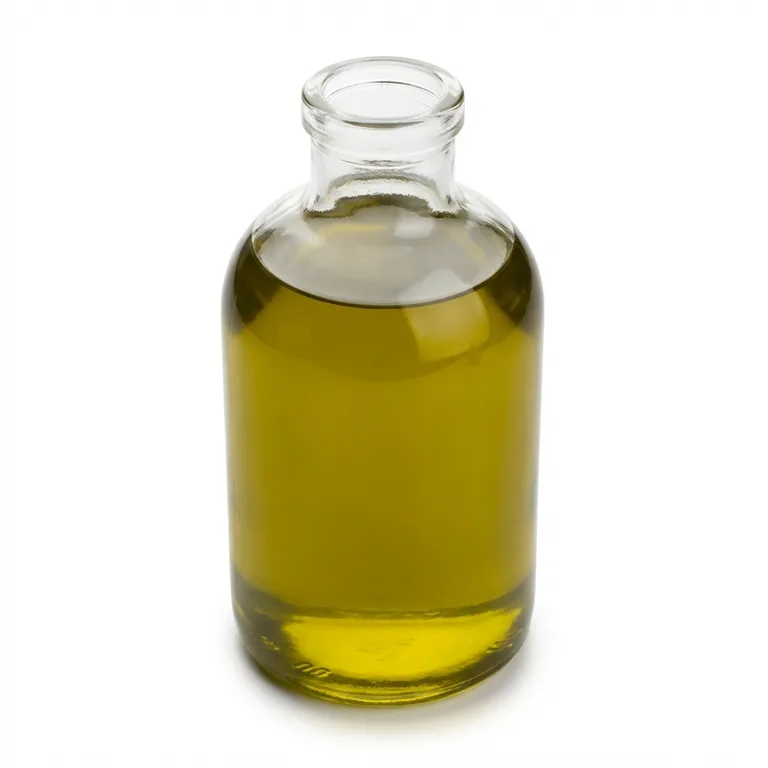
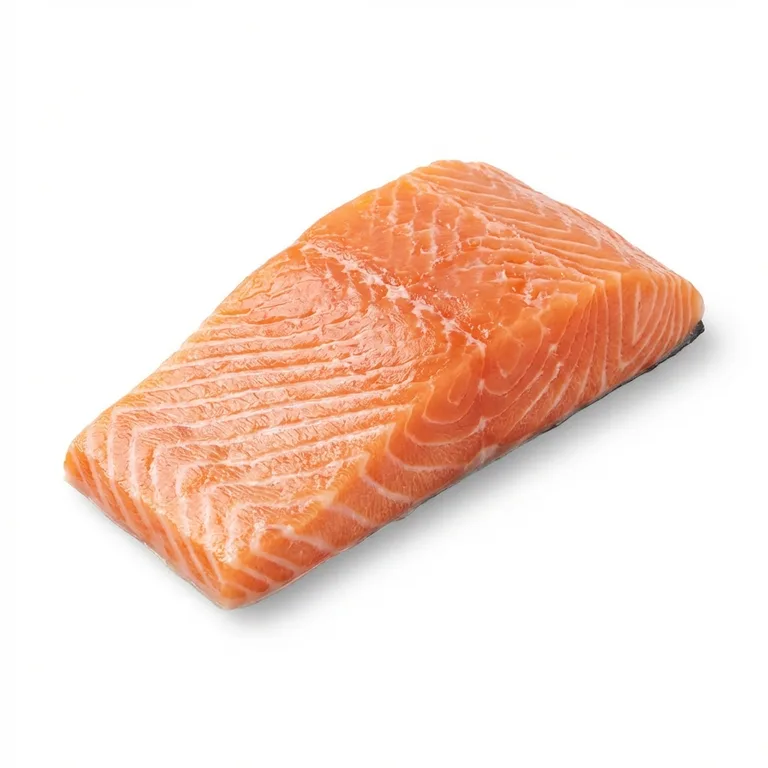
Place the salmon fillet in the freezer for 30 minutes — this firms the flesh and makes it much easier to slice cleanly. While the salmon chills, whisk together the coconut aminos, lemon juice, lemon zest, fresh dill, garlic, ginger, turmeric, salt, and olive oil in a mixing bowl until combined.
Remove the salmon from the freezer. Using a sharp knife, slice the fillet against the grain into strips about 1/4 inch thick, cutting at a slight angle for wider pieces. Remove and discard the skin as you slice. You should have roughly 20–24 strips.
Create a Fig account for step-by-step instructions, access to our full recipe library, and more!


 (16k)
(16k)