
Wheat Free Lacto-Fermented Sauerkraut

Sauerkraut is one of those ancient, deeply satisfying foods that happens to be naturally free of wheat and gluten by design — no substitutions or workarounds needed. It's just cabbage and salt, transformed over days into something tangy, complex, and alive with probiotic goodness. The optional caraway seeds add a subtle earthy note that makes it taste like it came straight from a European farmhouse kitchen. The process is mostly hands-off: a good ten-minute massage to coax out the brine, a tight pack into a mason jar, and then patience does the rest. You get to taste it along the way, dialing in the sourness to exactly where you like it — mild and bright at one week, or deeply funky and complex at four. It's endlessly versatile as a condiment, a side, or piled onto a grain bowl, and knowing you made it yourself from two ingredients makes it taste even better. Once you have a jar of this in the fridge, you'll wonder how you ever went without it.
 About Fig
Fig is a food discovery app that helps you find foods and recipes that fit your dietary needs. Whether you have food allergies, intolerances, or follow a specific diet, Fig makes it easy to eat with confidence.
Learn more →Ingredients
16 servings
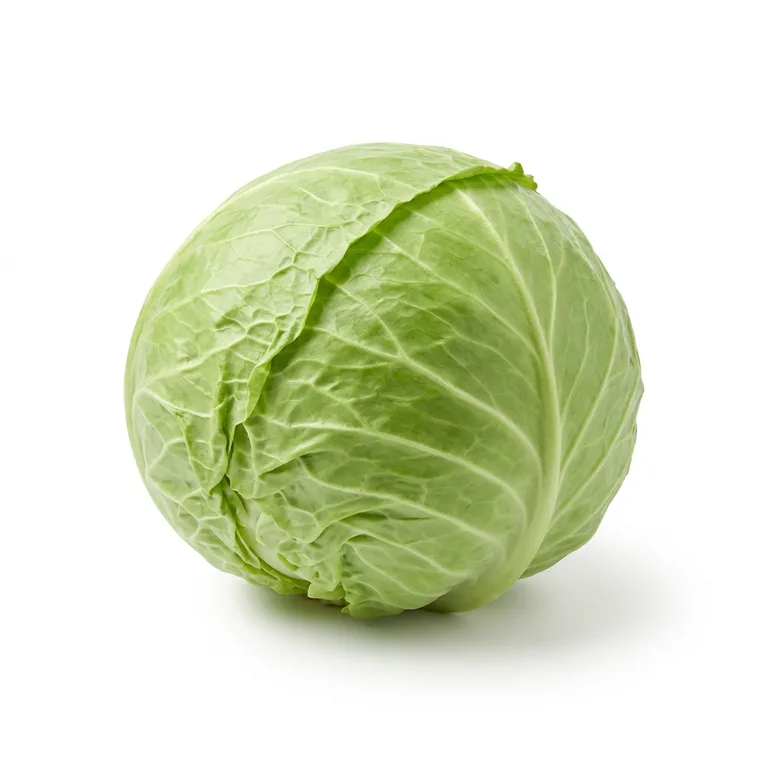
- 2 lb green cabbage (about 1 medium head), outer leaves removed and reserved
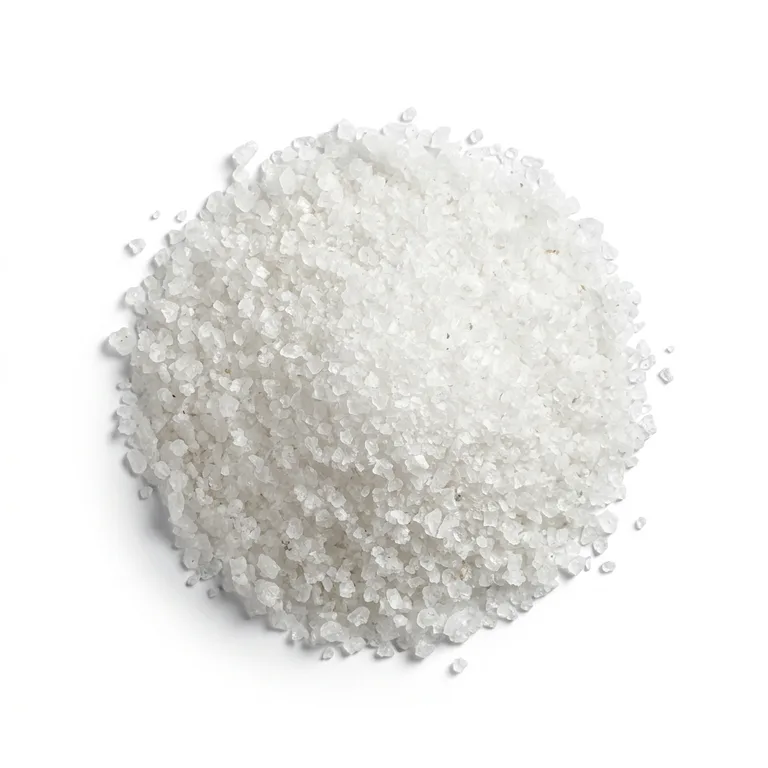
- 1 tbsp plus 1 tsp non-iodized salt (about 1.5–2% of cabbage weight)
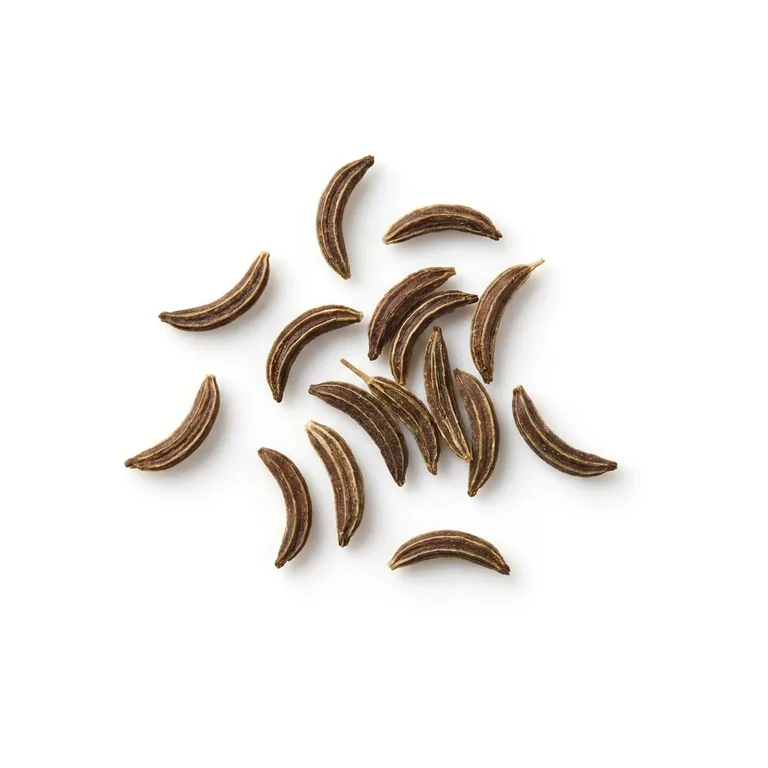
- 1 tsp caraway seeds (optional)
Instructions
- 1
Quarter the cabbage, remove the core, and slice it as thinly as possible — about 1/8-inch shreds. A mandoline or sharp chef's knife both work well. Weigh the shredded cabbage and note the weight; you need 1.5–2% of that weight in non-iodized salt (roughly 1 tbsp plus 1 tsp for 2 lb of cabbage).
- 2
Combine the shredded cabbage and salt in a large mixing bowl. Massage and squeeze the cabbage firmly with both hands for 8–10 minutes, until it has released a significant amount of liquid and feels limp and wet — the brine should pool visibly at the bottom of the bowl. Stir in the caraway seeds, if using.
Want the full recipe?
Create a Fig account for step-by-step instructions, access to our full recipe library, and more!