Sauerkraut is one of those ancient, deeply satisfying foods that somehow feels both humble and impressive on the plate — and this version is about as clean and pure as it gets. The entire process relies on just cabbage, non-iodized salt, and time, which means there is no canola, soybean, or any other refined oil anywhere near the jar. What makes lacto-fermentation so brilliant is that the cabbage essentially creates its own brine through salt and massage, no vinegar shortcuts or additives required. The optional caraway seeds add a subtle, earthy warmth that makes the finished kraut feel almost artisanal. Patience is the main skill here — a week gets you something pleasantly tangy, while three to four weeks delivers that deep, complex sourness that makes a truly great sauerkraut. Once it hits the fridge, you have up to six months of a probiotic-rich, genuinely wholesome condiment ready to pile onto sausages, grain bowls, or sandwiches. For anyone trying to cut processed oils from their diet, this is the kind of recipe that proves simple food done right needs absolutely nothing extra.
 About Fig
Fig is a food discovery app that helps you find foods and recipes that fit your dietary needs. Whether you have food allergies, intolerances, or follow a specific diet, Fig makes it easy to eat with confidence.
Learn more →16 servings
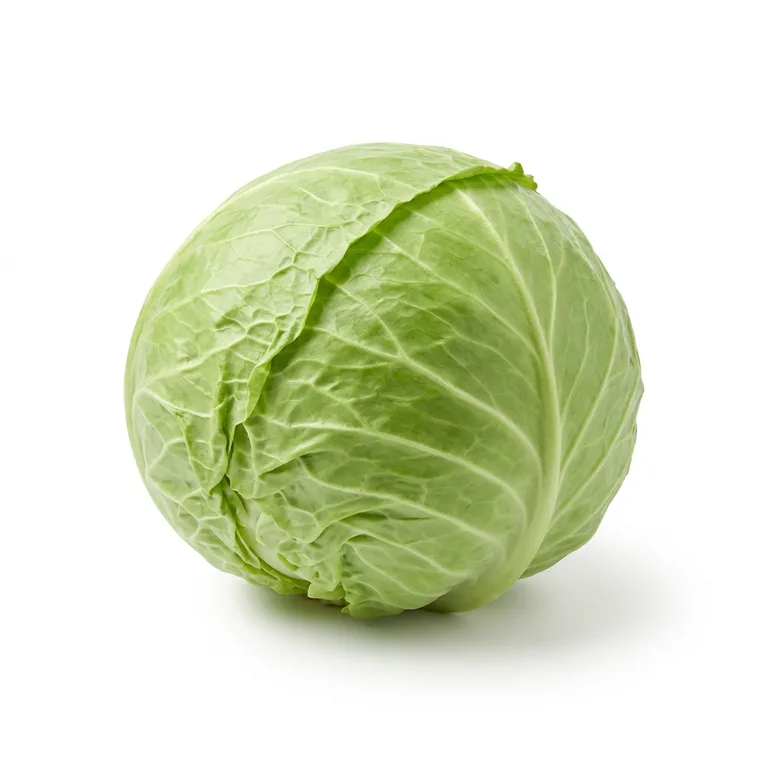
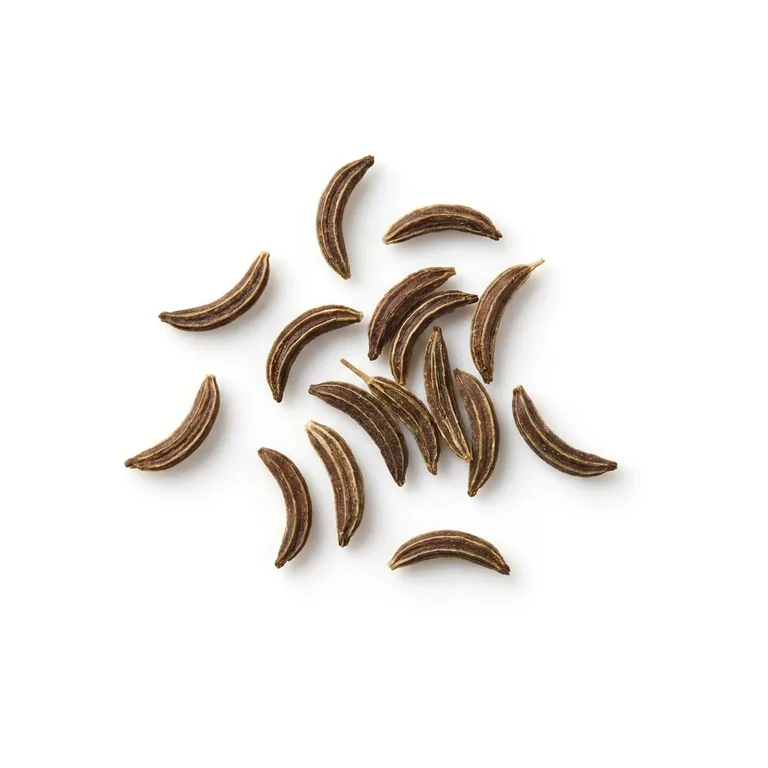
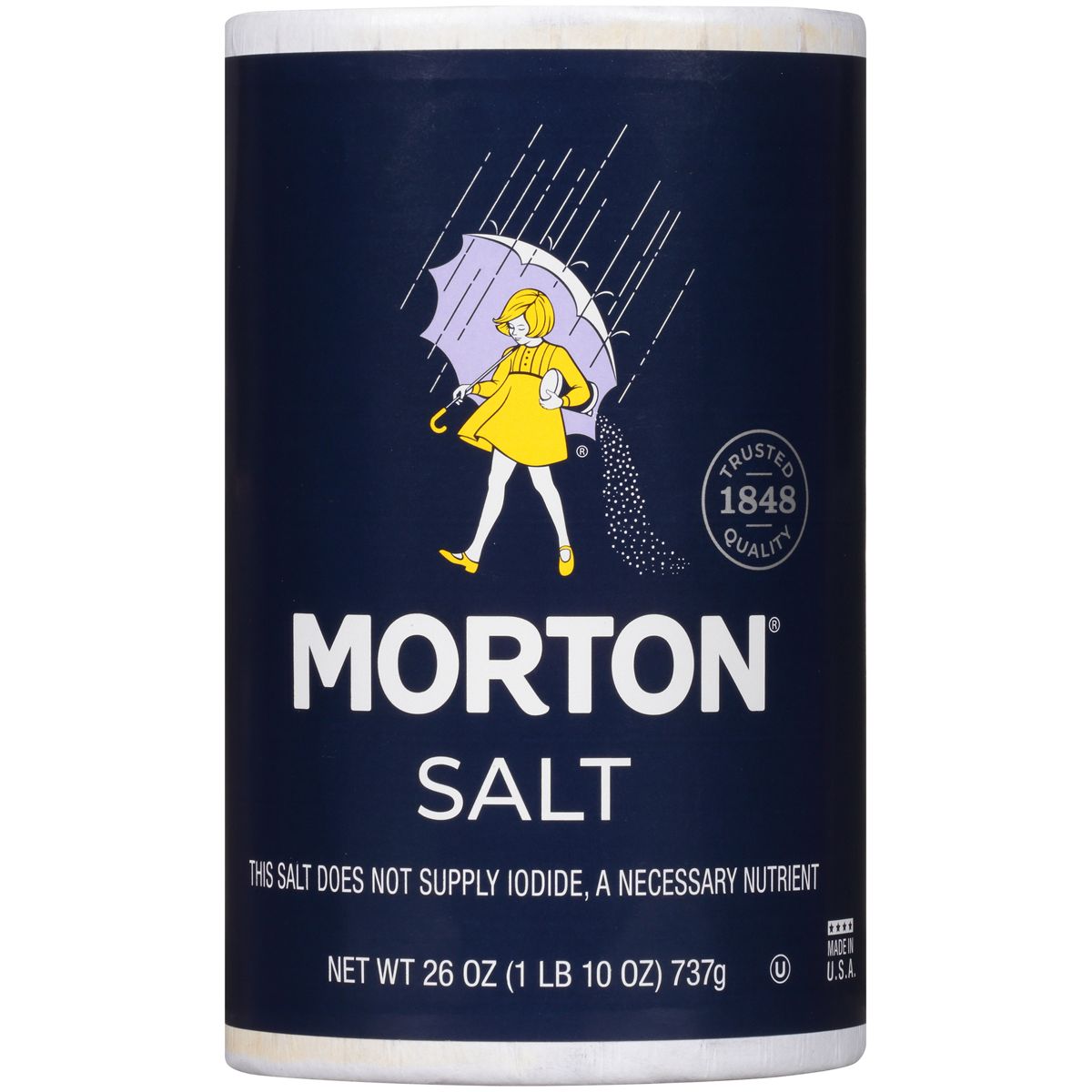
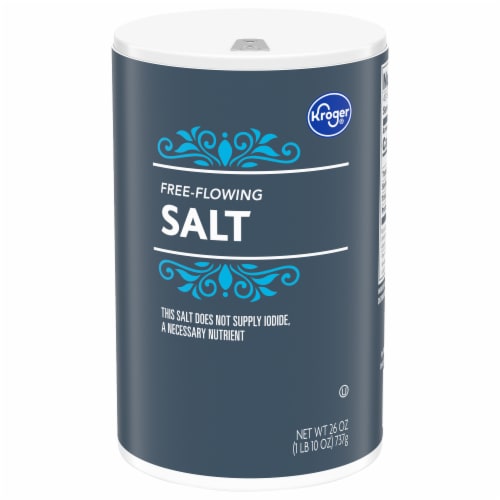
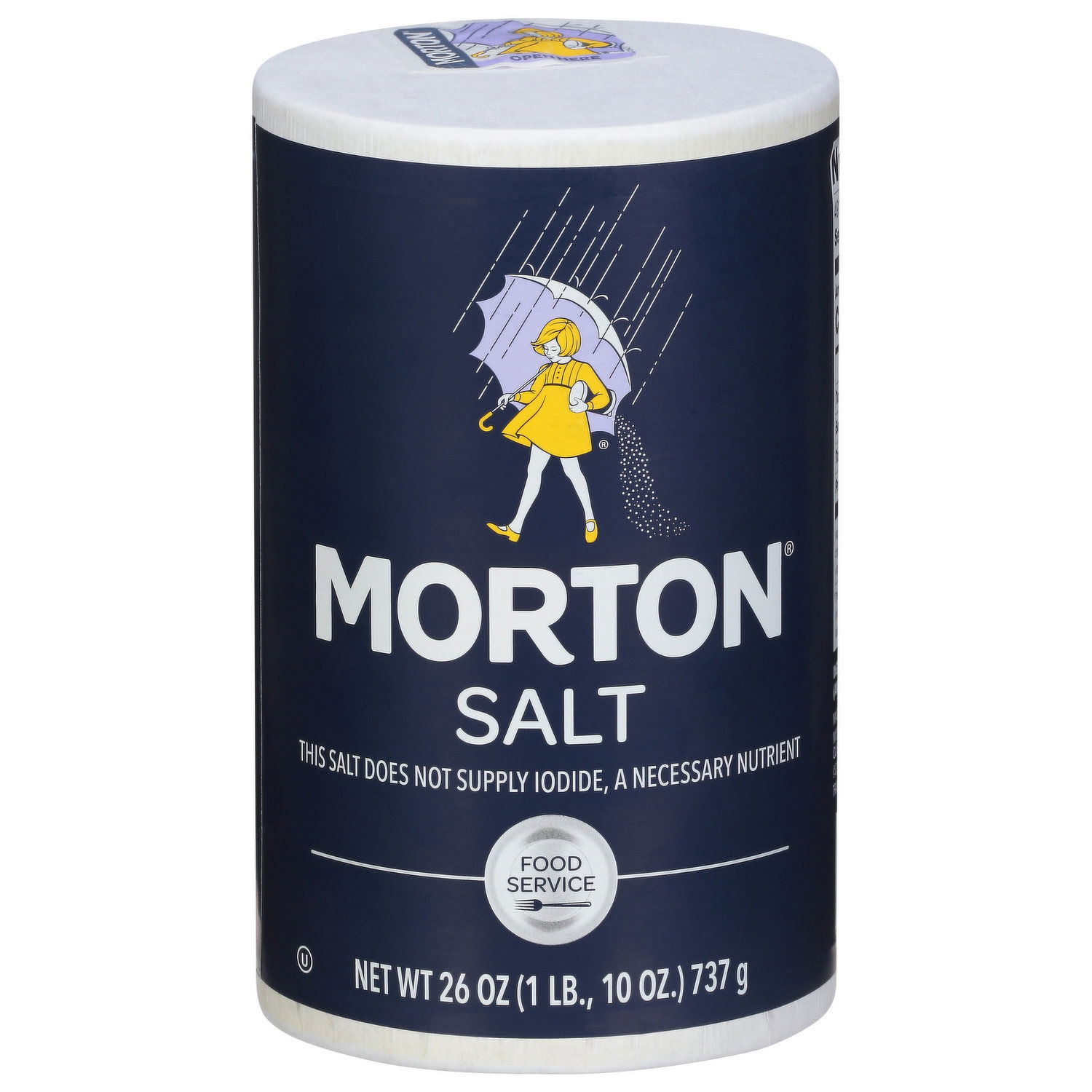
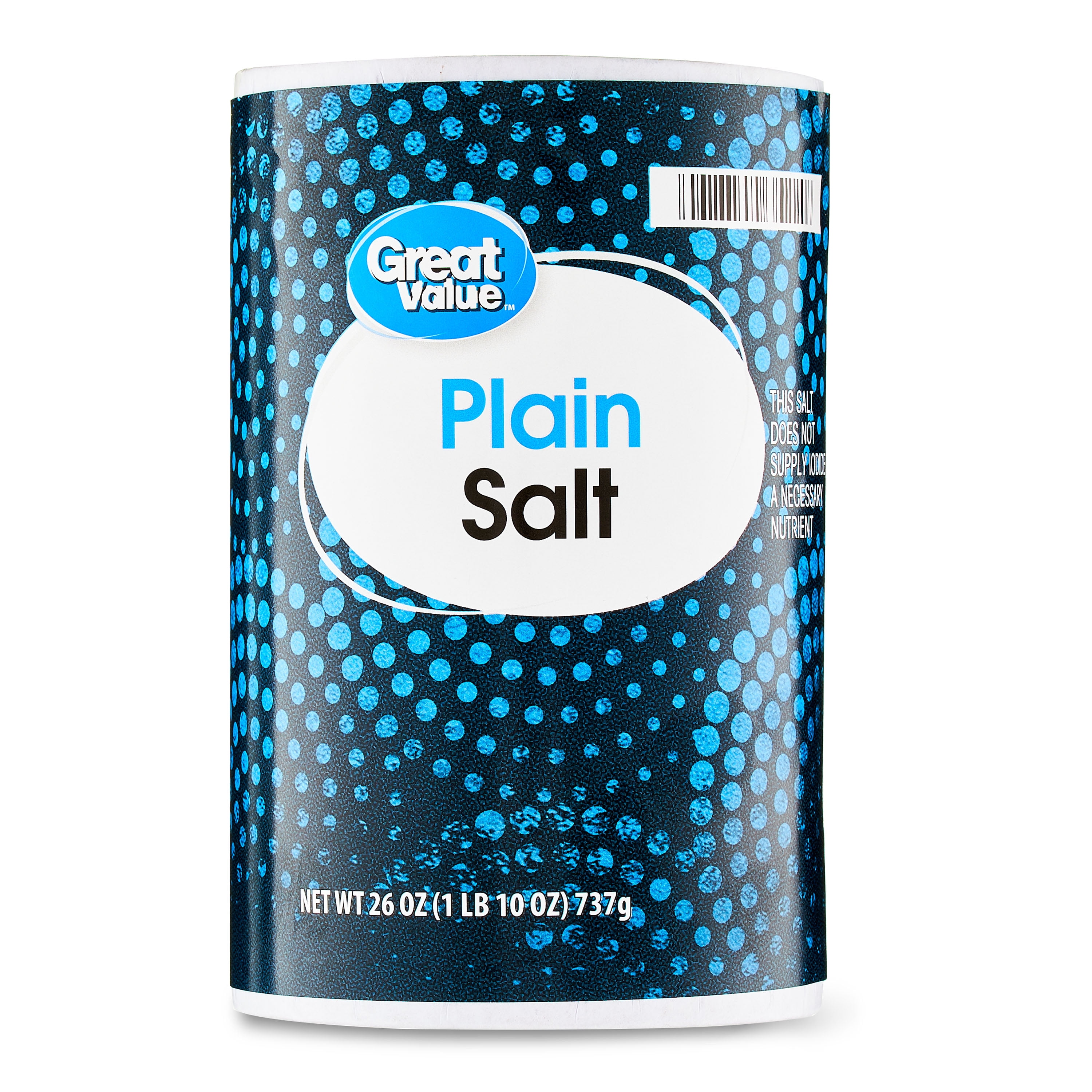
Quarter the cabbage, remove the core, and slice it as thinly as possible — about 1/8-inch shreds. A mandoline or sharp chef's knife both work well. Weigh the shredded cabbage and note the weight; you need 1.5–2% of that weight in non-iodized salt (roughly 1 tbsp plus 1 tsp for 2 lb of cabbage).
Combine the shredded cabbage and salt in a large mixing bowl. Massage and squeeze the cabbage firmly with both hands for 8–10 minutes, until it has released a significant amount of liquid and feels limp and wet — the brine should pool visibly at the bottom of the bowl. Stir in the caraway seeds, if using.
Create a Fig account for step-by-step instructions, access to our full recipe library, and more!


 (16k)
(16k)