Fermented foods have a reputation for requiring specialty equipment or hard-to-find ingredients, but this sauerkraut proves that cabbage, salt, and a little patience are genuinely all you need. The process relies entirely on wild lacto-fermentation — no vinegar shortcuts, no preservatives, no additives of any kind — which means what ends up in your jar is exactly what you put in. That simplicity is a real advantage when you're being careful about what goes into your food, since there are no hidden compounds to second-guess. The caraway seeds are optional, but they add a subtle earthy warmth that makes the finished kraut feel a little more special. Massaging the cabbage until it releases its own brine is one of those satisfying kitchen moments that also happens to be the key to the whole recipe working. You can start tasting at the one-week mark and let it ferment longer depending on how tangy you like it — the flavor genuinely deepens and gets more complex with time. Once it hits your fridge, it keeps for up to six months, so one batch goes a very long way.
 About Fig
Fig is a food discovery app that helps you find foods and recipes that fit your dietary needs. Whether you have food allergies, intolerances, or follow a specific diet, Fig makes it easy to eat with confidence.
Learn more →16 servings
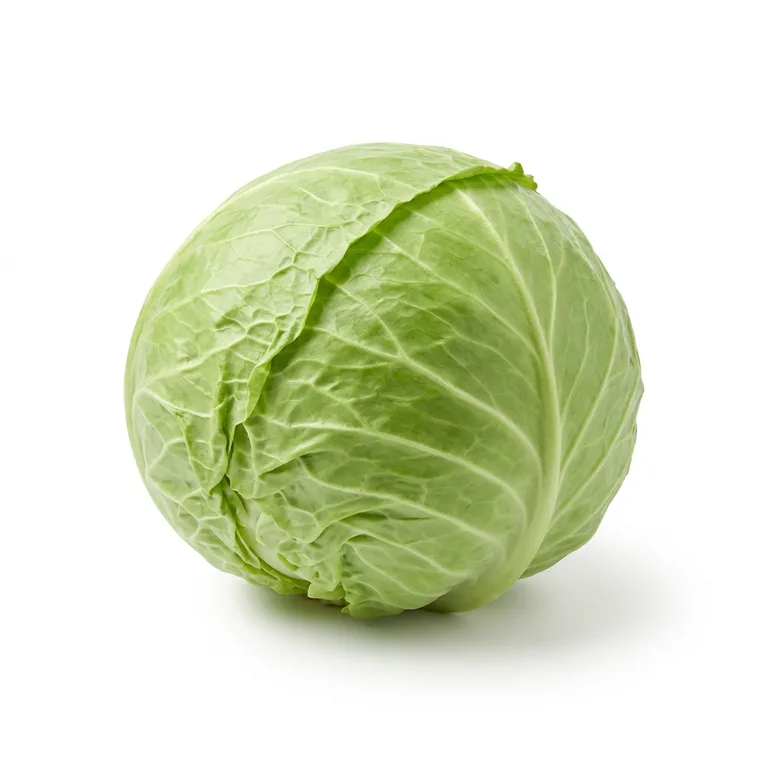
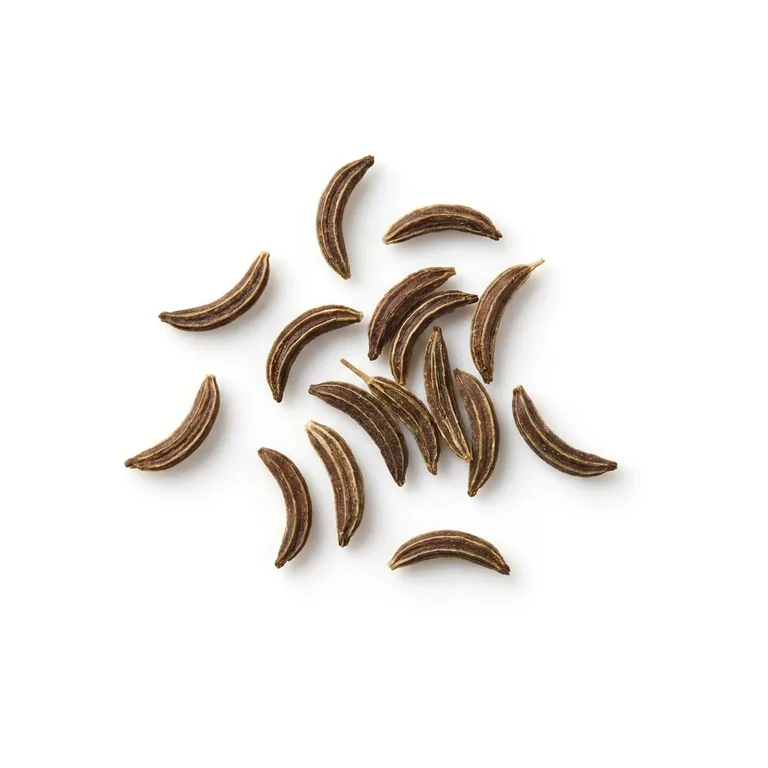
Quarter the cabbage, remove the core, and slice it as thinly as possible — about 1/8-inch shreds. A mandoline or sharp chef's knife both work well. Weigh the shredded cabbage and note the weight; you need 1.5–2% of that weight in non-iodized salt (roughly 1 tbsp plus 1 tsp for 2 lb of cabbage).
Combine the shredded cabbage and salt in a large mixing bowl. Massage and squeeze the cabbage firmly with both hands for 8–10 minutes, until it has released a significant amount of liquid and feels limp and wet — the brine should pool visibly at the bottom of the bowl. Stir in the caraway seeds, if using.
Create a Fig account for step-by-step instructions, access to our full recipe library, and more!


 (16k)
(16k)