Tangy, crunchy, and alive with natural flavor, this classic lacto-fermented sauerkraut is one of those recipes that feels almost magical once you understand how it works. Just two core ingredients — cabbage and non-iodized salt — are all it takes to kick off fermentation, with optional caraway seeds adding a subtle, earthy warmth if you like. The process is entirely plant-based and relies on nothing but time and the natural bacteria already living on the cabbage, so there's zero concern about fungal ingredients or cross-contact sneaking in. Massaging the salt into the shredded cabbage draws out enough liquid to create its own brine, which then acts as the protective environment where fermentation happens. You can start tasting at the one-week mark for a milder, lightly sour result, or let it go a full four weeks for that deep, punchy tang that makes sauerkraut so addictive on everything from grain bowls to grilled sausages. Once it hits your preferred flavor, it seals up and keeps in the fridge for up to six months — meaning one batch goes a very long way.
 About Fig
Fig is a food discovery app that helps you find foods and recipes that fit your dietary needs. Whether you have food allergies, intolerances, or follow a specific diet, Fig makes it easy to eat with confidence.
Learn more →16 servings
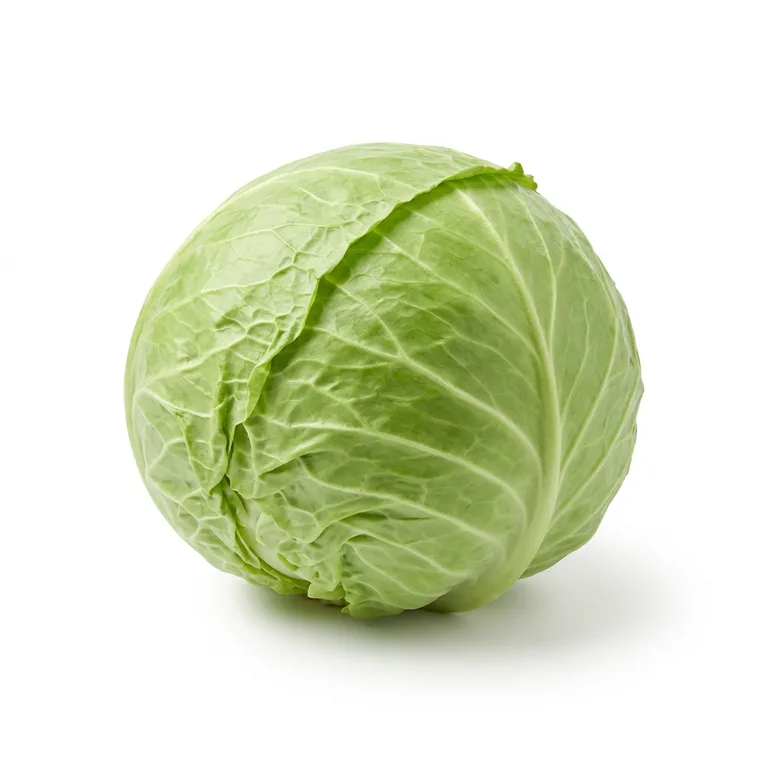
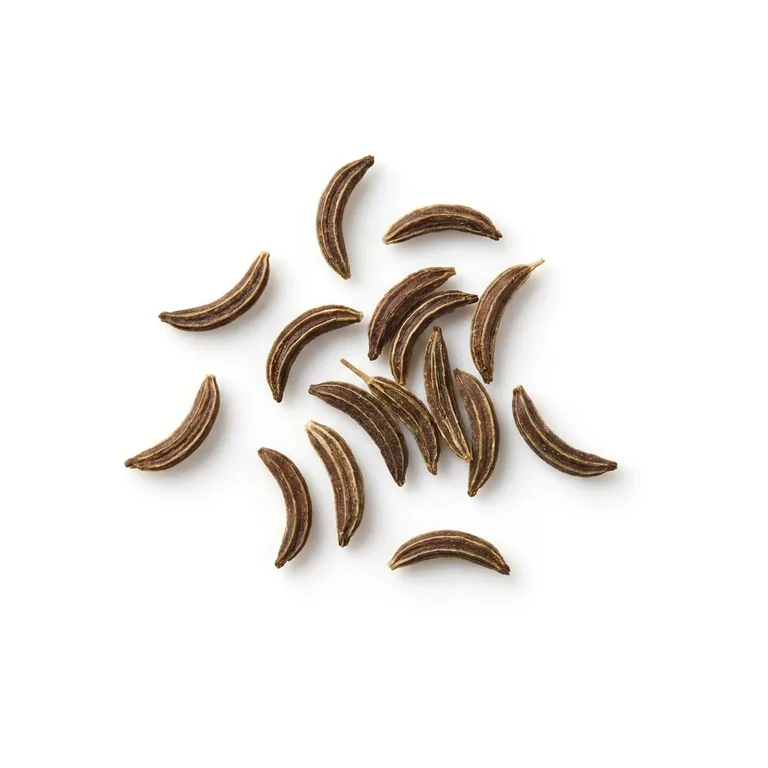
Quarter the cabbage, remove the core, and slice it as thinly as possible — about 1/8-inch shreds. A mandoline or sharp chef's knife both work well. Weigh the shredded cabbage and note the weight; you need 1.5–2% of that weight in non-iodized salt (roughly 1 tbsp plus 1 tsp for 2 lb of cabbage).
Combine the shredded cabbage and salt in a large mixing bowl. Massage and squeeze the cabbage firmly with both hands for 8–10 minutes, until it has released a significant amount of liquid and feels limp and wet — the brine should pool visibly at the bottom of the bowl. Stir in the caraway seeds, if using.
Create a Fig account for step-by-step instructions, access to our full recipe library, and more!


 (16k)
(16k)