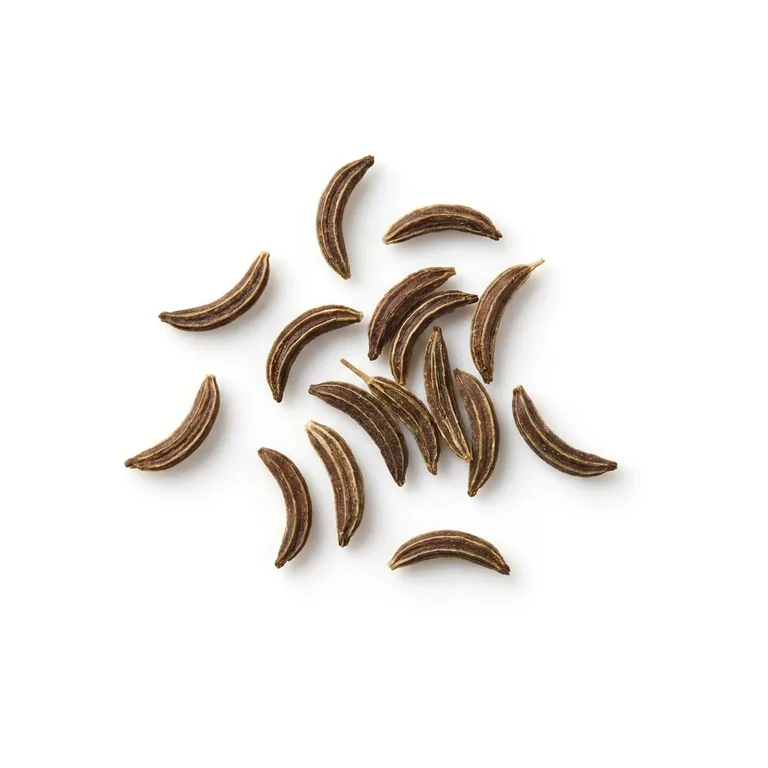
Sauerkraut is one of those ancient, humble foods that somehow delivers enormous flavor — sharp, tangy, and complex in a way that feels almost magical for something made from just cabbage and salt. What makes this version especially clean is that the fermentation process itself creates all that depth naturally, with zero need for vinegar, additives, or flavor enhancers that can sneak into store-bought jars. Non-iodized salt and time do all the heavy lifting, which means you know exactly what's in every forkful. The optional caraway seeds add a subtle earthy note that pairs beautifully with the sour brine, but the recipe works just as well without them if you prefer a more straightforward flavor. Watching the brine develop and the cabbage transform over a week or more is genuinely satisfying — this is low-effort, hands-off cooking at its most rewarding. Once it hits your preferred level of tang, it keeps in the fridge for up to six months, so a single batch goes a long way on grain bowls, sandwiches, sausages, or eaten straight from the jar.
 About Fig
Fig is a food discovery app that helps you find foods and recipes that fit your dietary needs. Whether you have food allergies, intolerances, or follow a specific diet, Fig makes it easy to eat with confidence.
Learn more →16 servings
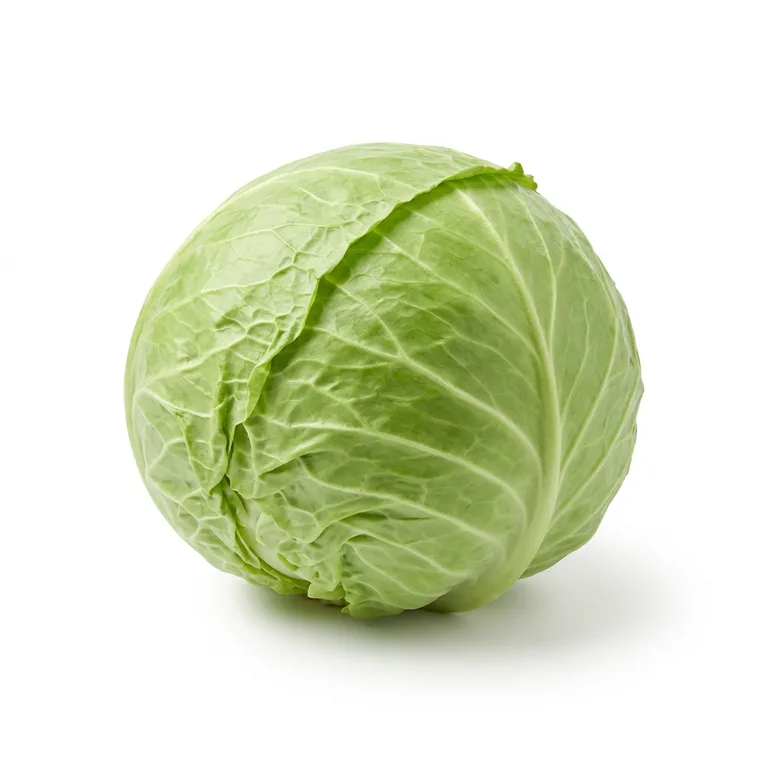
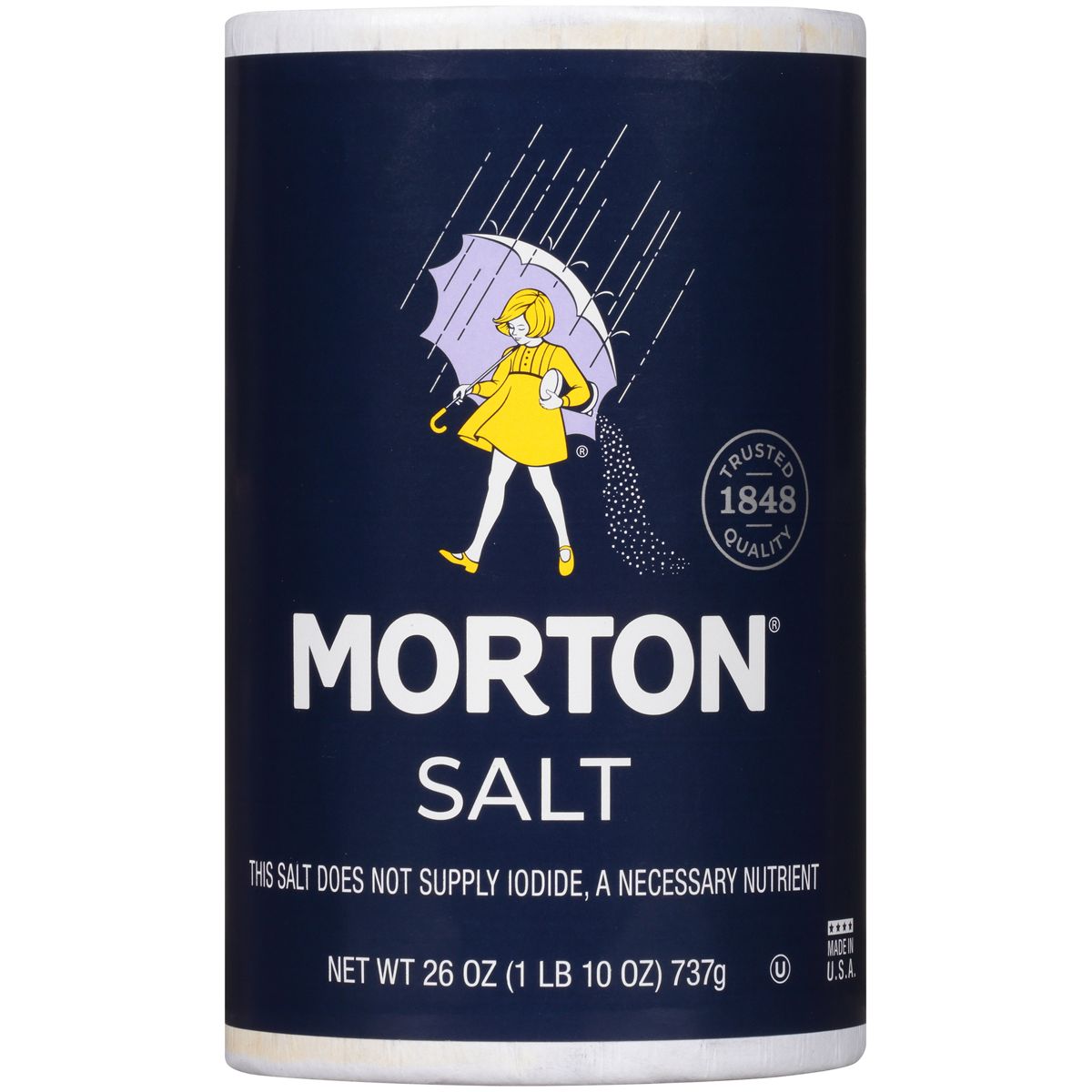
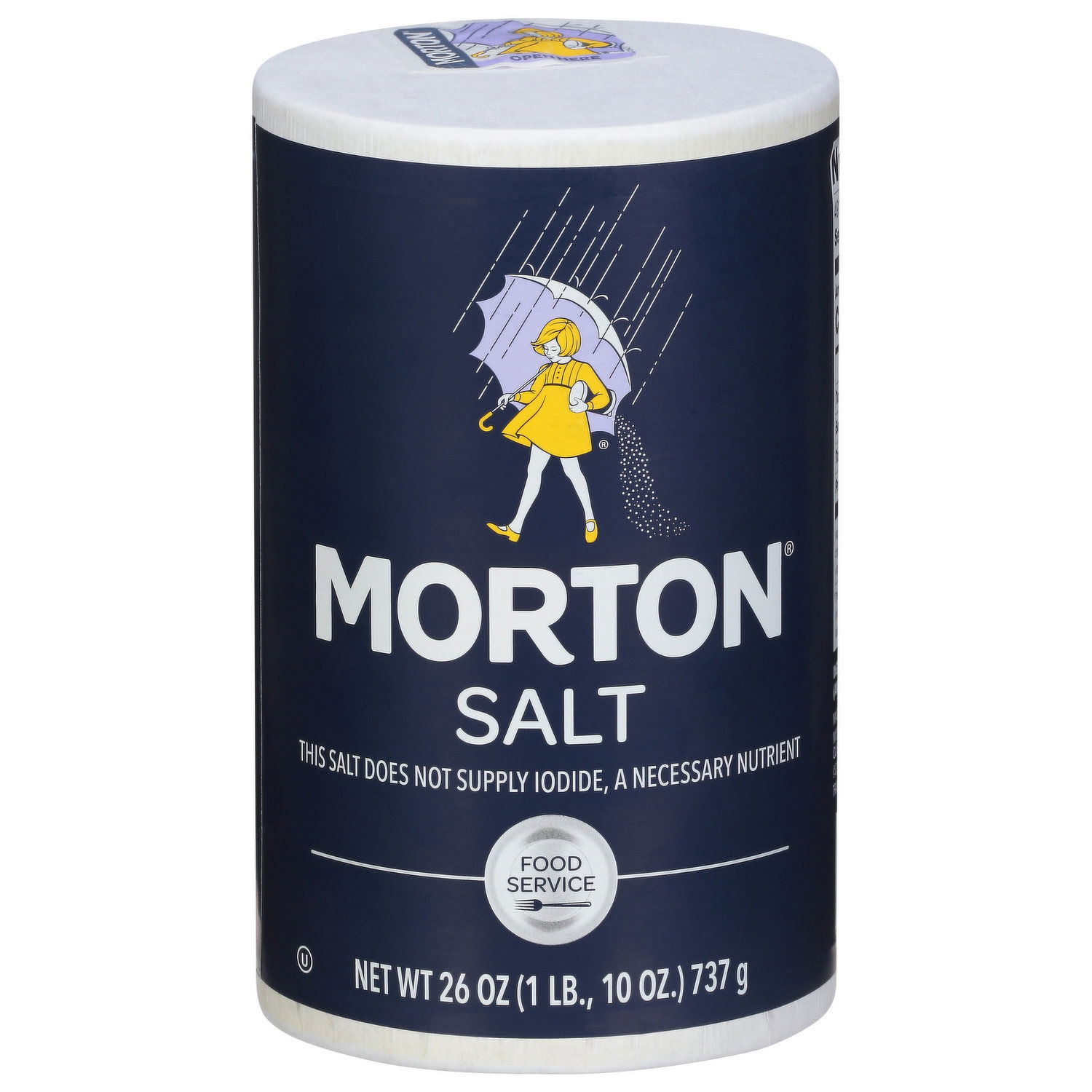
Quarter the cabbage, remove the core, and slice it as thinly as possible — about 1/8-inch shreds. A mandoline or sharp chef's knife both work well. Weigh the shredded cabbage and note the weight; you need 1.5–2% of that weight in non-iodized salt (roughly 1 tbsp plus 1 tsp for 2 lb of cabbage).
Combine the shredded cabbage and salt in a large mixing bowl. Massage and squeeze the cabbage firmly with both hands for 8–10 minutes, until it has released a significant amount of liquid and feels limp and wet — the brine should pool visibly at the bottom of the bowl. Stir in the caraway seeds, if using.
Create a Fig account for step-by-step instructions, access to our full recipe library, and more!


 (16k)
(16k)