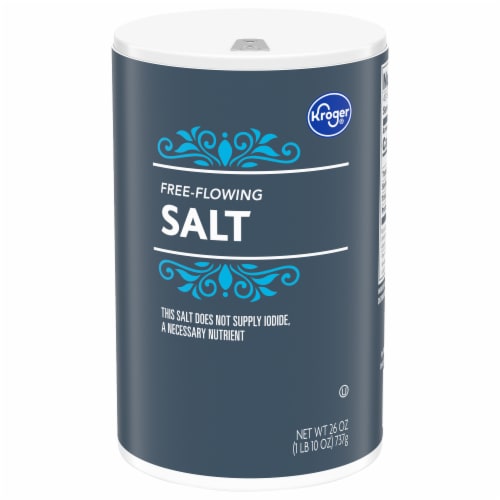
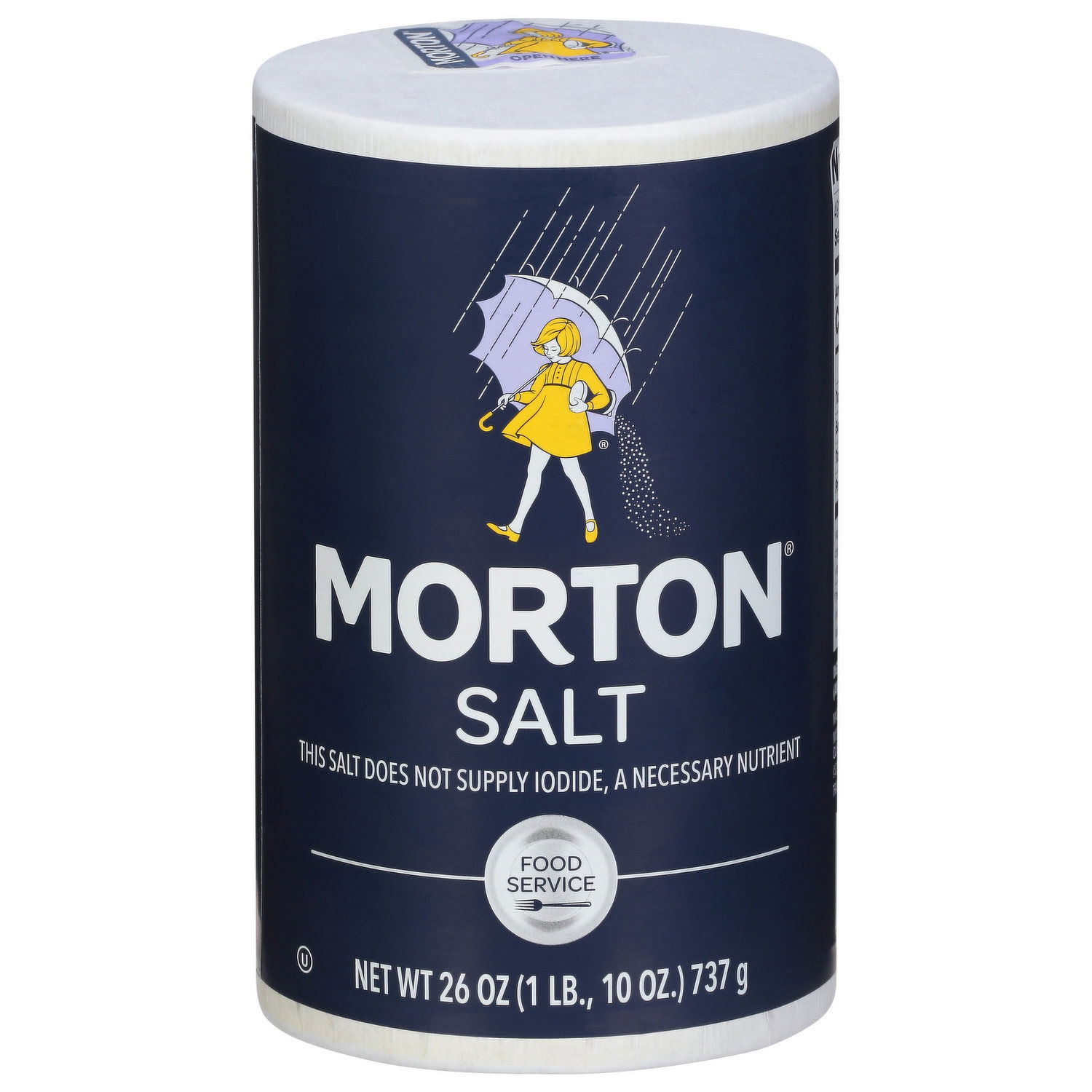
Sauerkraut is one of those ancient, humble foods that delivers serious flavor with almost nothing in the way of ingredients — just cabbage, salt, and time. There are no beans, lentils, or legumes anywhere near this recipe, making it a naturally clean fit for anyone navigating that restriction without having to swap or substitute a thing. The process is pure lacto-fermentation: salt draws moisture out of the cabbage, creating a brine that keeps everything submerged while beneficial bacteria do their slow, tangy work. Caraway seeds are optional but worth considering — they add a subtle earthy warmth that makes the finished kraut feel a little more complex and old-world. The hardest part is honestly just waiting, because by week two the smell coming from that jar is going to be deeply savory and irresistible. Once it hits your preferred level of sourness, it seals up and keeps in the fridge for months, ready to pile onto sausages, stir into grain bowls, or eat straight from the jar with a fork.
 About Fig
Fig is a food discovery app that helps you find foods and recipes that fit your dietary needs. Whether you have food allergies, intolerances, or follow a specific diet, Fig makes it easy to eat with confidence.
Learn more →16 servings
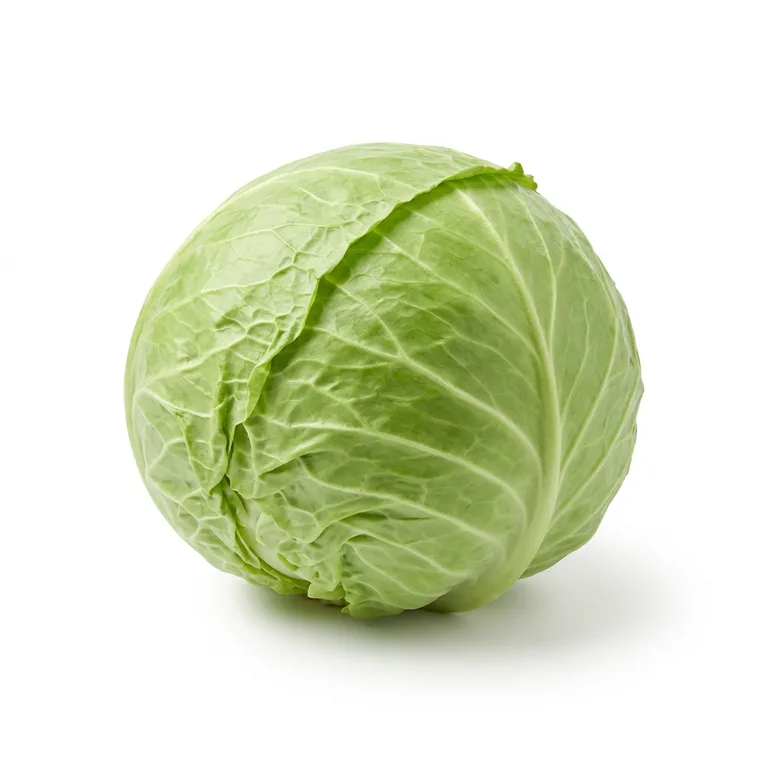
Quarter the cabbage, remove the core, and slice it as thinly as possible — about 1/8-inch shreds. A mandoline or sharp chef's knife both work well. Weigh the shredded cabbage and note the weight; you need 1.5–2% of that weight in non-iodized salt (roughly 1 tbsp plus 1 tsp for 2 lb of cabbage).
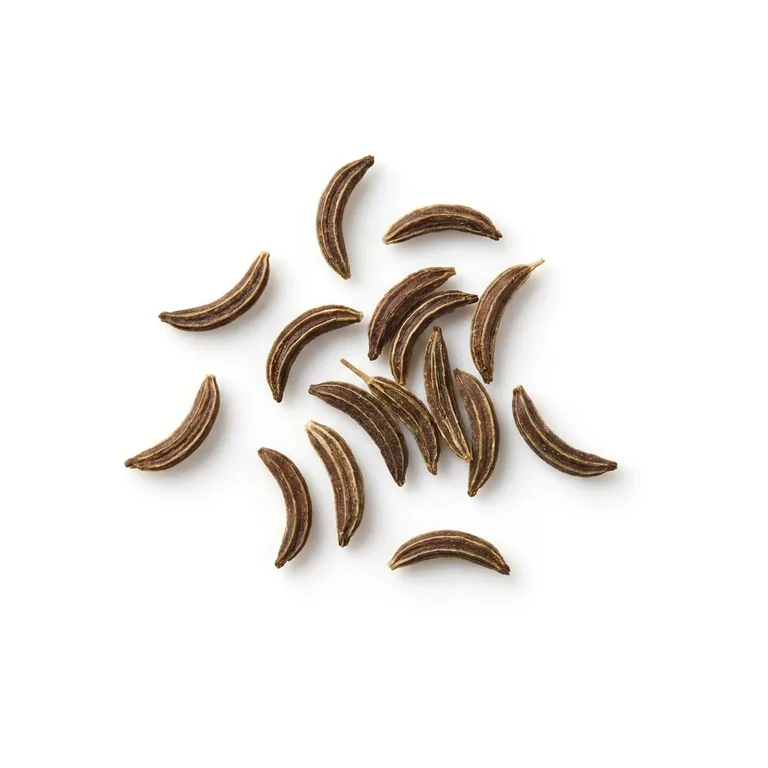
Combine the shredded cabbage and salt in a large mixing bowl. Massage and squeeze the cabbage firmly with both hands for 8–10 minutes, until it has released a significant amount of liquid and feels limp and wet — the brine should pool visibly at the bottom of the bowl. Stir in the caraway seeds, if using.
Create a Fig account for step-by-step instructions, access to our full recipe library, and more!


 (16k)
(16k)