
Latex Free Lacto-Fermented Sauerkraut

Tangy, crunchy, and alive with flavor, this fermented cabbage is one of those kitchen projects that rewards patience with something genuinely special. The ingredient list is about as short as it gets — cabbage, non-iodized salt, and optional caraway seeds — which means there's nothing hidden to worry about, just clean, whole-food fermentation doing its thing. Many store-bought versions contain additives or vinegar shortcuts that bypass true lacto-fermentation entirely, but this method lets wild bacteria do the work naturally, producing that deep, complex sourness you can't fake. The process is hands-on in the best way: you massage the cabbage until it releases its own brine, pack it tight, and then mostly just wait and taste. By day seven you'll have something mild and pleasantly tangy; by week four, a fully fermented, gut-friendly condiment that's worlds better than anything from a shelf. It's brilliant piled onto sausages, stirred into grain bowls, or eaten straight from the jar with a fork — no judgment here.
 About Fig
Fig is a food discovery app that helps you find foods and recipes that fit your dietary needs. Whether you have food allergies, intolerances, or follow a specific diet, Fig makes it easy to eat with confidence.
Learn more →Ingredients
16 servings
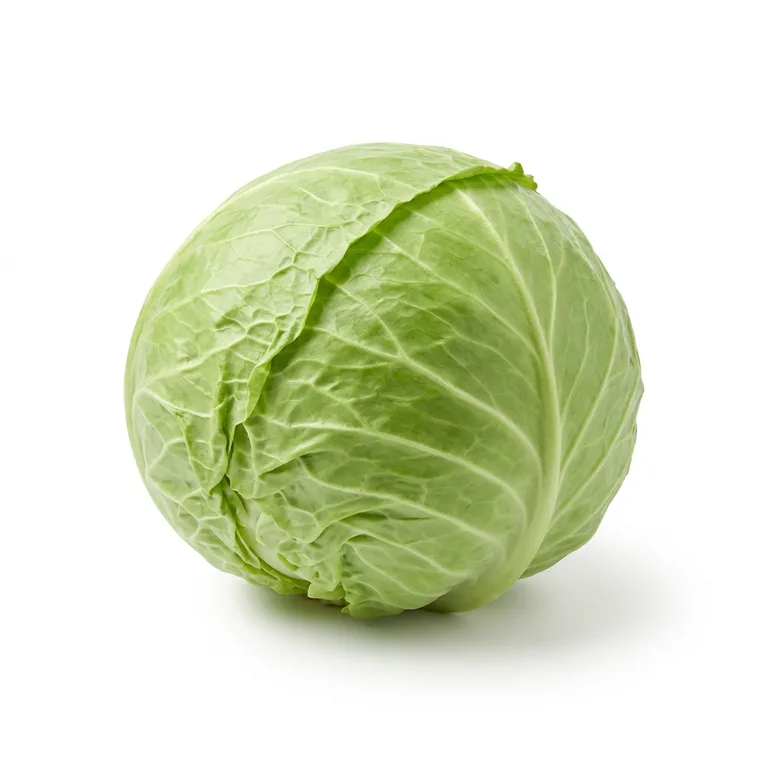
- 2 lb green cabbage (about 1 medium head), outer leaves removed and reserved
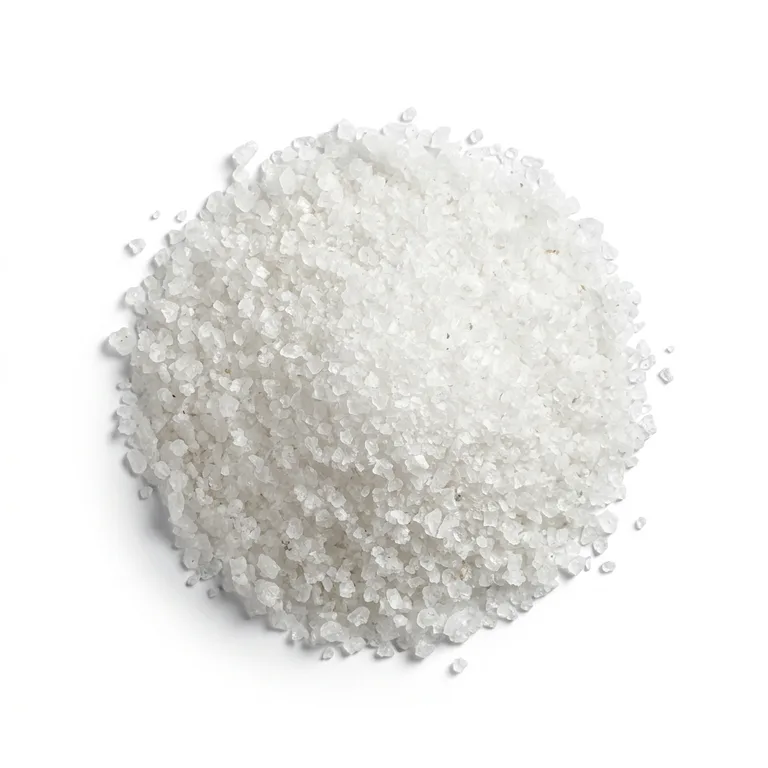
- 1 tbsp plus 1 tsp non-iodized salt (about 1.5–2% of cabbage weight)
- 1 tsp caraway seeds (optional)
Instructions
- 1
Quarter the cabbage, remove the core, and slice it as thinly as possible — about 1/8-inch shreds. A mandoline or sharp chef's knife both work well. Weigh the shredded cabbage and note the weight; you need 1.5–2% of that weight in non-iodized salt (roughly 1 tbsp plus 1 tsp for 2 lb of cabbage).
- 2
Combine the shredded cabbage and salt in a large mixing bowl. Massage and squeeze the cabbage firmly with both hands for 8–10 minutes, until it has released a significant amount of liquid and feels limp and wet — the brine should pool visibly at the bottom of the bowl. Stir in the caraway seeds, if using.
Want the full recipe?
Create a Fig account for step-by-step instructions, access to our full recipe library, and more!