Homemade sauerkraut is one of those deeply satisfying kitchen projects where time and salt do almost all the work for you. Store-bought versions often sneak in vinegar, sugar, or preservatives to speed up production and extend shelf life — but this recipe skips every one of those additives, relying on nothing but cabbage, non-iodized salt, and the natural fermentation process to build real, complex flavor. The optional caraway seeds add a subtle earthy warmth that makes the finished kraut feel genuinely special. Massaging the cabbage until it releases its own brine is the key step here — that liquid becomes the fermentation environment, so no outside liquid is needed to get things going. You'll notice the flavor evolve day by day, from a mild, lightly sour tang at the one-week mark to a deeply funky, pleasantly sharp kraut by week four. Once it hits your preferred level of sourness, it goes straight into the fridge where it'll keep for up to six months. It's the kind of condiment that makes a simple sausage plate or grain bowl feel like something worth sitting down for.
 About Fig
Fig is a food discovery app that helps you find foods and recipes that fit your dietary needs. Whether you have food allergies, intolerances, or follow a specific diet, Fig makes it easy to eat with confidence.
Learn more →16 servings
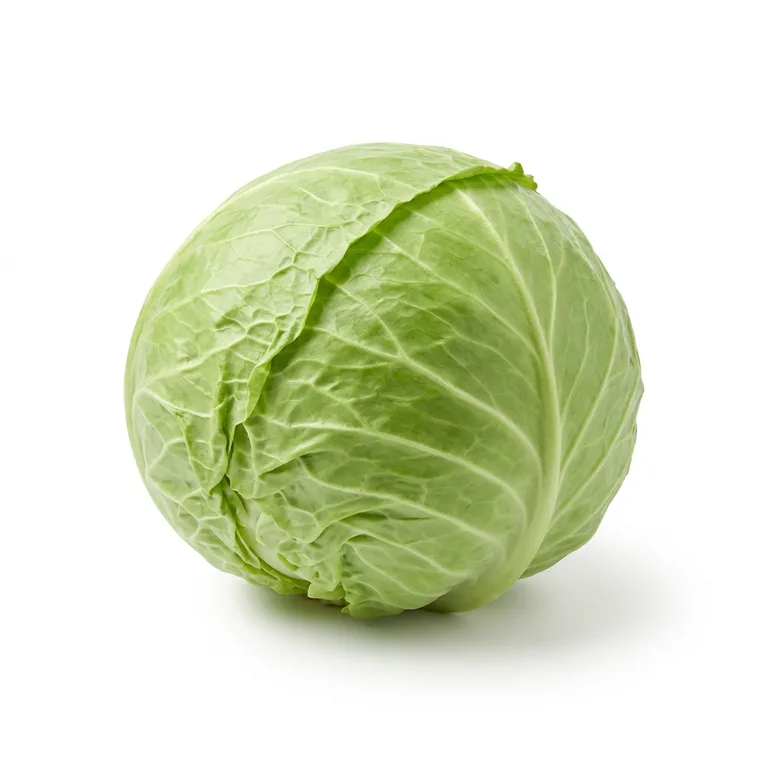
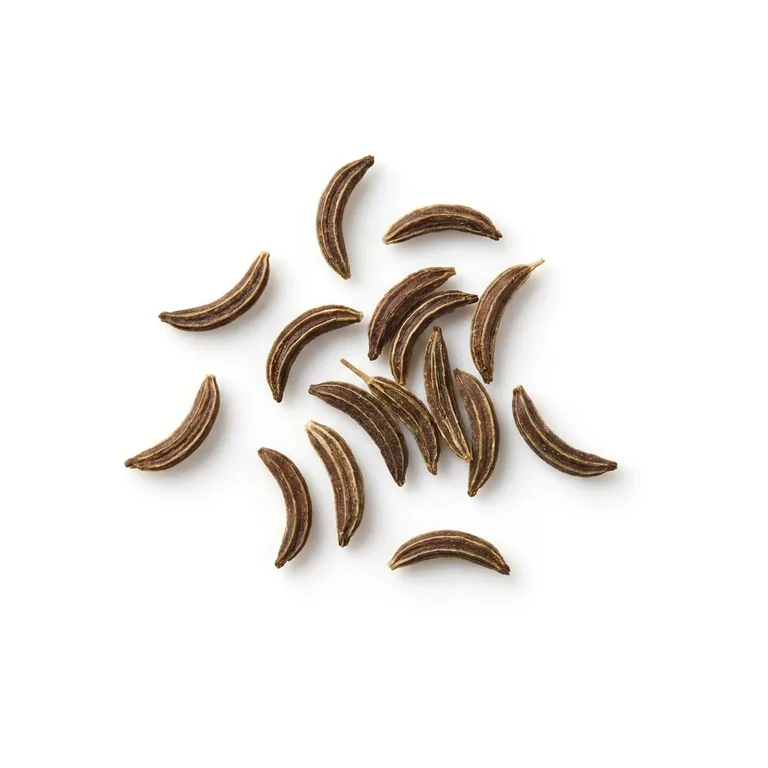
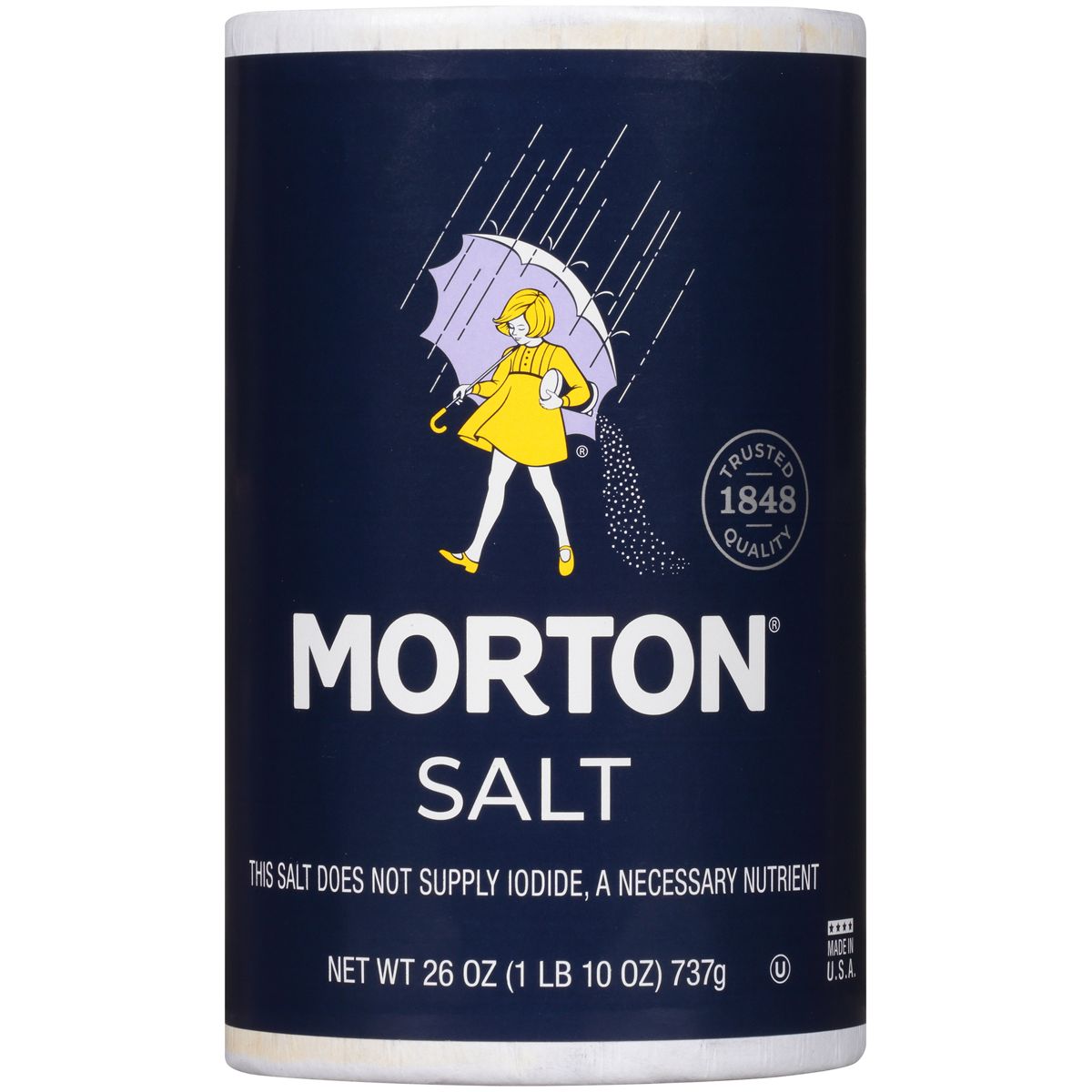
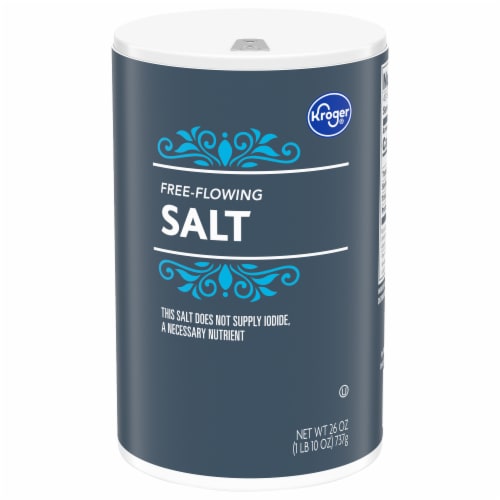
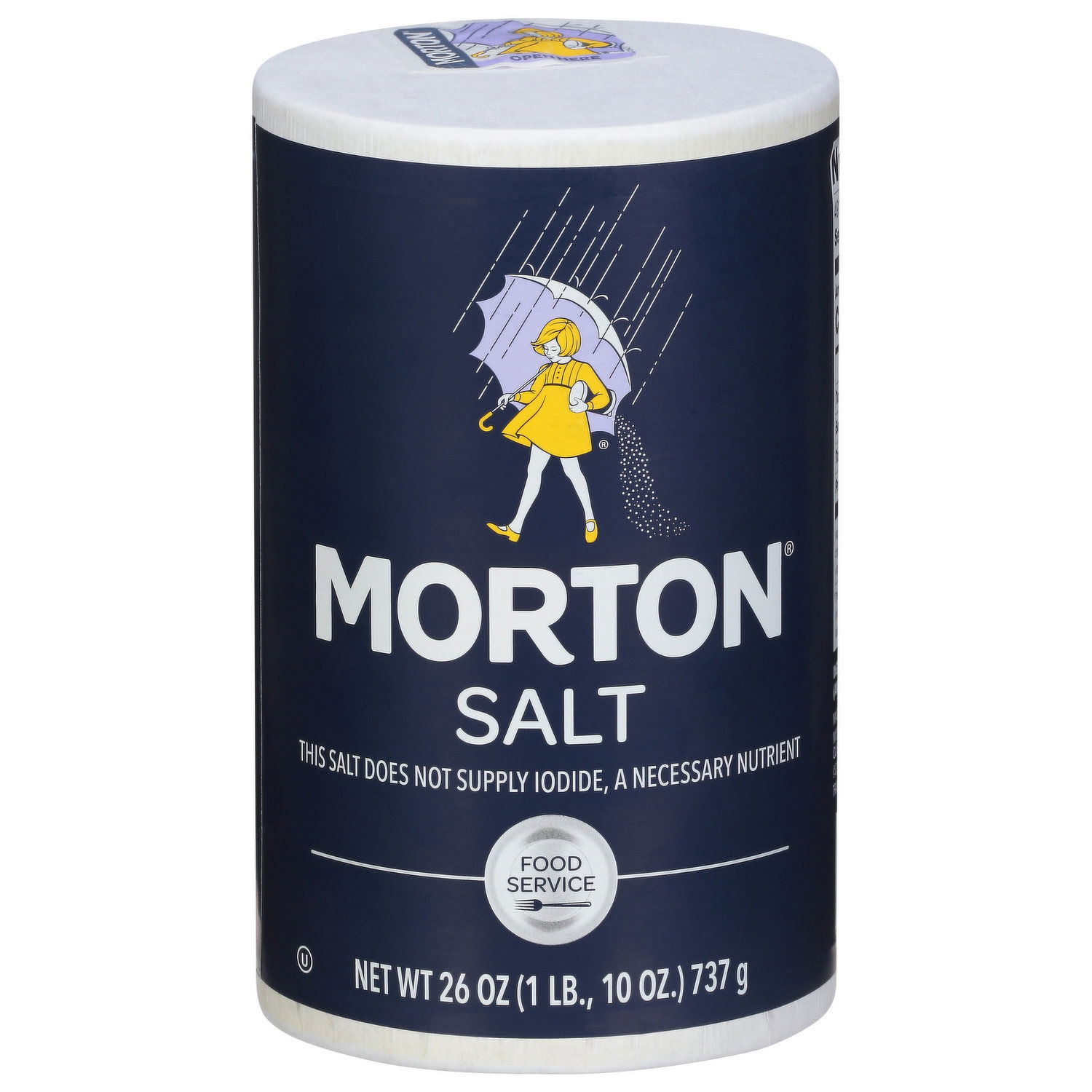
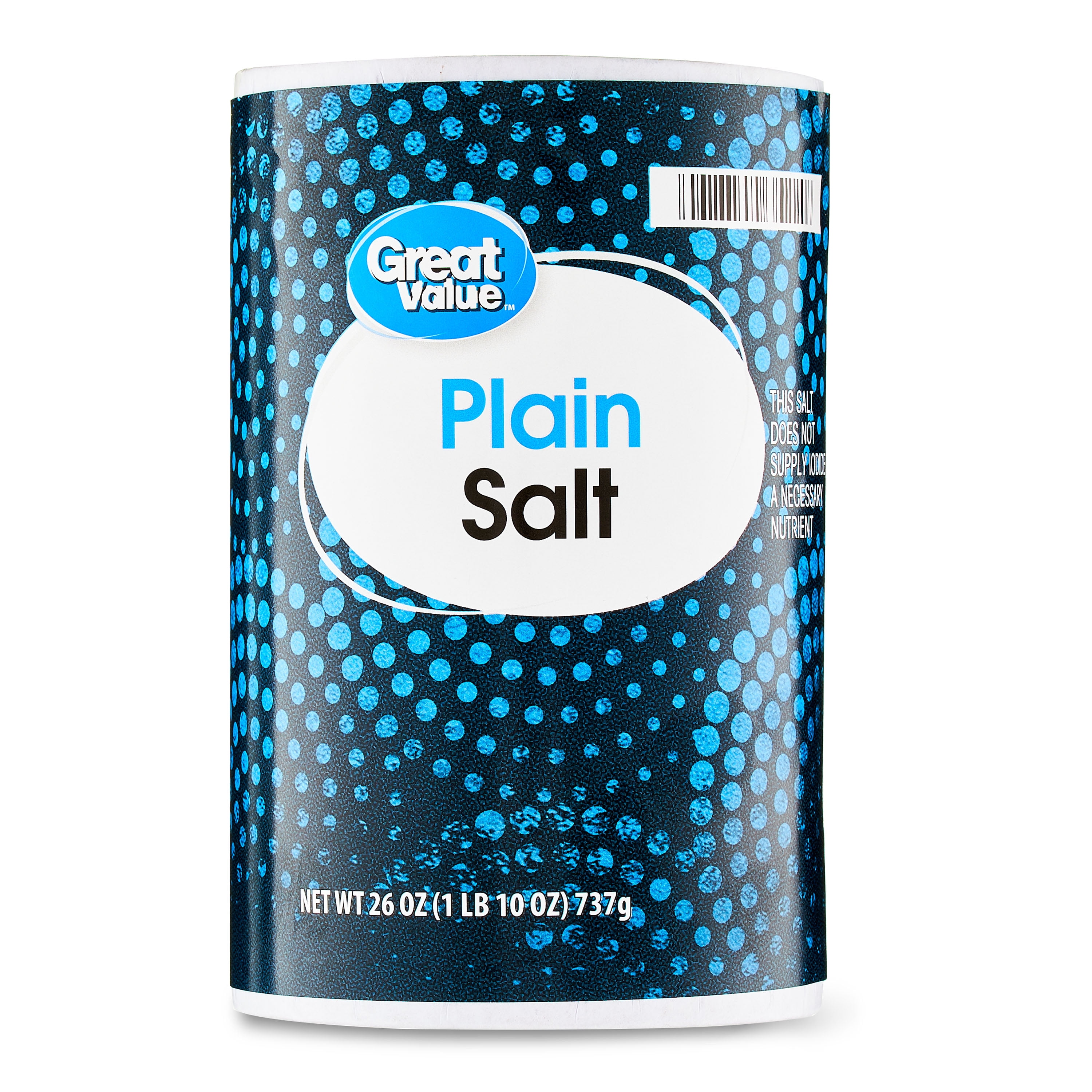
Quarter the cabbage, remove the core, and slice it as thinly as possible — about 1/8-inch shreds. A mandoline or sharp chef's knife both work well. Weigh the shredded cabbage and note the weight; you need 1.5–2% of that weight in non-iodized salt (roughly 1 tbsp plus 1 tsp for 2 lb of cabbage).
Combine the shredded cabbage and salt in a large mixing bowl. Massage and squeeze the cabbage firmly with both hands for 8–10 minutes, until it has released a significant amount of liquid and feels limp and wet — the brine should pool visibly at the bottom of the bowl. Stir in the caraway seeds, if using.
Create a Fig account for step-by-step instructions, access to our full recipe library, and more!


 (16k)
(16k)