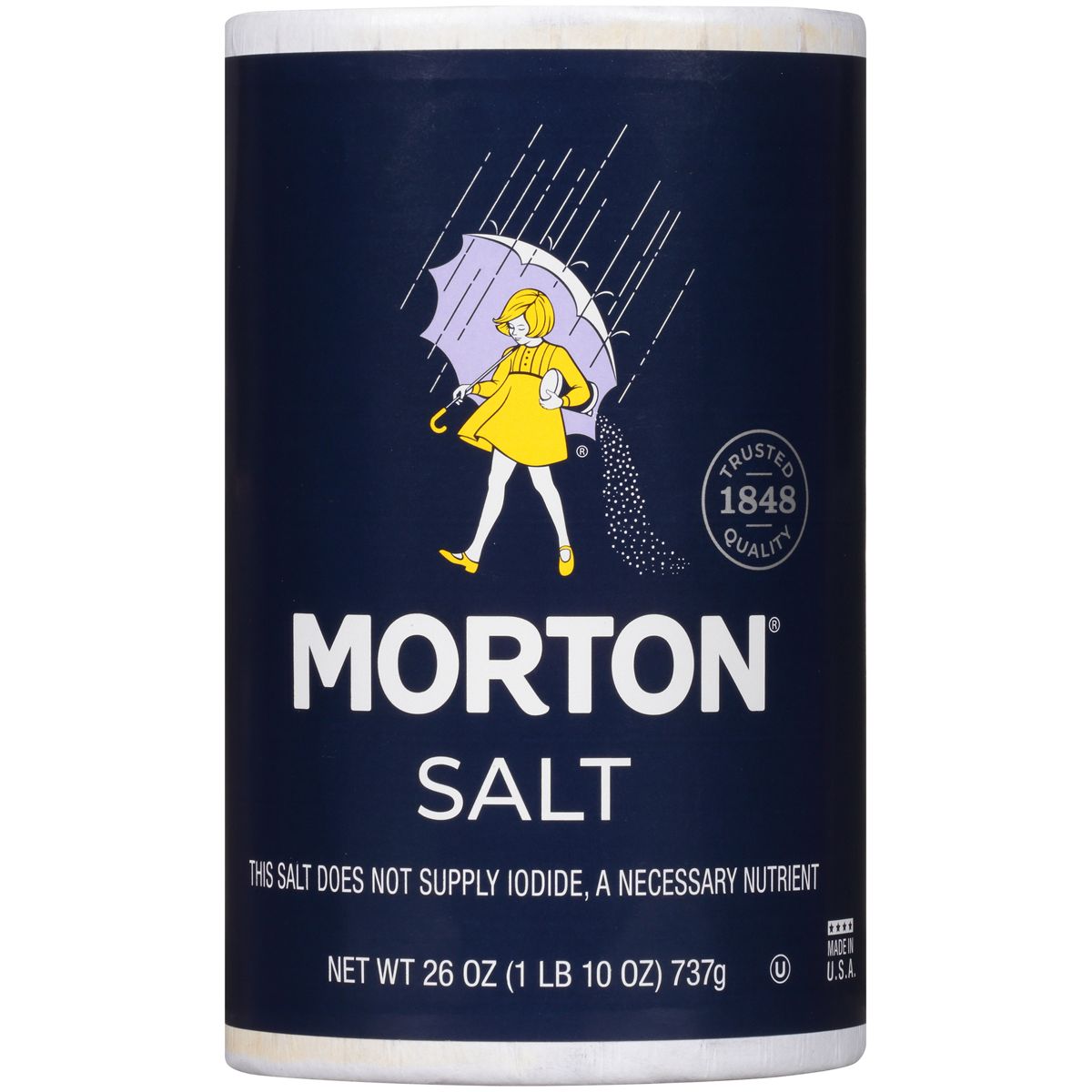
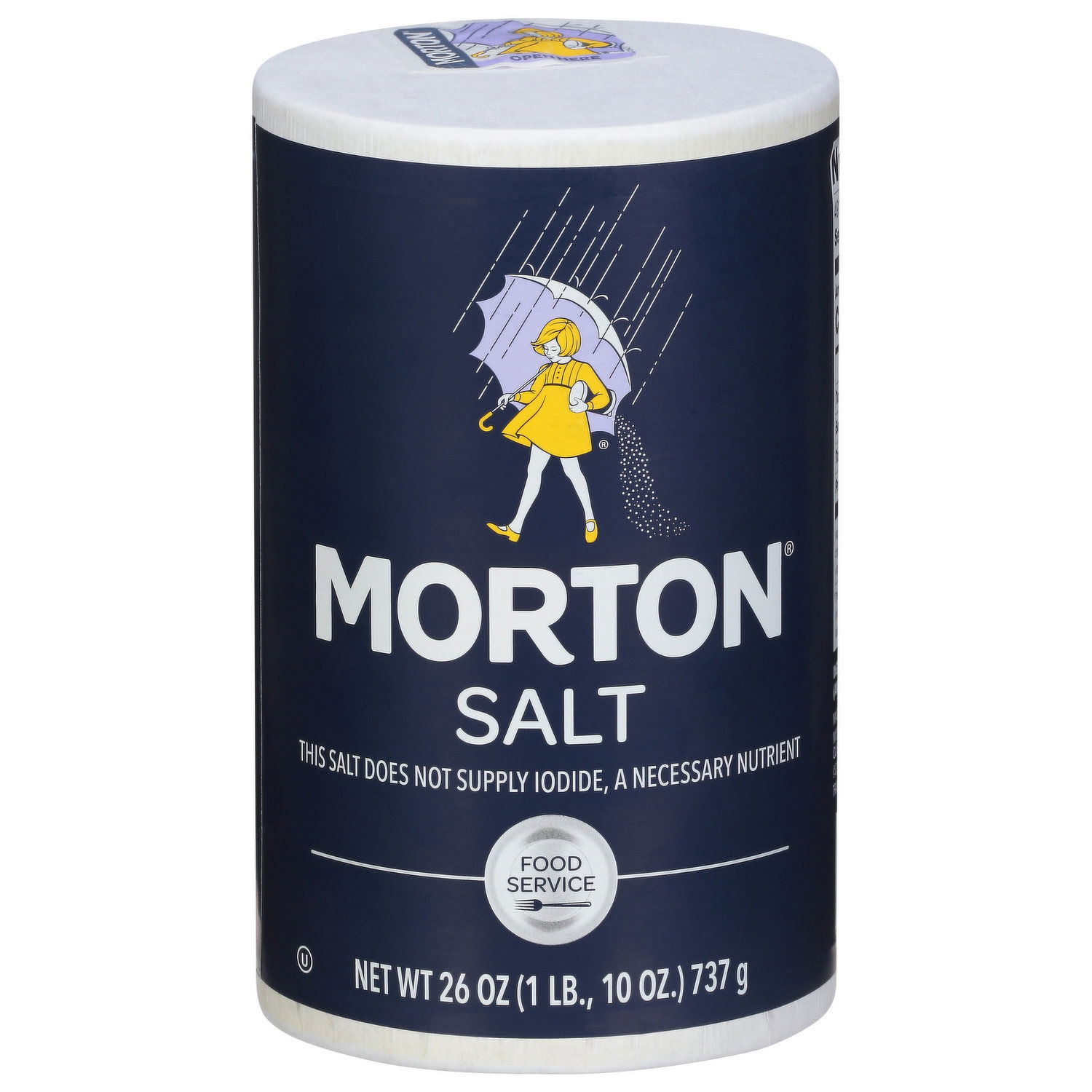
Tangy, crunchy, and alive with probiotic goodness, this homemade sauerkraut is one of those projects that rewards patience in the most satisfying way. It comes together with just cabbage, non-iodized salt, and optional caraway seeds — nothing more, nothing less — making it completely free of any stimulants or additives you might find lurking in store-bought versions. The process is beautifully low-tech: you massage the salt into the cabbage until it releases its own brine, then let time and natural fermentation do all the heavy lifting. By day seven you'll already have something worth tasting, and by week four the flavor deepens into that bold, complex tang that makes sauerkraut so craveable on its own or piled onto a plate. Keeping the cabbage submerged below the brine is really the only rule you need to follow closely, and the recipe walks you through exactly how to do that with nothing fancier than a zip-lock bag of water. Once it hits your preferred level of sourness, it seals up and keeps in the fridge for up to six months — which means one batch goes a very long way.
 About Fig
Fig is a food discovery app that helps you find foods and recipes that fit your dietary needs. Whether you have food allergies, intolerances, or follow a specific diet, Fig makes it easy to eat with confidence.
Learn more →16 servings
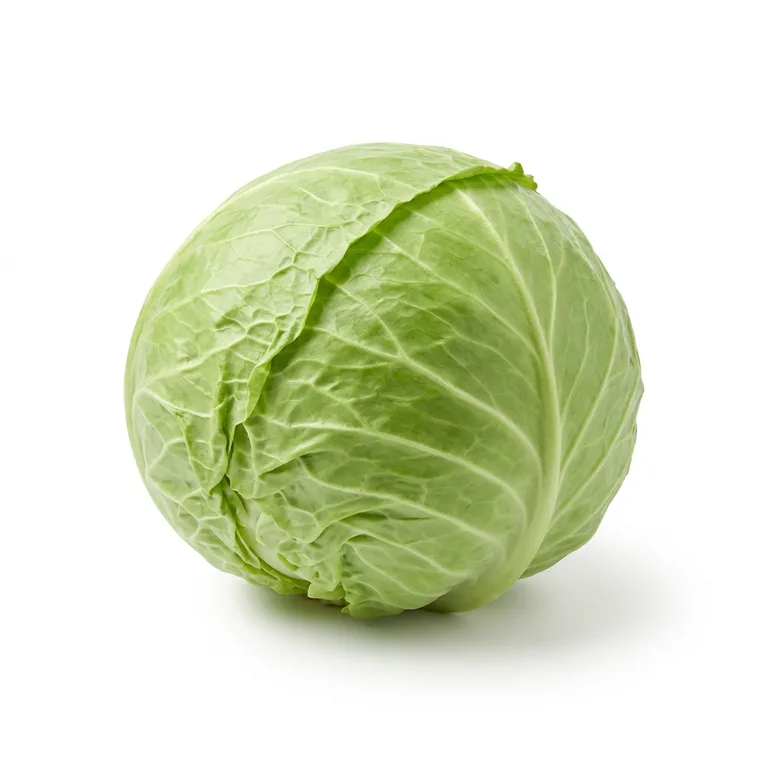
Quarter the cabbage, remove the core, and slice it as thinly as possible — about 1/8-inch shreds. A mandoline or sharp chef's knife both work well. Weigh the shredded cabbage and note the weight; you need 1.5–2% of that weight in non-iodized salt (roughly 1 tbsp plus 1 tsp for 2 lb of cabbage).
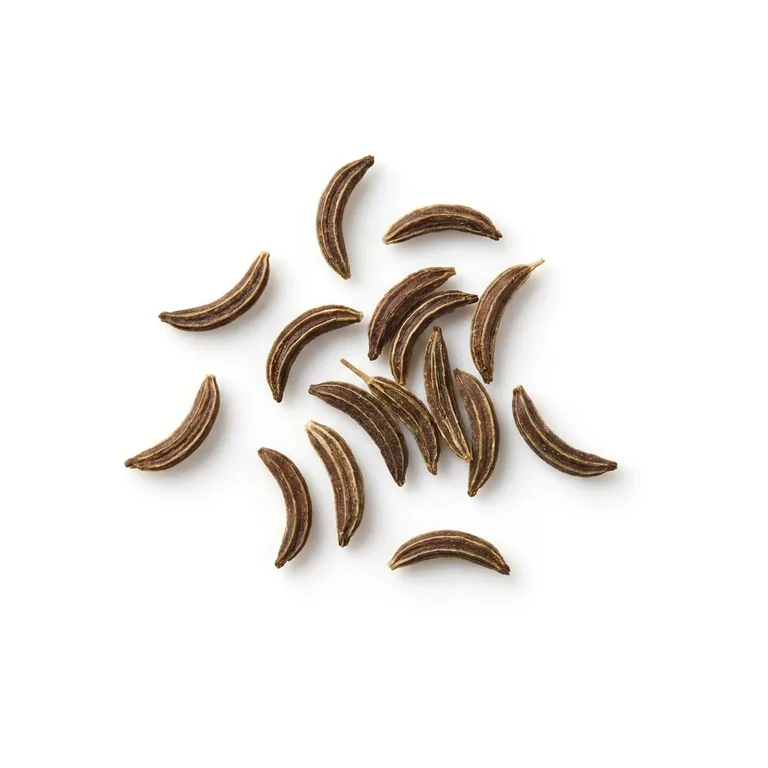
Combine the shredded cabbage and salt in a large mixing bowl. Massage and squeeze the cabbage firmly with both hands for 8–10 minutes, until it has released a significant amount of liquid and feels limp and wet — the brine should pool visibly at the bottom of the bowl. Stir in the caraway seeds, if using.
Create a Fig account for step-by-step instructions, access to our full recipe library, and more!


 (16k)
(16k)