Sauerkraut is one of those ancient, humble foods that somehow delivers enormous flavor from almost nothing — just cabbage, salt, and time. There's no sweetener hiding anywhere in this process, which makes it a genuinely clean option for anyone keeping a close eye on what goes into their food. The fermentation is entirely natural, driven by the beneficial bacteria already living on the cabbage leaves, so the tangy sourness you taste at the end is earned, not added. Massaging the salt into the shredded cabbage draws out its own liquid to create the brine, meaning you're not relying on anything beyond what's already in the bowl. Caraway seeds are optional but worth considering — they add a subtle, earthy warmth that makes the finished kraut feel a little more complex. Patience is really the main ingredient here; a week gets you something mild and pleasantly sour, while four weeks produces a deeply tangy, funky kraut that can hold its own on anything from a bratwurst to a grain bowl. Once it's sealed and in the fridge, it keeps for up to six months, so one batch goes a very long way.
 About Fig
Fig is a food discovery app that helps you find foods and recipes that fit your dietary needs. Whether you have food allergies, intolerances, or follow a specific diet, Fig makes it easy to eat with confidence.
Learn more →16 servings
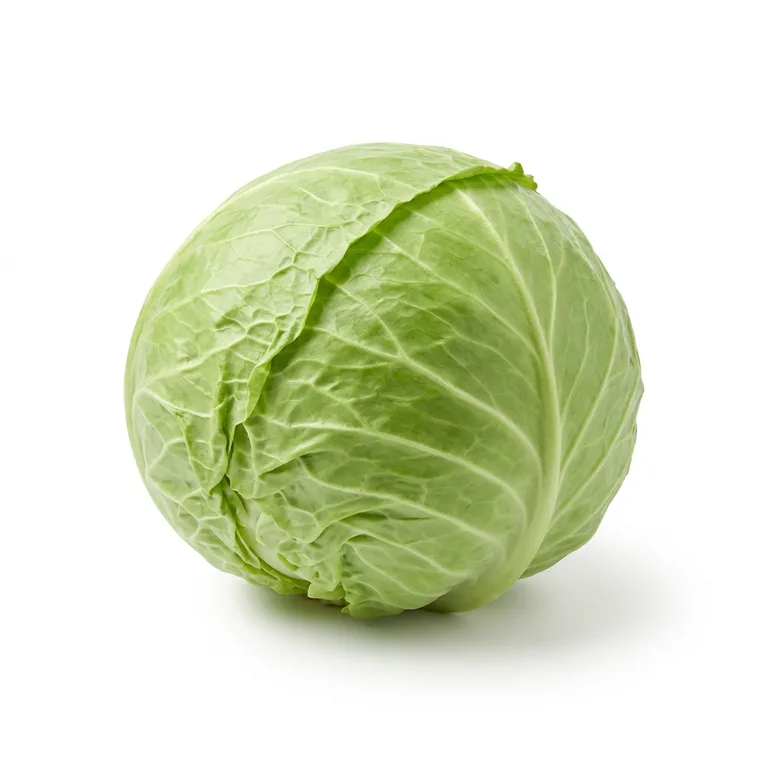
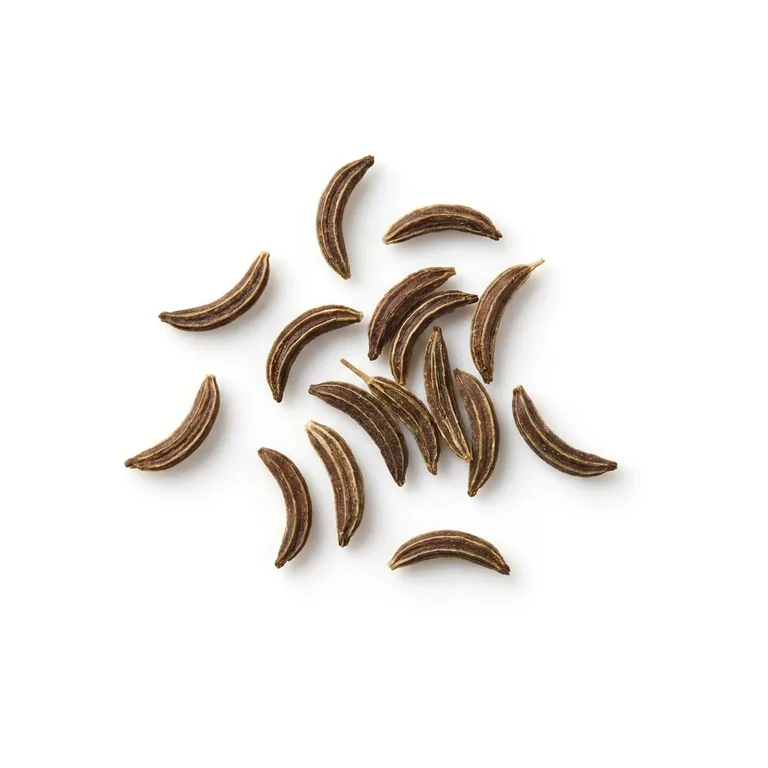
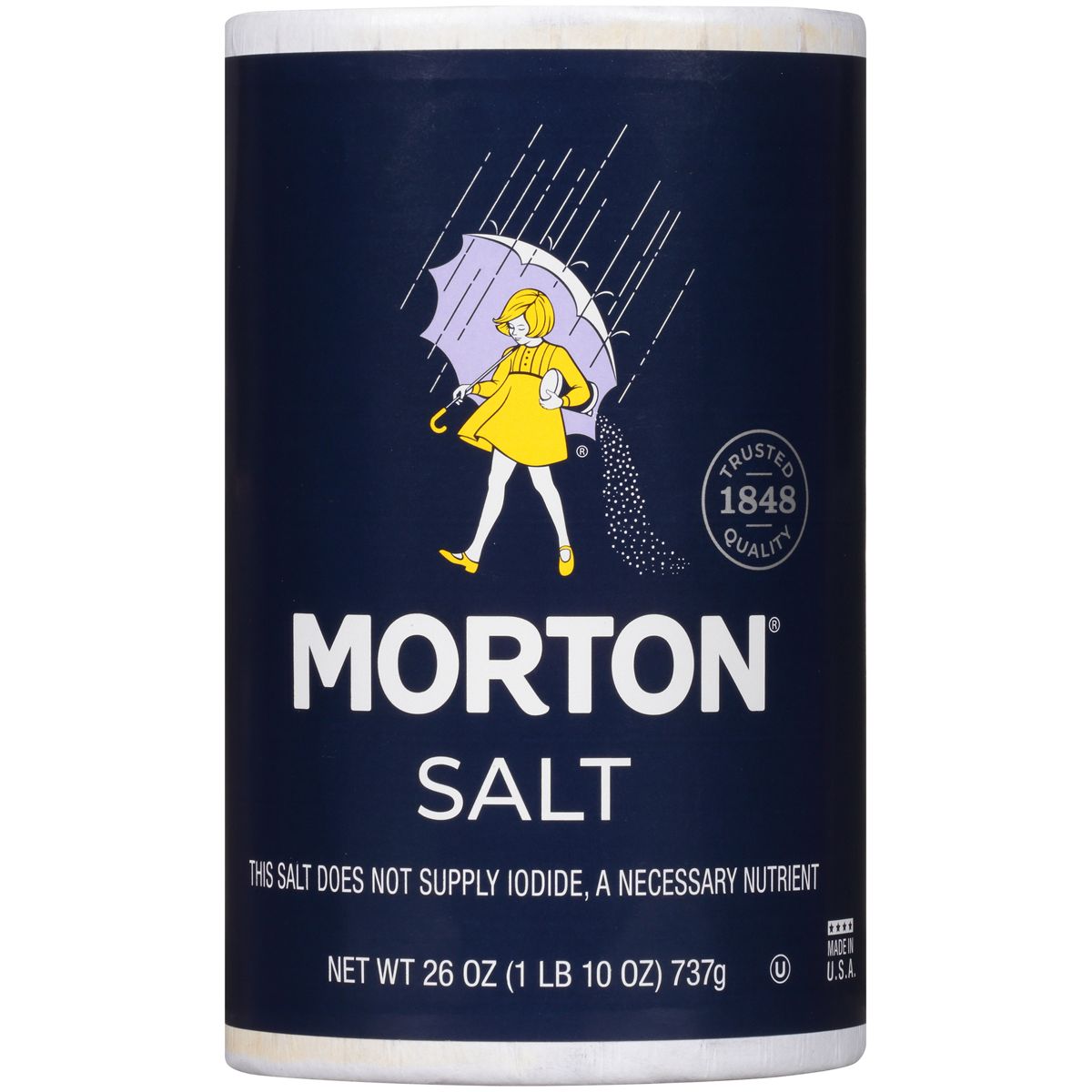
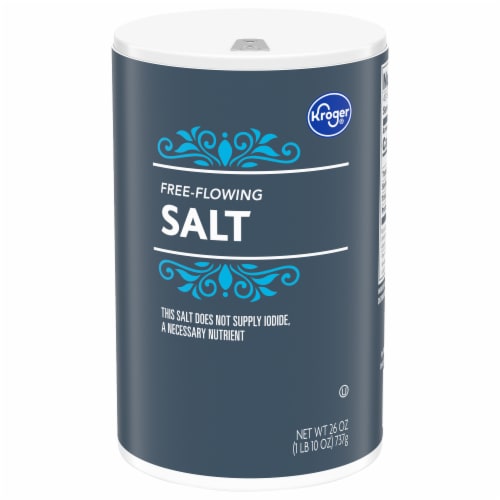
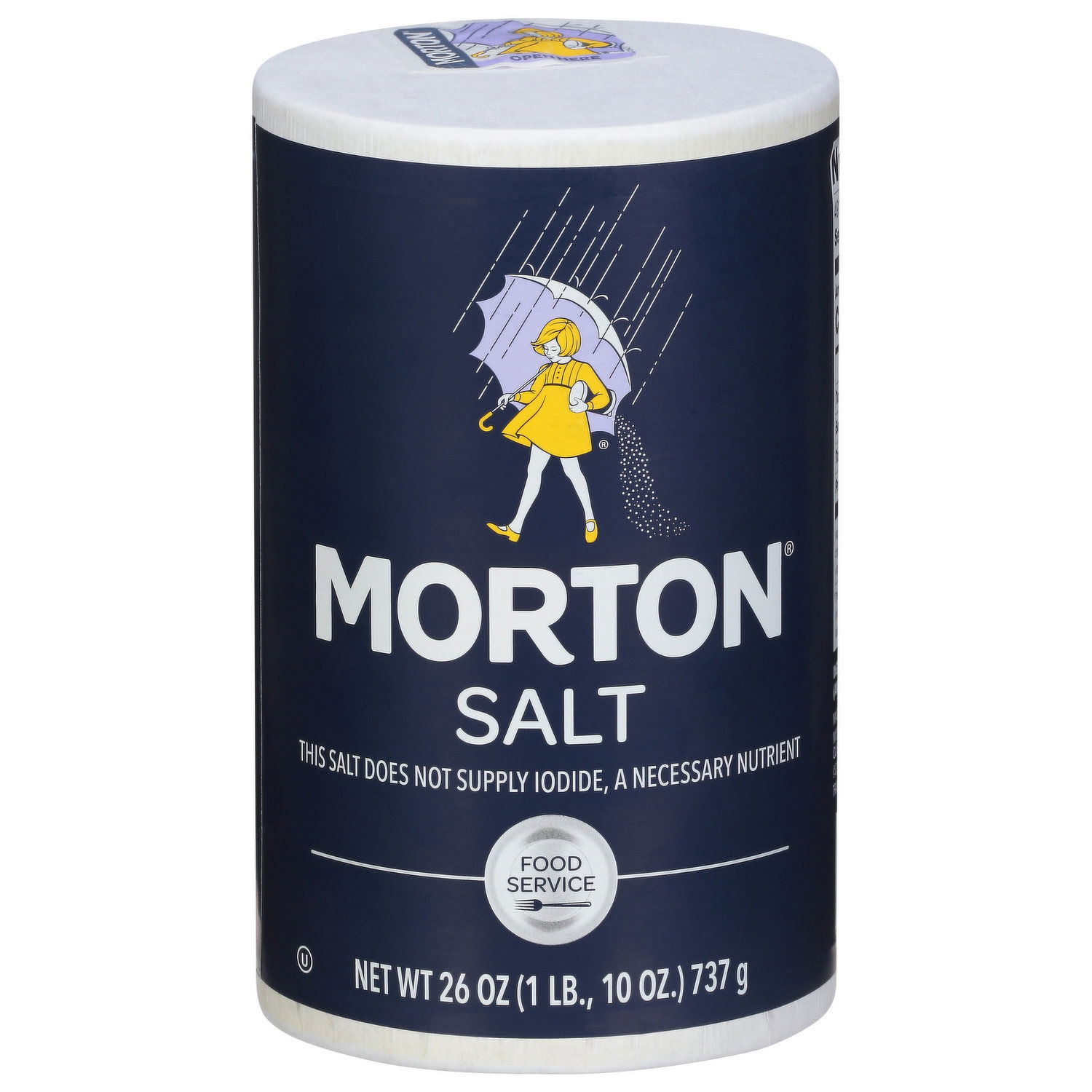
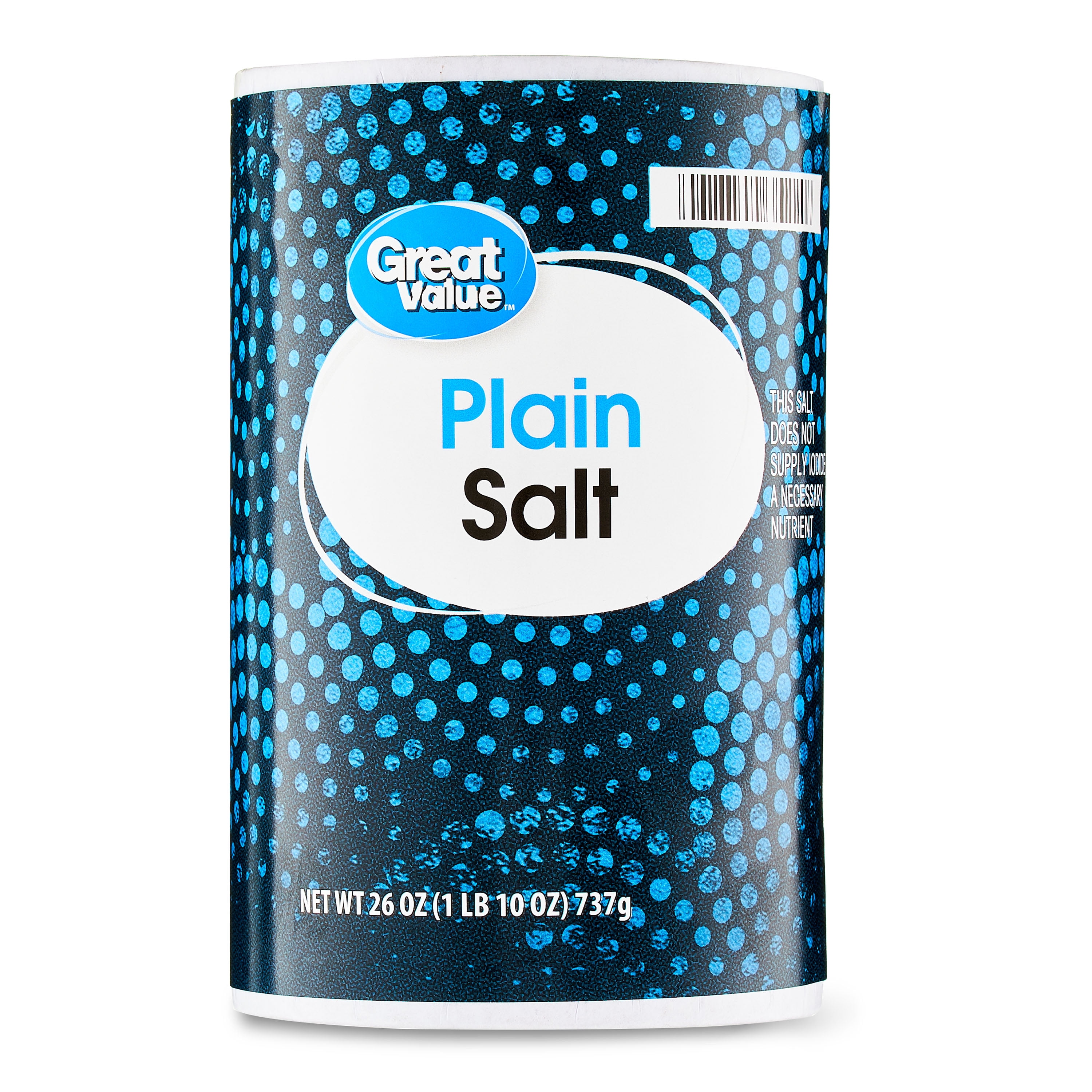
Quarter the cabbage, remove the core, and slice it as thinly as possible — about 1/8-inch shreds. A mandoline or sharp chef's knife both work well. Weigh the shredded cabbage and note the weight; you need 1.5–2% of that weight in non-iodized salt (roughly 1 tbsp plus 1 tsp for 2 lb of cabbage).
Combine the shredded cabbage and salt in a large mixing bowl. Massage and squeeze the cabbage firmly with both hands for 8–10 minutes, until it has released a significant amount of liquid and feels limp and wet — the brine should pool visibly at the bottom of the bowl. Stir in the caraway seeds, if using.
Create a Fig account for step-by-step instructions, access to our full recipe library, and more!


 (16k)
(16k)