
Injera is one of those ancient, living breads that feels almost magical to make — just teff flour, water, a whisper of yeast, and time. The 48-hour fermentation is where the real work happens, as the batter slowly develops that signature tangy depth and the tiny bubbles that will eventually become the spongy, porous surface injera is famous for. Because the ingredient list is so beautifully minimal, this is naturally free of any animal products without any substitutions or workarounds needed. Teff is a powerhouse grain with a rich, slightly earthy flavor that gives the finished flatbread a complexity you just don't get from wheat. The cooking technique is satisfying once you get the hang of it — a quick swirl of the pan, a covered steam finish, and those characteristic "eyes" appear right before your eyes. Serve it as both the plate and the utensil, piling on stews, lentils, or roasted vegetables and tearing off pieces to scoop everything up. It's communal, it's deeply flavorful, and it's the kind of recipe that makes you feel genuinely connected to a culinary tradition that spans centuries.
 About Fig
Fig is a food discovery app that helps you find foods and recipes that fit your dietary needs. Whether you have food allergies, intolerances, or follow a specific diet, Fig makes it easy to eat with confidence.
Learn more →6 servings
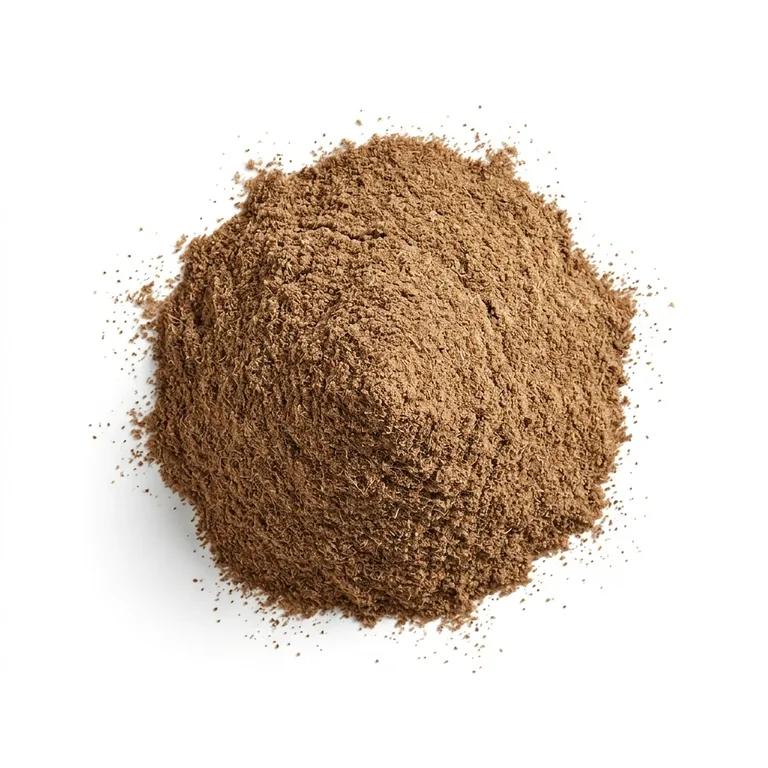

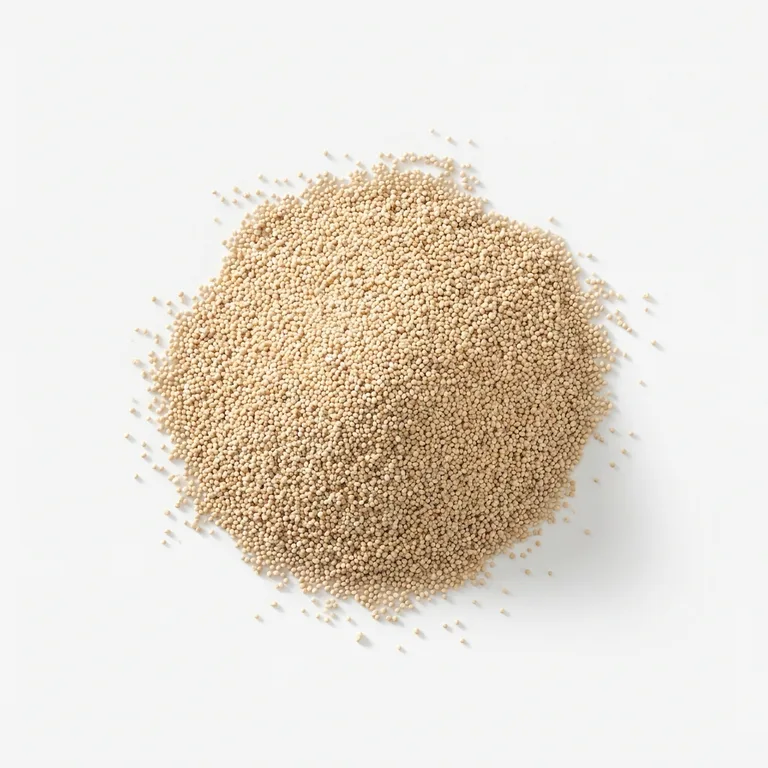
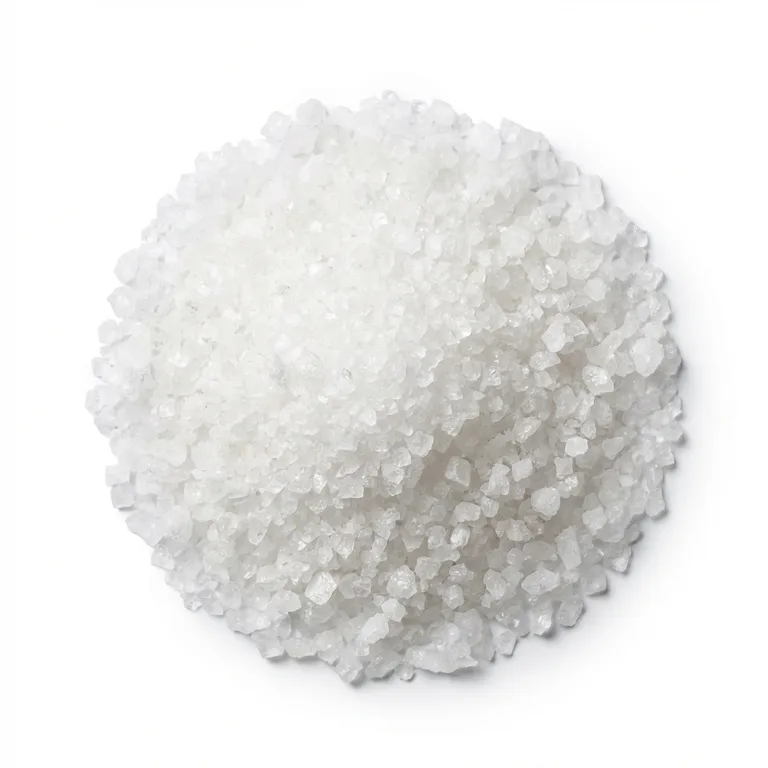
Whisk together the teff flour, 2 cups of the water, and the yeast in a large mixing bowl until smooth and no dry flour remains. The batter will be thick at this stage, similar to a dense pancake batter.
Cover the bowl loosely with a clean kitchen towel or plastic wrap and leave at room temperature for 48 hours, until the batter smells pleasantly sour and small bubbles are visible on the surface. Stir once or twice a day.
Create a Fig account for step-by-step instructions, access to our full recipe library, and more!


 (16k)
(16k)