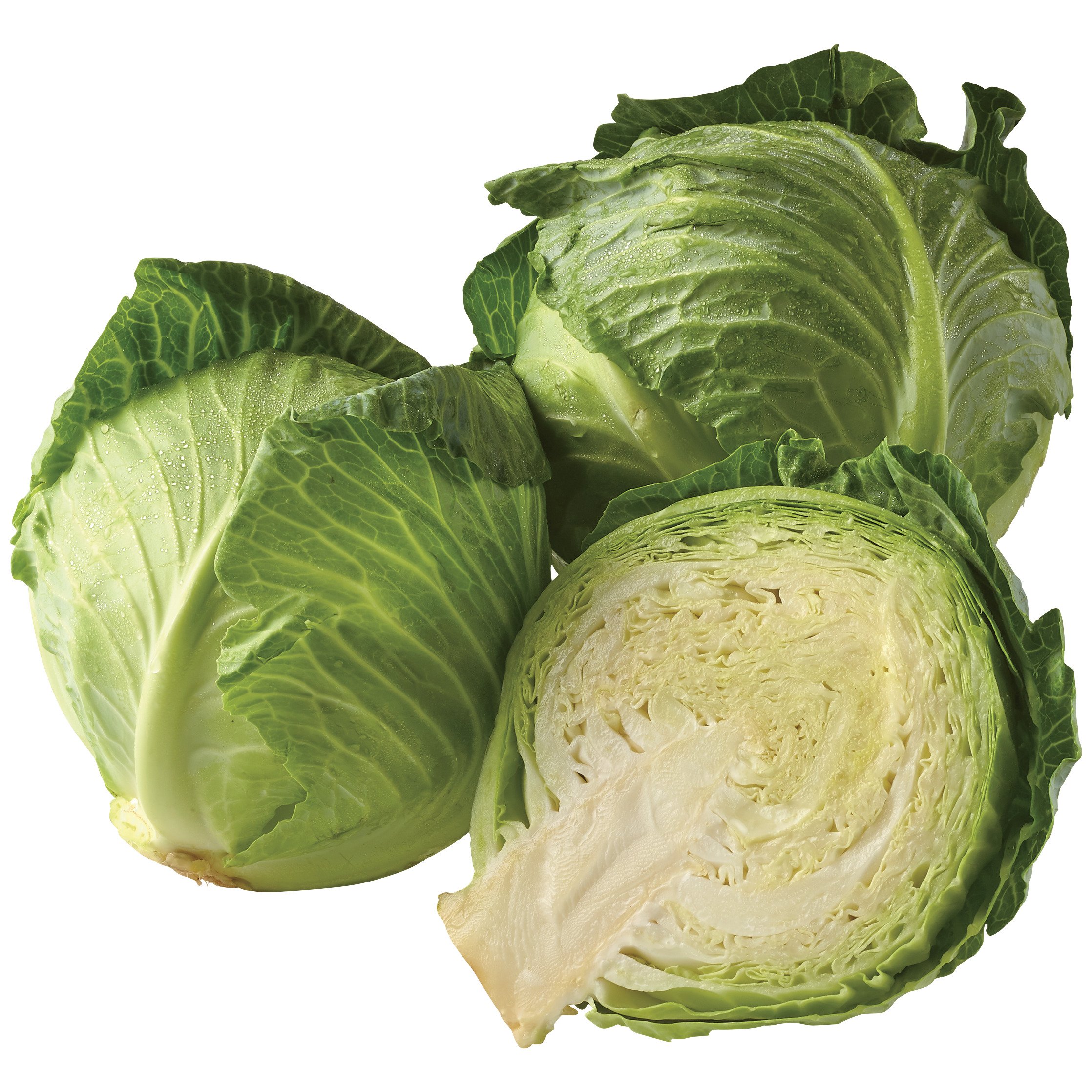
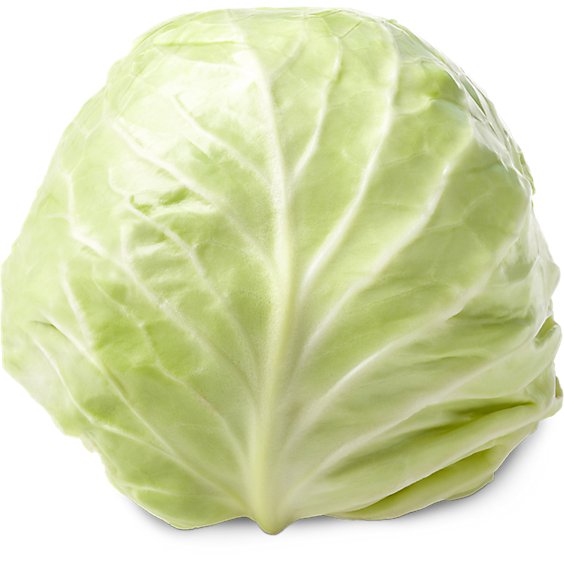
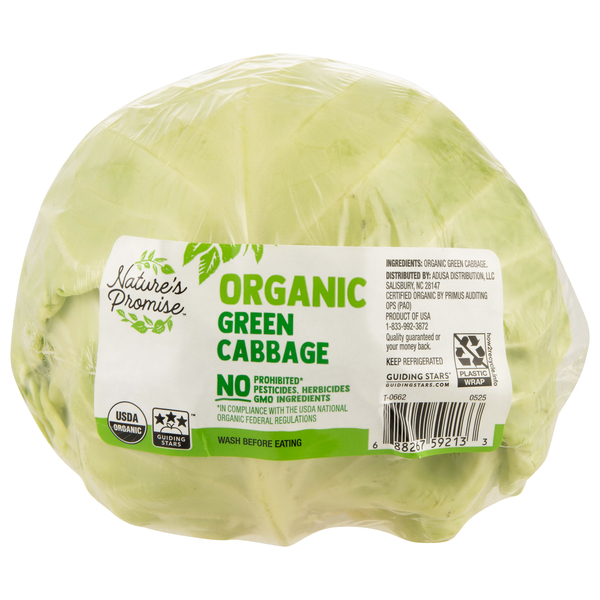
Tangy, crunchy, and alive with probiotic goodness, homemade sauerkraut is one of those kitchen projects that feels almost magical for how little it actually asks of you. Just two ingredients — fresh green cabbage and non-iodized sea salt — come together through the ancient art of lacto-fermentation to create something far more complex than the sum of its parts. Because there's no vinegar, no additives, and absolutely no grain-based ingredients anywhere in the process, this is a naturally safe choice for anyone avoiding wheat without any label-reading stress. The real work is in the massage: squeezing the cabbage until it releases its own brine is oddly satisfying, and that liquid becomes the fermentation environment that does all the heavy lifting over the next week or two. You pack it into a jar, weigh it down, and let time and beneficial bacteria do the rest. The result is a deeply savory, pleasantly sour condiment that belongs on everything from grain-free grain bowls to braised meats to a simple fried egg. Once you taste a batch you made yourself, the store-bought stuff is going to feel like a very distant second.
 About Fig
Fig is a food discovery app that helps you find foods and recipes that fit your dietary needs. Whether you have food allergies, intolerances, or follow a specific diet, Fig makes it easy to eat with confidence.
Learn more →16 servings
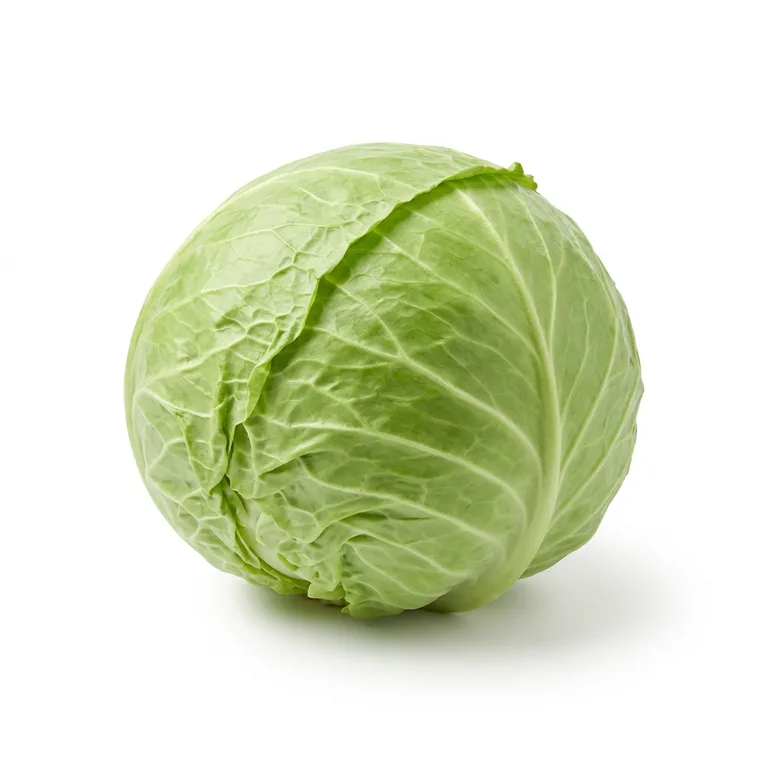
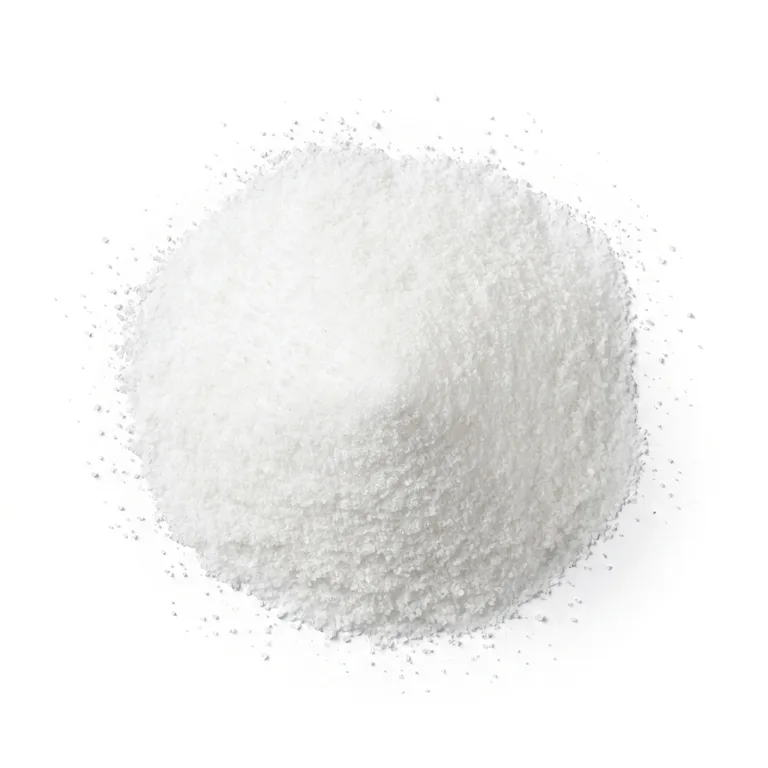
Peel off and set aside 1–2 large outer cabbage leaves. Quarter the cabbage, cut out the core, and slice the remaining cabbage into thin shreds about 1/8-inch thick.
Place the shredded cabbage in a large mixing bowl and sprinkle the sea salt evenly over it. Massage and squeeze the cabbage firmly with clean hands for 8–10 minutes, until it has released a significant amount of liquid and feels limp and wet — the brine should pool visibly at the bottom of the bowl.
Create a Fig account for step-by-step instructions, access to our full recipe library, and more!


 (16k)
(16k)