
Red Meat Allergy Friendly Homemade Sauerkraut

Tangy, crunchy, and alive with probiotic goodness, homemade sauerkraut is one of those kitchen projects that feels almost magical once you see the brine start to bubble. The entire ingredient list is just cabbage and non-iodized sea salt — nothing hidden, nothing processed, and absolutely no animal proteins to worry about. That simplicity is exactly what makes it such a reliable choice when you need to avoid red meat and the sneaky additives that sometimes show up in store-bought fermented foods. The process is mostly hands-off: a good massage session with the salt, a tight pack into a jar, and then patience while the natural fermentation does its thing over the course of one to two weeks. Pressing the cabbage down daily for the first few days keeps everything safely submerged under the brine, which is the key to a clean, successful ferment. The result is a deeply savory, pleasantly sour condiment that's incredible piled onto sausage-free grain bowls, tucked into wraps, or eaten straight from the jar. Once you taste a batch you made yourself, the store-bought version is going to feel like a serious downgrade.
 About Fig
Fig is a food discovery app that helps you find foods and recipes that fit your dietary needs. Whether you have food allergies, intolerances, or follow a specific diet, Fig makes it easy to eat with confidence.
Learn more →Ingredients
16 servings
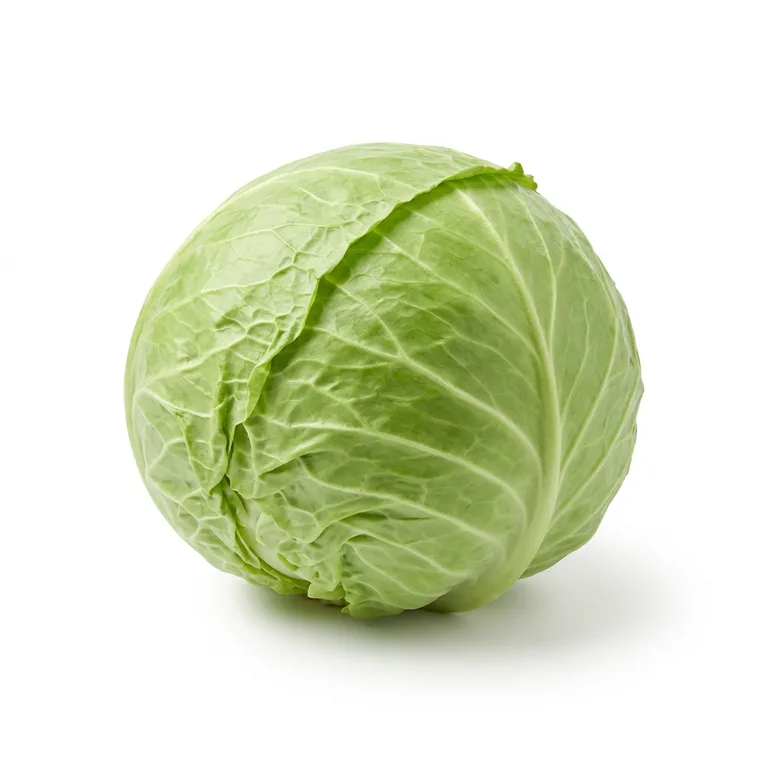
- 1 small head green cabbage (about 2 lb), outer leaves reserved
- 1 tbsp fine sea salt (non-iodized)
Instructions
- 1
Peel off and set aside 1–2 large outer cabbage leaves. Quarter the cabbage, cut out the core, and slice the remaining cabbage into thin shreds about 1/8-inch thick.
- 2
Place the shredded cabbage in a large mixing bowl and sprinkle the sea salt evenly over it. Massage and squeeze the cabbage firmly with clean hands for 8–10 minutes, until it has released a significant amount of liquid and feels limp and wet — the brine should pool visibly at the bottom of the bowl.
Want the full recipe?
Create a Fig account for step-by-step instructions, access to our full recipe library, and more!