
Tangy, crunchy, and alive with probiotic goodness, homemade sauerkraut is one of those deeply satisfying ferments that rewards patience with serious flavor. For anyone avoiding nightshades, it's a condiment that delivers bold, complex taste without a trace of tomato, pepper, or any of the usual suspects hiding in store-bought versions. The entire recipe comes down to just two ingredients — green cabbage and non-iodized sea salt — which means there's nothing to second-guess and no label-reading required. The magic happens through lacto-fermentation: massaging the salt into the cabbage draws out its natural juices, creating a brine that slowly transforms the shreds into something wonderfully sour and tangy over the course of one to two weeks. Pressing the cabbage down daily for the first few days keeps everything submerged and the fermentation on track, and you can start tasting at day seven to dial in exactly the level of sourness you love. Once it hits your fridge, it keeps beautifully and works as a side, a topping, or a bright, acidic counterpoint to rich mains. It's the kind of simple, two-ingredient project that makes you wonder why you ever bought the jarred stuff.
 About Fig
Fig is a food discovery app that helps you find foods and recipes that fit your dietary needs. Whether you have food allergies, intolerances, or follow a specific diet, Fig makes it easy to eat with confidence.
Learn more →16 servings
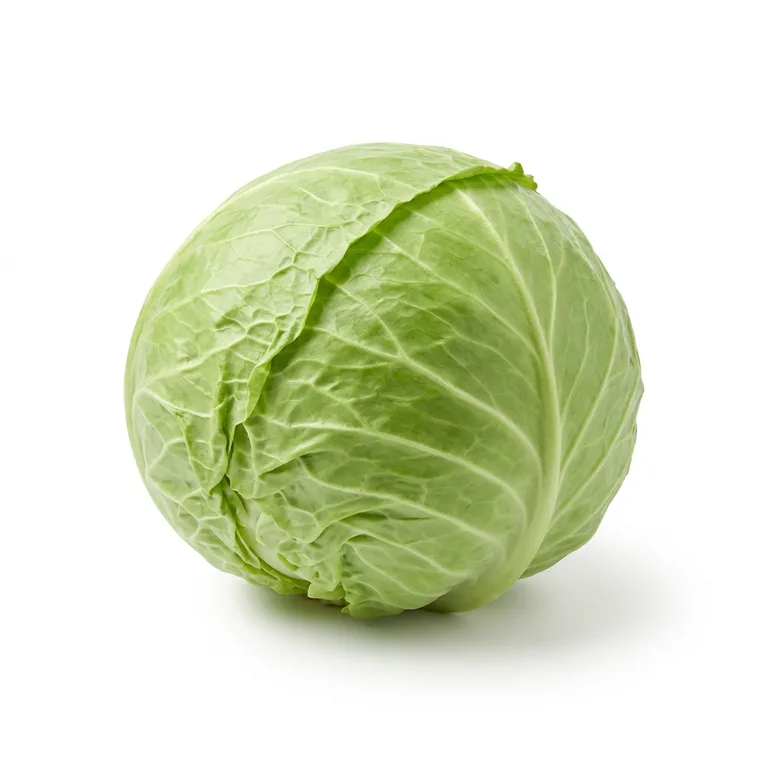
Peel off and set aside 1–2 large outer cabbage leaves. Quarter the cabbage, cut out the core, and slice the remaining cabbage into thin shreds about 1/8-inch thick.
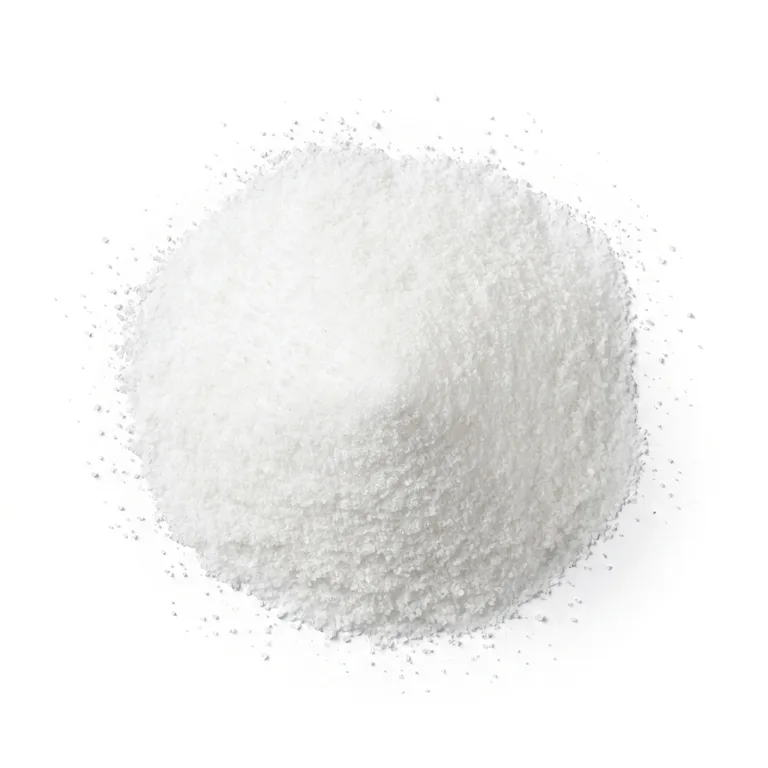
Place the shredded cabbage in a large mixing bowl and sprinkle the sea salt evenly over it. Massage and squeeze the cabbage firmly with clean hands for 8–10 minutes, until it has released a significant amount of liquid and feels limp and wet — the brine should pool visibly at the bottom of the bowl.
Create a Fig account for step-by-step instructions, access to our full recipe library, and more!


 (16k)
(16k)