
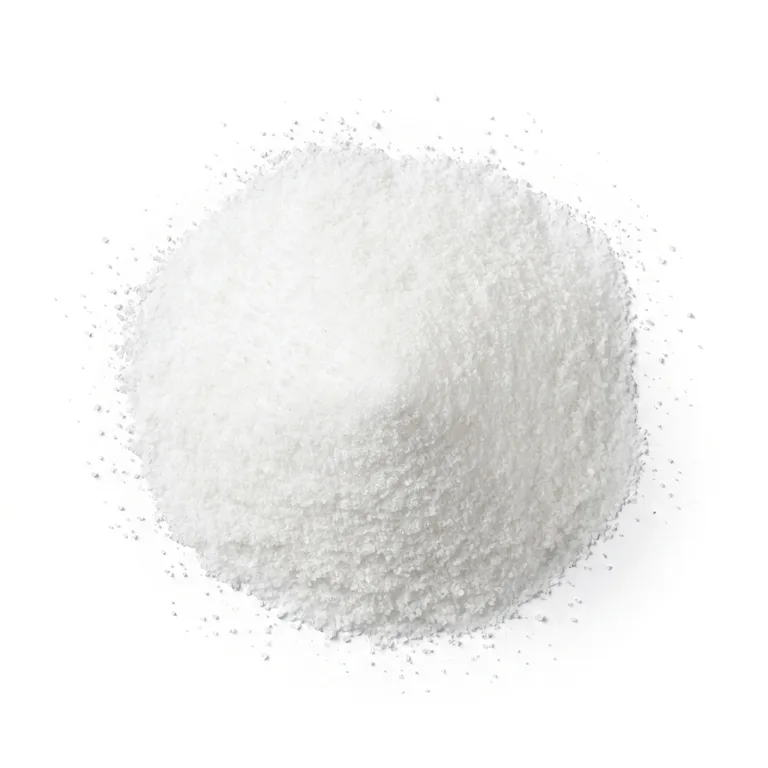
Tangy, crunchy, and alive with flavor, homemade sauerkraut is one of those fermented staples that tastes infinitely better when you make it yourself. The entire process relies on just two ingredients — green cabbage and non-iodized sea salt — so there's zero concern about hidden nuts or cross-contamination from complex ingredient lists. Massaging the salt into the cabbage draws out its natural juices, creating a brine that does all the preservation work without any vinegar or additives. Packing the shreds tightly into a jar and keeping them submerged is really the key technique here, and the recipe walks you through exactly how to do it with a simple water-bag weight. Fermentation happens quietly at room temperature over one to two weeks, and you can start tasting at day seven to dial in exactly how sour you like it. The result is a probiotic-rich condiment that's sharp, satisfying, and endlessly versatile — piled onto sausages, stirred into grain bowls, or eaten straight from the jar.
 About Fig
Fig is a food discovery app that helps you find foods and recipes that fit your dietary needs. Whether you have food allergies, intolerances, or follow a specific diet, Fig makes it easy to eat with confidence.
Learn more →16 servings
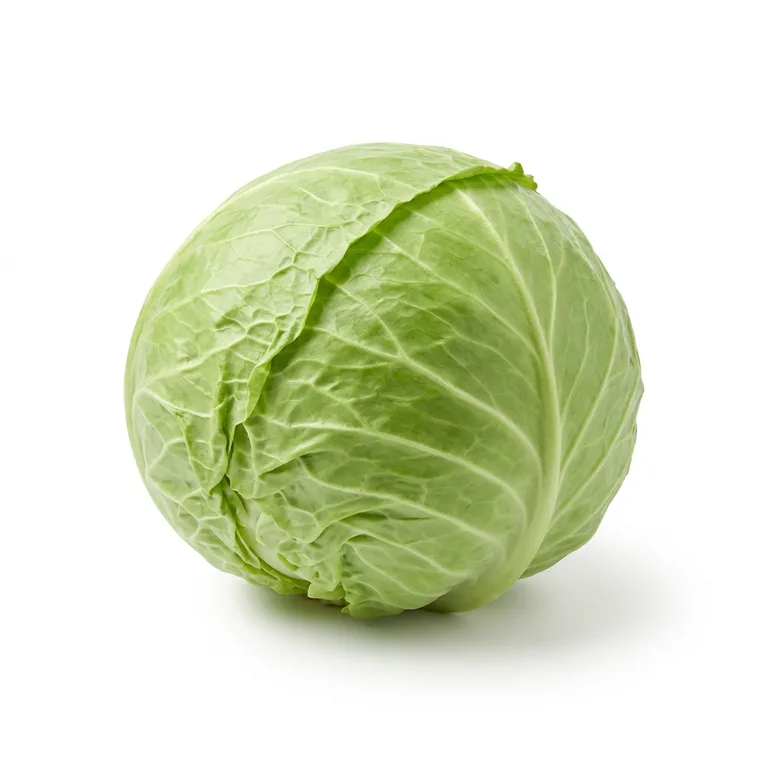
Peel off and set aside 1–2 large outer cabbage leaves. Quarter the cabbage, cut out the core, and slice the remaining cabbage into thin shreds about 1/8-inch thick.
Place the shredded cabbage in a large mixing bowl and sprinkle the sea salt evenly over it. Massage and squeeze the cabbage firmly with clean hands for 8–10 minutes, until it has released a significant amount of liquid and feels limp and wet — the brine should pool visibly at the bottom of the bowl.
Create a Fig account for step-by-step instructions, access to our full recipe library, and more!


 (16k)
(16k)