
Latex Free Homemade Sauerkraut

Tangy, crunchy, and alive with flavor, homemade sauerkraut is one of those fermented staples that tastes infinitely better when you make it yourself. The entire process relies on just two ingredients — fresh green cabbage and non-iodized sea salt — so there's nothing hidden, nothing processed, and no reason to second-guess the label. For anyone navigating latex sensitivities, that simplicity matters, since many store-bought fermented products can contain additives or natural rubber-derived processing aids that are harder to track down. Here, you're in complete control from start to finish. Massaging the salt into the cabbage draws out its natural juices, creating the brine that does all the fermentation work on its own — no vinegar, no starter culture, no shortcuts needed. The waiting period is the hardest part, but tasting it daily as it develops that signature sour tang is genuinely satisfying. Once it hits your fridge, it keeps beautifully and works on everything from grain bowls to grilled sausages to a simple fork-straight-from-the-jar snack.
 About Fig
Fig is a food discovery app that helps you find foods and recipes that fit your dietary needs. Whether you have food allergies, intolerances, or follow a specific diet, Fig makes it easy to eat with confidence.
Learn more →Ingredients
16 servings
- 1 small head green cabbage (about 2 lb), outer leaves reserved
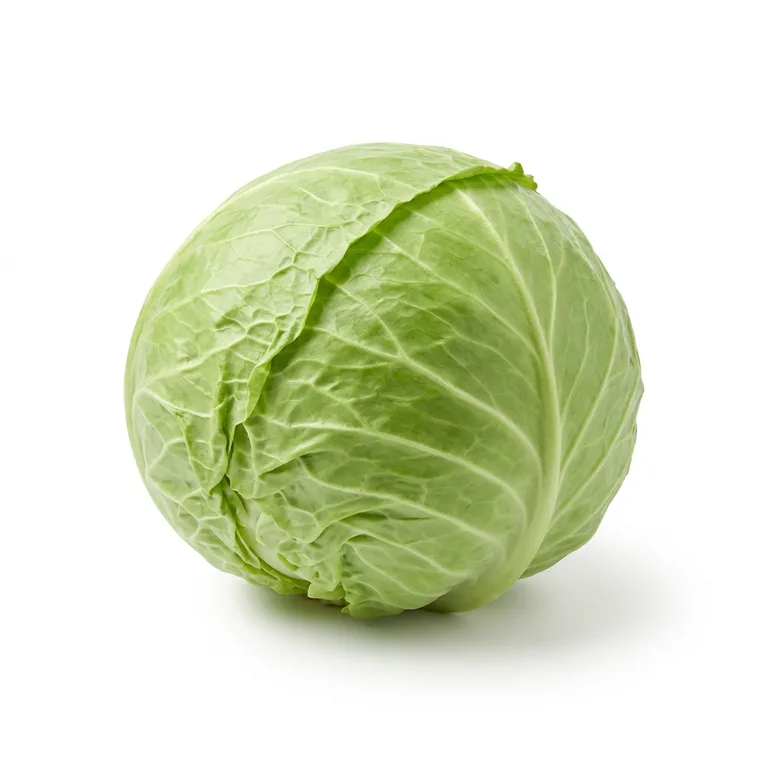
- 1 tbsp fine sea salt (non-iodized)
Instructions
- 1
Peel off and set aside 1–2 large outer cabbage leaves. Quarter the cabbage, cut out the core, and slice the remaining cabbage into thin shreds about 1/8-inch thick.
- 2
Place the shredded cabbage in a large mixing bowl and sprinkle the sea salt evenly over it. Massage and squeeze the cabbage firmly with clean hands for 8–10 minutes, until it has released a significant amount of liquid and feels limp and wet — the brine should pool visibly at the bottom of the bowl.
Want the full recipe?
Create a Fig account for step-by-step instructions, access to our full recipe library, and more!