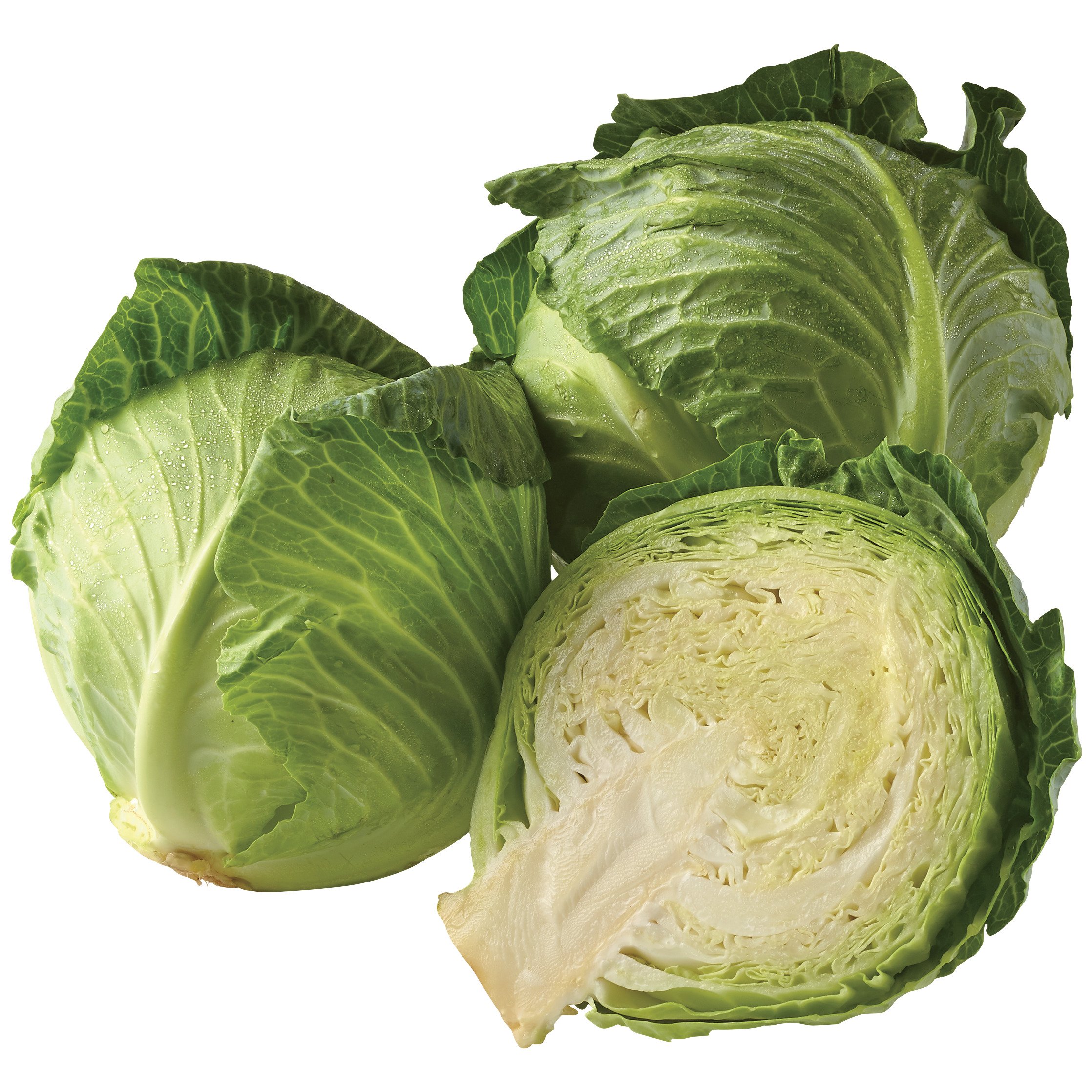
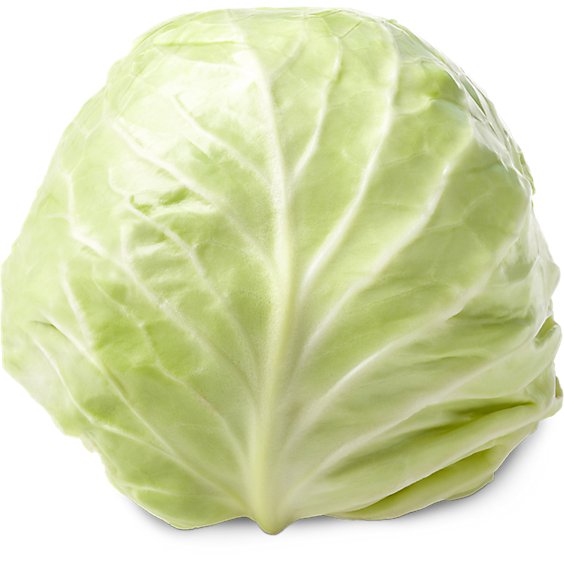
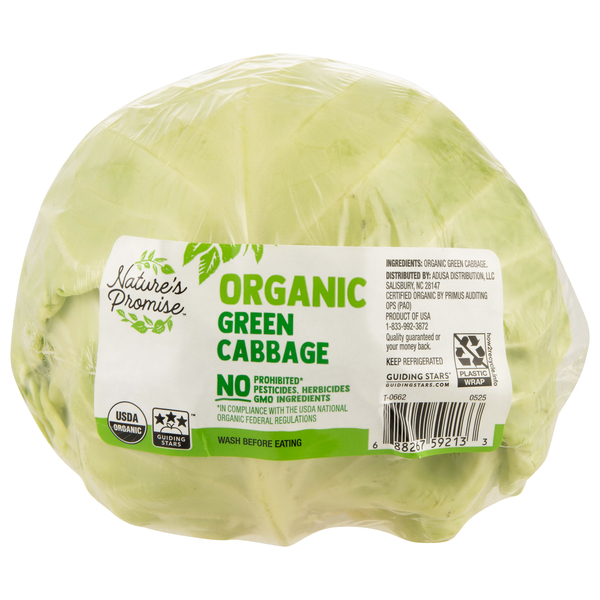
Two humble ingredients — cabbage and salt — are genuinely all it takes to make one of the most gut-nourishing fermented foods on the planet. The process is almost meditative: you massage the shredded cabbage until it weeps its own brine, pack it into a jar, and then simply let time and natural fermentation do the rest. That slow, room-temperature ferment is exactly what develops the live cultures that make traditionally fermented sauerkraut so valuable for digestive health, and you won't find that in most store-bought versions, which are typically pasteurized and stripped of beneficial bacteria. Using non-iodized sea salt matters here — iodine can interfere with fermentation — so this recipe keeps it clean and intentional from the start. By day seven you can start tasting, and somewhere between tangy and deeply sour you'll find your personal sweet spot. Once it hits the fridge, it keeps beautifully and works as a topping, a side, or eaten straight from the jar with a fork when no one's looking.
 About Fig
Fig is a food discovery app that helps you find foods and recipes that fit your dietary needs. Whether you have food allergies, intolerances, or follow a specific diet, Fig makes it easy to eat with confidence.
Learn more →16 servings
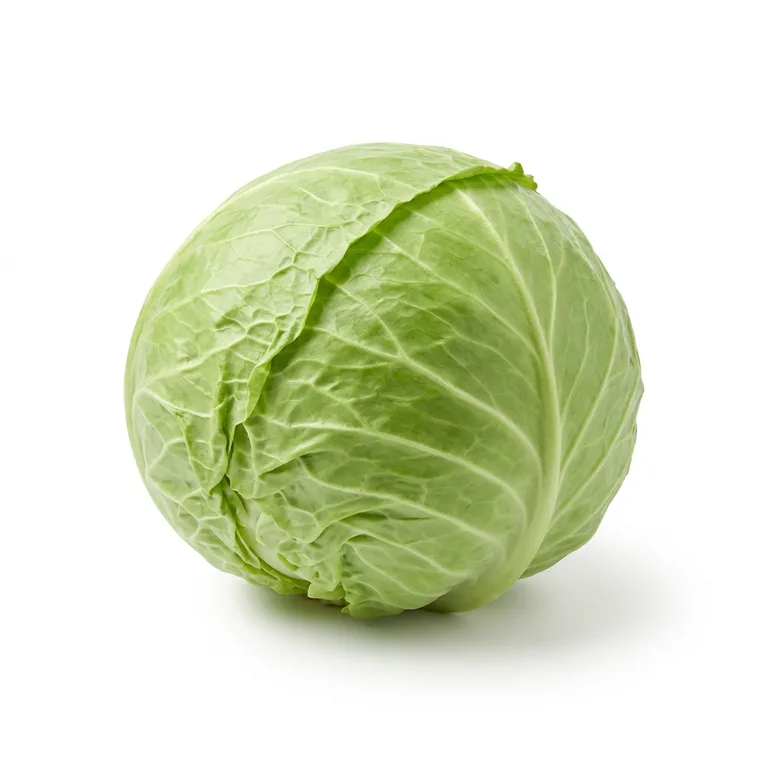
Peel off and set aside 1–2 large outer cabbage leaves. Quarter the cabbage, cut out the core, and slice the remaining cabbage into thin shreds about 1/8-inch thick.
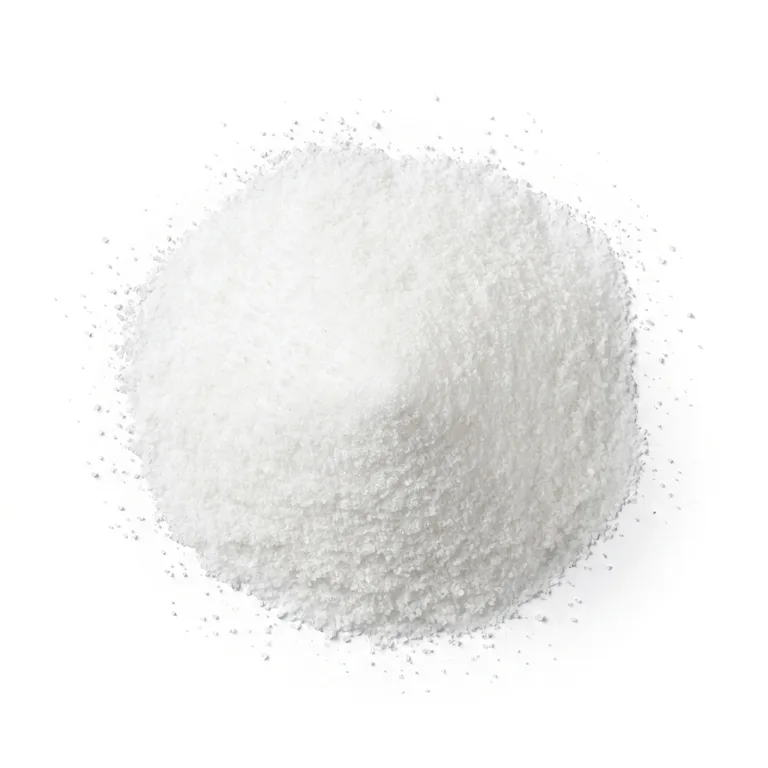
Place the shredded cabbage in a large mixing bowl and sprinkle the sea salt evenly over it. Massage and squeeze the cabbage firmly with clean hands for 8–10 minutes, until it has released a significant amount of liquid and feels limp and wet — the brine should pool visibly at the bottom of the bowl.
Create a Fig account for step-by-step instructions, access to our full recipe library, and more!


 (16k)
(16k)