
Corn Free Homemade Sauerkraut

Tangy, crunchy, and alive with probiotic goodness, homemade sauerkraut is one of those kitchen projects that feels almost magical for how little it asks of you. Just two ingredients — cabbage and non-iodized sea salt — and a little patience are all it takes to transform a humble head of green cabbage into something genuinely complex and delicious. For anyone navigating a corn-free lifestyle, store-bought fermented foods can be a minefield of hidden additives, citric acid, and preservatives that often trace back to corn derivatives, so making your own is a genuinely smart move. The process here is pure lacto-fermentation: salt draws moisture out of the cabbage to create a natural brine, and that brine does all the preserving work without any vinegar, starters, or packaged cultures. Massaging the cabbage by hand, packing it tight, and keeping it submerged are the only real techniques involved, and the recipe walks you through each step clearly. You can start tasting at day seven and pull it from the counter the moment it hits that perfect sour-tangy note you love. Once it's in the fridge, it keeps beautifully and works on everything from grain bowls to grilled sausages to a simple fork-straight-from-the-jar snack.
 About Fig
Fig is a food discovery app that helps you find foods and recipes that fit your dietary needs. Whether you have food allergies, intolerances, or follow a specific diet, Fig makes it easy to eat with confidence.
Learn more →Ingredients
16 servings
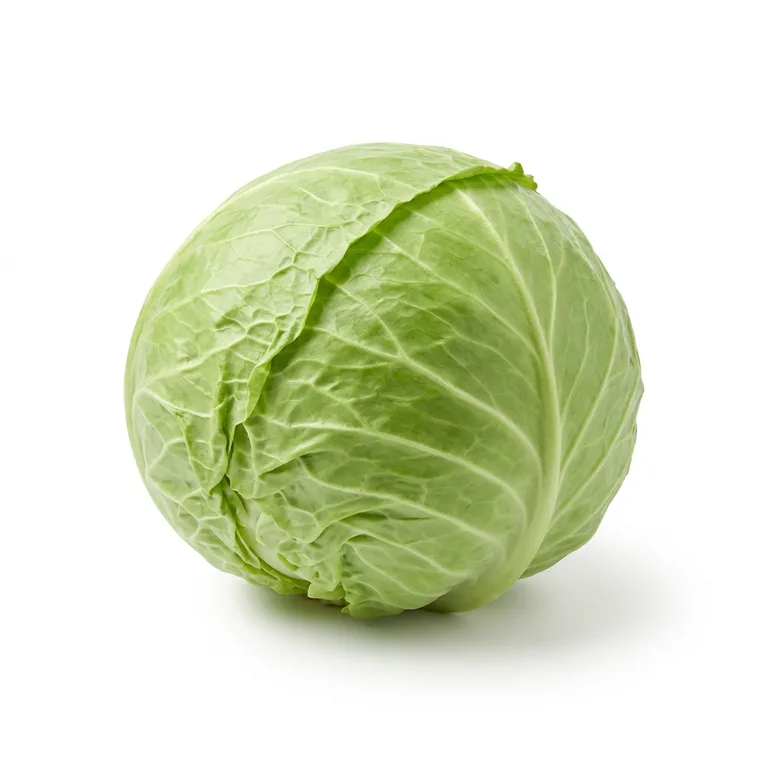
- 1 small head green cabbage (about 2 lb), outer leaves reserved
- 1 tbsp fine sea salt (non-iodized)
Instructions
- 1
Peel off and set aside 1–2 large outer cabbage leaves. Quarter the cabbage, cut out the core, and slice the remaining cabbage into thin shreds about 1/8-inch thick.
- 2
Place the shredded cabbage in a large mixing bowl and sprinkle the sea salt evenly over it. Massage and squeeze the cabbage firmly with clean hands for 8–10 minutes, until it has released a significant amount of liquid and feels limp and wet — the brine should pool visibly at the bottom of the bowl.
Want the full recipe?
Create a Fig account for step-by-step instructions, access to our full recipe library, and more!