
Carrageenan Free Homemade Sauerkraut

Sauerkraut is one of those ancient, humble foods that somehow manages to feel both trendy and timeless — tangy, crunchy, and deeply satisfying on everything from grain bowls to grilled sausages. The problem with store-bought versions is that many commercial brands sneak in additives and thickeners, including carrageenan, to stabilize texture or extend shelf life, which makes label-reading a frustrating chore. Making it yourself sidesteps all of that completely, because this recipe uses exactly two ingredients: green cabbage and non-iodized sea salt. The magic happens through natural lacto-fermentation — salt draws moisture out of the cabbage, creating its own brine, and beneficial bacteria do the rest over the course of one to two weeks. You press it down daily, taste it as it develops, and pull it from the counter the moment it hits that perfect sour note for your palate. The result is a clean, live-culture kraut with nothing hidden in it, just real fermented cabbage the way it has always been made.
 About Fig
Fig is a food discovery app that helps you find foods and recipes that fit your dietary needs. Whether you have food allergies, intolerances, or follow a specific diet, Fig makes it easy to eat with confidence.
Learn more →Ingredients
16 servings
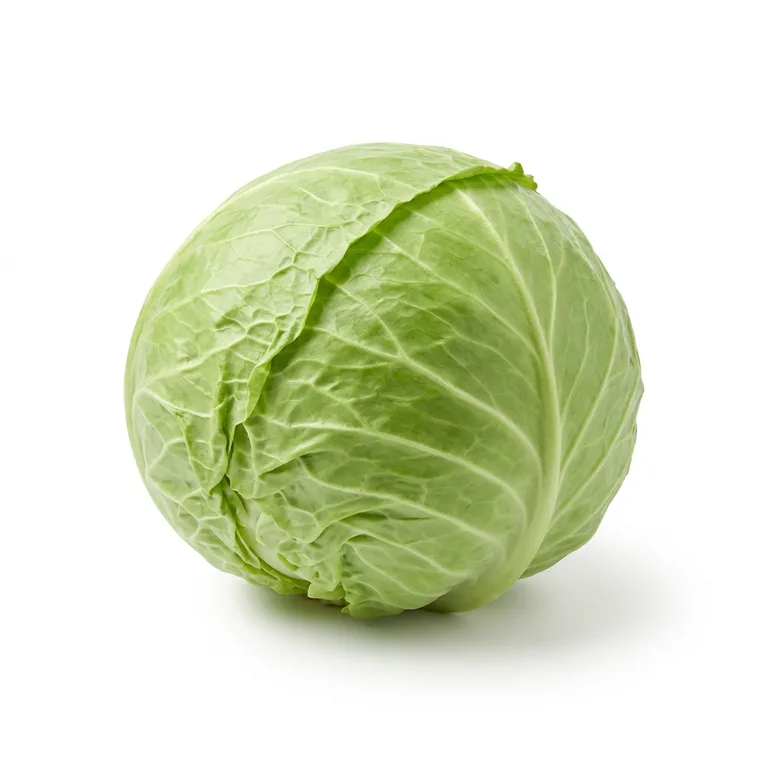
- 1 small head green cabbage (about 2 lb), outer leaves reserved
- 1 tbsp fine sea salt (non-iodized)
Instructions
- 1
Peel off and set aside 1–2 large outer cabbage leaves. Quarter the cabbage, cut out the core, and slice the remaining cabbage into thin shreds about 1/8-inch thick.
- 2
Place the shredded cabbage in a large mixing bowl and sprinkle the sea salt evenly over it. Massage and squeeze the cabbage firmly with clean hands for 8–10 minutes, until it has released a significant amount of liquid and feels limp and wet — the brine should pool visibly at the bottom of the bowl.
Want the full recipe?
Create a Fig account for step-by-step instructions, access to our full recipe library, and more!