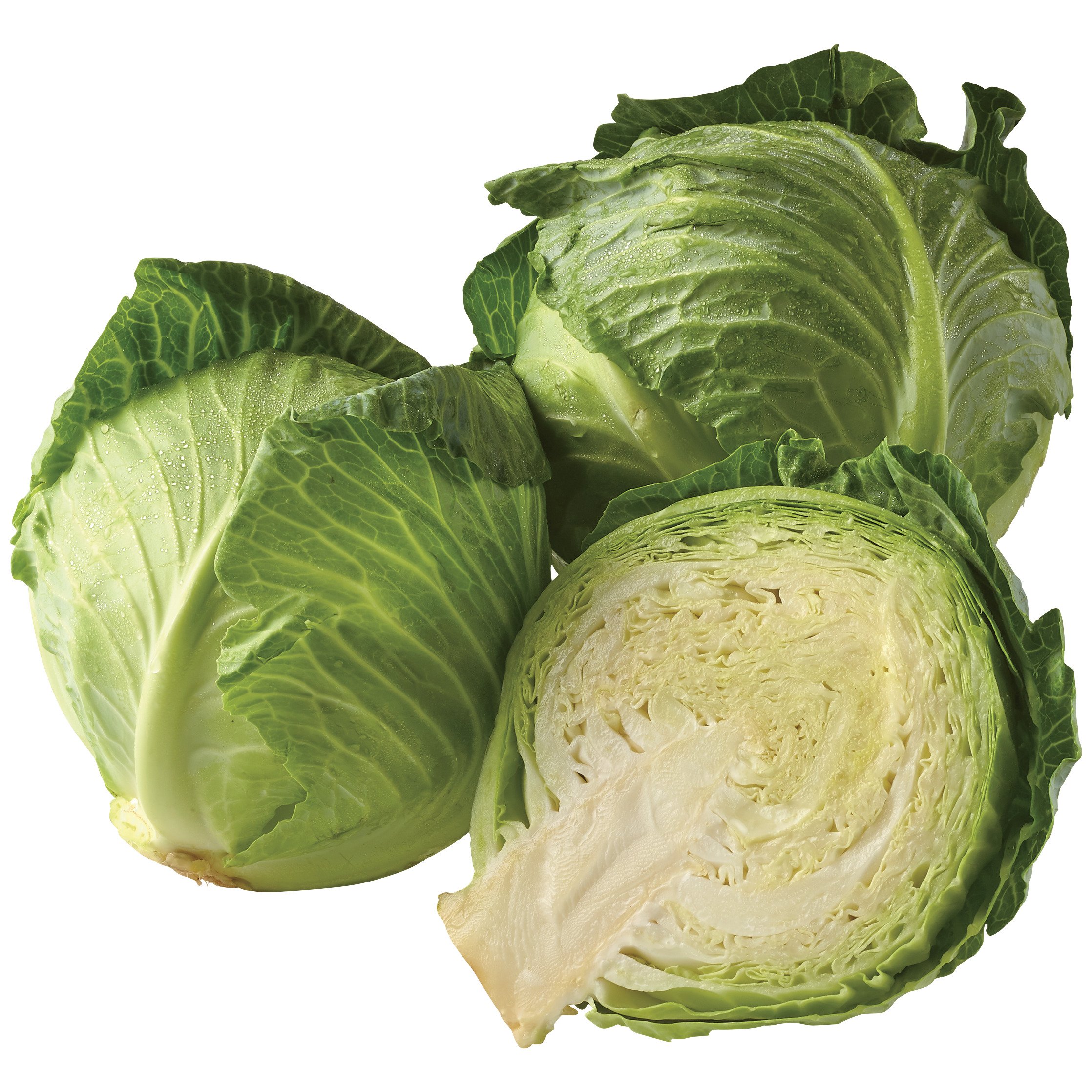
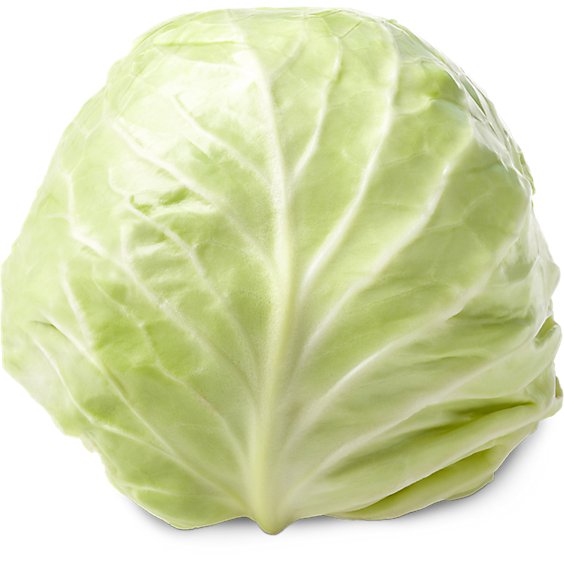
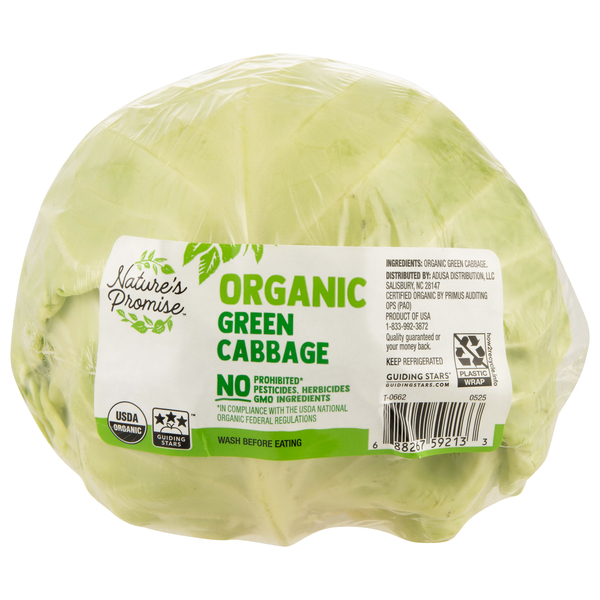
Fermented foods are having a serious moment, and for good reason — the live cultures produced during lacto-fermentation are among the most studied tools for supporting gut health and reducing systemic inflammation. What makes this recipe so satisfying is how little it asks of you: just two ingredients, a jar, and a bit of patience. The process works by letting naturally occurring bacteria on the cabbage convert sugars into lactic acid, creating that signature tang while producing beneficial probiotics along the way. Cabbage itself is rich in vitamin C and antioxidants, making it a genuinely smart base for anyone focused on an anti-inflammatory way of eating. The hands-on massaging step is oddly therapeutic, and watching the brine pool in the bowl feels like a small kitchen miracle every time. By day seven you can start tasting, and the difference between a batch you made yourself and anything from a shelf — especially a pasteurized, shelf-stable jar — is remarkable. Once it hits your preferred sourness, it keeps in the fridge and works beautifully as a condiment, a topping, or eaten straight from the jar.
 About Fig
Fig is a food discovery app that helps you find foods and recipes that fit your dietary needs. Whether you have food allergies, intolerances, or follow a specific diet, Fig makes it easy to eat with confidence.
Learn more →16 servings
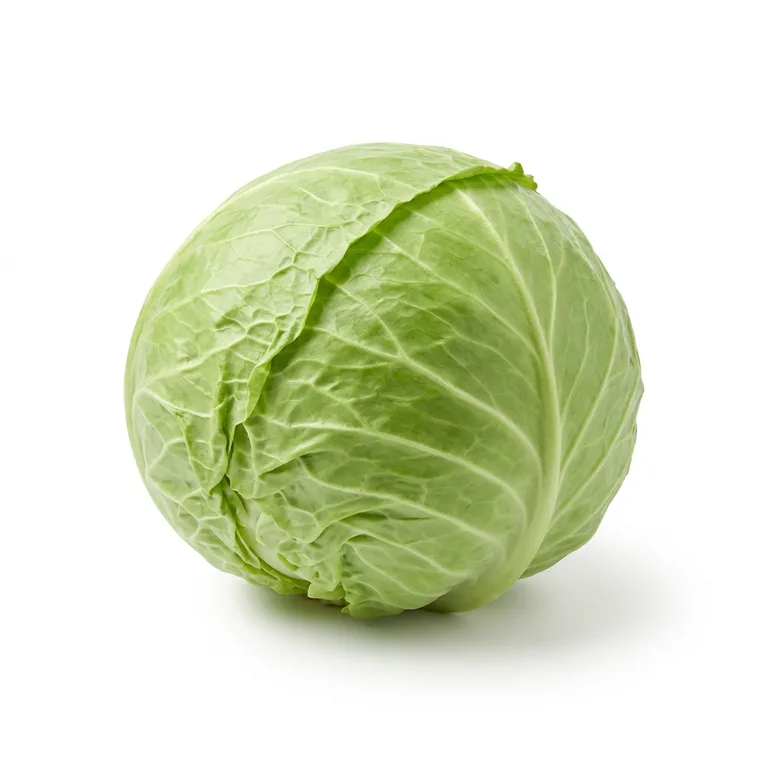
Peel off and set aside 1–2 large outer cabbage leaves. Quarter the cabbage, cut out the core, and slice the remaining cabbage into thin shreds about 1/8-inch thick.
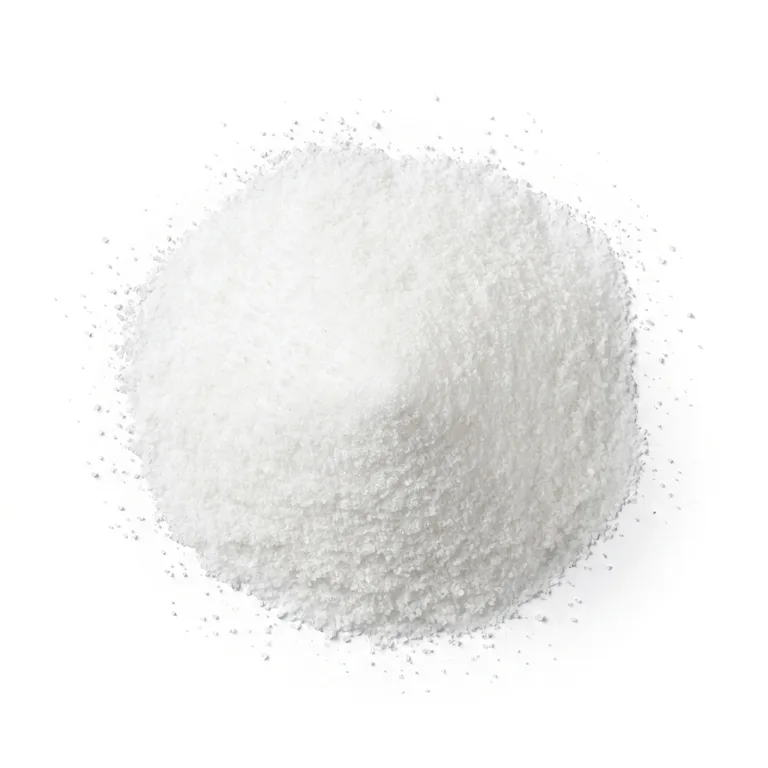
Place the shredded cabbage in a large mixing bowl and sprinkle the sea salt evenly over it. Massage and squeeze the cabbage firmly with clean hands for 8–10 minutes, until it has released a significant amount of liquid and feels limp and wet — the brine should pool visibly at the bottom of the bowl.
Create a Fig account for step-by-step instructions, access to our full recipe library, and more!


 (16k)
(16k)