About Fig
Fig is a food discovery app that helps you find foods and recipes that fit your dietary needs. Whether you have food allergies, intolerances, or follow a specific diet, Fig makes it easy to eat with confidence.
Learn more →4 servings
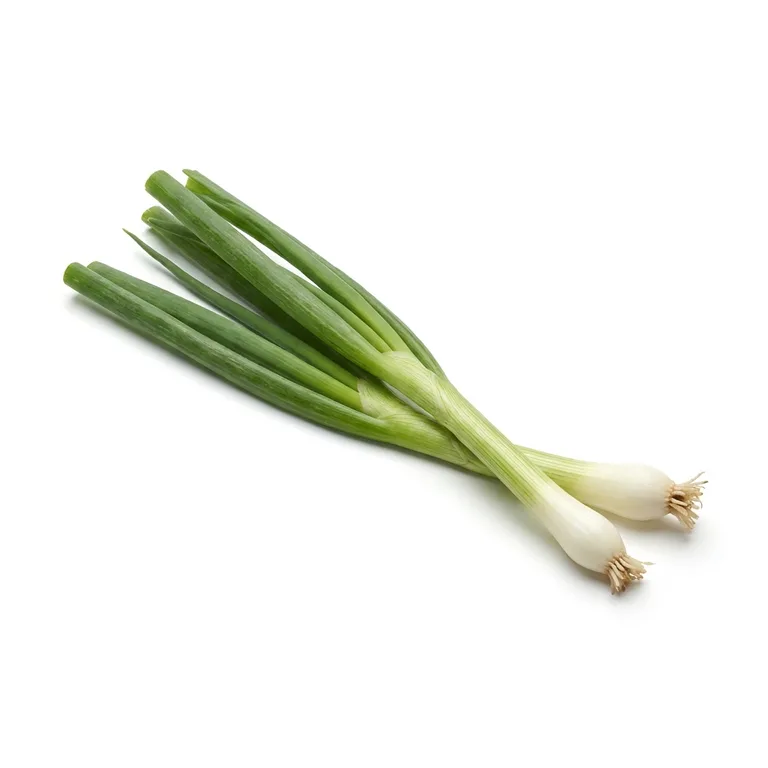
Interstitial cystitis flags onions because alliums can irritate a sensitive bladder, but this recipe uses only the milder scallion green tops, which is likely fine for most. If you prefer to always avoid scallions, please tap it and change its rating to Red.
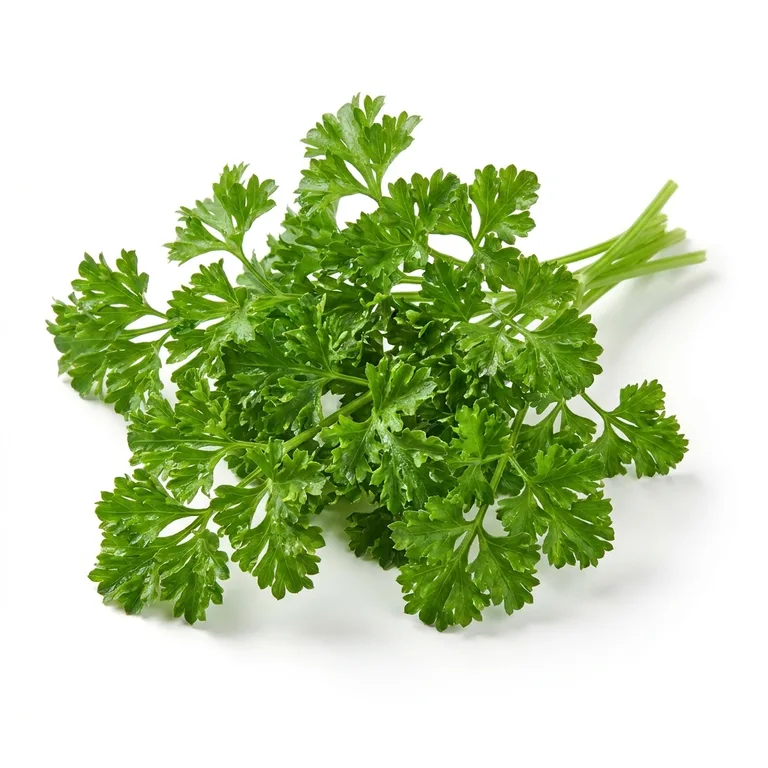
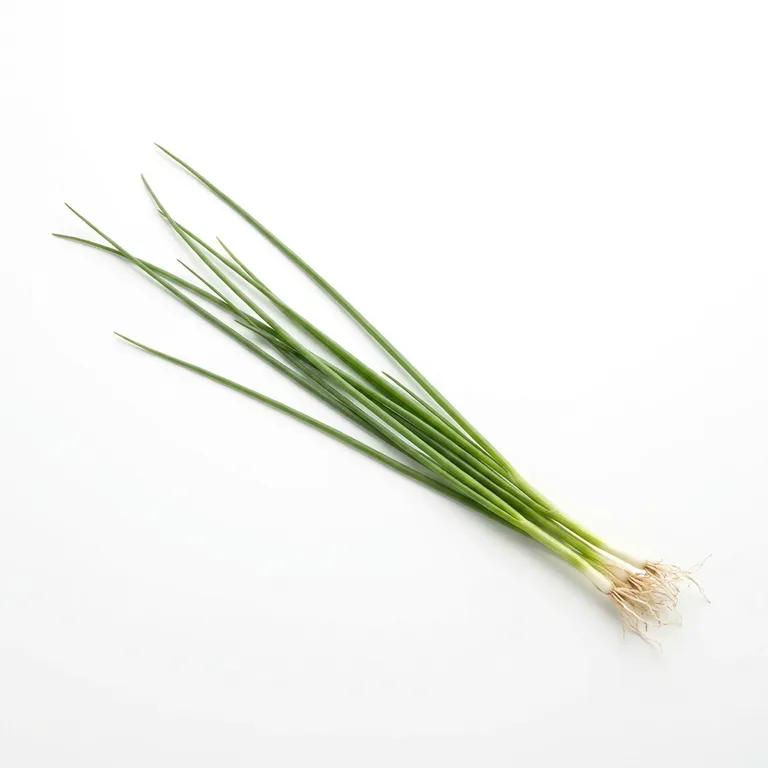
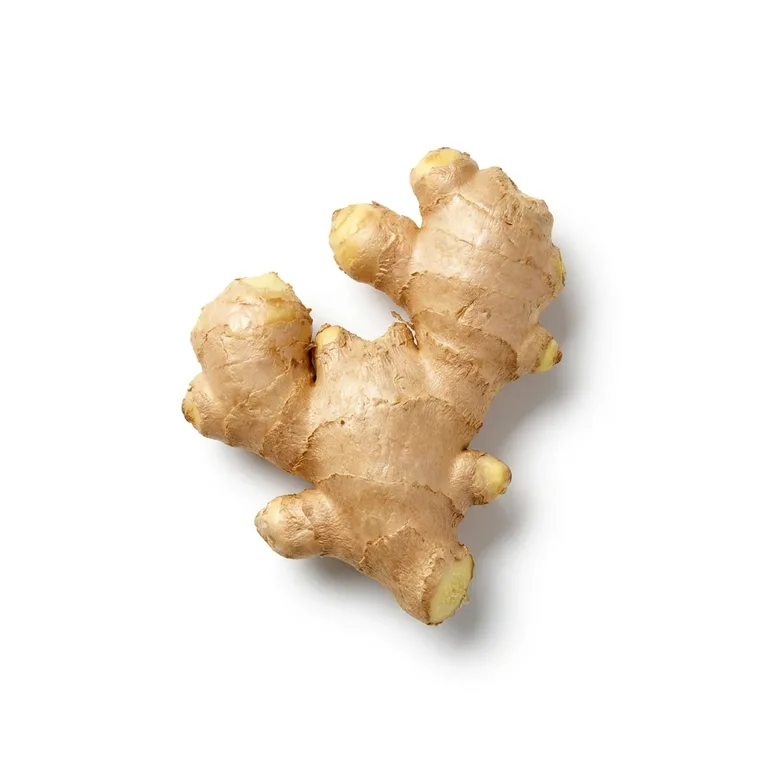
Fresh ginger can trigger interstitial cystitis symptoms in some people, but the small amount in this recipe (~1/4 tsp per serving) is likely tolerated by many. If you prefer to always avoid fresh ginger, please tap it and change its rating to Red.
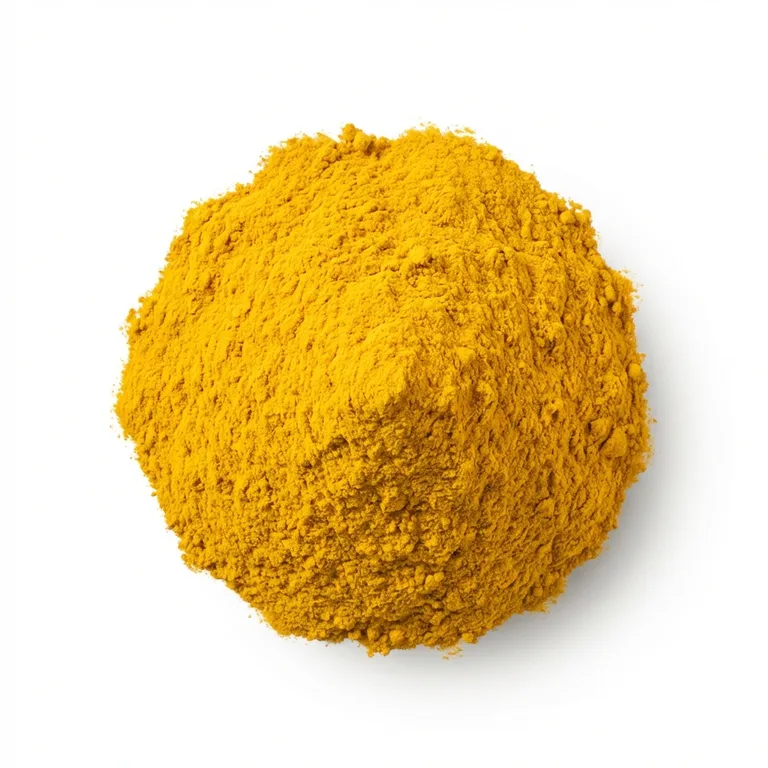
Turmeric can trigger interstitial cystitis symptoms in some people, but the small amount in this recipe (~1/8 tsp per serving) is likely tolerated by many. If you prefer to always avoid turmeric, please tap it and change its rating to Red.
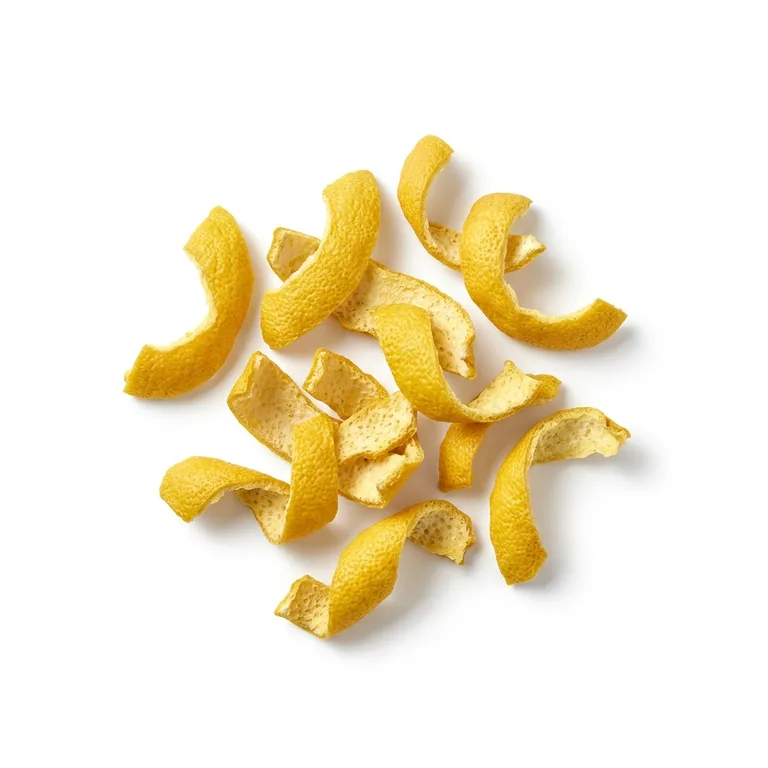
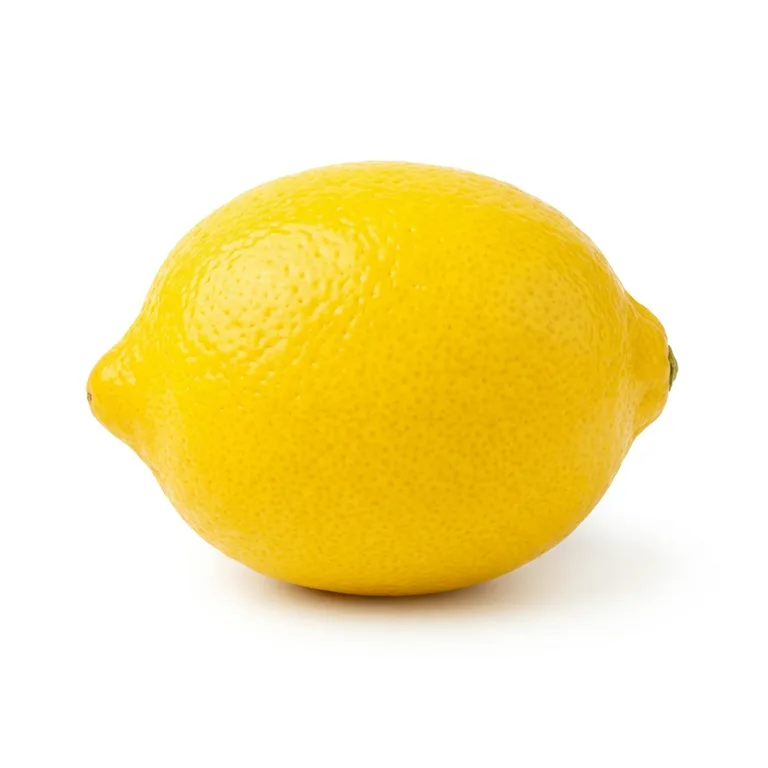
Interstitial cystitis limits citrus because of the acid in the juice, but zest carries very little of it, and this recipe uses only about 1/4 tsp per serving, which is likely fine for many. If you prefer to always avoid lemon peel, please tap it and change its rating to Red.
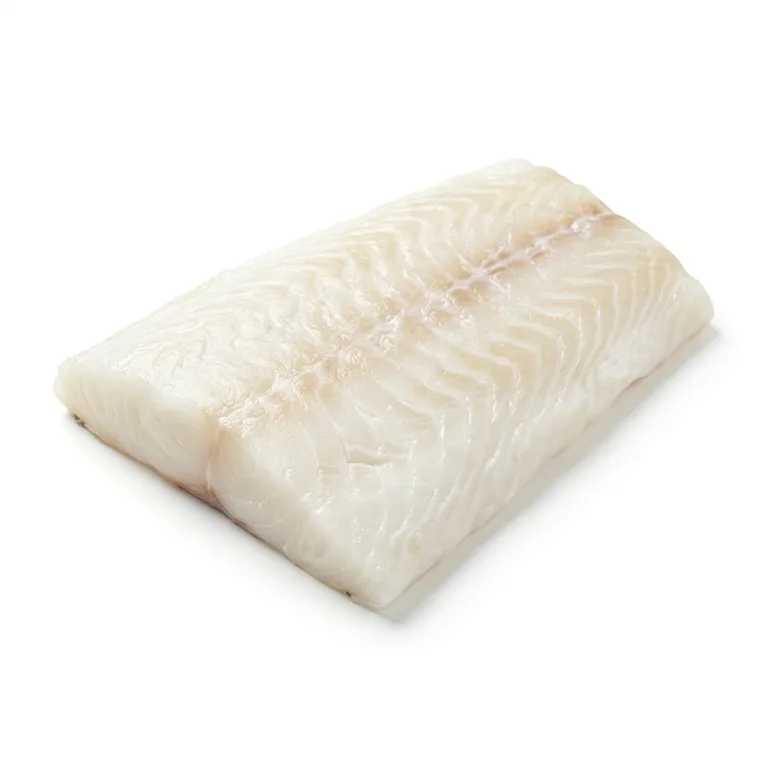
Bring a large skillet of salted water to a gentle simmer over medium heat. Add the cod fillets and poach for 6–8 minutes, until the flesh is opaque throughout and flakes easily when pressed with a fork. Transfer to a plate and let cool for 10 minutes, then flake into small pieces with a fork, discarding any bones.
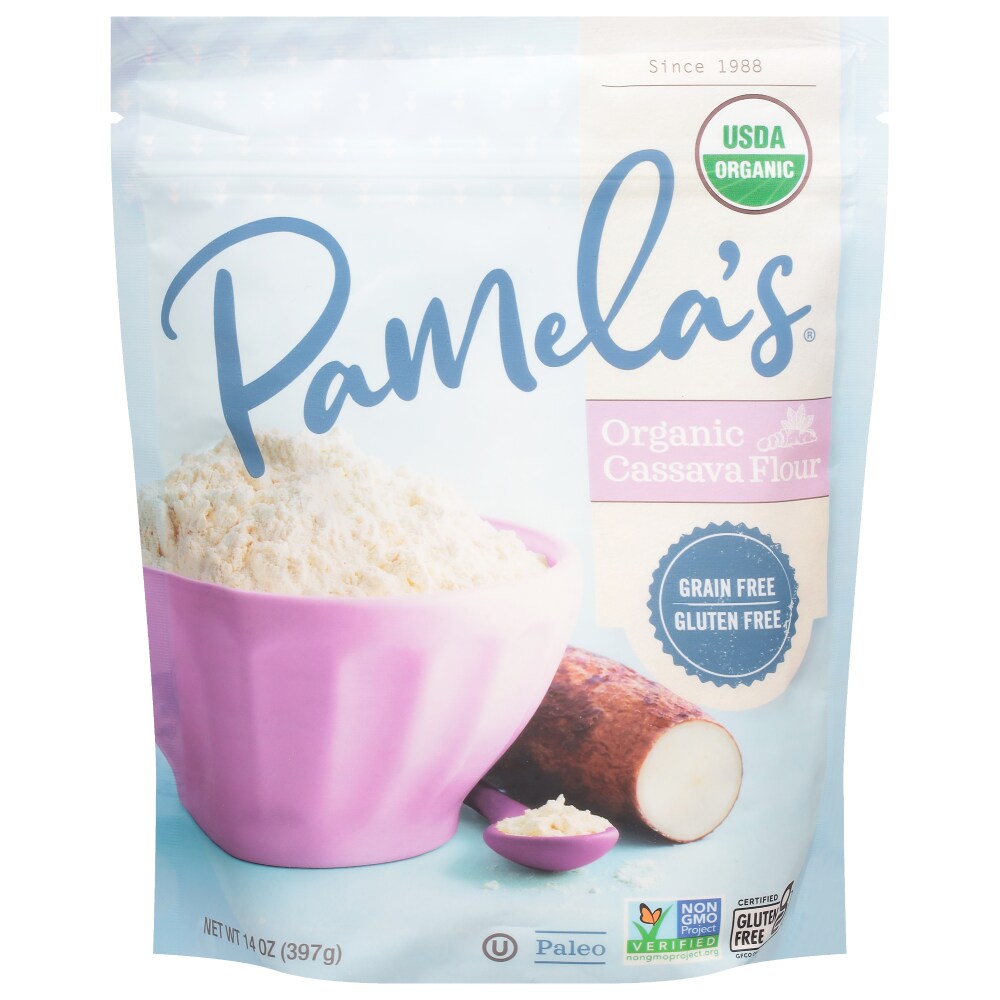
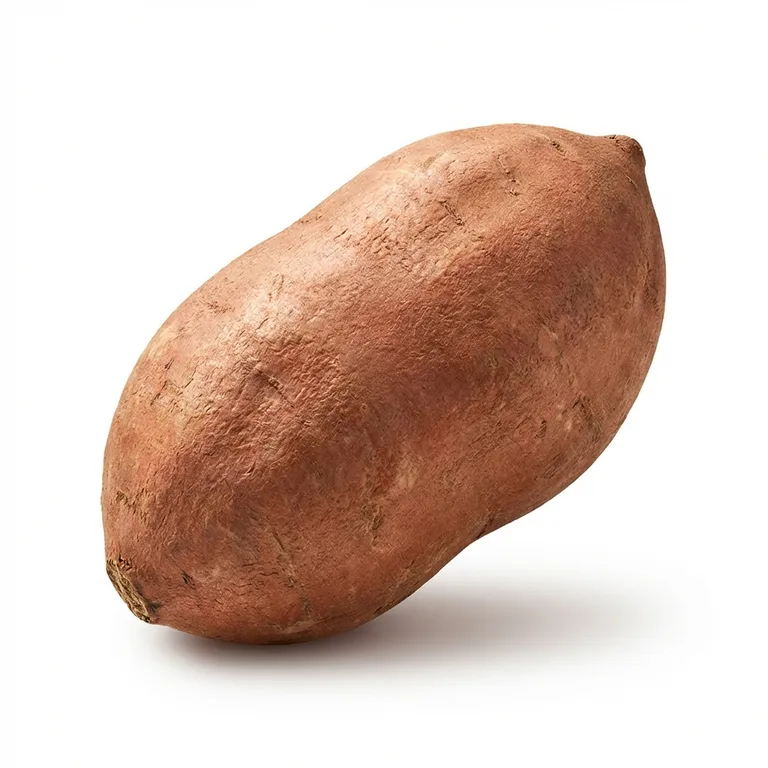
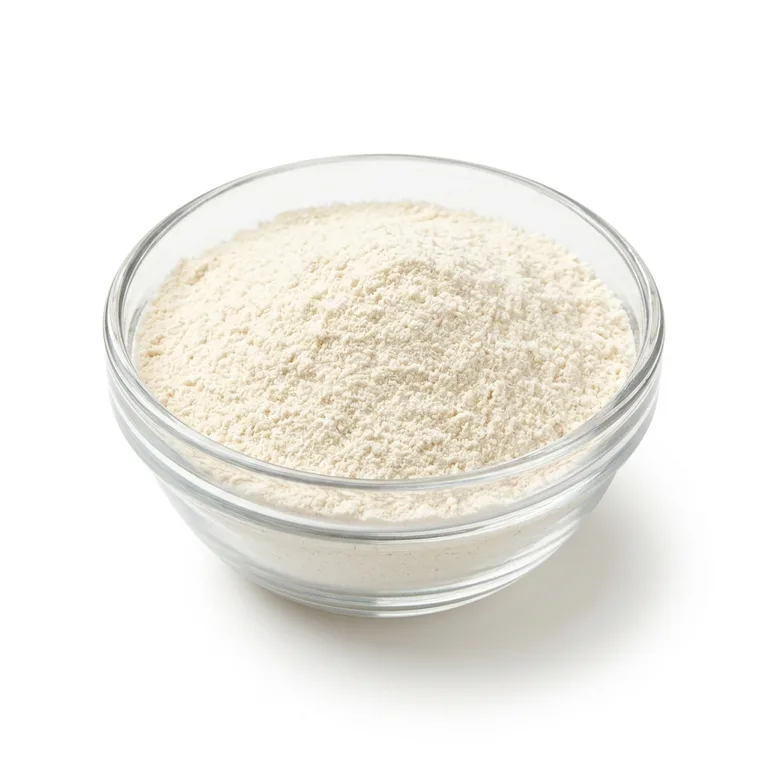
In a large mixing bowl, combine the flaked cod, mashed sweet potato, cassava flour, scallion greens, parsley, chives, ginger, turmeric, lemon zest, and sea salt. Fold together until the mixture holds together when pressed — it should be firm enough to shape but not dry. If it feels too loose, add cassava flour 1 tsp at a time.
Create a Fig account for step-by-step instructions, access to our full recipe library, and more!


 (16k)
(16k)