Few dishes deliver a more satisfying moment than cutting into a golden, crispy chicken roll and watching a pool of herbed butter spill out onto the plate. This classic preparation layers fresh parsley, chives, and thyme into softened butter, then seals it inside a pounded chicken breast before breading and cooking — every step is straightforward, and the result feels genuinely restaurant-worthy. For anyone navigating lupin sensitivities, the breading here is the part that usually raises red flags, since lupin flour quietly turns up in many commercial breadcrumbs and pre-seasoned coatings. This recipe keeps things clean by using plain all-purpose flour and standard breadcrumbs with no hidden legume flours in the mix. The sear-then-bake method builds a deeply golden crust without sacrificing the juicy interior, and the herb butter does double duty as both seasoning and sauce. A quick rest on a wire rack after the oven keeps the coating crisp while the butter settles just enough to pour rather than gush. It's the kind of showstopper that looks like you spent all day in the kitchen but rewards you long before dinner is over.
 About Fig
Fig is a food discovery app that helps you find foods and recipes that fit your dietary needs. Whether you have food allergies, intolerances, or follow a specific diet, Fig makes it easy to eat with confidence.
Learn more →4 servings
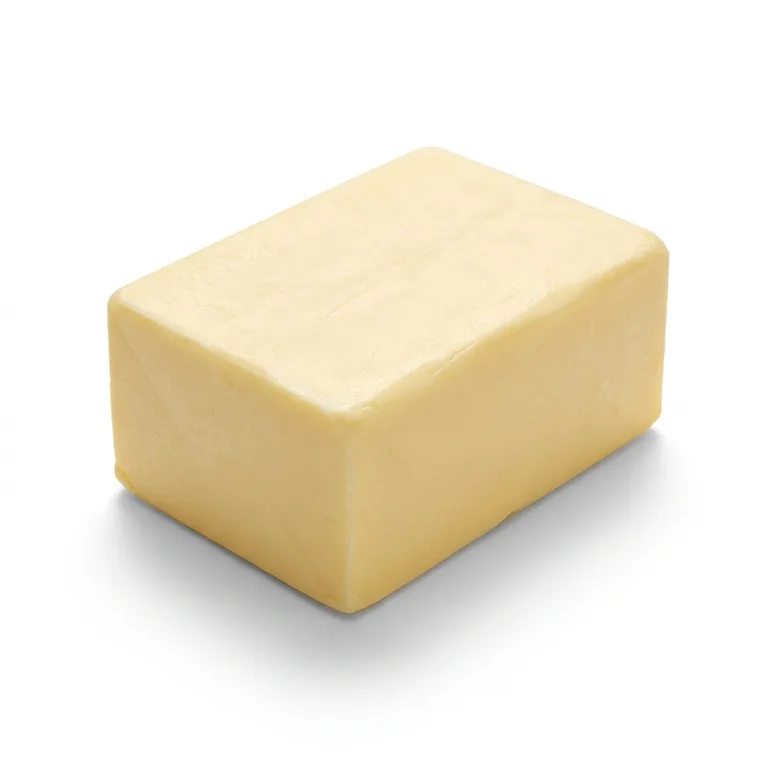
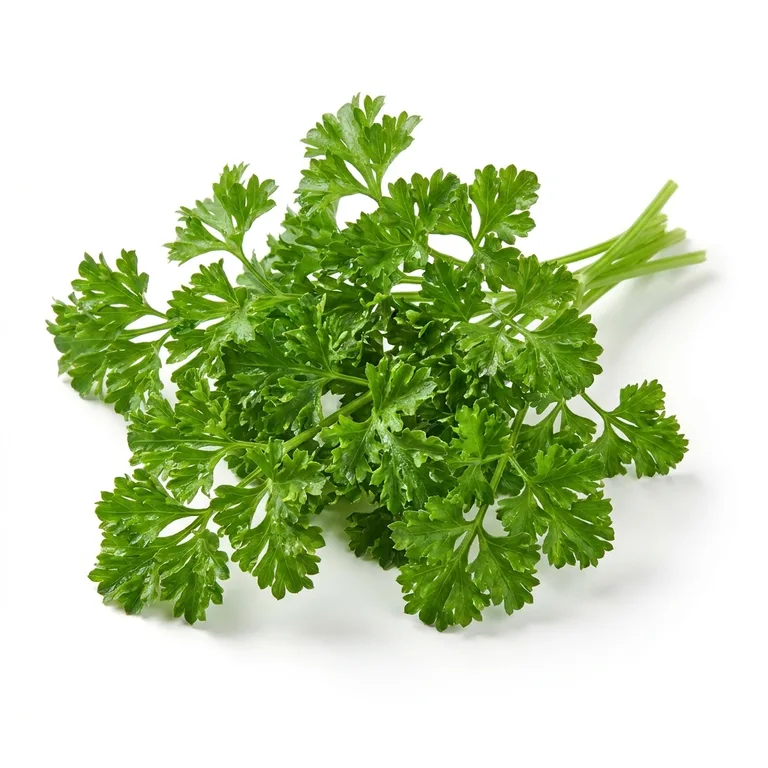
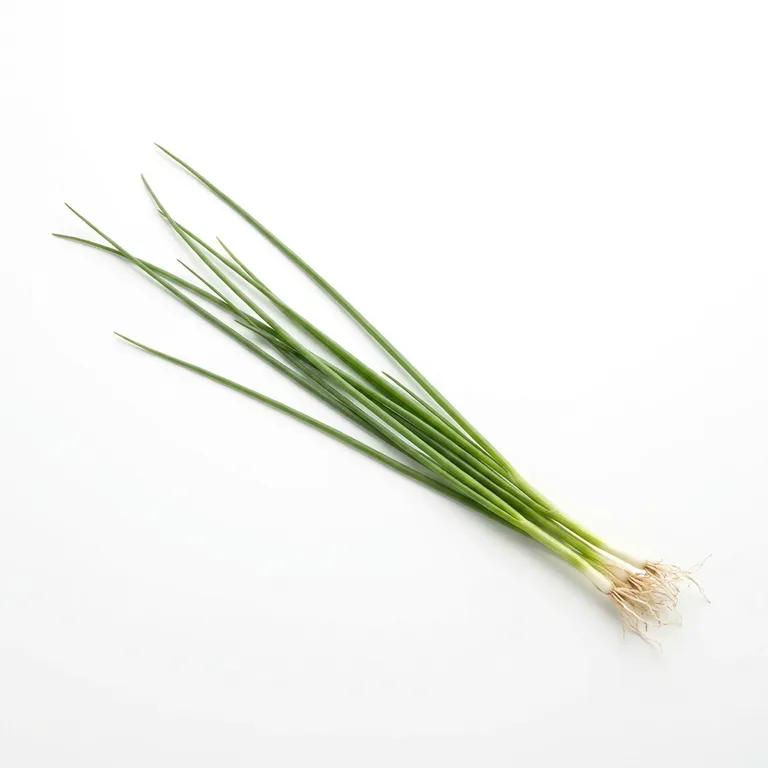
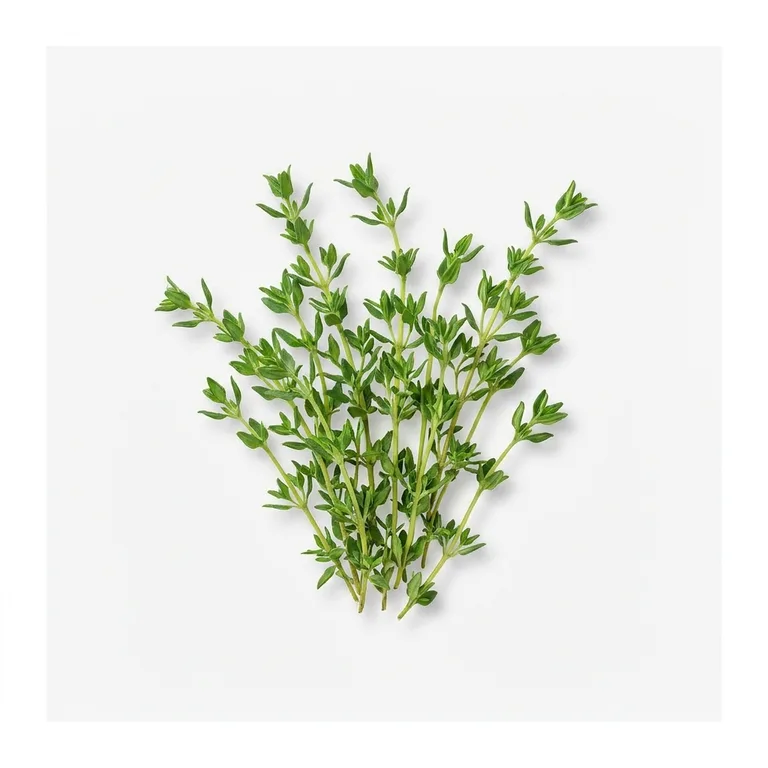
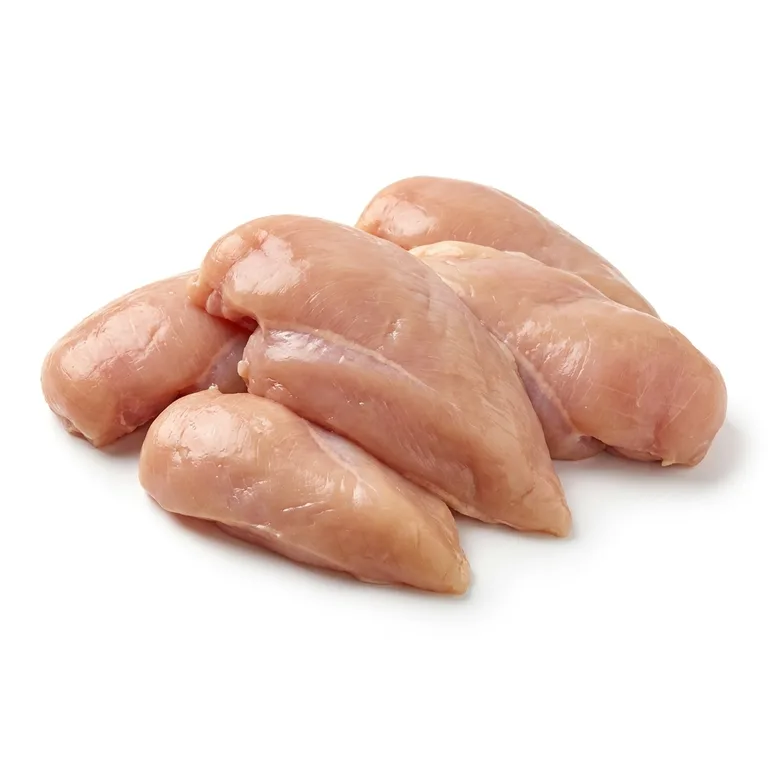
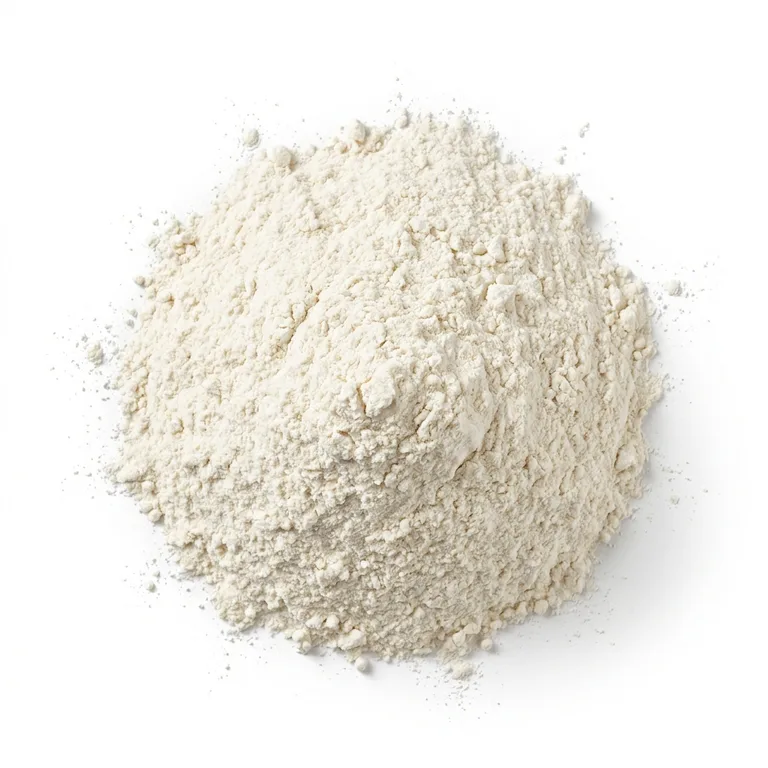

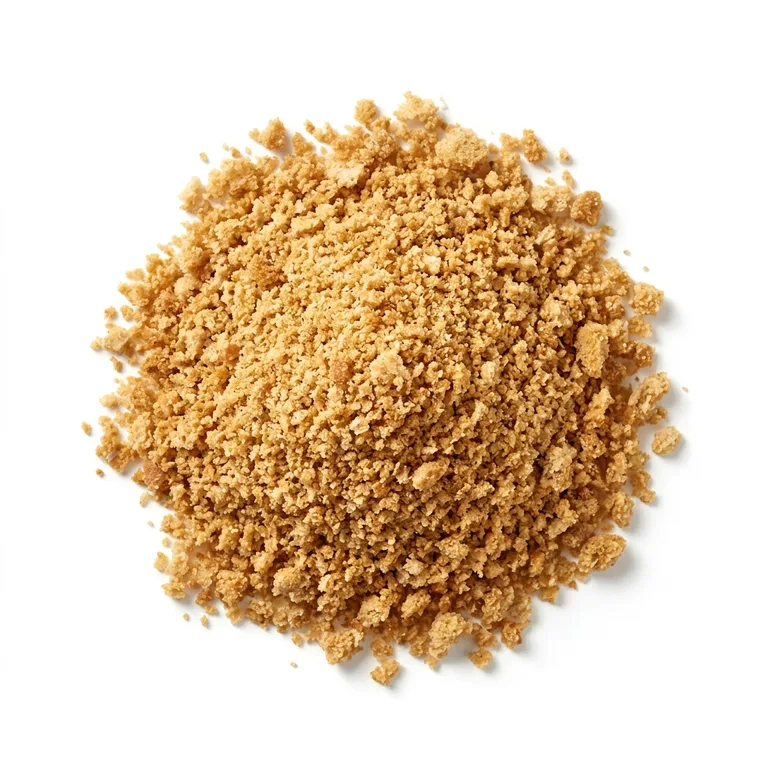
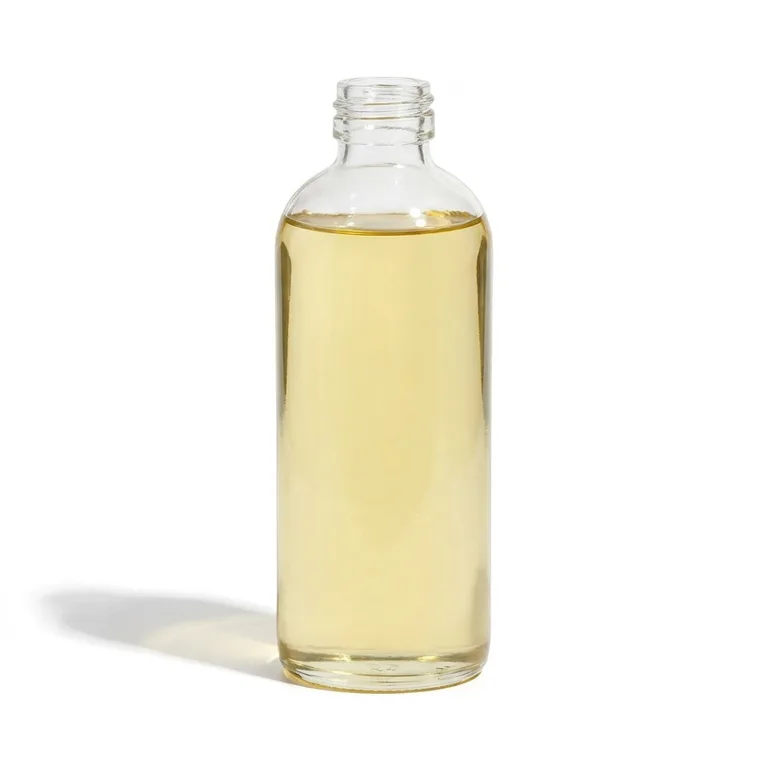
Make the herb butter: In a small bowl, mash together the softened butter, parsley, chives, thyme, and 1/2 tsp salt with a fork until the herbs are evenly distributed throughout the butter. Scrape the mixture onto a sheet of plastic wrap, roll it into a log about 1 inch in diameter, and twist the ends to seal. Refrigerate for at least 30 minutes, until firm.
Butterfly each chicken breast: Place one breast flat on a cutting board and, holding your knife parallel to the board, slice horizontally through the thickest part, stopping about 1/2 inch from the opposite edge so the breast opens like a book. Lay a sheet of plastic wrap over the opened breast and pound with a meat mallet or rolling pin to an even 1/4-inch thickness. Repeat with the remaining breasts.
Create a Fig account for step-by-step instructions, access to our full recipe library, and more!


 (16k)
(16k)