Few dishes deliver a more satisfying moment at the table than cutting into a golden, crispy roll and watching a pool of herbed butter spill out — and this classic preparation does exactly that. The filling is a simple compound butter loaded with flat-leaf parsley, chives, and thyme, all of which are naturally free of fructose, so there are no sneaky sweeteners or fruit-derived ingredients hiding anywhere in this recipe. Managing fructose intake can feel limiting when it comes to indulgent, restaurant-style dishes, but this one is built entirely from chicken, butter, fresh herbs, eggs, flour, and breadcrumbs — a clean, straightforward lineup that fits the bill without any compromise on flavor. The technique of butterflying and pounding the breasts ensures an even thickness that seals the butter inside and cooks through reliably, while the two-step sear-then-bake method gives you that deep, crackling crust without drying out the meat. Chilling the butter log before assembly is the small but crucial step that keeps everything intact when the heat hits. The result is juicy, richly flavored chicken with a crisp golden exterior that feels genuinely special — the kind of dinner that impresses guests without requiring a complicated ingredient list or a trip to a specialty store.
 About Fig
Fig is a food discovery app that helps you find foods and recipes that fit your dietary needs. Whether you have food allergies, intolerances, or follow a specific diet, Fig makes it easy to eat with confidence.
Learn more →4 servings
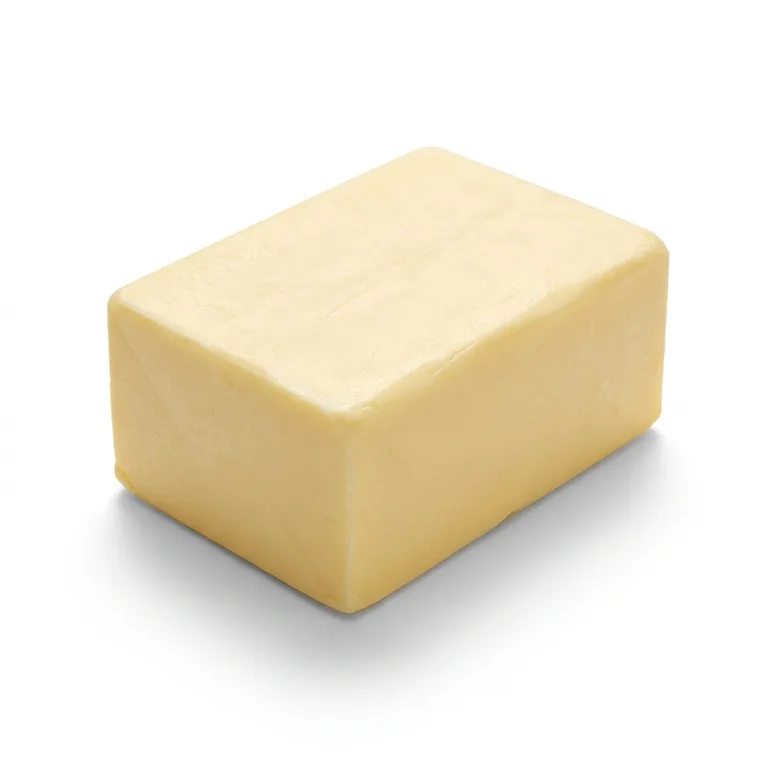
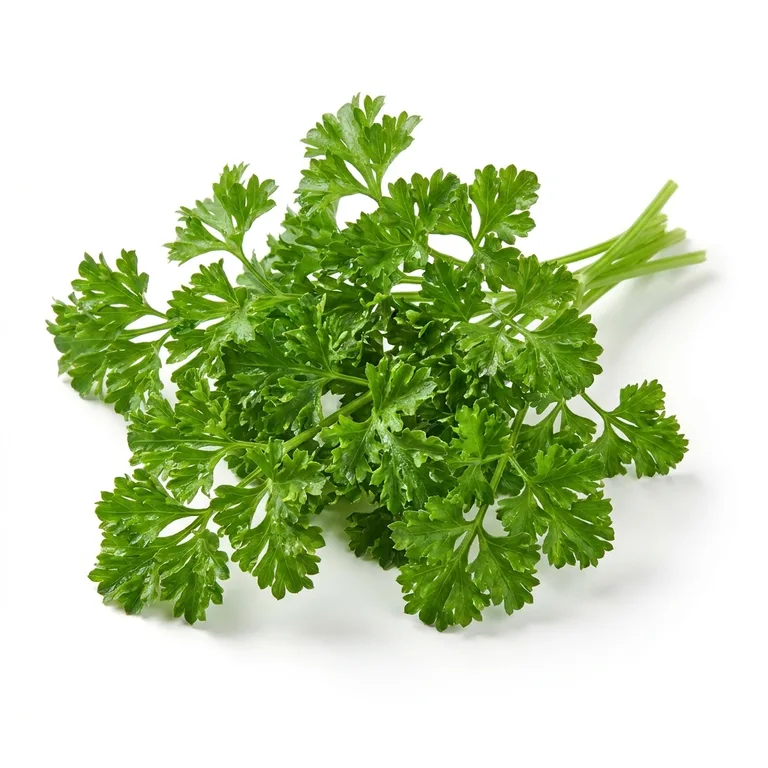
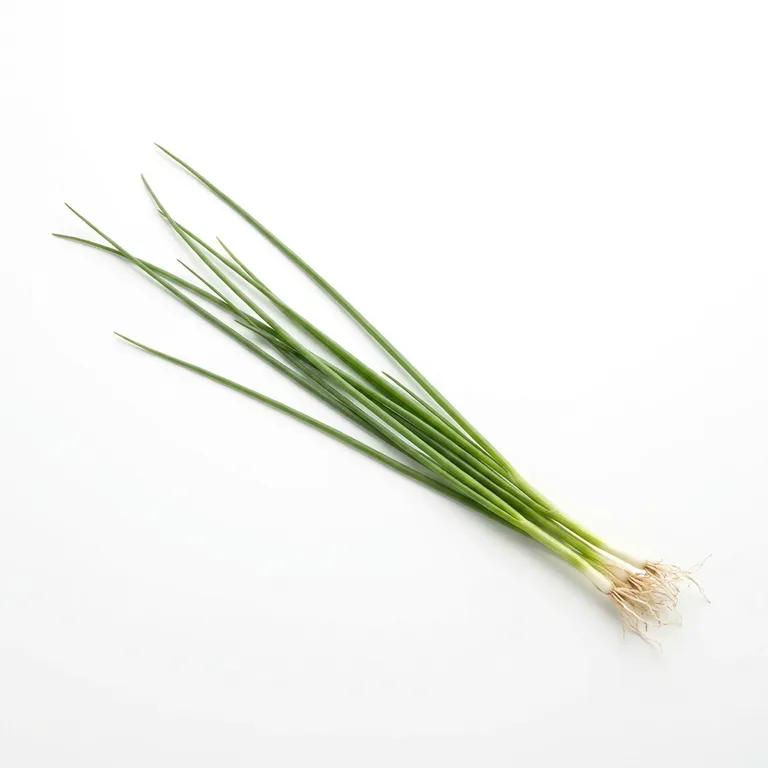
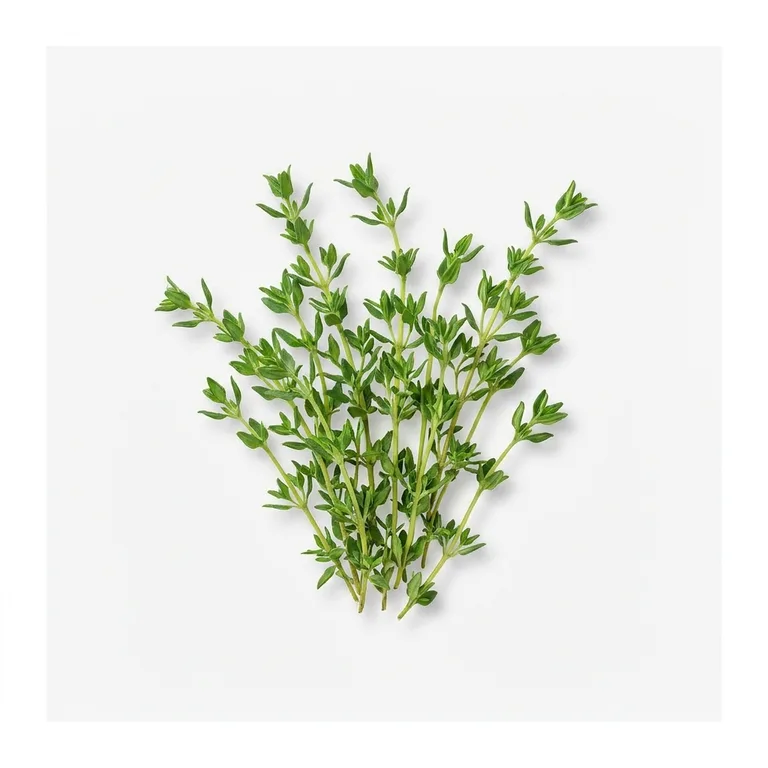
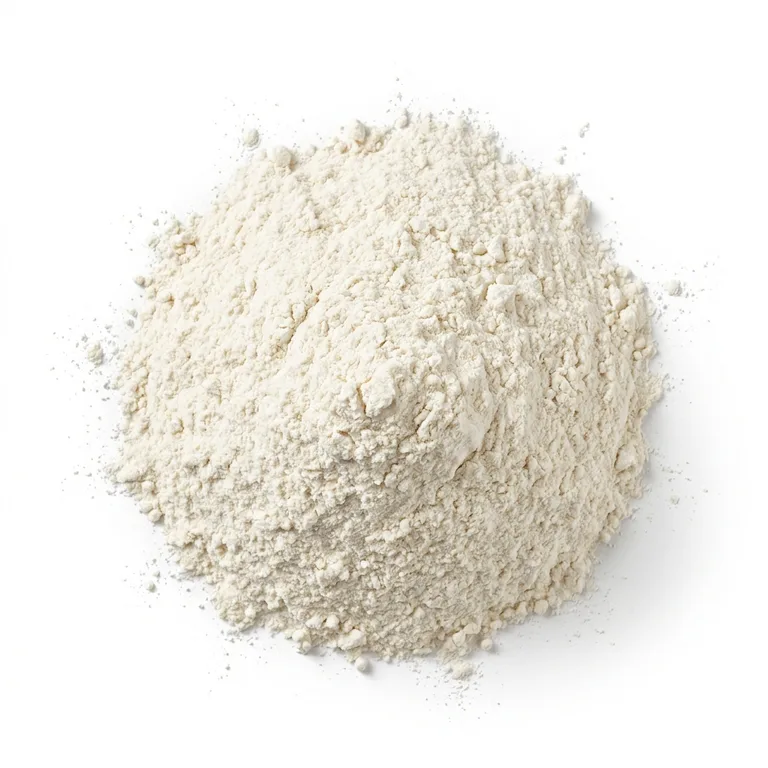
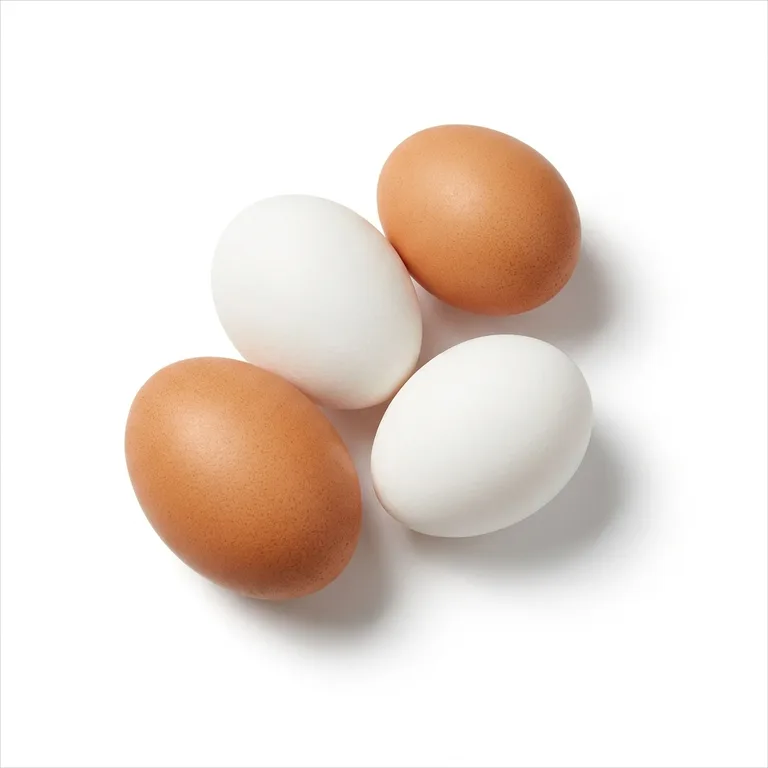
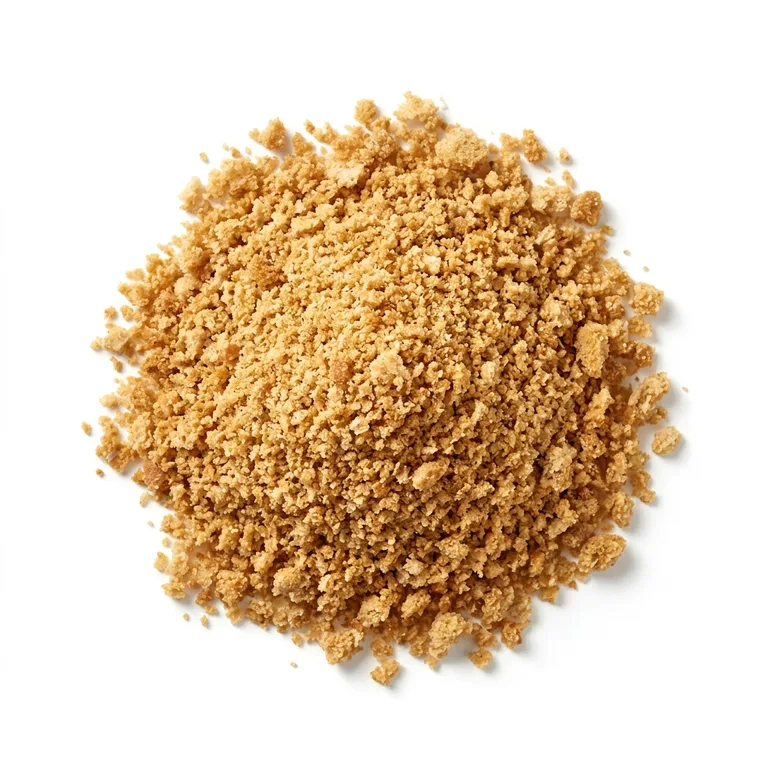
Make the herb butter: In a small bowl, mash together the softened butter, parsley, chives, thyme, and 1/2 tsp salt with a fork until the herbs are evenly distributed throughout the butter. Scrape the mixture onto a sheet of plastic wrap, roll it into a log about 1 inch in diameter, and twist the ends to seal. Refrigerate for at least 30 minutes, until firm.
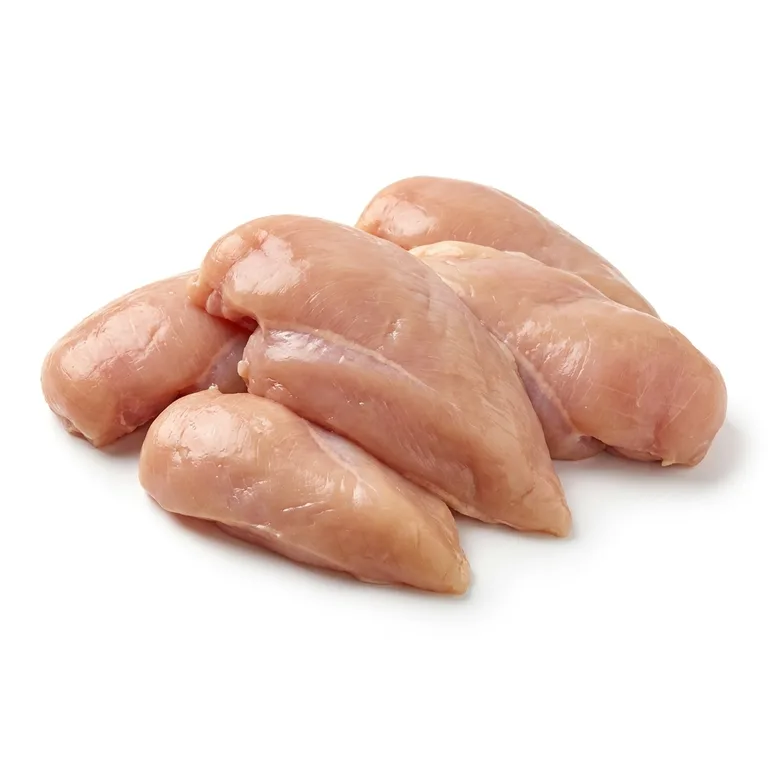
Butterfly each chicken breast: Place one breast flat on a cutting board and, holding your knife parallel to the board, slice horizontally through the thickest part, stopping about 1/2 inch from the opposite edge so the breast opens like a book. Lay a sheet of plastic wrap over the opened breast and pound with a meat mallet or rolling pin to an even 1/4-inch thickness. Repeat with the remaining breasts.
Create a Fig account for step-by-step instructions, access to our full recipe library, and more!


 (16k)
(16k)