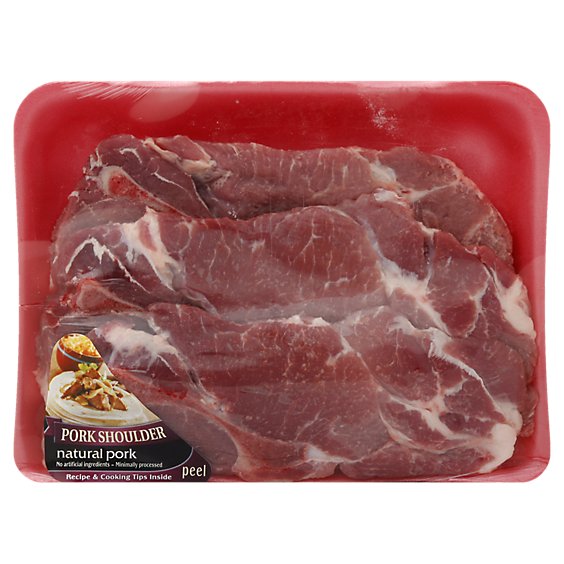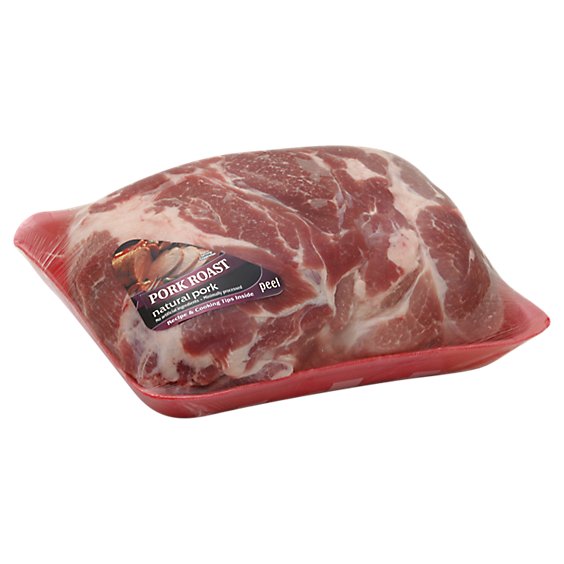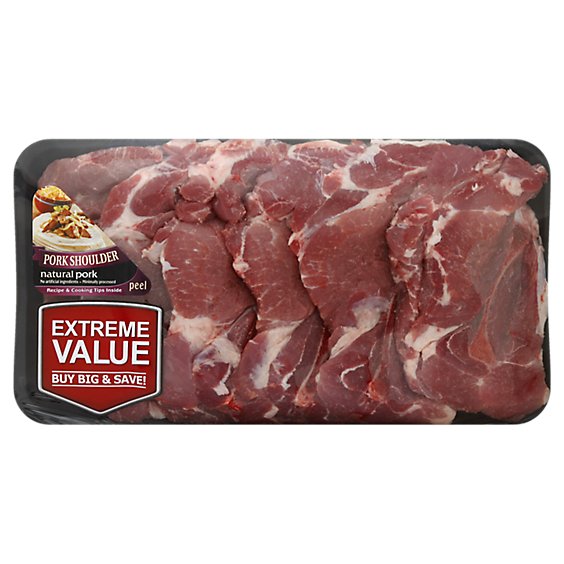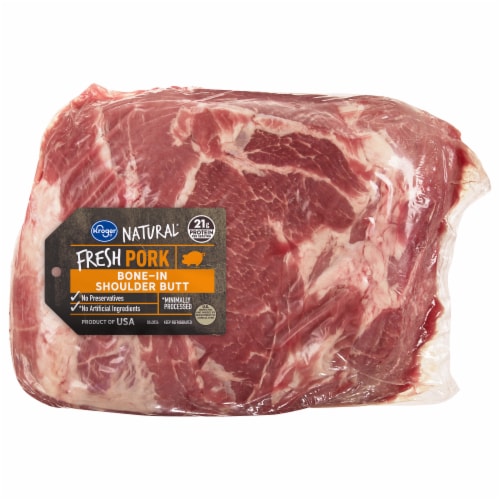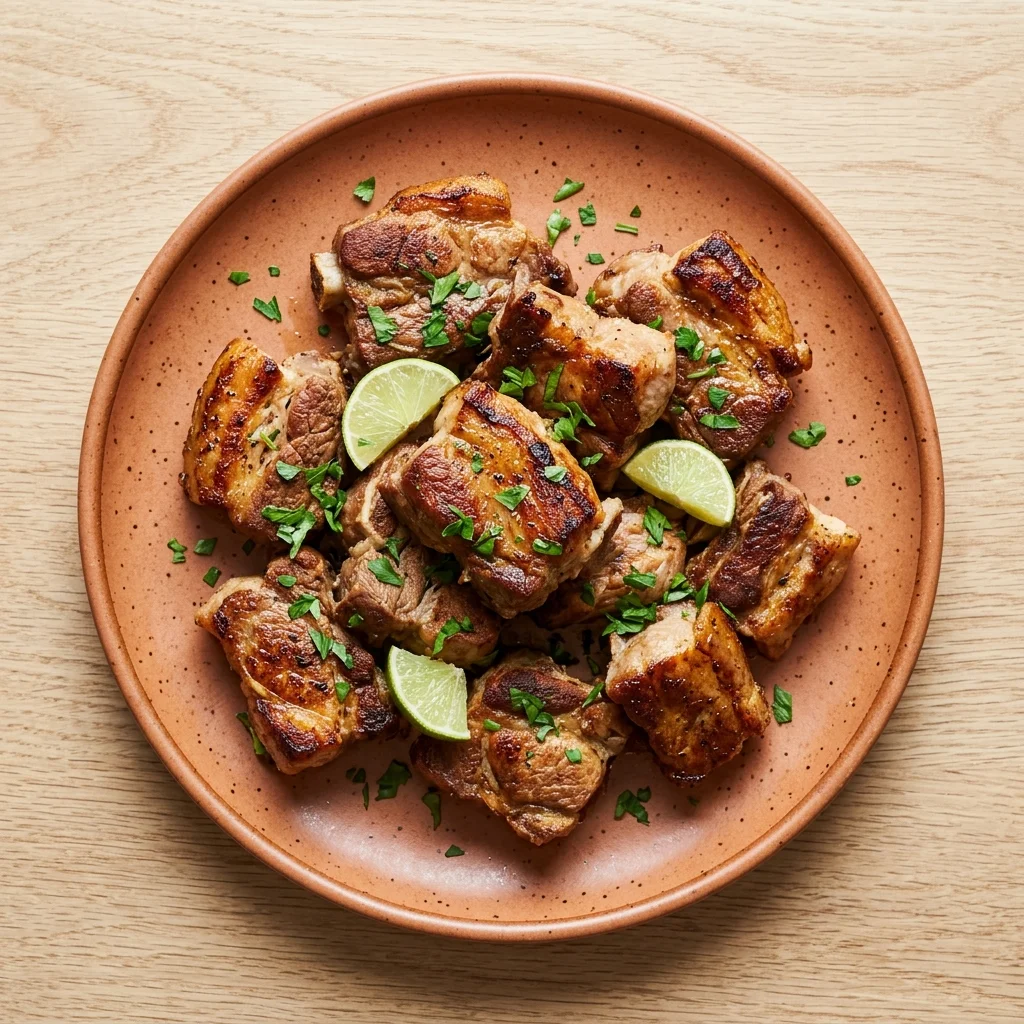
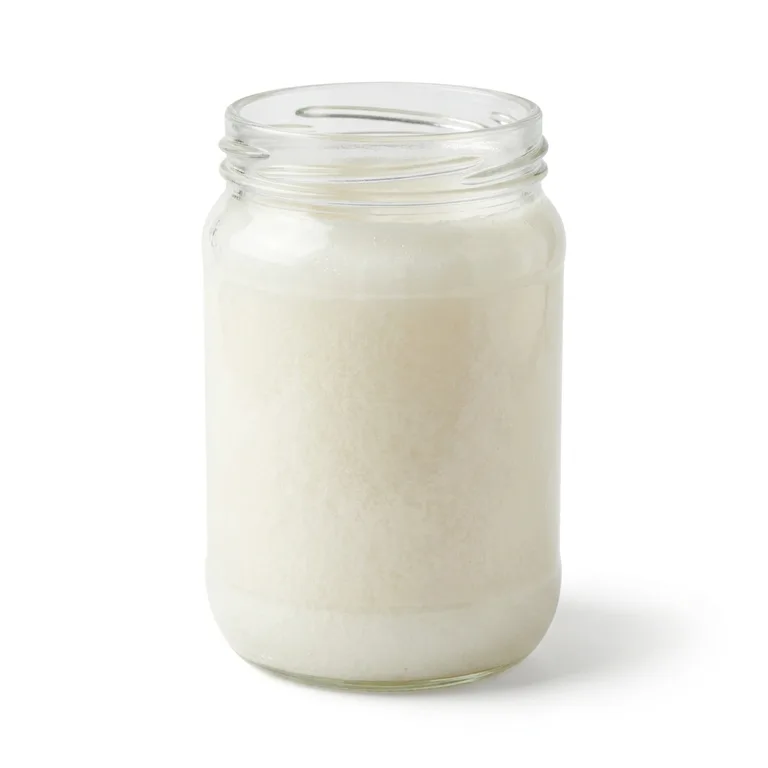
Bright citrus, fresh herbs, and a double-cooking technique come together here for a deeply satisfying pork dish rooted in Haitian culinary tradition. The marinade — built from orange juice, lime juice, apple cider vinegar, garlic, scallions, thyme, and ginger — works its way into every fiber of the pork shoulder during a long rest in the fridge, so the flavor is anything but surface-level. Braising the meat low and slow until it's fall-apart tender is just the first act; the real magic happens when those pieces hit a hot skillet with coconut oil and develop a gorgeous, caramelized crust on the outside. That contrast between the juicy interior and the deeply browned exterior is what makes this dish genuinely hard to stop eating. The ingredient list is built entirely around fresh produce, citrus, and pantry staples, so there's no need to scan labels or worry about hidden tree nut ingredients sneaking in. A squeeze of fresh lime and a scatter of parsley at the end keep things bright and lively on the plate. Whether you're serving it over rice or alongside roasted vegetables, this is the kind of centerpiece meal that earns serious compliments.
 About Fig
Fig is a food discovery app that helps you find foods and recipes that fit your dietary needs. Whether you have food allergies, intolerances, or follow a specific diet, Fig makes it easy to eat with confidence.
Learn more →4 servings

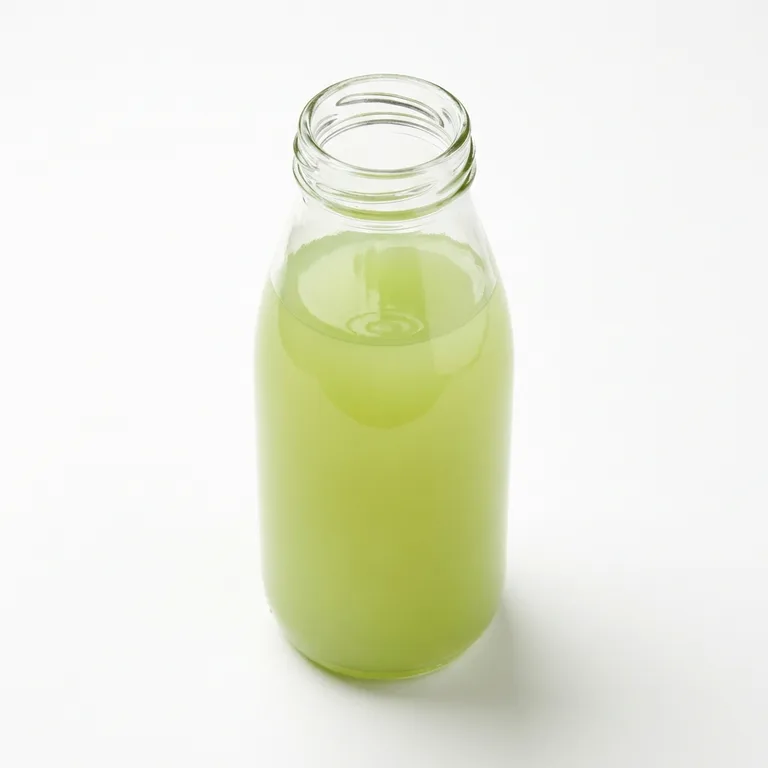
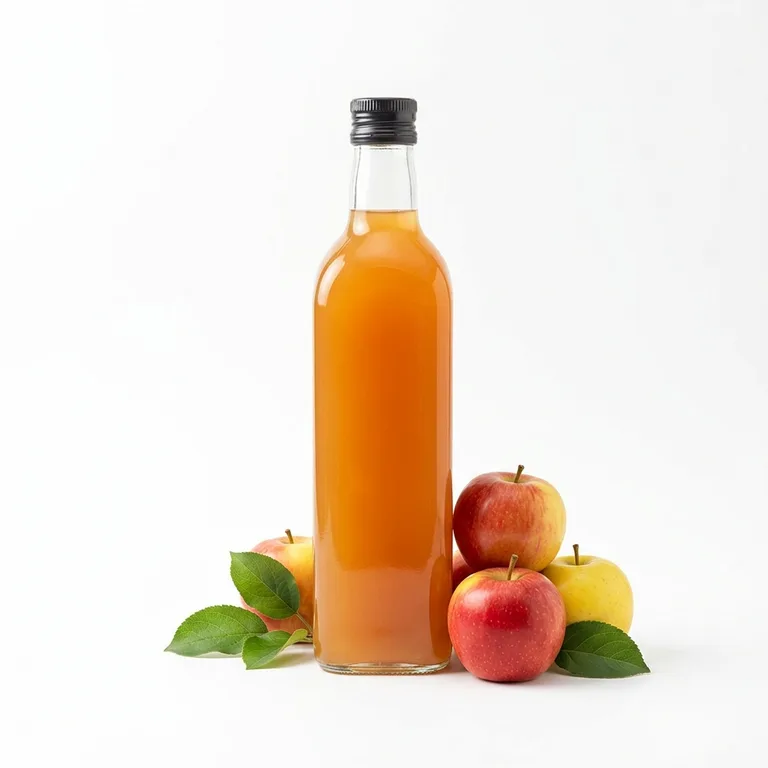
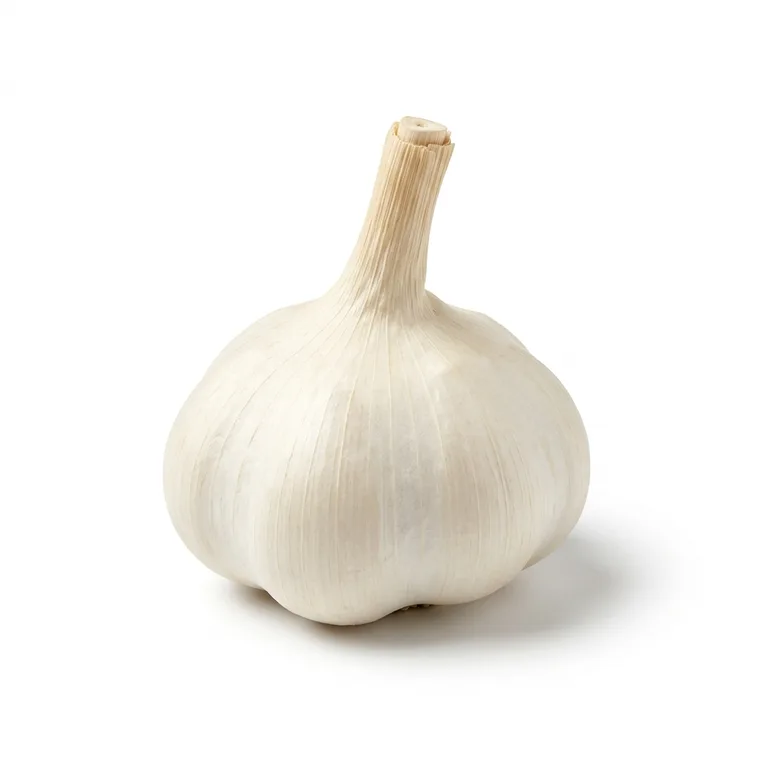
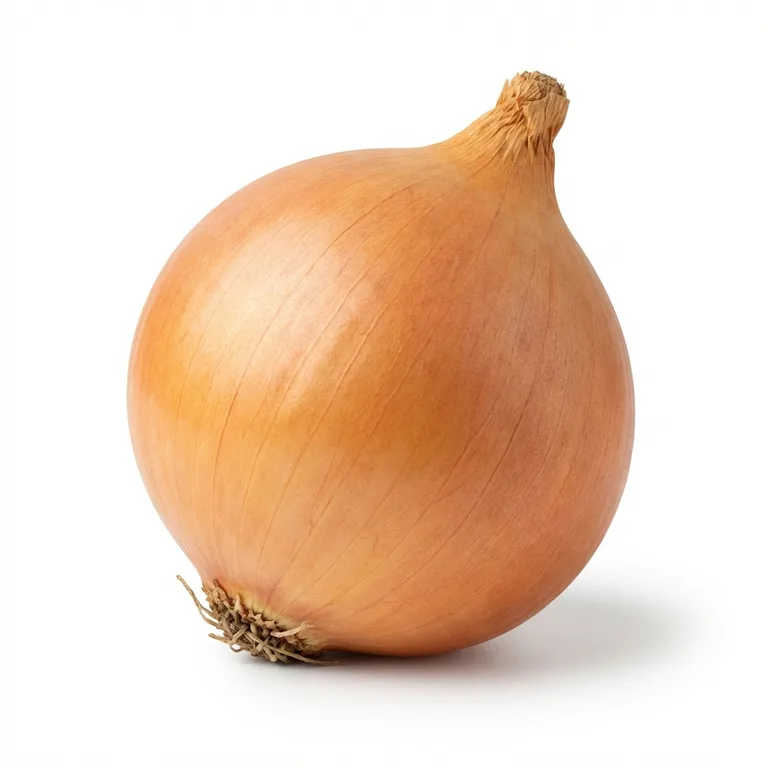
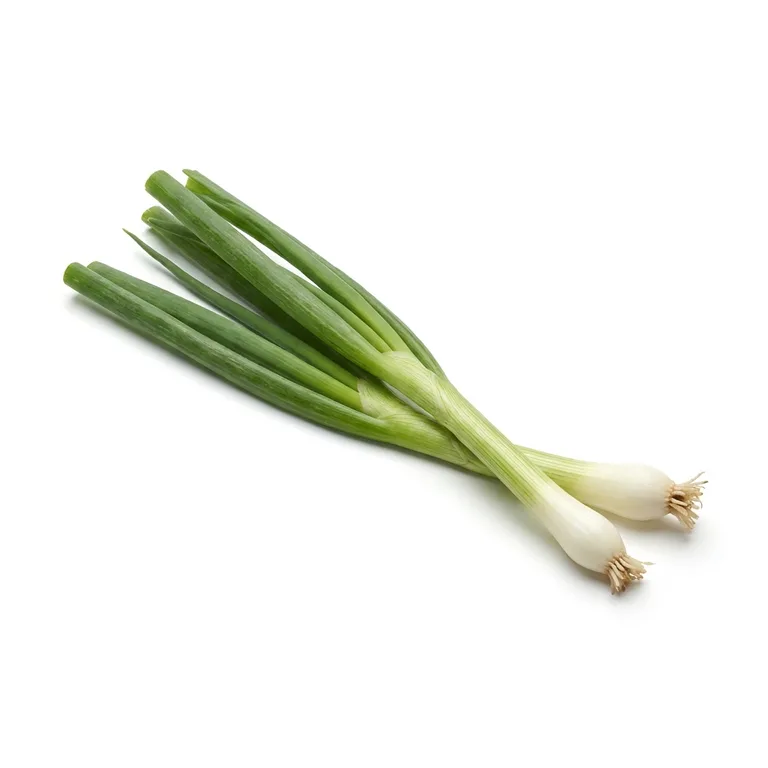
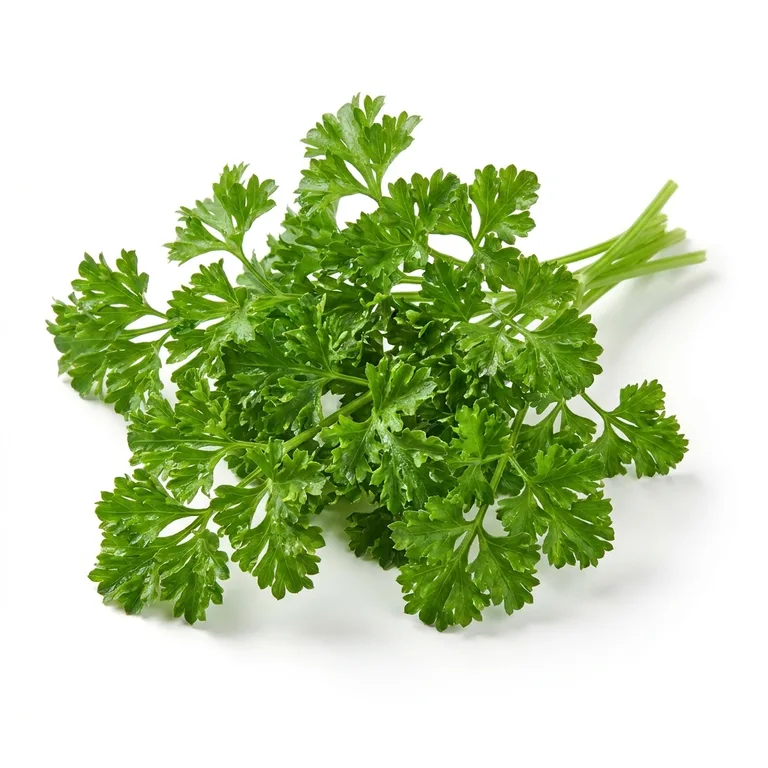
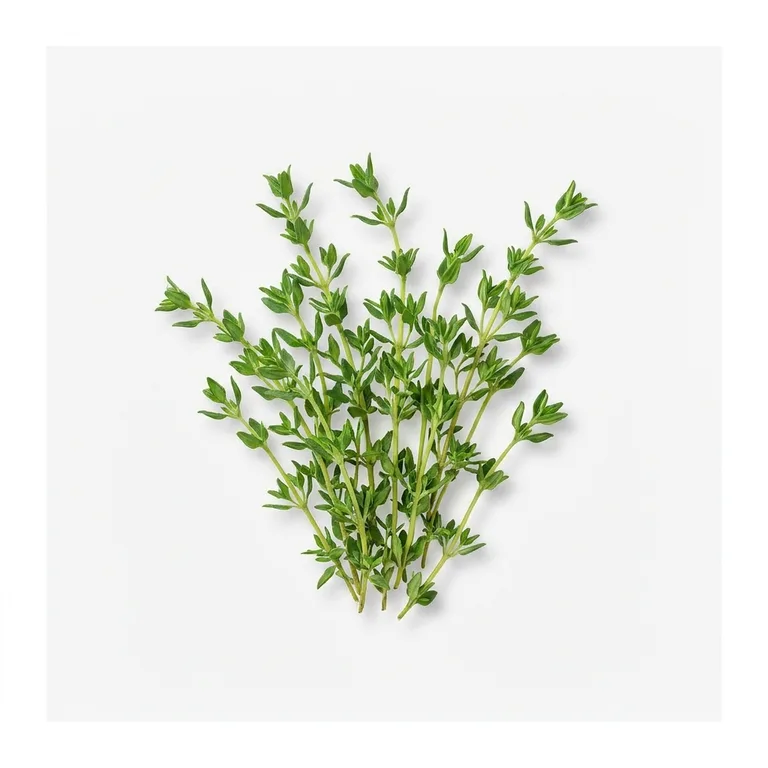
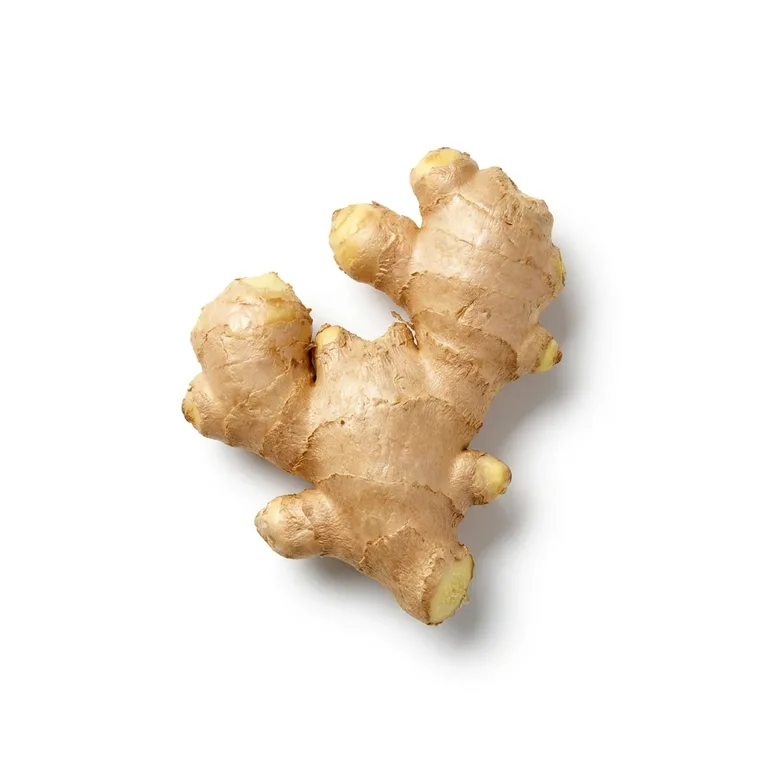
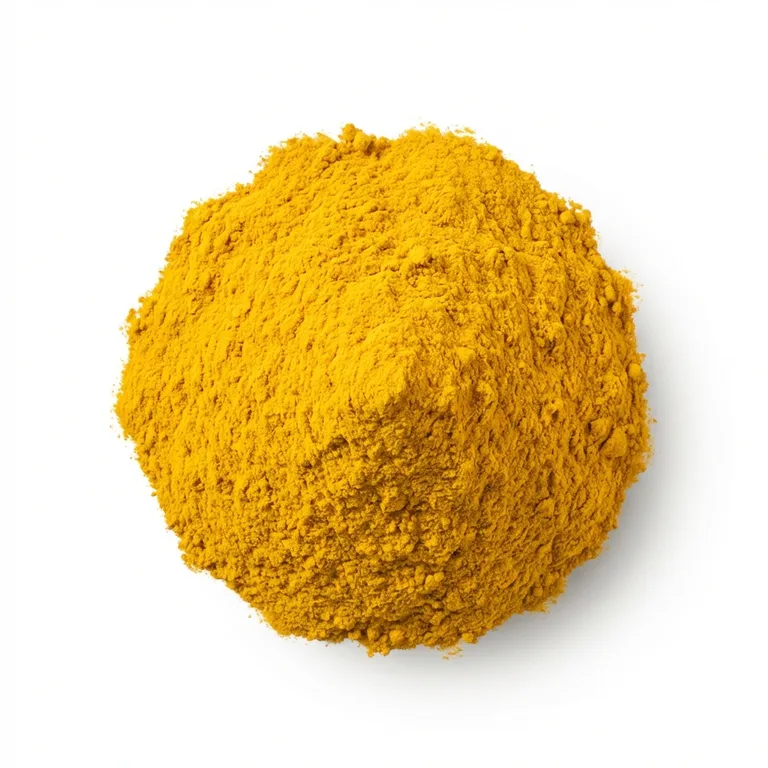
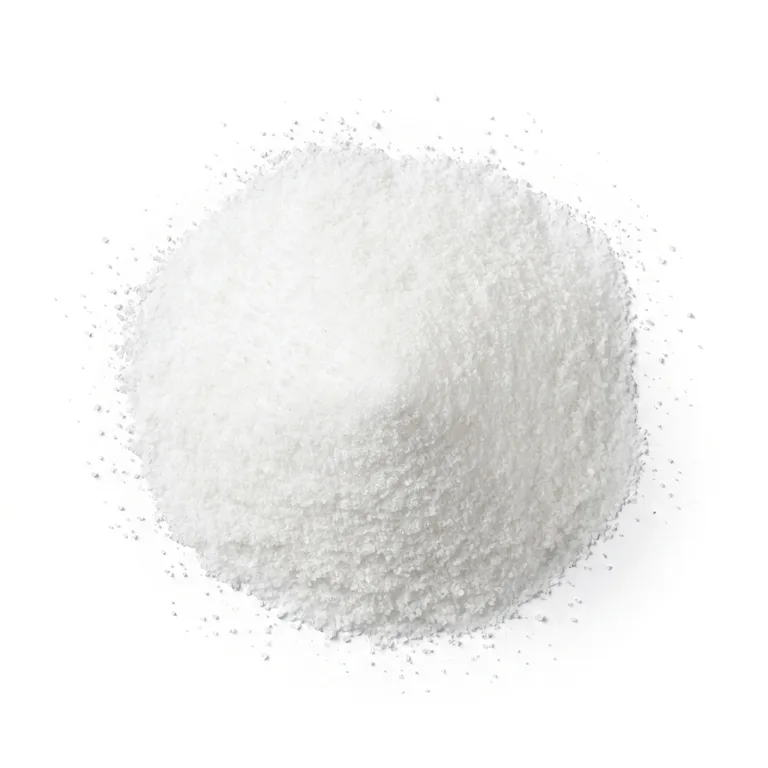

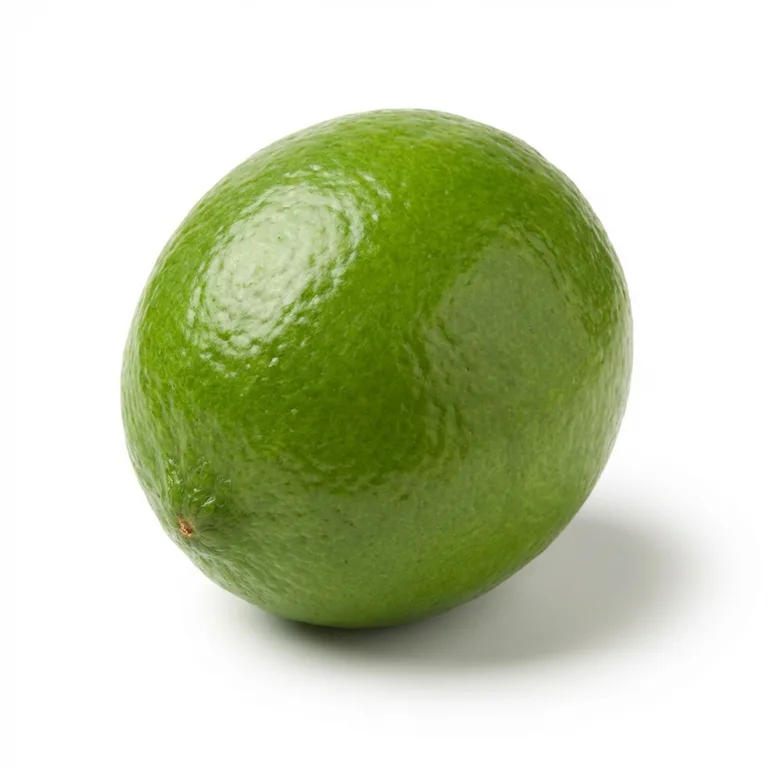
In a large mixing bowl, combine the orange juice, lime juice, apple cider vinegar, garlic, onion, scallions, parsley, thyme, ginger, turmeric, and salt. Add the pork shoulder chunks and toss to coat thoroughly. Cover and refrigerate for at least 4 hours, or overnight for deeper flavor.
Transfer the pork and all of the marinade into a large Dutch oven or heavy-bottomed pot. Add the water. Bring to a boil over medium-high heat, then reduce the heat to medium-low, cover, and braise for 1 hour to 1 hour 15 minutes, until the pork is completely tender and an instant-read thermometer inserted into the thickest piece reads at least 195°F (90°C) — the meat should pull apart easily with a fork.
Create a Fig account for step-by-step instructions, access to our full recipe library, and more!


 (16k)
(16k)